


 admin
admin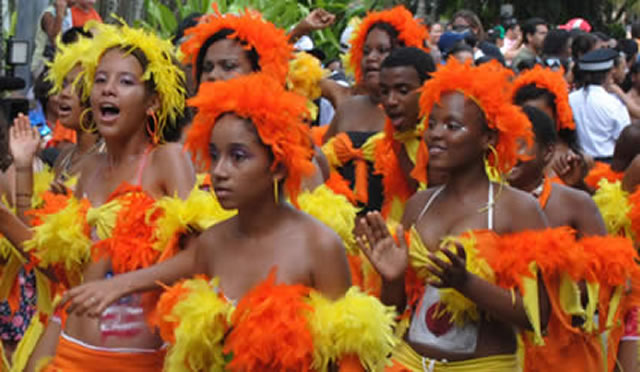

Roberta Katunga in Harare
THE Harare International Carnival, which is now in its third edition, has assumed a life of its own and has become a fixture in the global tourism calendar, attracting performing artistes from around the globe, Zimbabwe Tourism Authority chief executive Mr Karikoga Kaseke has said.
This year, performers from Brazil — pioneers of the street carnivals — India, South Africa, Mozambique, United Kingdom, the Democratic Republic of Congo, Zambia, Egypt and Jamaica took part in the now annual cavalcade.
“The carnival has surpassed our earlier expectations and is far much ahead of our plan,” said Mr Kaseke.
He said when ZTA first came up with the idea of hosting a carnival, with their lack of understanding of how people would respond, they thought they would achieve the level that the third edition is in in the seventh or eighth editions.
He said the attendance especially during the street party was evidence of how much Zimbabweans had grasped the concept.
“Last year we had over 1,5 million people in the streets and this year, the largest activity attended so far excluding the street party drew over 150 000 people and that was the DRC night that saw top artistes like Kofi Olomide perform,” he said.
Mr Kaseke who described Zimbabweans as a conservative people, said perceptions have changed with the initial reaction of shock to the Brazilian Samba queens — who are famed for their revealing outfits and raunchy dances — turning to anticipation and excitement.
“We really thought that the event was still teething and our initial plan was to popularise the first three editions to people in Harare before marketing it in the country for domestic tourism in the fourth edition. It was clear that we could not market the carnival before perfecting the acts,” he said.
The Harare International Carnival which was previously known as the Zimbabwe International Carnival was changed names to be in line with other carnivals globally that are named after cities and not countries.
Mr Kaseke said the authority needs at least another two years to consolidate the event for the domestic market before attracting international tourists as is the norm with carnivals around the world like the Rio Carnival in Brazil.
“Our vision is to be the renowned as the biggest street party in the region as the carnival is a strong marketing tool for tourism. We have surpassed other countries in the region that started before us,” he said.
However, he admitted that the tourism authority was facing challenges since carnivals require a lot of resources which are not readily available. He said for this year’s edition, a budget of $750 000 was set but only $100 000 was received from Government.
“Our stakeholders came through for us and assisted in a number of ways making the carnival possible. The carnival is for the people and it is not just about the ZTA so it is important for people to work together to make it a success,” he said.
The third edition of the carnival was held from 8 to 10 October and was heralded by a number of events that included the Samba night which featured the Samba queens from Brazil, DRC night as well as an Oliver Mtukudzi concert, among other activities.



 derick.khumalo
 Online Reporter