

 admin
admin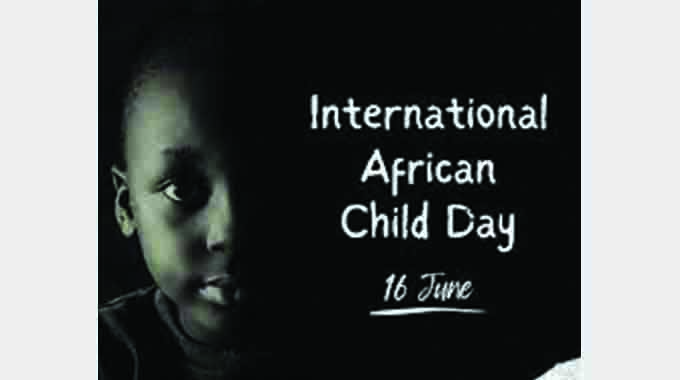
Latwell Nyangu-Youth Interactive Writer
Our journey in search of academic knowledge and literacy started as a dream.
In fact, it seems like every African icon that we know started their journey to excellence with a dream.
Africa is blessed not just with talents, but wise minds and by providing every student with quality education, and the materials they need to study and to do their homework, can help all students thrive.
Every time a child is saved from the dark side of life, every time one of us makes an effort to make a difference, we put light and healing into our lives.
As an African student, we thrive to excel at whatever costs and with the vibrant hope and expectations that our education would surpass our dreams because we believe education is the only hope and way out of poverty.
Being an African student, we have to go through a lot. Most of the students come from humble beginnings, while some of our backgrounds need a strong fight.
What we fight for as students, at times becomes unbearable but we keep soldering on to defy the odds.
Our dreams are bigger than our challenges. Some say the harder the chase, the sweeter the catch and it defines an African student.
We run different races as students and some of us fail to get to the final destinations, at times not by choice, but through circumstances beyond our control.
Some fail to get tuition fees, some end up hooked on drugs, some become head of family while some get married early among a plethora of challenges.
Such challenges have become a hindrance to the success of some of the African students to get their dreams.
Yours truly dedicates this week’s column to all African students, but most importantly narrowing much respect to Zimbabweans whose minds have shone in the country and beyond the borders.
Campus Reflections looks at the International Day of the African Child (DAC) which was on June 16. This day is recognised throughout the world as it focuses attention on the barriers African children face in order to receive quality education.
This year’s theme was “Eliminating Harmful Practices Affecting Children: Progress on Policy & Practice since 2013”.
Education is the great engine of personal development.
It is through education that the daughter of a peasant can become a doctor, that the son of a mine worker can become the head of the mine, that the child of farm workers can become the president of a nation.
It is what we make out of what we have, not what we are given, that separates one person from another.
Access to education is a fundamental tool for development and increased prosperity in any community or society, and this is particularly true in the African context.
It’s worth to commend the Zimbabwean Government’s efforts to eliminate harmful practices affecting children through its adoption of regional and international instruments such as the African Charter on the Rights and Welfare of the Child (ACRWR) and the Convention on the Rights of the Child.
Most academic and social challenges African international student faces are unique and more intense because of the added pressure of adjusting to a new culture, language, and different academic environment.
In spite of these challenges, African students increase the diversity of student populations, add new perspectives to classroom discussions, increase awareness and appreciation for other countries and cultures, and arrive with knowledge and skills, especially in the sciences.
The families of many African international students see them as the only hope to their survival. Having such a huge responsibility at the back of our minds and knowing fully well that family had to sell their belongings to give us an education was enough pressure to affect both academically and socially.
The hope of an entire community, family or generation sometimes lies on the shoulders of an African student.
Breaking generational curses is not easy.
It comes with battles no one ever prepares you to fight. That is why graduating was my proudest moment, because everything that had worked against me had failed.
This is a time for the world to reflect on the progress made towards children’s rights, as well as they barriers they continue to face.
As we celebrate DAC 2021 in line with this year’s theme on accelerating Agenda 2040 for an Africa fit for children, it is important to focus on the vital efforts of communities and child rights activists working to advance the rights of girls on the continent.
Both girls and boys face different challenges as students, including child marriages, sexual abuse and poverty.
With child marriage becoming a global practice and a manifestation of deeply rooted gender inequalities that impact the development, well-being and life options of girls, their families and communities at large.


 Online Reporter