Online Reporter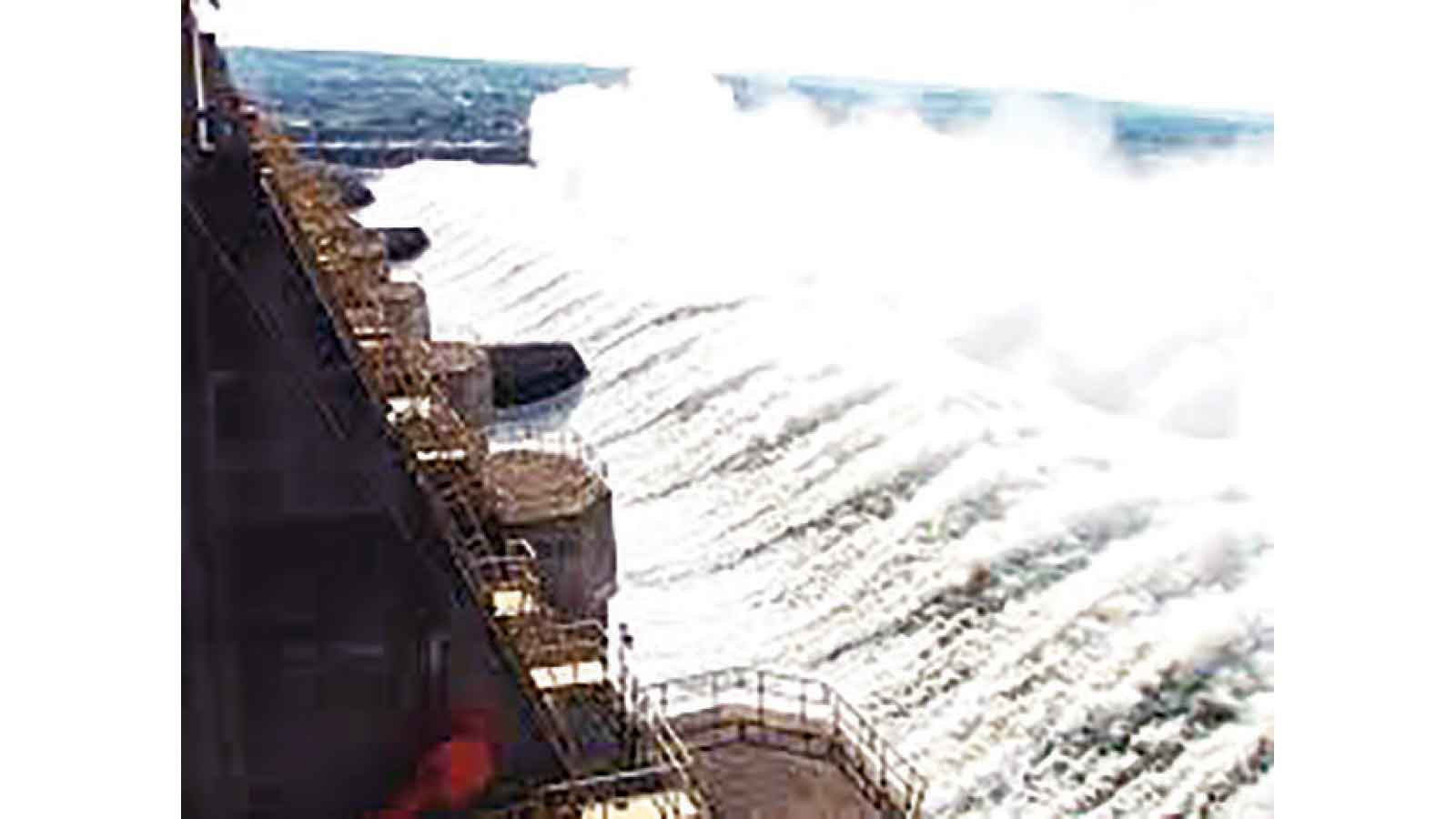
Innocent Mujeri
AS Zimbabwe approaches the festive season, there is a welcome glimmer of hope for households and businesses alike. ZESA Holdings has secured a
US$12 million facility for electricity imports from the Southern African Power Pool, a move that, together with improved generation at Kariba and reduced industrial demand, could finally bring a more stable national grid during December and early January.
For many, the prospect of enjoying the holidays without relentless load-shedding is long overdue.
The decision to mobilise the US$12 million for imports is a strategic lifeline rather than a gamble. By purchasing energy on a day-ahead basis, ZESA can respond dynamically to fluctuations in supply and demand, cushioning the grid against the temporary loss of capacity from maintenance at the Hwange thermal units.
This is particularly important as the two 300 MW units, commissioned only in recent years, are crucial to the country’s baseload supply. Taking them offline for essential maintenance is necessary, but it restricts overall capacity and heightens the risk of outages if no mitigating measures are in place.
While imports are essential, Zimbabwe is not relying solely on external power. Hydroelectric generation at Kariba South is expected to play a central role in bridging the supply gap. Recent improvements in water allocation and favourable rainfall have allowed Kariba to increase its output, providing a significant boost to the national grid.
This development offers more than temporary relief; it reflects a renewed resilience in the country’s hydroelectric infrastructure. Careful management of water levels ensures that generation can be sustained during periods of peak demand, reducing the country’s reliance on imported electricity and positioning Zimbabwe to meet holiday energy needs more effectively.
An often overlooked factor in this equation is the annual drop in industrial consumption. Many businesses and manufacturing facilities close during the festive season, reducing overall electricity demand.
When combined with SAPP imports and improved local generation, this natural decline creates a buffer that can significantly reduce, or even eliminate, the need for severe load-shedding. The timing of essential maintenance during this period is fortuitous, allowing ZESA to blend imports with local generation in a manner that ensures households and essential services are not left in the dark.
Reliable electricity is not simply a matter of convenience; it is fundamental to the functioning of both households and the wider economy. For families, consistent power means children can study in the evenings, homes can remain safe and comfortable, and daily life can proceed without disruption.
For businesses, particularly in manufacturing, agro-processing and retail, stable power is central to productivity. Even during a seasonal slowdown, operations continue at a reduced capacity, and interruptions hinder output, increase costs, and weaken investor confidence.
At a national level, frequent load-shedding erodes economic resilience and tarnishes Zimbabwe’s reputation as a destination for investment. Demonstrating the ability to maintain the grid, even during maintenance periods, signals that the country is capable of navigating its energy challenges with planning and foresight.
The use of regional imports through the Southern African Power Pool also highlights the importance of collaboration and strategic thinking. By integrating with a broader energy market, Zimbabwe can supplement its domestic generation capacity, adapt to fluctuations in demand, and manage seasonal or maintenance-related shortfalls.
This type of regional cooperation is not only a pragmatic solution in the short term but also a foundation for long-term energy security. It allows the country to hedge against internal capacity limitations, climatic unpredictability, and financial constraints, all of which have historically disrupted the national grid.
Despite these positive developments, challenges remain. The import facility is significant but not limitless. Sudden spikes in demand or increases in regional electricity prices could still pose risks. Hydroelectric generation, while improved, remains dependent on rainfall, and any unforeseen drought could compromise output.
Long-term solutions, therefore, require investment in new generation capacity, refurbishment of ageing thermal plants, and expansion of renewable energy projects such as solar and wind. Encouragingly, steps have been taken in these directions, with independent power producers increasingly contributing to the grid and plans for thermal refurbishment underway.
If all goes according to plan, Zimbabweans can look forward to one of the most reliable festive seasons in recent memory. The combination of SAPP imports, improved Kariba generation, and reduced industrial consumption provides a robust framework for minimising disruptions.
Success during this period would do more than keep the lights on; it would demonstrate that Zimbabwe has the capacity to manage its electricity needs strategically, efficiently, and responsibly.
However, achieving this outcome requires discipline and diligence. ZESA must maintain rigorous procurement practices, manage water resources carefully, and ensure that imported power is utilised effectively.
Public confidence is fragile, and any failures during the festive season could quickly erode goodwill built over months of careful planning. The stakes are high, and the utility’s ability to deliver consistent service will be scrutinised closely by both households and businesses.
Ultimately, the implications of reliable power extend beyond the festive season. Ensuring stability in the national grid is central to Zimbabwe’s economic growth, social development, and quality of life. It affects how citizens live, how businesses operate, and how the country is perceived internationally.
If ZESA can demonstrate competence, flexibility, and foresight, it will reinforce public trust and set a precedent for how the energy sector can be managed responsibly in the years to come.
For the people of Zimbabwe, the prospect of uninterrupted power during December and January is more than a technical achievement; it is a tangible improvement in daily life. Families will be able to enjoy festive celebrations, businesses can operate efficiently, and the economy can function with fewer disruptions.
This festive season may finally offer the illumination, comfort, and productivity that citizens have long yearned for.