admin
admin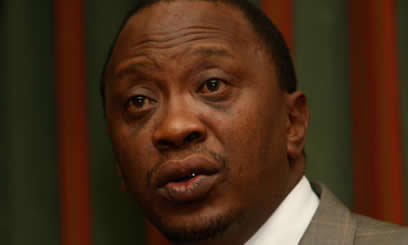
NAIROBI. — Al-Shabaab fighters claimed they killed at least 15 people in a second night of attacks on Kenya’s coast, but the country’s president said the attacks were the work of “local political networks” and gangs.The latest attack happened overnight yesterday in Pomoroko, a village located between the city of Mombasa and the Kenyan border with Somalia, where the armed group is based.
According to a BBC report, at least 12 women were abducted during the latest attack.
The attack comes after about 50 people were killed in Mpeketoni in the early hours of Sunday.
Al-Shabaab claimed they carried out the attack to punish the Kenyan government for sending troops to Somalia.
However the Kenyan president Uhuru Kenyatta denied Al-Shabaab’s role in the attacks, instead blaming what he called “local political networks” and criminal gangs.
“The attack in Lamu was well planned, orchestrated and politically motivated ethnic violence against the Kenyan community, with the intention of profiling and evicting them for political reasons,” Kenyatta said yesterday.
“This therefore was not an Al-Shabaab terrorist attack. Evidence indicates that local political networks were involved in the planning and execution of the heinous crime.”
In an interview with Al Jazeera, opposition member and senator Anyang Nyong’o said that the security situation in Kenya was getting “very serious” and blamed Kenyatta’s government for carrying out “reactive action” instead of “preventive” measures to stop the attacks.
He also dismissed an earlier statement linking the opposition to the attacks, saying the allegations were “extremely irresponsible.”
Sunday’s assault in Mpeketoni, in Kenya’s tourist hub, was the biggest since the deadly Westgate Mall raid last September in the capital Nairobi.
In a statement sent to Al Jazeera on Monday, Al-Shabaab said it would continue its campaign in East Africa’s largest economy.
“The Mpeketoni raid was carried out in response to Kenyan military’s continued invasion and occupation of our Muslim lands and the massacre of innocent Muslims in Somalia,” it said.
The group said the Kenyan government was “fighting a losing war” and telling tourists to stay away.
Kenya sent troops into Somalia in late 2011, after Al-Shabaab fighters carried out a series of raids on Kenyan soil.
It has fought a seven-year campaign to impose its interpretation of Islamic law inside Somalia.
Meanwhile, Muslim leaders in Nairobi urged politicians to unite and not let the Mpeketoni attacks divide Kenyans along ethnic and religious lines.
“In these trying times, the country needs to be united. Political leaders should stop the blame game and temper emotions. Resolve to dialogue and engage peacefully,” said Mr Abdullahi Abdi, chairman of the National Muslim Leaders Forum.
Speaking during a press conference at Jamia Mosque yesterday, the leaders also condemned the attacks at Mpeketoni urging the government for an overhaul of the Security docket.
“It is rather strange that the attack on Mpeketoni which appeared to be well planned could have happened without the knowledge of Security and Intelligence officers.
“We strongly condemn these savage acts and express our grief over the ghastly killings of innocent civilians and police officers,” said .
Mr Abdi said there was no justification for the killing of innocent Kenyans and that the perpetrators ought to be hunted down and prosecuted.
Sheikh Muhammad Khalifa, of the Council of Imams and Preachers of Kenya, however said the attack should not form the basis of Kenyans blaming Muslims as the Quran does not teach them to kill. — Al Jazeera/Daily Nation/HR


 Online Reporter