Vusumuzi Dube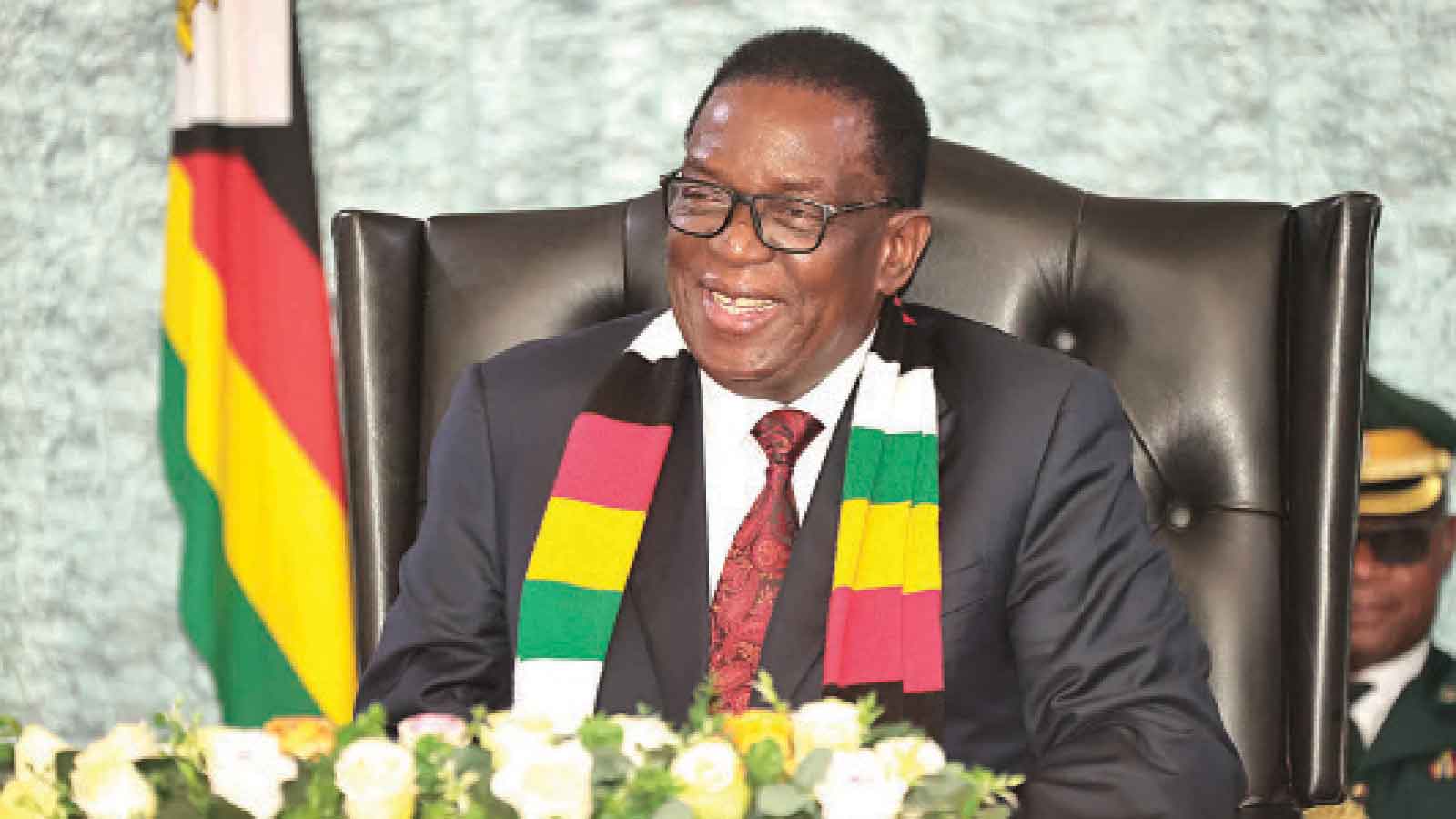
Correspondent
KING Misuzulu kaZwelithini has called for the strengthening of ties between the Zulu nation and neighbouring countries, invoking history that stretches as far back as KwaBulawayo in Zimbabwe, where cultural lines once blurred easily across landscapes and kingdoms.
His words carried a sense of both memory and urgency as he addressed hundreds at the Isandlwana Battle commemoration in KwaZulu-Natal yesterday, urging a return to mutual respect, dialogue and collaboration at a time when tensions between South Africans and foreign nationals often simmer too close to the surface.
The king’s address swept between the past and the present, weaving together the weight of history and the pressing realities of today.
“We need to build relationships with other nations and not fight. There are Zulus in Zimbabwe; do not forget that,” said King Misuzulu, reminding his audience that long before modern borders hardened identities, families, clans and cultures flowed naturally across them.
His call felt less like a lecture and more like an appeal to shared humanity anchored in centuries of kinship.
The event also welcomed Zimbabwean traditional leaders, invited to engage directly with the Zulu kingdom in a gesture steeped in symbolism — a meeting of heritage guardians across borders. Thulane Jubane, representing Zimbabweans living in South Africa, highlighted the deep cultural and traditional threads binding the two nations.
“Zimbabweans in South Africa should always respect, value, appreciate and embrace South Africa, which has opened up to them over the years. We share the same cultural and traditional values, which give our nations common ground and a reason to work together,” he said.
Similarly, Chief Mbusi Bhekithemba Dakamela expressed interest in expanding collaboration between the Zulu kingdom and Zimbabwe, emphasising a shared lineage of customs and identity.
“Our people have traditions and customs that are closely linked with the Zulu nation. We must work together, honour our shared heritage, and ensure that Zimbabweans are humble, respect South African laws, and appreciate the welcome we have received,” he said.
His words echoed the sentiment that heritage can be both anchor and compass in navigating modern complexities.
Speaking recently, President Mnangagwa reiterated the importance of traditional leadership in Zimbabwe, underscoring the central role chiefs and kings play as custodians of culture, stability and communal values. He emphasised that empowering traditional leaders remains key to bridging governance at the grassroots and ensuring effective delivery of social services — an acknowledgment that cultural institutions still hold sway where political structures may falter.
Alluding to the sensitive issue of illegal immigration, King Misuzulu emphasised the need for a measured and humane response, steering away from hostility.
“I promise you, there will be no war here. We will talk to those who are illegal to go back home; everyone has a home,” said King Misuzulu kaZwelithini.
His tone suggested a desire to cool tempers rather than inflame them, especially in communities where economic frustration can easily slip into xenophobia.
Recent confrontations outside Addington Primary School in Durban, where locals clashed with foreign nationals over the placement of children, have heightened the urgency for dialogue, the king said. He recalled that even his late father, King Zwelithini, had faced similar tensions, and noted that he too is now engaging with the complexities surrounding illegal immigrants — an inherited challenge woven into the modern fabric of the province.
KwaZulu-Natal Premier Thami Ntuli supported the king’s call for calm and reconciliation, grounding the monarch’s message within governmental commitment.
“We should find a way to ensure that there is no black-on-black violence. We also promise His Majesty that if there are people here illegally, that will be addressed through the help of the police to deport those here illegally,” Premier Ntuli said.
His statement framed order and compassion not as opposing forces, but as dual necessities in stabilising communities.
The Isandlwana gathering — commemorating the 1879 battle in which Zulu forces achieved a historic victory over British troops — offered a poignant backdrop for these discussions. On ground hallowed by memory and courage, the presence of Zimbabwean chiefs was a reminder that relations between the Zulu nation and Zimbabwe are not diplomatic conveniences, but ties carried through generations. They remain alive, relevant and vital in addressing today’s social and political pressures.
King Misuzulu’s call for dialogue, cultural cooperation and strengthened international ties comes at a critical moment for South Africa, as it continues to navigate delicate relations between locals and foreign nationals. By emphasising respect, shared heritage and the wisdom of traditional leadership, the monarch — together with Zimbabwean chiefs — provides a pathway toward understanding and cohesion, offering a culturally rooted framework for unity in a world increasingly pulled apart by division.



 Online Reporter