Chronicle Editor
Nqobile Tshili, [email protected]
THE commemorations of King Mzilikazi’s Day today, on the outskirts of Bulawayo and in various corners of the world, are not merely festivities; they are a celebration of the rich Ndebele culture and identity.
Born near Mkuze in Zululand in 1790, King Mzilikazi, the son of Matshobana, left an indelible mark on history. His passing on September 9, 1868, saw him laid to rest at Mhlahlandlela, Entumbane cave in Matobo, 20 kilometres from Bulawayo.
King Mzilikazi’s story is one of defiance against the formidable King Shaka, leading to his northward migration in 1823. Along this arduous journey, he forged a nation, one that defines the modern Ndebele people.
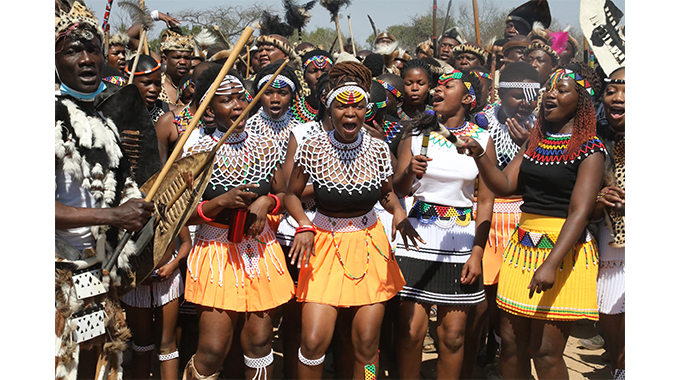
Today, we commemorate 155 years since King Mzilikazi’s passing. Yet, these celebrations extend far beyond the borders of Zimbabwe. They resonate globally, wherever his descendants and those who identify as Ndebele people have settled.
Pathisa Nyathi, a distinguished historian and researcher of Ndebele culture, highlights that King Mzilikazi’s legacy endures because of his pivotal role in nation-building. His influence continues to be felt and celebrated, a testament to the enduring power of culture and identity.
“We commemorate King Mzilikazi for creating the nation that is what is important. He is the creator of the Ndebele nation and for that he deserves being remembered, commemorated for the good deeds in creating the nation and keeping it together at the political building nation levels,” said Mr Nyathi.
He said King Mzilikazi also created an everlasting cultural heritage for those who identify to be Ndebele including their language.
“The first one would be the language, the language that you and I speak is IsiNdebele. Who brought it here? It is King Mzilikazi? But not him alone but the entire nation, the chief, the queens, the ordinary men, women and all of them. They bequeathed us with language. We communicate through it and further it is our identity.
“All people should have something that identifies them and for us, it is that language among other qualities that identify us. Our world view because in our language we are expressing our world view, our cosmology, our beliefs, you are Ndebele not because of your father but because you subscribe to Ndebele beliefs, to Ndebele religion and Ndebele language.”
Mr Nyathi said the Mthwakazi nation, who now identify as Ndebeles, converge in various parts of the world today, they will display what defined the Ndebele nation.
He said part of the commemorations are meant to resuscitate the Ndebele culture that was bastardised by the westerners as the occupied Zimbabwe,
“We behave as we believe, we do as we believe, and the songs that they will be singing tomorrow (today), those are songs that need to be revived.
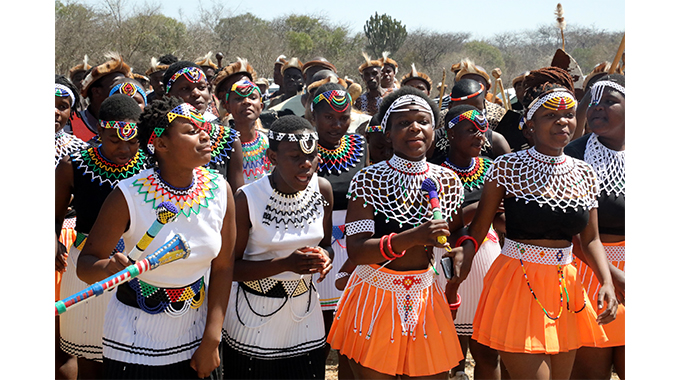
“The day becomes the revival of those songs that we inherited, songs in terms of music, songs in terms of the lyrics and they embody and tell a history of the Ndebele. The attire, tomorrow you will see them donning various forms of attire which distinguish us as AmaNdebele.”
Mr Nyathi said it was interesting that the younger generation is seen to be embracing the Ndebele identity which the colonialists had fought to dismember.
He said to ensure that Africans lost their identity, the colonialists, bastardised African religions, while imposing their identities as superior and somehow the older generations believed them
“When the whites came to this country beadwork was very important then Christianity taught us that it was associated with the devil and evil things. Then you would see our old generation abandoning beads but look at the young, they have moved away and are now using beads. Beads initially had nothing to do with spirituality; they were part of trade items and were worn by those with means,” he said.
Mr Nyathi said the decolonial agenda is also embodied with educated Africans now embracing the Ndebele heritage which the whites tried to dismantle.
He said it was exciting to see people like Professor Solwayo Ngwenya, practicing traditional culture, which identifies them as Ndebele despite being western educated.
“Education disqualifies us and distances us from our roots which is most unfortunate but when we get people like Prof Solwayo, we are very excited. It gives promise he becomes an icon of Ndebele tradition, icons are very important in societies. When we look at the Professor, we see him brewing beer with his children, we see him donning the traditional Ndebele attire, you see him dancing, that is excellent and that is what some of us want. And it is only that way that we can pass the heritage,” he said.
Mr Nyathi is also contributing to restoration of Ndebele heritage through documentation and has penned a book titled: The Battle of Pupu And Beyond, in celebration of the military prowess of the Ndebele people, who resisted colonialism despite having inferior weapons.
In the book he documents how the Maxim gun was deployed first to fight the Ndebele nation under King Lobengula but they still triumphed at the Pupu Battle where 34 whites were killed.
Lawyer and Ndebele history researcher Mr Thomas Sibanda said the Mzilikazi Day is celebrated in recognition of the ability to build a nation while devolved governance style is only embraced by modern governments.
“He absorbed tribes by conquest and voluntary alliance to create a single nation. Mzilikazi implemented devolution of power long before it became a popular modern ideology. His vast empire was ruled through local izinduna (chiefs) and administrators even though he had the executive power,” said Mr Sibanda.
“He built a rainbow nation with all southern African tribes and races welcome to embrace the values and principles of being Ndebele. Being Ndebele was not a tribal identity but was framed on citizenship based on Ubuntu.”
He said Ubuntu, multiculturalism, devolution of power and national cohesion became the benchmarks of King Mzilikazi rulership and remain relevant to today’s societies.
Chairperson of the Mthwakazi Ka Mzilikazi Cultural Movement, who are part of the organisers of today’s event, Mr Sipho Gama, said the annual commemoration that started in year 2000 continue to attract scores of people who identify as Ndebele.
He said King Mzilikazi’s Day is a celebration of many things including tolerance and standing for beliefs.
“Those who participate in these commemorations realise that we might differ tribally but we can come together to build something solid just as King Mzilikazi managed to build a nation which stands up to date. What we know most of the people who usually participate in the commemorations will be part of tomorrow’s event,” he said.
“Culturally, you must understand who you are, respecting your neighbour even when they are doing their ritual rights. When Mzilikazi came to this country, he found the Njelele Spiritual Shrine. He did not impose himself but respected and allowed the locals to continue leading spiritual activities at the shrine. This is how he managed to build his nation.”
— @nqotshili


 Online Reporter