Online Reporter
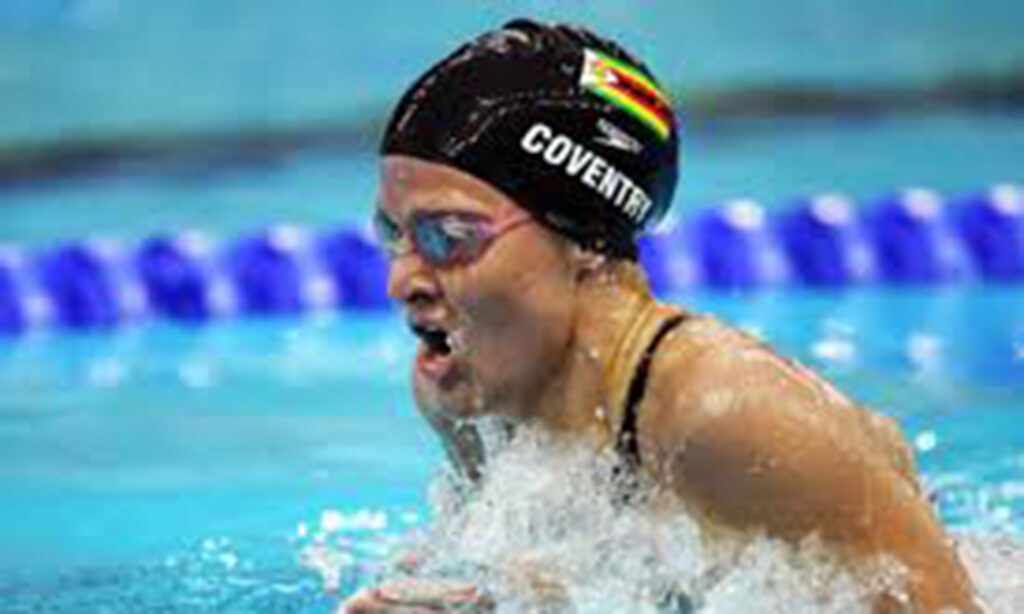
Africa’s most decorated Olympian, Kirsty Coventry, is making headlines as she runs for the presidency of the International Olympic Committee (IOC).
With an impressive record of two golds, four silvers, and a bronze from the Athens 2004 and Beijing 2008 Games, Coventry is not just an athlete; she has also been Zimbabwe’s Minister of Youth, Sport, Arts, and Recreation since 2017.

Coventry is also a member of the IOC’s Executive Committee.
“I wanted to run for this position because the Olympic movement has changed my life in so many different ways,” she said recently.
Her journey is rooted in a profound love for sports and a desire to give back to the movement that has shaped her life.
Seven candidates, including Coventry, will compete in the election for the presidency of the IOC at the 144th IOC Session to be held from 18 to 21 March 2025 in Greece.
Our Reporter Jerry Chifamba will be following Coventry’s journey until the IOC elections are held later this month.
This is a journey that you definitely would want to be part of. So fasten your seat belt and enjoy the ride!
For Zimbabwe, it is Kirsty all the way!
May the only woman in the race please stand up
Zimbabwe’s Kirsty Coventry is poised to make history as she emerges as a frontrunner to succeed outgoing president Thomas Bach at the upcoming IOC elections.
If elected, Coventry would not only become the first woman to lead the IOC but also the first president from Africa – a ground-breaking achievement that could redefine the Olympic Movement.
“It’s time now – Africa’s time, time for a woman, just time in general,” Coventry said, highlighting how her diverse experience could bring unique value to the Olympics.
Coventry’s election could bring a fresh perspective to an organisation that has often been criticized for its lack of diversity.
Her background as an athlete, combined with her experience as a Minister of Sports, equips her with the insight needed to address the challenges facing the global sports community today.
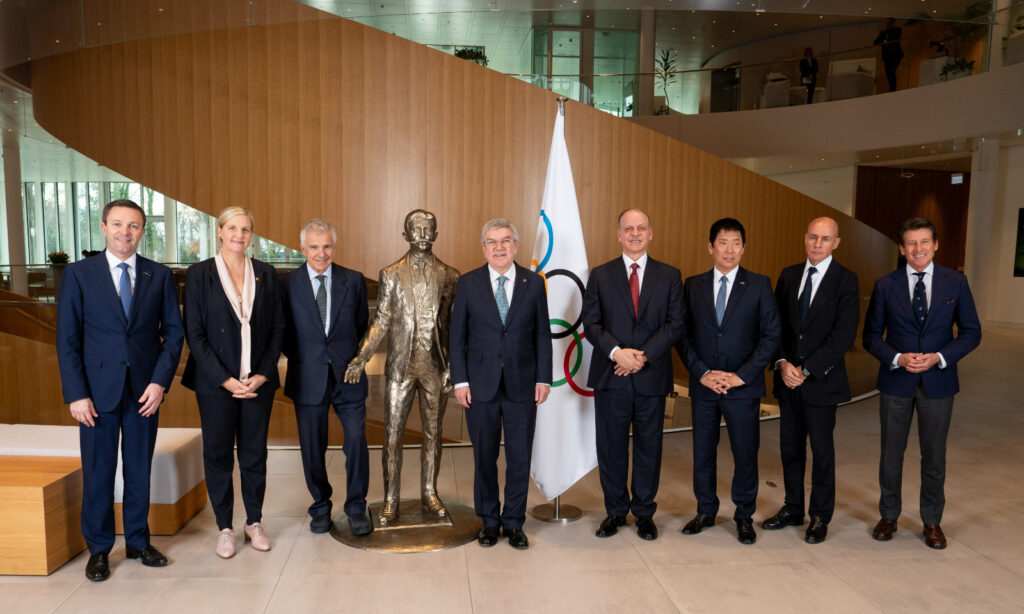
Meet the Candidates for the IOC presidency
The upcoming election for IOC presidency features a diverse group of candidates, each bringing unique backgrounds and experiences to the forefront.
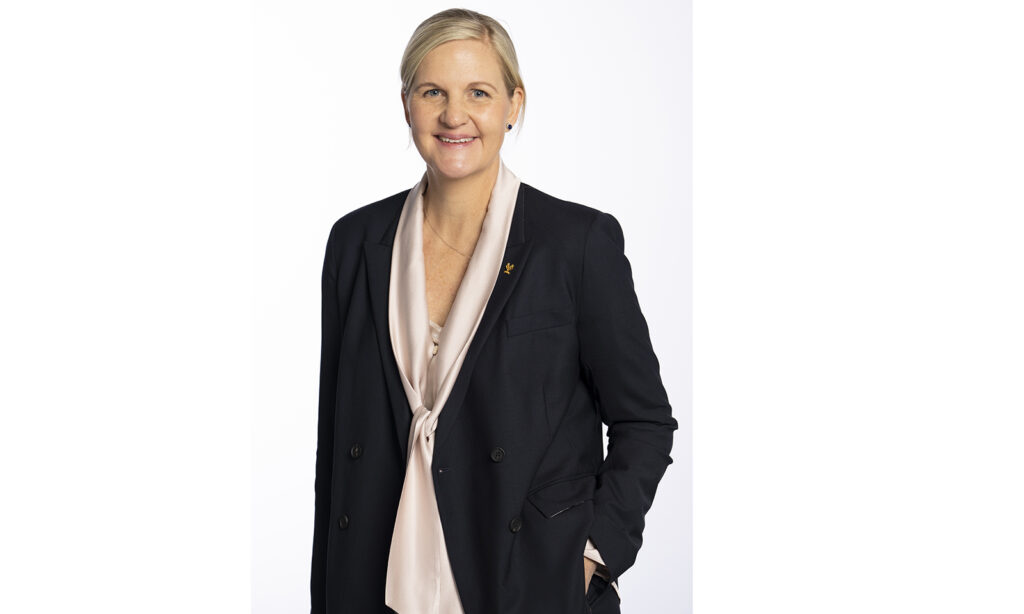
Kirsty Coventry is from Zimbabwe. As a former Olympic swimmer, she advocates for sports development and youth engagement in her country and beyond.
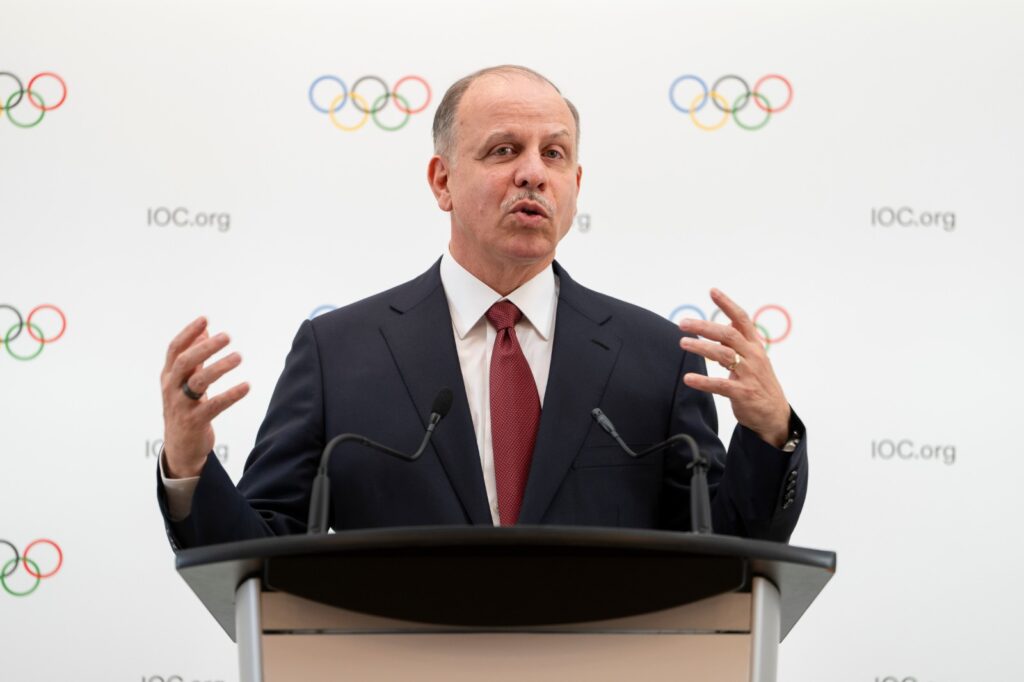
His Royal Highness Prince Feisal Al Hussein from Jordan is a prominent member of the royal family, actively involved in sports and representing his country on international platforms.
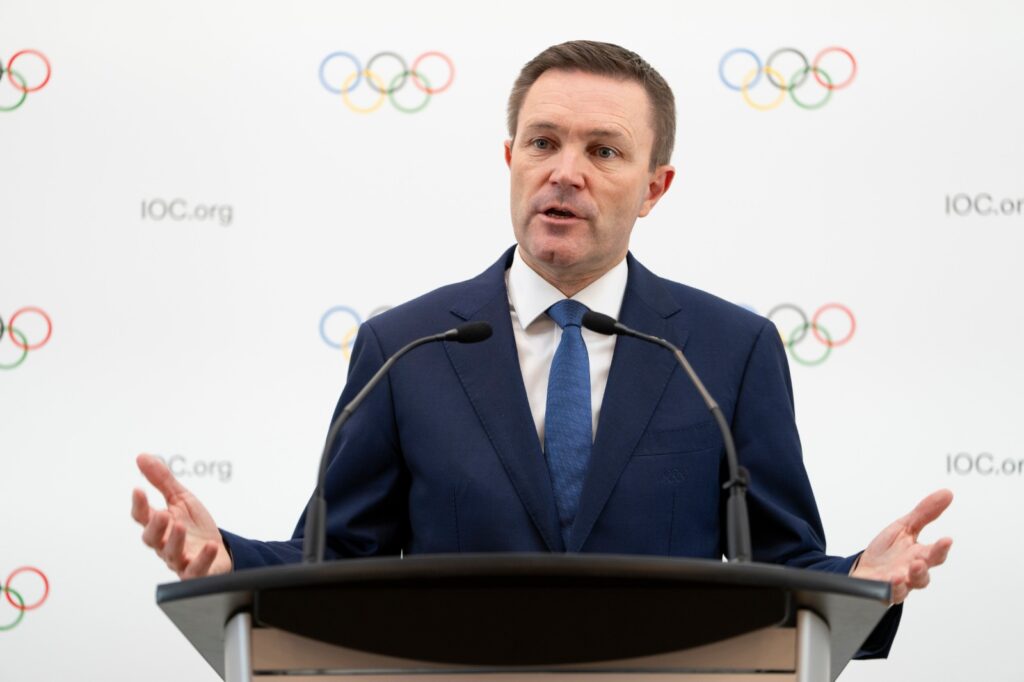
David Lappartient hails from France and has held significant positions in cycling and sports governance, demonstrating his commitment to promoting athletics worldwide.
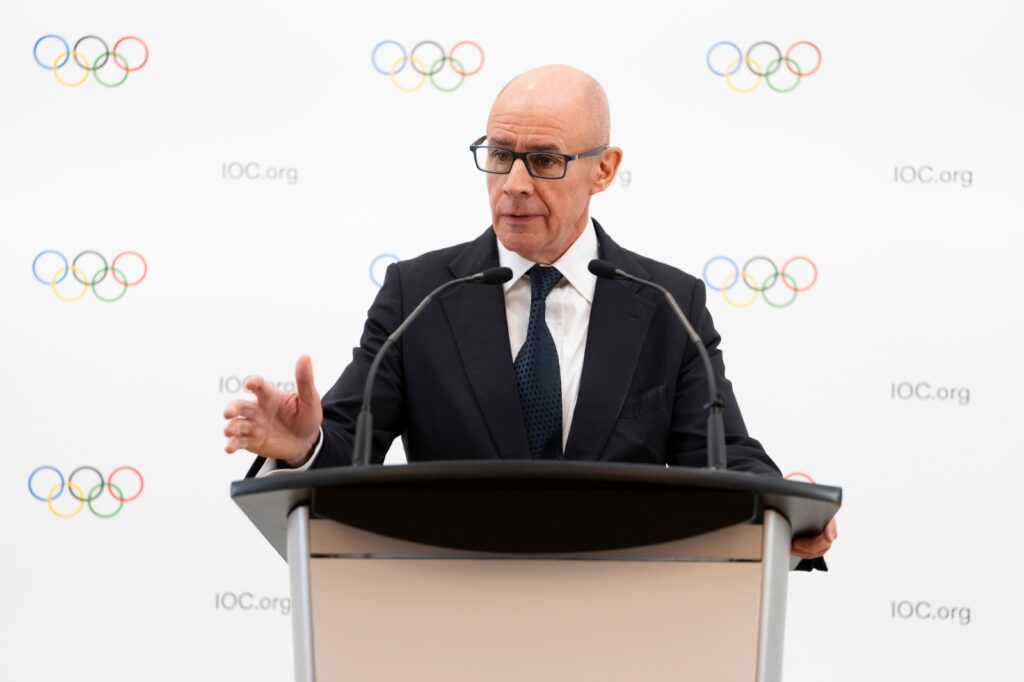
Johan Eliasch, representing Sweden, has a strong business and sports background, influencing global sports and fitness initiatives.
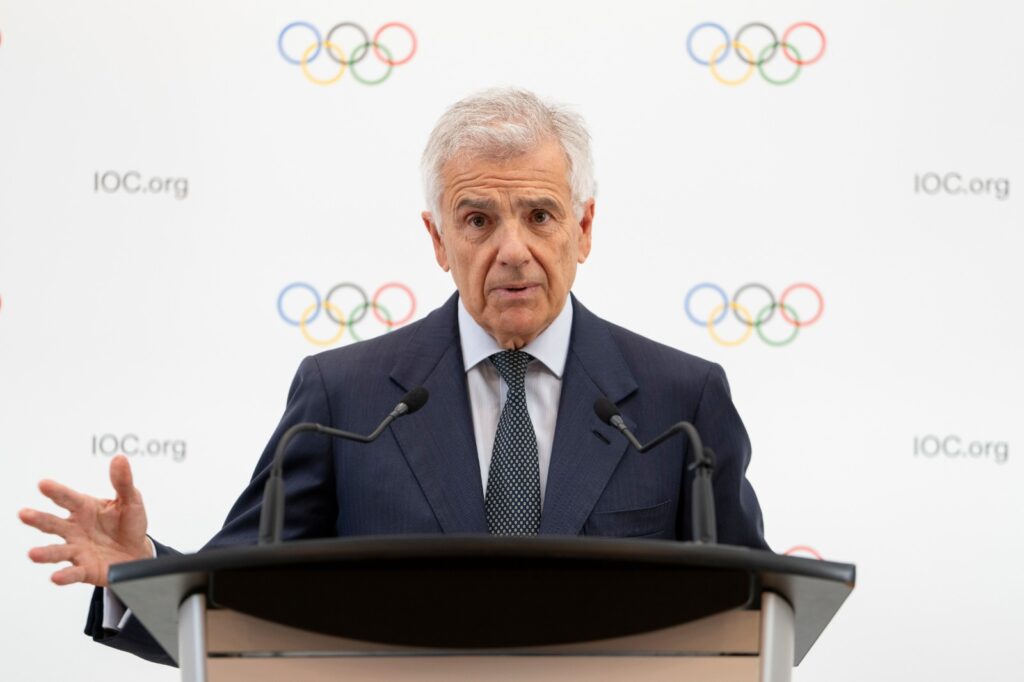
Juan Antonio Samaranch comes from Spain and is the son of the former IOC president. He continues his family’s legacy in sports administration.
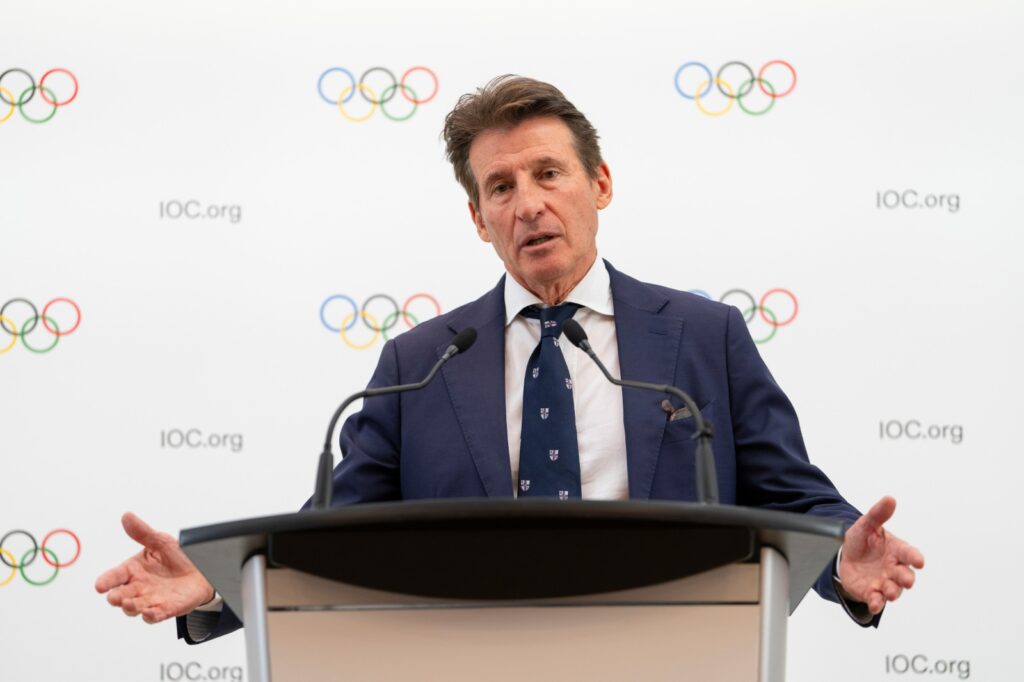
Lord Sebastian Coe from the United Kingdom is a former middle-distance runner and two-time Olympic champion. He has played a pivotal role in sports administration and event organization.

Morinari Watanabe represents Japan. As the current president of the International Gymnastics Federation (FIG), he brings extensive experience in sports governance.
This diverse representation underscores the global nature of the Olympic movement and highlights the importance of inclusive leadership within the IOC.
Understanding the IOC presidency: Responsibilities and challenges
The position, which carries immense responsibilities, involves overseeing the Olympic Games, setting the agenda for the Olympic movement, and ensuring the integrity of sports worldwide.
Kirsty Coventry, the only female candidate in this race, has expressed her readiness for the role.
“I feel that I have what it takes to lead our organization for the future,” Coventry said.
The challenges that lie ahead for the incoming president include:
managing international relations
addressing ongoing controversies
navigating the evolving landscape of sports, particularly in areas of inclusivity and fairness.
As the election date approaches, stakeholders in the sports community are keenly aware of the importance of this leadership position and the impact it will have on the future of the Olympic movement.
Coventry tackles transgender participation in sports
In the run up to the elections, Kirsty Coventry has been vocal about preserving the integrity of female sports.
She advocates for clear and fair policies regarding transgender participation, stating, “I don’t believe that transgender athletes should be competing in the Olympic Games.”
This reflects her commitment to protecting female categories in sports.

Of late, the inclusion of transgender athletes in women’s sports has become a hotly debated issue, particularly regarding fairness and opportunity for female competitors.
Several athletes have expressed their discontent so strongly that they have considered quitting.
For instance, Sharron Davies, a former Olympic swimmer, has been outspoken about the unfairness of allowing transgender women to compete against biological women.
Davies argues that the participation of transgender women creates an uneven playing field, leading to a significant disadvantage for female athletes who would have trained tirelessly for the opportunities.
In the United States, Rachel McKinnon, a transgender cyclist, won gold at the 2018 UCI Masters Track Cycling World Championships, sparking outrage from female competitors.
The Tokyo 2020 Olympics saw the participation of Laurel Hubbard, a transgender weightlifter from New Zealand. Her inclusion ignited widespread debate, with many female athletes voicing their frustrations over fairness and competition integrity.
In this contentious landscape, Kirsty Coventry, an Olympic champion herself, emerges as a potential leader who could address these issues head-on.
Coventry acknowledges the need for inclusivity but also emphasizes the importance of fair competition.
The future is bright
Coventry’s message revolves around athlete-centric policies, ensuring fairness, and making sports accessible to all.
Drawing from her own journey as a recipient of the Olympic Solidarity Scholarship, she is committed to expanding funding and support for athletes, particularly those from underfunded National Olympic Committees.
“I want to create and strengthen programmes that are going to help more athletes become Olympians and Olympic champions,” she said.
As chairperson of the Games Optimisation Working Group, Coventry has focused on ensuring that the Olympic Games are innovative, sustainable, and impactful for athletes, host cities, and fans.
Her leadership on the Dakar 2026 Youth Olympic Games and the Brisbane 2032 Olympic Coordination Commission has further demonstrated her ability to balance tradition with progress.
Coventry’s vision is rooted in the spirit of Ubuntu – “I am because of who you are.”
She believes in collaboration, inclusivity, and listening to the needs of IOC members to create a stronger, more united Olympic Movement.
“This is not about me. This is about what we can achieve together for future generations,” she said.
IOC session opens in Greece as presidential election looms
The International Olympic Committee kicked off its session in Olympia, Greece, the site of the ancient Games on Tuesday.
This session will culminate with the election of a new president on Thursday.
Outgoing president Thomas Bach, in his speech at the Olympic Academy near the ancient stadium, made only a fleeting reference to Thursday’s key vote where seven candidates will take a shot at world sport’s most powerful and influential job.
While there is no clear front-runner, as was the case in 2013 when then-favourite Bach swept to victory, Coe, Samaranch and Coventry, long seen as Bach’s preferred choice, are considered to have an edge over the other candidates.
The new president is elected on an eight-year term with the possibility of re-election to a second four-year term for a maximum of 12 years in total. – Reuters
Who votes for the IOC president?
A 109-strong IOC exclusive, elite club will gather in a room at a luxury resort overlooking the Mediterranean in southwest Greece on Thursday to elect the person who will occupy the most powerful and influential position in sport — the president of the International Olympic Committee.
The club includes federation chiefs, national Olympic committee presidents, royalty and billionaires, among others.
These include Princess Nora of Liechtenstein, Britain’s Princess Anne and Monaco’s Prince Albert II; Heads of State like the Emir of Qatar Sheikh Tamim Bin Hamad Al-Thani; Oscar-winning actress Michelle Yeoh; and Reliance Foundation chairperson Nita Ambani, the only IOC member from India.
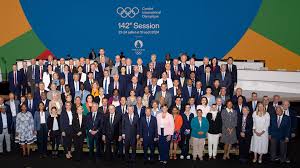
The IOC members are representatives of the IOC in their respective countries, and not their country’s delegate within the IOC.
As stated in the Olympic Charter: “Members of the IOC represent and promote the interests of the IOC and of the Olympic Movement in their countries and in the organisations of the Olympic Movement in which they serve”.
History beckons for Kirtsy
FOR more than six months, Kirsty Coventry has upscaled her campaign to conquer the world and make history by becoming the next International Olympic Committee president.
Today, the Minister of Sport, Recreation, Arts and Culture and Africa’s most decorated Olympian will face six rivals in an election that has held global sport spellbound and is a defining moment in the history of the IOC.
All seven candidates have been hard at working on their bids to win today’s election in Greece and secure the coveted IOC presidency.
The position is so highly guarded that only nine people have held the role in the 131-year history of the Movement.
Amid the frenzy and anxiety related to such a big election, Coventry was in a relaxed and yet confident mood ahead of the D-Day.
She told Zimpapers Sports Hub that she was proud to have been accorded the platform to share her vision for the IOC via her manifesto and the interactions that candidates get in the build-up to this kind of election.
“This is an important moment for the Olympic Movement, and I’m proud of the vision I’ve shared with the members,’’ Coventry said.

“I see this as an exciting opportunity. I’ve had great conversations with members, and I believe in what I’m bringing to the table.
“My focus is on the future of sport and ensuring we continue to evolve while staying true to our core principles.”
Coventry, whose manifesto was anchored on the Ubuntu mantra, “I am because of who you are, because of who you all are’’ once again insisted that the IOC poll was not about individuals.
“This election is about shaping the future of the Olympic Movement. It’s not about one person, but about ensuring we have a strong, innovative, and athlete-focused vision for the years ahead. That’s what drives me, and that’s what I’m committed to,’’ added Coventry.
Insider conversations around the IOC polls over the last half year have installed Coventry among the three front-runners to succeed Bach, together with British two-time Olympic gold medallist in track cycling Sebastian Coe and Juan Antonio Samaranch, a Spanish investment banker, sports administrator and son of former IOC president who shares the same name.
Coventry, who won seven Olympic medals in swimming including gold in the 200 metre backstroke at the 2004 Athens and 2008 Beijing Games, is rumoured to be Bach’s choice.
She is the only female candidate and the only one from Africa and will be a history maker if elected as not only the first African to be appointed to the presidency, but also the first woman in the IOC’s history.
The 41-year-old would also become the youngest leader in the organisation’s history, as well as the first from outside Europe or North America.
“Female leaders do bring different attributes, lessons learned and soft skills to the table – but I don’t want it to be the only thing that people focus on,” Coventry said in an interview with The Athletic.
“I want to be the best person that people and members see leading our organisation, not a choice just based on gender.”
Coventry wins IOC presidency
Zimpapers Sports Hub
ZIMBABWE’S Sports Minister Kirsty Coventry has made history after she was voted the first woman president of the International Olympic Committee.
Coventry (41) is also the first person to be elected to the post from Africa in the organisation’s 130 years of existence. She beat six other candidates in the elections during the IOC’s 144th summit held in Greece on Thursday afternoon.
She succeeded Thomas Bach, who was earlier on named honourary president of the IOC.
IOC outgoing president Thomas Bach announces Kirsty Coventry’s victory.
Source: IOC