

 Online Reporter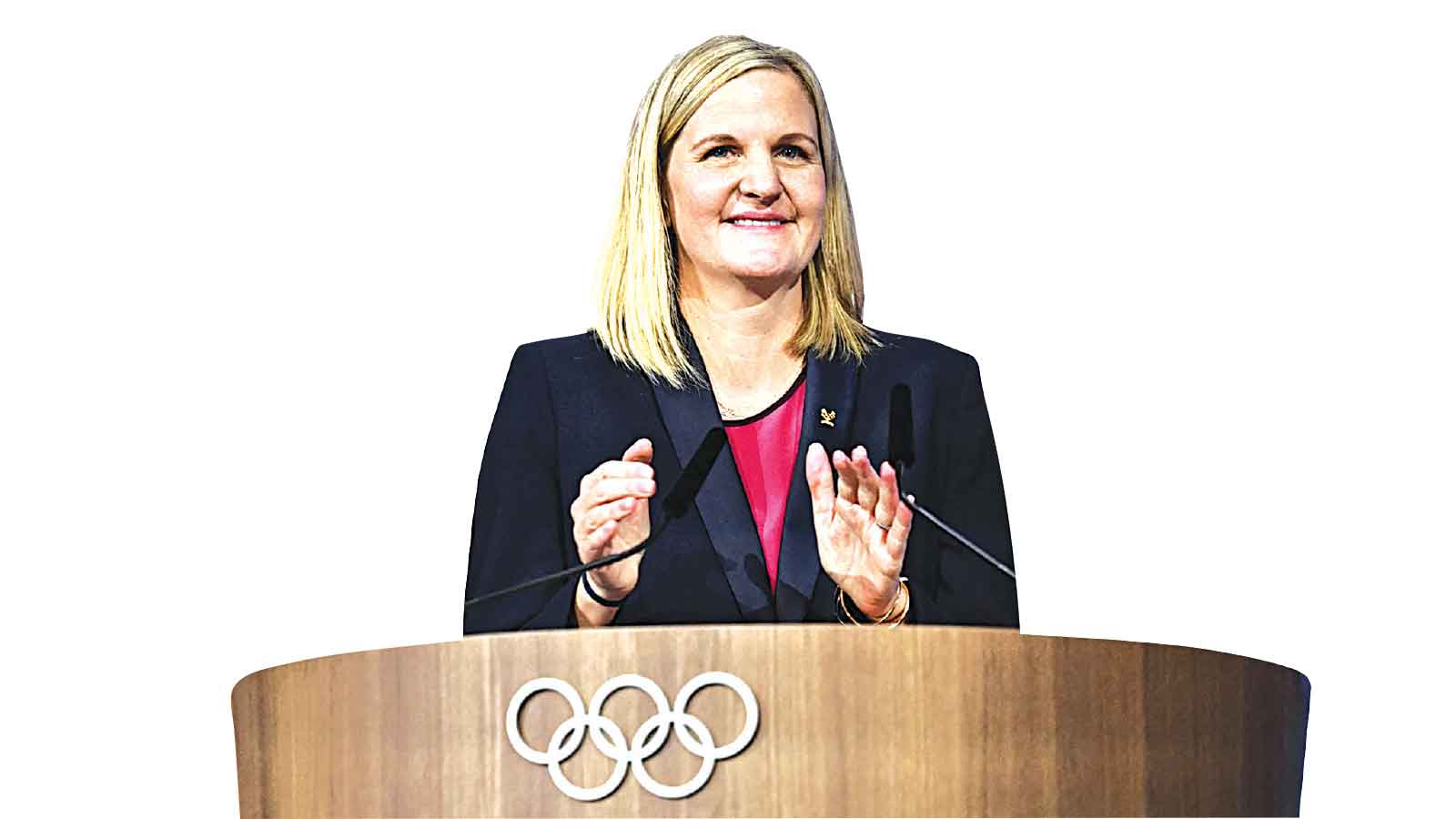
THE International Olympic Committee, through their president Kirsty Coventry, presented their annual Olympic Solidarity and NOC Services report on Wednesday, marked by a record €570m budget and a strong focus on Africa, refugees, governance, youth development and artificial intelligence.
The IOC used the publication of the Olympic Solidarity and NOC Services annual report 2025 to send a clear message about the direction Olympism intends to take in the new cycle towards Los Angeles 2028 and Dakar 2026: — greater investment, institutional modernisation and an increasingly visible commitment to global development through sport.
The document describes 2025 as “a year of innovation, many firsts and continuity”, at the beginning of a new Olympic quadrennial accompanied by a record budget of $650m (€570m) for the Olympic Solidarity 2025-2028 plan, an increase of 10 percent compared to the previous cycle. Most of those resources will be directed towards direct support for athletes and development programmes.
Among the main milestones the IOC identifies within 2025 is the election of Coventry as president of the organisation, becoming the first woman and the first African person to lead the institution. The report also highlights her journey as a double Olympic champion and former beneficiary of Olympic Solidarity programmes.
Coventry recalled the impact that support had on her own sporting career, “Sport changed my life, and Olympic Solidarity played a real part in that journey, opening doors that shaped who I am today, both in and beyond sport.” The Zimbabwean official added, “Olympic Solidarity is about creating opportunities and bringing us closer to a more level playing field. That is something I care deeply about: making sure every athlete, wherever they come from, has the chance to succeed.”
The report also reveals a period of profound renewal within the Olympic ecosystem. More than one third of NOCs held elections during 2025, with 38 new presidents and 43 secretaries general elected or appointed.
At the same time, the IOC strengthened programmes focused on education, governance and athletes’ professional transition.
Among them is the Athlete Career Transition Course in Sport Ethics and Integrity, developed together with KU Leuven University in Belgium for athletes interested in ethics, integrity and sports administration, even without previously holding a university degree. The report also shows how Dakar 2026 has transformed into one of the major strategic pillars of Olympism for this new cycle.
The Youth Olympic Games, which will return from October 31, 2026, after an eight-year wait since Buenos Aires 2018, appear at the centre of a major expansion of investment aimed at youth and sports development in Africa. — insidethegames.biz



