Online Reporter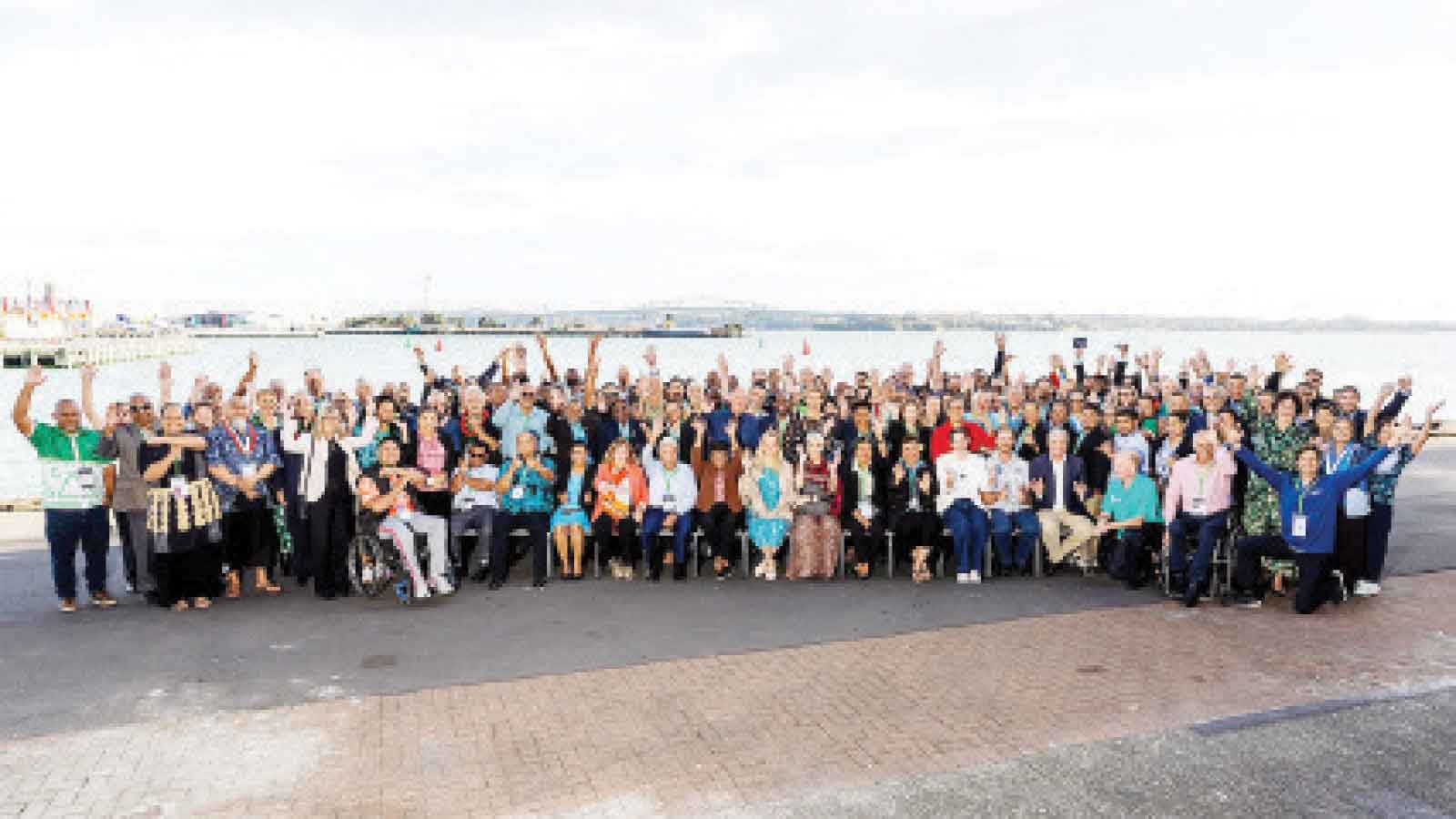
AUCKLAND. — International Olympic Committee boss Kirsty Coventry is holding firm on her refusal to allow athletes to be paid at the Olympic Games.
Coventry has been in New Zealand last week enjoying local hospitality and culture, and meeting with various Olympic officials from around the Pacific.
A big focus of Coventry’s in her first 10 months as IOC president has been making the Games “Fit For Future”.
“We needed to just pause for a little bit and really reflect and better understand and take stock of where we are now, the things that we have, the things that we’re doing.
“And then figure it out, is it still relevant? Are those the same things that we need to do? How do we evolve?”
Where they won’t be evolving though is athlete payments.
The current model for Olympians sees them financed by a combination of national sporting organisations (often through taxpayer funding), sponsorship and self-funding.
However, once they get there, they don’t receive any payment for participation at the Olympics, or for winning.
“I don’t believe in paying athletes” Coventry told Sport Nation.
“I come from a small country (Zimbabwe), I came from a sport (swimming) that doesn’t necessarily pay athletes very well and I still don’t think we should be paying athletes at the Olympic Games.”
Research has shown that of the approximate US$1.5 billion brought in by the IOC per Olympic Games, only 0.5 percent goes back to the athletes, either through their National Olympic Committees or through Olympic Solidarity.
World Athletics became the first governing body to offer prize money to Olympic champions, when gold medalists received about US$$50,000 at the Paris Games.
Coventry does believe though that the IOC needs “to find more ways to directly impact athletes and find ways to help them on their journey to becoming Olympians and while they’re Olympians.”
Among those ways are helping with talent identification and career transitions.“I was an Olympic solidarity scholarship holder without that money. I’m not sure I would have been as successful, and so I’m so grateful for that.”
Among further financial criticisms the IOC’s faced is a lack of athlete compensation when their name, image and likeness (NIL) are used.
Essentially, the IOC can use athletes’ NIL to promote or celebrate the Games, but they receive nothing in return.One of the most high-profile examples of changes to the arrangement came in American college sports.Student-athletes had been prohibited from making deals to profit from their fame, meaning they had to forfeit their NIL rights when they signed with schools.
However, in 2021, the NCAA changed the rules to allow them to.
Coventry doesn’t believe the IOC should adopt a similar model.
“Well, they get beautiful venues. They get beautiful villages.
“ They get a beautiful experience. And all of that comes from the money that we raise,” Coventry defended.
Coventry points to how the money goes into the Organising Committee of the Olympic Games (OCOG).
“So again, what I challenge athletes, international federations, that are always asking for more money, National Olympic Committees, the solidarity model is very particular.
“Now, if the entire movement wants us to change, we would have not as many countries, we’d have not many sports, we’d be very particular on what that would look like. I don’t think that’s the Olympic Games and I don’t think the Olympic movement thinks that’s the Olympic Games.”
Coventry took part in a number of speaking engagements during her time in Auckland.
The New Zealand Sport Forum, at Eden Park, gave some of the country’s senior sports leaders the opportunity to ask her questions.
Unsurprisingly, the IOC’s “Fit for the Future” strategic review was one of the hot topics, in particular the IOC’s Olympic Programme Working Group.
Coventry explained the rationale behind the review of the Olympic sports programme:
“The goal of this is not to remove a sport or event or discipline and just leave them high and dry, but I think that, as a Movement, we have to recognise where we are.
“The constraints that we have put on ourselves in the past, for good reason, do not allow us to look at new sports that young people are taking part in. If we want to remain relevant, we have to be able to do that and make changes.”
Coventry also visited the home of High Performance Sport New Zealand— the organisation responsible for leading and investing in elite sport in the country —in Aukland. — sportnation.nz/olympics.com