admin
admin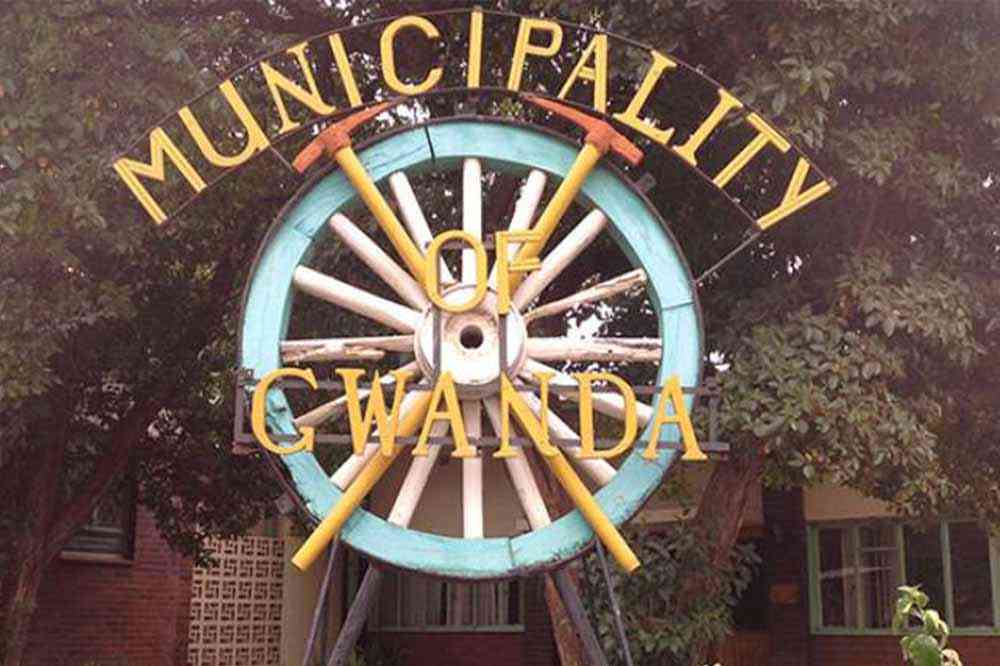
Gwanda, the capital of Matabeleland South province has experienced notable growth and development in recent years.
Traditionally known for its mining activities, particularly gold, Gwanda is increasingly becoming an important urban centre due to a combination of economic, infrastructural, and social factors.
Historical Background
Gwanda was established as a mining town, with gold mining being the primary economic activity. Over time, Gwanda’s strategic location along major transportation routes has also contributed to its development. Factors contributing to Gwanda’s rise are as follows;
Economic Development
Mining Industry: The resurgence in gold mining has significantly boosted Gwanda’s economy. The presence of large mining companies and artisanal miners has led to job creation and increased economic activities.
Agriculture: Gwanda is also known for its cattle ranching and farming activities, contributing to the local economy. Efforts to diversify agriculture, including crop farming and horticulture, are gaining momentum.
Small and Medium Enterprises (SMEs): The growth of SMEs in various sectors, including retail, services, and manufacturing, has been a key driver of economic diversification and employment.
Infrastructure Development
Transport: Gwanda’s location along the Bulawayo-Beitbridge highway has improved accessibility and connectivity. The upgrade and maintenance of road infrastructure have facilitated trade and movement.
Utilities and services: Improvements in water supply, electricity, and telecommunications have enhanced the quality of life and attracted investment. The expansion of mobile networks and internet services has been particularly significant.
Housing and urban planning: The local government has focused on urban planning and the development of residential areas to accommodate the growing population. Efforts to provide affordable housing have been a priority.
Education and Health Services
Educational institutions: The establishment and expansion of educational facilities, including primary and secondary schools, vocational training centres, and tertiary institutions, have been pivotal. Gwanda State University, in particular, has played a crucial role in providing higher education and research opportunities.

Healthcare: The development of healthcare facilities, including hospitals and clinics, has improved access to medical services. Public health initiatives and partnerships with NGOs have enhanced healthcare delivery.
Tourism and Cultural Heritage
Tourist attractions: Gwanda’s scenic landscapes, wildlife, and cultural heritage sites have the potential to attract tourists. Initiatives to promote tourism and develop related infrastructure are underway.
Cultural events: The town hosts various cultural events and festivals that celebrate local traditions and attract visitors, boosting the local economy.
Community and Social Development
Local governance: Effective local governance and community participation have been crucial in addressing challenges and implementing development projects. Collaborative efforts between the government, private sector, and civil society have yielded positive results.
Youth and women empowerment: Programmes aimed at empowering youth and women through education, entrepreneurship, and skills training have been instrumental in fostering inclusive development.
Challenges and future prospects: Despite its progress, Gwanda faces several challenges, including:
Resource management: Sustainable management of natural resources, particularly in the mining sector, is essential to avoid environmental degradation.
Economic diversification: Continued efforts to diversify the economy beyond mining are necessary to ensure long-term stability and growth.
Infrastructure gaps: Addressing remaining infrastructure gaps, especially in rural areas, will be important for balanced development.
Social services: Enhancing the quality and accessibility of social services, including education and healthcare, remains a priority.
The rise of Gwanda town reflects a combination of historical, economic, and social factors that have contributed to its development.
With ongoing efforts to diversify the economy, improve infrastructure, and enhance social services, Gwanda has the potential to become a significant urban centre in Zimbabwe, fostering sustainable growth and improving the quality of life for its residents.
(AI Generated)



 derick.khumalo