Patrick Chitumba, [email protected]
KWEKWE Polytechnic has secured two pieces of land in Gokwe South for the construction of a permanent campus and an innovation hub, in a development expected to position the area as a centre of rural industrialisation through technical skills training, innovation and value addition.
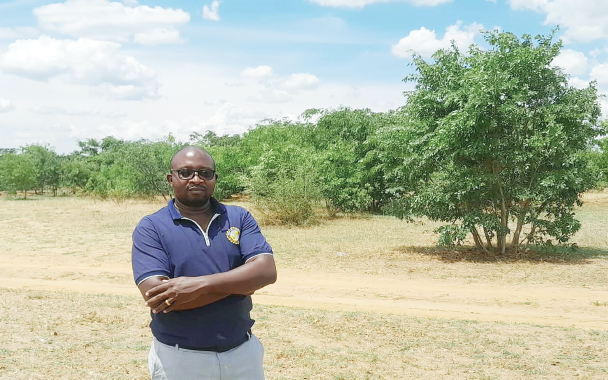
Kwekwe Polytechnic media and publicity officer, Mr Bruno Shora, confirmed the development in an interview.
“The project is expected to bring technical and vocational education closer to rural communities, equipping people with practical skills to transform locally available resources into finished products, businesses and employment opportunities,” he said.
The institution, Mr Shora said, has already established a satellite campus operating from rented premises as preparations for the development of the permanent facility gather momentum.
Mr Shora said the institution conducted market and needs assessments in Gokwe South, Gokwe North and surrounding communities before establishing the satellite campus.
“The assessments established a demand for technical and vocational training, prompting the institution to extend its services to Gokwe,” he said.
Mr Shora said preliminary processes for the permanent campus, including the development of a master plan and soil tests, had been undertaken, although a construction timeline was yet to be determined.
“The master plan is already in place for the main campus and it was probably done by Public Works. They also did some soil tests. I might not be privy to the results but all I know is that the groundwork has been done,” he said.
Mr Shora said the innovation hub would focus on developing practical solutions to challenges in communities while promoting value addition to locally available resources.
He said masawu processing has been identified as one of the areas with potential and after community engagements, a machine that peels the fruit and separates it from the seed has been produced.
“The innovation hub would provide an opportunity to undertake further research and develop products from the fruit thereby opening up oppportunities for local entrepreneurs,” said Mr Shora.
He said the campus and the innovation hub will be the epicentre of rural industrialisation in Gokwe.
Mr Shora said the institution would also help people who acquired practical experience in different trades but lack formal qualifications to obtain certification, particularly in areas such as building and motor mechanics.
Meanwhile, Gokwe Campus coordinator, Ms Susan Gurajena, said the satellite campus, which started operating on 3 August this year, initially offered apprenticeship programmes before enrolling students for National Certificate courses.
“The campus started with 38 students and is offering eight National Certificate programmes across commerce, engineering and applied sciences,” she said.
Ms Gurajena said additional programmes to be offered include accountancy, purchasing and supply, records and information management, information technology, motor mechanics, auto electrics, building technology, plumbing and drain laying.
“Preparations are underway for the December apprenticeship programme, which will run from December 7 to 19, while enquiries and registration for the 2027 intake are ongoing,” she said.
Ms Gurajena said the satellite campus was established to address challenges faced by prospective students in Gokwe South who previously had to travel to Kwekwe for training, incurring transport and accommodation costs.
Kwekwe Polytechnic’s main campus has hostel accommodation for about 300 students against an enrolment of more than 4 000, making access to accommodation another challenge for students from outside Kwekwe.
Ms Gurajena said students enrolled at the Gokwe satellite campus travel to the main campus in Kwekwe weekly for workshop practicals because the satellite facility does not have workshops.
She said the institution was, however, encouraged by the response from the community, particularly the growing interest in technical programmes among women.
Ms Gurajena said technical programmes such plumbing and building technology used to be dominated by men but more women are now taking these trades.
The establishment of the permanent campus and innovation hub is expected to strengthen access to technical education while creating a platform for rural communities to participate in production, innovation and value addition.