Sikhumbuzo Moyo, [email protected]
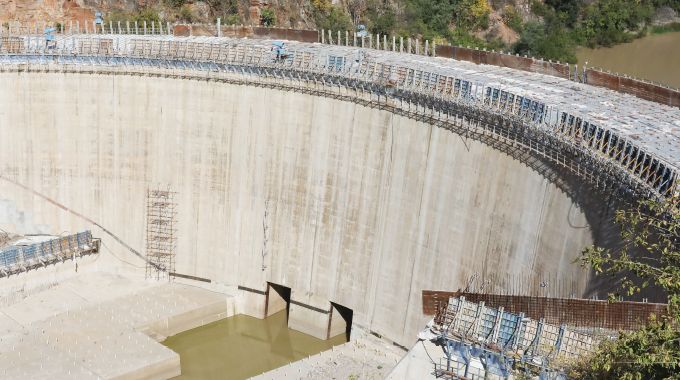
THE completion of the Lake Gwayi-Shangani dam is now within sight following the attainment of a 75 per cent construction milestone, a development set to revolutionise water security in Matabeleland North and Bulawayo.
Under the Second Republic’s accelerated infrastructure programme, the project remains on track for its 2026 commissioning, promising to end decades of perennial water shortages.
A key component of the National Matabeleland Zambezi Water Project — long viewed as the lasting solution to Bulawayo’s water shortages — Lake Gwayi-Shangani will become Zimbabwe’s third largest inland water body after Tugwi-Mukosi and Mutirikwi, both in Masvingo.
Aligned to Vision 2030 targets and the principle of “leaving no one and no place behind”, the project is being financed through the Treasury, with President Mnangagwa directing the release of monthly US$5 million instalments to accelerate construction works.
Once complete, Lake-Gwayi Shangani is expected to unlock wider economic opportunities, including tourism, hydro power generation and irrigation development.
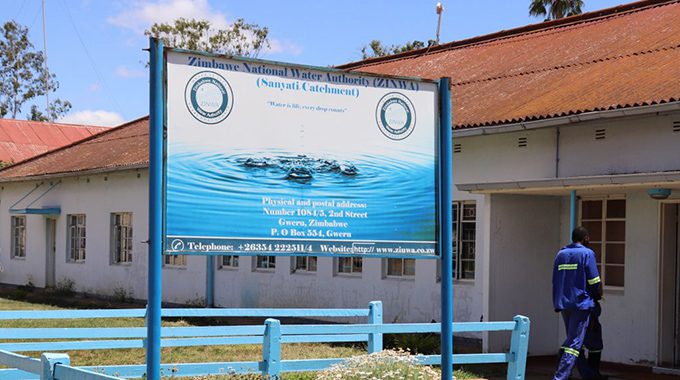
Despite recent rainfall activity slowing down certain aspects of the works, progress continues steadily, with major structures taking shape, according to the Zimbabwe National Water Authority (Zinwa).
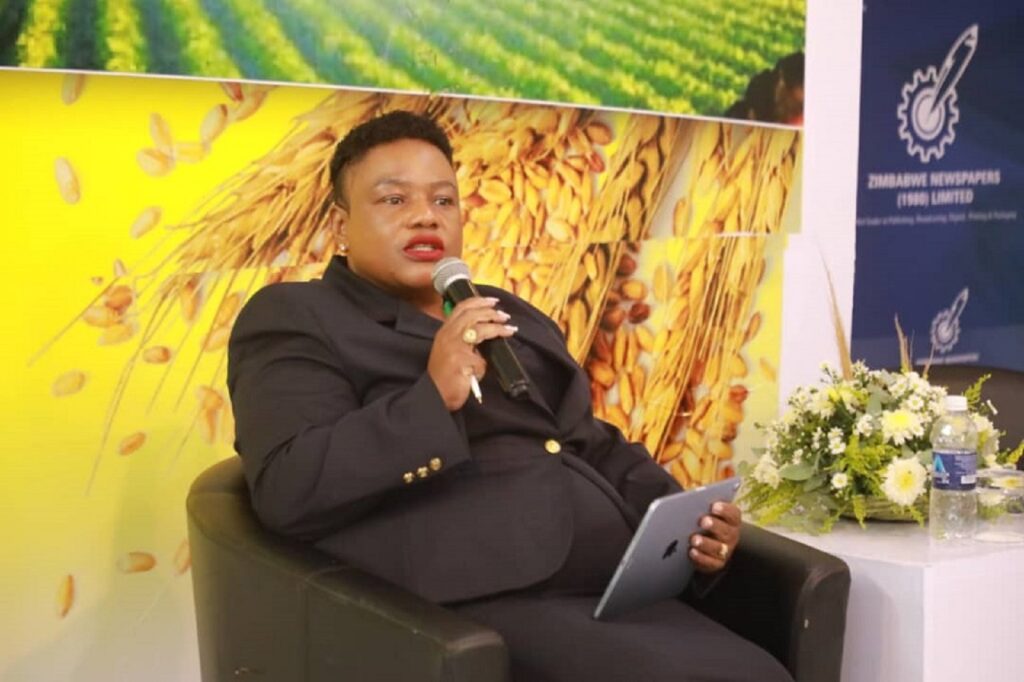
“While rainfall activity slowed down certain components of the construction work, the project remains on course to meet the target and deadline to have the dam completed in 2026. Current activities at the construction site include work on the powerhouse and the pump station,” Zinwa corporate communications manager, Mrs Majorie Munyonga, told Chronicle.
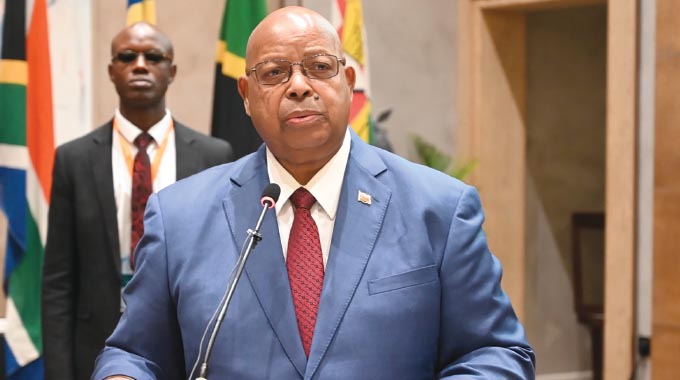
On Saturday, Matabeleland North Minister of State for Provincial Affairs and Devolution, Richard Moyo, told Zanu-PF Politburo and Central Committee members from the province that the monthly US$5 million disbursement had been coming as expected, confirming the Government’s commitment to completing the dam this year.
Addressing Zanu-PF members during a Provincial Coordinating Committee (PCC) extraordinary meeting in Lupane, Minister Moyo, who is also the party’s provincial chairperson, said the latest Treasury support reflected strong national commitment to delivering critical infrastructure.
“We are pleased that His Excellency, the President, in his vision and wisdom, has directed that US$5 million be allocated monthly towards the completion of the Gwayi-Shangani Dam. This intervention will undoubtedly speed up the project and transform Matabeleland North into a green belt,” said Cde Moyo.

The meeting was attended by Zanu-PF Secretary General, Advocate Jacob Mudenda, who urged party leadership to take a proactive role in monitoring development projects.
Advocate Mudenda said party structures must ensure that Government programmes are efficiently implemented and deliver tangible benefits to communities.
“You must and should ensure that all Government projects are progressing well. It is your duty to make sure these projects are on course because the party supervises Government,” he said.
Once complete, the Gwayi-Shangani Dam will provide a sustainable water supply to Bulawayo and surrounding areas, while enabling large scale irrigation schemes in Matabeleland North.
The project is expected to unlock agricultural potential, create employment and stimulate industrial growth.
It is also the anchor of the long envisioned pipeline that will eventually draw water from the Zambezi River to supply the region, addressing decades long water shortages.
Beyond Lake Gwayi-Shangani, the Government is undertaking several major projects aimed at transforming Matabeleland North into an economic hub. Upgrading the Bulawayo–Victoria Falls highway remains a key priority due to its importance to tourism, trade and regional connectivity. The route links Zimbabwe’s second largest city to the world renowned Victoria Falls and serves as a major domestic and international travel corridor.
The addition of Units 7 and 8 at Hwange Thermal Power Station has significantly boosted national electricity generation, improving supply for industries and households while enhancing energy security.
Steady progress has also been made on the construction of Lupane Provincial Hospital, which will greatly improve access to healthcare services in the province. The project had suffered delays since 2004, before the Second Republic allocated dedicated funding to complete what will be the province’s first referral hospital.
With a population of at least 700 000, Matabeleland North has relied on St Luke’s Hospital, and in some cases referred patients to Bulawayo for treatment.