Online Reporter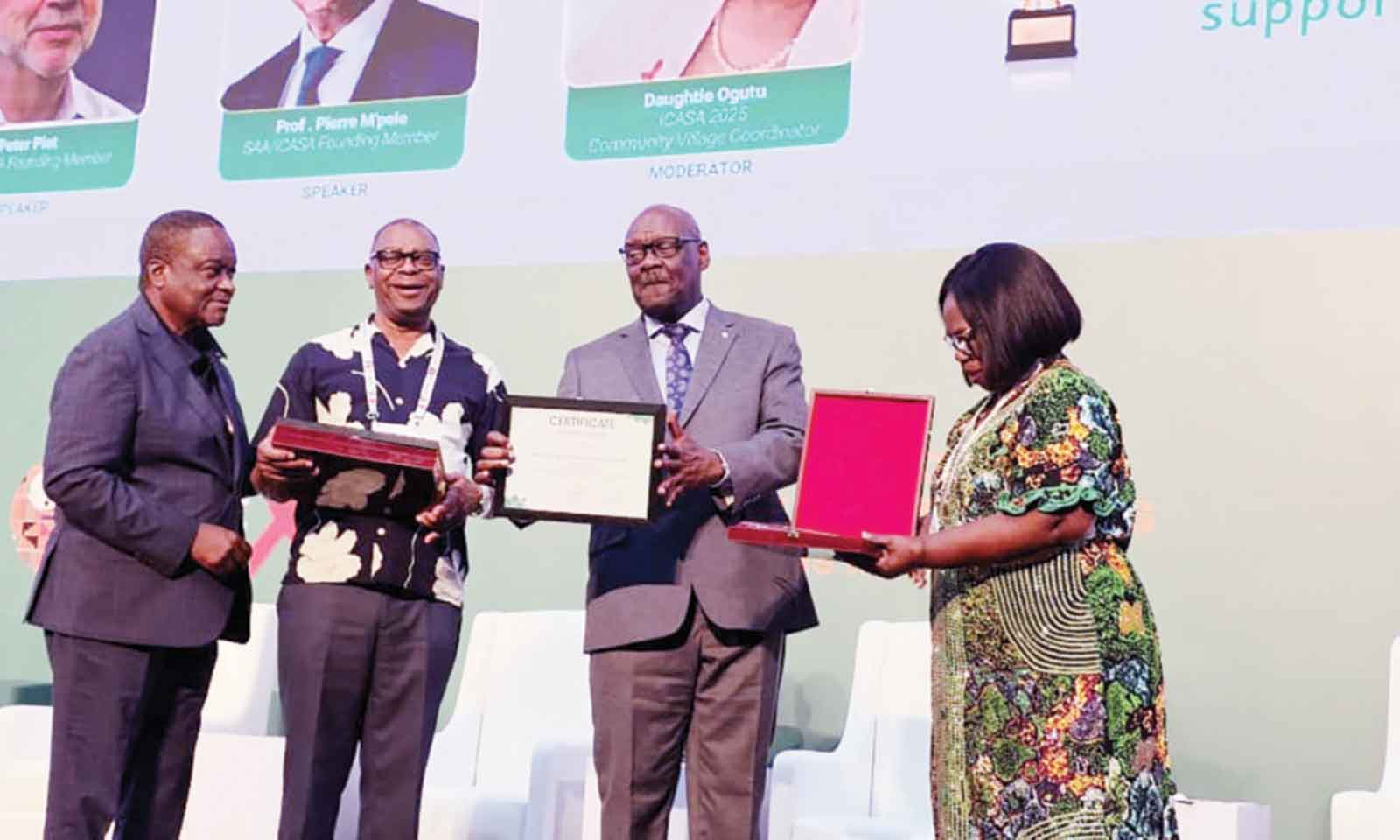
Rumbidzayi Zinyuke in ACCRA, Ghana
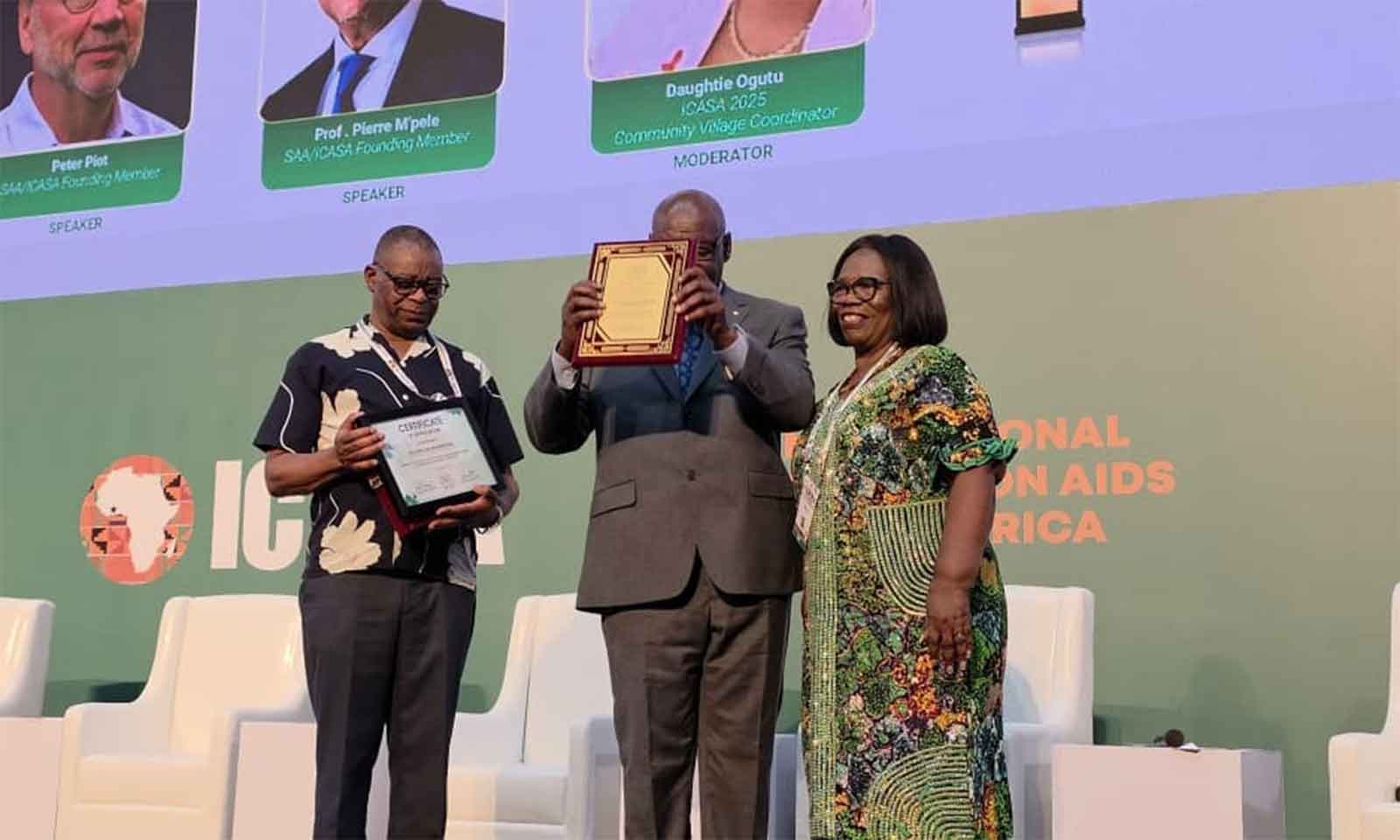
ZIMBABWE’S leadership in the fight against HIV and Aids received continental acclaim yesterday as the country scooped two prestigious awards at the ongoing International Conference on Aids and STIs in Africa (ICASA 2025) in Accra, Ghana.
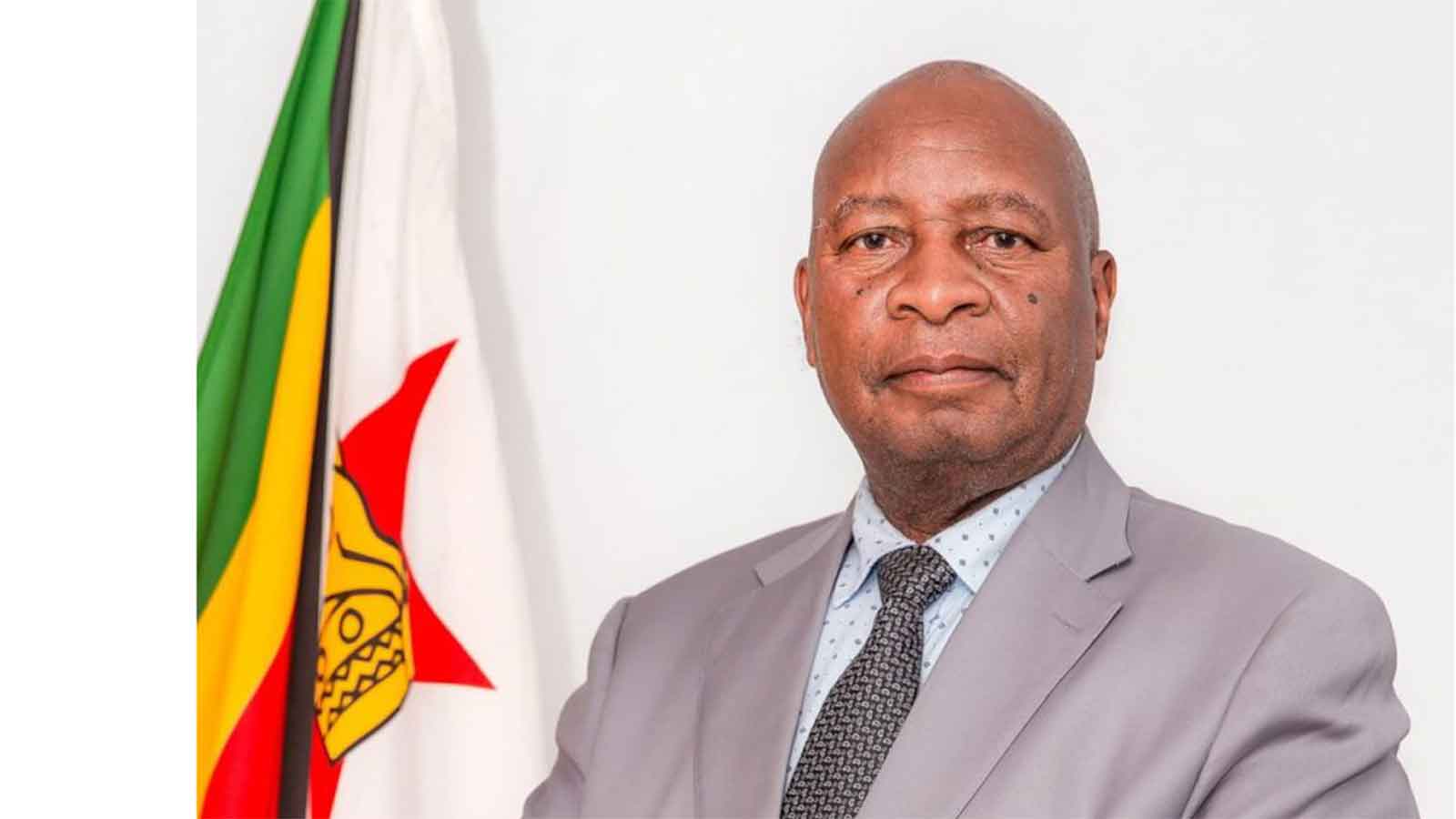
Health and Child Care Minister Dr Douglas Mombeshora was honoured for his outstanding achievements, dedication and commitment to strengthening Zimbabwe’s HIV response.
The award also recognised Zimbabwe’s successful hosting of the last ICASA conference in 2023, which drew thousands of delegates from across Africa and beyond.
Former Health Minister Dr David Parirenyatwa, who is also the current president of the Society for AIDS in Africa (SAA) and ICASA 2025, was similarly recognised for more than 20 years of service to SAA and ICASA.
His longstanding stewardship has been central to advancing the conference’s mandate and elevating Africa’s voice in global HIV discourse.
Speaking after the awards ceremony, Dr Mombeshora said the honour belonged to the people of Zimbabwe and reflected the country’s collective effort.
“It is pleasing that the work we are doing as Zimbabwe is being recognised and appreciated. This couldn’t have been possible without the support at the highest level from His Excellency President Mnangagwa. This is not just an acknowledgement for one person, but for Zimbabwe as a whole because a lot of people came in to support us and make it a success. We want to say thank you to Zimbabwe for coming together and successfully hosting ICASA,” he said.
The recognition has reinforced Zimbabwe’s status as one of the region’s leaders in HIV response, health system strengthening and sustained political commitment to ending AIDS as a public health threat by 2030.
The country has made significant progress in reducing HIV prevalence and improving access to HIV services, particularly for adults.
It has also successfully achieved the 95-95-95 UNAIDS Fast-Track targets for adults, underscoring the country’s ongoing commitment to tackling the HIV epidemic.
These targets mean that 95 percent of people living with HIV know their status, 95 percent of those diagnosed are receiving treatment, and 95 percent of those on treatment have achieved viral load suppression.
In addition, Zimbabwe has also made strides towards eliminating mother-to-child transmission (MTCT) of HIV, syphilis, and hepatitis B by 2030.
The country has won global admiration for developing the one stop model in the fight against HIV that integrates people-centred service delivery.
The integration of family planning services, sexually transmitted infections (STI) testing and treatment, and HIV prevention and treatment at health facilities has made it easier for individuals to access comprehensive care in a single visit.
In the past, Zimbabwe has been recognised with prestigious awards for its successful HIV response, a key component of which is its pioneering National AIDS Trust Fund (AIDS Levy).
The Aids Levy, established in 1999 is a three percent tax on individual and corporate incomes.
A globally recognised model, the AIDS Levy provides a sustainable and locally-driven funding source for the country’s HIV response.
This model has been adopted by several countries across the world.