

 admin
admin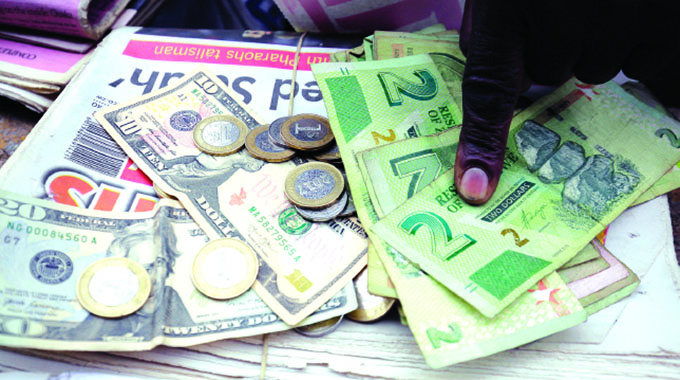
Elias Pacheso
This week I was faced with many questions on the functioning of the foreign currency auction system. I found myself retracing my footsteps to the days we would all want to forget to try and understand where it all began, and found some very revealing and important lessons.
Digging up on literature on the history of the Zimbabwe dollar brings up hundreds of papers on the subject, showing its importance to the functioning of our economy. Where do we start? We will start with the launch of the foreign currency auction system this week, which monetary authorities expect to bring in a modicum of control on the exchange rate and what they call errant behaviour by those chasing the rate.
What is the foreign currency auction system and how does it fit into the Zimbabwean context? Will it work? What does it mean for the ordinary man on the street? How will it benefit me? These are the questions many people have and I will attempt to answer them this week before delving into the history and future of the Zimbabwe dollar.
Put simply the auction system is an attempt to allocate resources based on the rules of supply and demand to bidders in a transparent manner. In its pure form the auction system can be an effective way of ensuring the foreign currency is allocated efficiently through a competitive bidding process.
Zimbabweans are no strangers to a currency auction system. In 2004 the RBZ introduced a system, which lasted for one year and was abandoned in favour of market determined exchange rate shortly after.
The reasons for the abandonment were suspected manipulation and high demand by importers amid dwindling inflows into the system.
In 2005 Monetary authorities opted for controlled devaluation and instituted various controls to contain currency depreciation with limited success. From 2005 onwards the parallel market began to entrench itself and started to evolve into a complex system of foreign currency allocation.
By the year 2007, the parallel market became so entrenched that it was the only place where anyone looking for a way to get foreign currency would turn to. It became a relevant part of the Zimbabwe economy and as cash shortages started to emerge, the parallel market evolved too developing a two tier pricing model for cash transactions and one for electronic transactions.
With the coming in of mobile money as time progressed a third rate for mobile money transactions also evolved further deepening the role of the unofficial system of foreign currency allocation.
All this no doubt entrenched the parallel market system up to today. The introduction of the auction system is meant to undo all this. The auction system to be held every Tuesday began this week and established a rate of $57:1US$. The introduction of this new way of determining the rate following the clampdown on parallel market activities and the introduction of restrictions in the various channels which were being used to exchange money is yet to be tested. Its success will depend on its effectiveness of attracting offers and managing bids in the system.
To manage bids, the RBZ limited applications to between US$50 000 to US$500 000 per bid and introduced a number of rules meant to curb system abuse. The first auction managed to attract bids of USD11m and US$10m was allocated. Anyone watching this, especially importers will be gleefully rubbing their hands and preparing their own bid.
For exporters who are liquidating their export proceeds, income doubled in one week but remains below the rate of inflation and the cost of doing business. It’s no secret that the rate had overshot sane levels owing to the clamp down in recent weeks and the closure of various channels that were being used to trade.
It is fair to say that we are in a fluid state but barely uncharted territory. We have been down this path before where we have adopted the auction system and abandoned it. The last reason was lack of trust in the system and manipulation. My advice to monetary authorities is to stay the course this time and allow market forces to prevail in the formal domain. So much suffering has been borne by the consumer as a result of the uncontrollable exchange rate.
Anticipating the moves of market players and preparing for them is one of the ways in which monetary authorities can prepare for and entrench the auction system. It is no secret that the demand of foreign currency far oustrips its supply and that this is the reason why a significant premium is often paid for good volumes of foreign currency. It is also a fact that there is plenty of foreign currency in the informal sector which will never be attracted into the interbank system unless those who deposit can gain access to it without hassles.
It becomes quite clear that an auction system on its own without the attendant measures to attract deposits, inflows is not enough.
Without enough supply of foreign currency the system will be overwhelmed by the number of bids that will soon hit the system. More importantly the gap between the auction rate and the parallel rate needs to close to insignificant levels in order to help economic players gain confidence in the system.
There should be little incentive for people who require local currency to go to the parallel market.
What can go wrong with the auction system. The biggest weakness of any system is unless it is automated it is subject to human manipulation to suit various interests. This has been the major undoing of many such auction systems, where they have been implemented.
As the RBZ implements this system it must make sure that the system evolves into an independent system of foreign currency trading and only step in to even out the supply and demand dynamics.
If importers of goods and services in the economy successfully access the foreign currency they require then the price levels in the country will stabilize and be more predictable. Downstream benefits of such a system is the responsive earnings for exporters who have been struggling to remain competitive during the time the rate was fixed at unrealistic levels.
When all is said and done Zimbabwe must return back to basics. Grow our own food so that we don’t need to import. Attract foreign direct investment to add value to our raw materials that are exported raw and generate higher value exports.
Limit the leakages of local resources and ensure that we limit the government budget deficits, which often lead to printing of money. Without these measures we will continue to struggle to shore up the value of the Zimbabwe dollar.



 Online Reporter