Online Reporter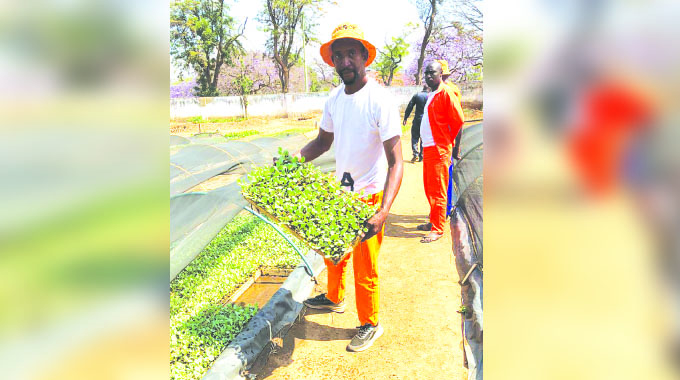
Raymond Jaravaza and Trish Mukwazo, Chronicle Writers
WHEN Dunn Mutizwa (34) was sentenced to three years in Bulawayo Prison for theft, the weight of shame was overwhelming. The most painful moment came during his wife’s first visit — her silent disappointment struck deeper than the sentence itself.
It was on that day that Mutizwa resolved to change the course of his life.
“I vowed that I would not leave these walls the same man who came in. I wanted to learn a skill that could help me start over — something honest,” he told Zimpapers during a tour of Bulawayo Prison’s rehabilitation projects on Tuesday.
Presented with options including carpentry, agriculture, hairdressing, and spray painting, Mutizwa chose agriculture — a field he had never explored.
“I think the idea of planting a seed, nurturing it, and watching it grow until it’s ready for the plate intrigued me,” he said.
Today, Mutizwa is part of a six-member inmate team working in the prison’s seedling production unit, one of the Zimbabwe Prisons and Correctional Services (ZPCS)’s flagship agricultural initiatives. The unit supplies seedlings, cabbages, onions, tomatoes, and carrots to other correctional institutions such as Khami Prison Complex and Anju Farm Prison in Nyamandlovu.
Some of the seedlings are sold to commercial farmers, generating revenue that helps sustain prison operations and reduces reliance on the national budget.
“Before prison, I used to see vendors selling seedlings in town and wondered where they got them. Now I understand the process from start to finish. When I’m released next year, I’ll use this skill to start a backyard seedling business at my parents’ home,” Mutizwa said.
He said that seedlings mature quickly, allowing for continuous production and year-round income generation.
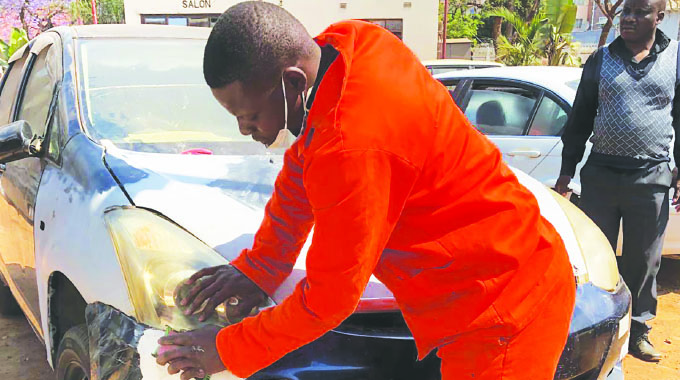
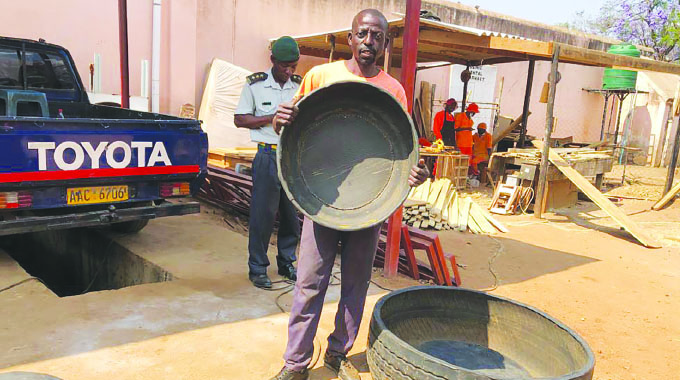
Beyond the prison walls, under the supervision of correctional officers, a group of inmates deemed low flight risks operate a car wash open to the public. Among them is Previous Simankawu (28), serving a one-year sentence for assault after spending five months on remand.
“I didn’t want to waste my time doing nothing. This project keeps me busy, teaches me discipline, and gives me a skill I can use when I’m released,” he said, rinsing soap off a vehicle.
Simankawu said the programme not only keeps inmates productive but also restores dignity and purpose.
“At the end of our time, we get certificates to show that we tried to become better people. I want my family to see that I’ve changed. With their support, I can start my own car wash business when I’m released,” he said.
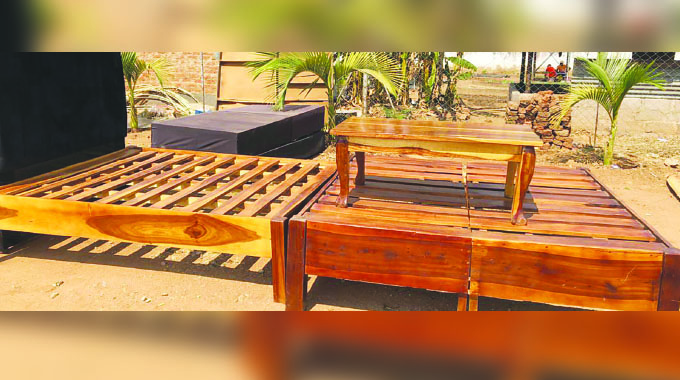
In another section of the prison, the rhythmic sound of hammers and saws fills the air. Here, inmates like Charles Gumpo are mastering carpentry, producing wardrobes, beds, and kitchen cupboards.
“We’ve been given a second chance. I don’t want to be remembered as the man who wronged society, but as someone who rebuilt his life with his own hands,” said Gumpo.
ZPCS Principal Correctional Officer Qhubekani Sithole, who oversees rehabilitation programmes at Bulawayo Prison, said the initiatives are transforming lives and reducing the likelihood of reoffending.
“The projects we run — from seedling production to hairdressing, panel beating, spray painting, and carpentry — were developed with input from experts and the community. Local businesses and individuals also support us by purchasing products made here, which gives inmates real-world exposure and motivation,” he said.
PCO Sithole added that the ZPCS rehabilitation model is founded on the belief that prison time should reform, not merely punish.
“By the time inmates complete their sentences, many leave with marketable skills and a renewed sense of purpose,” he said.