admin
admin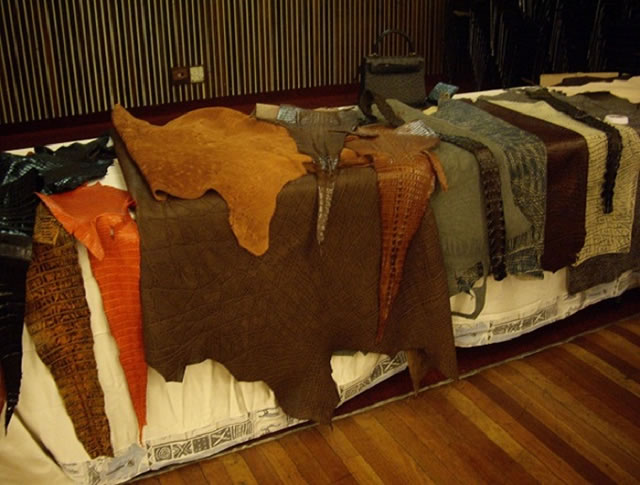
 Senior Business Reporter
LIQUIDITY constraints are the major challenge that continues to weigh down the performance of the leather sector in the country, an official said yesterday.Last year, the Ministry of Industry and Commerce launched the Leather Strategy Sector to address challenges facing the leather industry and make it vibrant and internationally competitive.
“The major stumbling block facing the leather industry is the liquidity crisis. A huge capital injection is required to address operational challenges and replace obsolete equipment that companies in the sector such as tanneries are operating with,” said the Leather and Travel Goods Industry chairman, Nicoh Mpofu, in an interview.
At least $50 million is required to recapitalise the leather industry.
Mpofu said raw hides were no longer a challenge to the sector following the export ban.
In the 2014 national budget, Finance and Economic Development Minister Patrick Chinamasa bannedraw hides exports in order to promote value addition and beneficiation as well as capacitating local tanneries.
Before the ban, raw hides and skins from crocodiles, buffalo, hippo and other wildlife were exported to different markets mainly to Europe where they are sought after in fashion houses.
This resulted in the country losing a lot of economic benefits as the hides were exported in raw form.
In 2011, Zimbabwe exported 5,440 tonnes of raw hides including crocodile skins worth $28 million and the export earnings from wildlife could have earned the country much more than if these were value added.
Following the adoption of a multicurrency system in February 2009, Zimbabwe’s economy has been threatened by the liquidity crunch which has seen the local manufacturing sector failing to increase capacity utilisation to competitive levels.
According to a manufacturing sector survey report released by the Confederation of Zimbabwe Industries towards the end of last year, capacity utilisation was at 39.6 percent against a background of liquidity and power supplies challenges as well as stiff competition from imports, among other fundamentals.
“Due to working capital challenges, capacity utilisation in tanneries is very low,” said Mpofu, adding that raw materials such as chemicals were available on the local market through imports.



 Online Reporter