Online Reporter
TALKING or writing about Highlanders is writing about greatness and legacies far too many to ignore.
Highlanders will turn 100 years next year and the nation is holding its breath to hear what is lined up as part of the celebrations.
Will we get the Highlanders All-Time X1 or selects of specific eras. Truly the club has had some of the best players ever to play the game who have gone to be among some of the best in the land but beyond borders.
As Highlanders FC looks to the future, its legacy and history will undoubtedly continue to shape its identity and inspire future generations of players and fans beyond 2026.
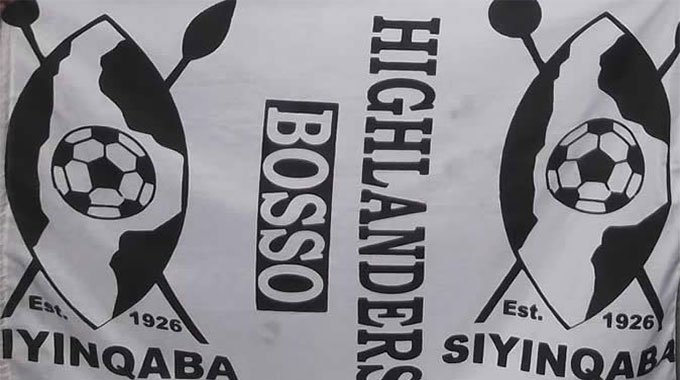
Affectionately known as Bosso or Amahlolanyama or Tshilamoya, the team was founded in 1926 by grandsons of King Lobengula, Rhodes and Albert and to this day the club is steeped deep in rich history and legacy as a remnant of Ndebele royalty.
The club from its inception brought together people of different ethnic groups with a coloured player having been part of the scene as early as 1928 and since then it has had players drawn from all over the world.
Bosso’s legacy extends beyond its on-field successes, with a passionate and dedicated fan base both within Zimbabwe and among the nation’s diaspora, all are waiting for the signal.
Someone has to say something about the 100 years from the club, what is lined up, who will do what and where.
There will, however, be so much to celebrate on the importance of sport to community and how Highlanders has provided employment, entertainment and stayed as a source of hope for some at whatever time.
The road has not been so easy for Bosso but with the support of the community and business world since 1934 when the late Tafi Moyo started supporting financially, it has stayed afloat despite not being a going concern as many of the auditors have said for most of the past 40 years.
Like any institution Highlanders has been rocked by in-house fights some that nearly sunk the club such as the 1963 split that gave birth to Cobras where the club lost some players, followers and officials.
The Olympics one in 1977 in which great players like Ephraim Moloi, the late Stanley Nyika, Itai Chieza, Ananias Dube, Chutika Tembo, Barry Daka, Sebastian Sibanda left Highlanders, was probably the most devastating but a resilient community vowed that they would follow Highlanders to Greenspan Grounds in Mzilikazi and saw the team re-grouping with youngsters and playing at schools and small centres in the South Zone Soccer League.
Many great men some late like Tafi Moyo, Elijah Ngwane, Elijah Mthimkhulu, James Mangwana-Tshuma, Ndumiso Gumede, Ernest Sibanda, Jini Ntuta, Magagula and Mtshena Sidile had turns running Highlanders with a measure of success.
There are some like Themba Ndlela, Kennedy Ndebele, Peter Dube, Jonfat Sibanda and Roger Muhlwa who also had a stint at the helm and achieved what they could under the circumstances.
Will the debate on Highlanders’ Greatest Of All Time come up?
Among some of the big names to play for Highlanders are players like Bruce Grobbelaar who conquered the world with his Liverpool of the 1980s.
Brought from Salisbury Callies in 1974 by the legendary Silas Ndlovu, Grobbelaar rose to being the nation’s best at an early age and moved to Canada in 1979 and joined Liverpool in 1981 replacing Ray Clemence, a legend of the game.
Peter Ndlovu, Marvellous Nakamba and Benjani Mwaruwari are some of the world known figures to have worn the Bosso colours at some stage of their careers and played top division football in England.
Zenzo Moyo, Noel Kaseke, Adam Ndlovu (deceased), Mkhokheli Dube, Joel Luphahla, Madinda Ndlovu, Tito Paketh, Willard Khumalo (deceased), Mercedes Sibanda (deceased), Rahman Gumbo (deceased), Thulani Ncube, Vusa Nyoni, Eddie Mashinya, Methembe Ndlovu, Wayne Albertyn, Thabani Moyo and Honour Gombami played in Europe and the United States of America.
A good number like Ralph Matema, Tapuwa Kapini, Alexander Maseko, Dazzy Kapenya, Thulani Ncube, the late Ronnie Jowa and Richard Choruma starred for South African clubs.
There are other great names Josiah Nxumalo, Jeffrey Mpofu, Nyika, Chieza, Daka, the late Tymon Mabaleka, Majuta Mpofu, Ananias Dube, Edward Dzowa, Edward Dlamini, Robert Donga, Chester Makanda, Gibson Makanda, Tommy Masuku, Cavin Duberley, Boet Van Ays, Martin Kennedy, James Nxumalo whose careers were affected by the country’s isolation from international sport but were good enough even for the South African market.
There will be so much to celebrate for the Highlanders faithful.
Over the years Highlanders has grown into a multi-discipline organisation.
Sporting codes like basketball, table tennis, volleyball, boxing, rugby, netball, darts, karate and hockey have at one time fed provincial and national teams.
But an exciting debate will probably be Generational Best X1s.
For instance the 1970s belonged to Daka, Mabaleka and Tommy Masuku with players like the Makandas, Scholar, Jambok, Mackenzie Sibanda and Edward Dlamini prominent in the 1950s.
Madinda, Khumalo, Sibanda, Peter Nkomo, Tito Paketh, Alexander Maseko, Douglas Mloyi, Fanuel Ncube, Augustine Lunga, Richard Ndlovu, Bigboy Ndlovu, Simon Ncube, Dumisani Nyoni, Tobias Mudyambanje and Tanny Banda made their mark in the 1980s with the 1990s belonging to Methembe Ndlovu, Wayne Albertyn, Sikhumbuzo Ndebele, Johannes Tshuma, Peter Ndlovu the late Adam, Cleopas Dlodlo and Amon Chimbalanga.
The millennium had its own heroes in Zenzo Moyo, Thabani Masawi, Kaseke, Luphahla, Johannes Ngodzo, Blessing Gumiso, Thulani Ncube, Bekithemba Ndlovu, Honour Gombami, Vusa Nyoni, Gilbert Banda, Thubelihle Nkomazana, Matema, Kapini, Chenjarayi Dube, Eddie Dube, Eddie Nyika, Sautso Phiri, Siza Khoza, Gift Lunga (Jnr).
Turning 100 years for Highlanders should be a time of introspection and forward planning as with its fan-base, the club does not deserve to be ever carrying a bowl and even accepting token sponsorships even from competitors.
The brand has stayed under-valued for a while lacking an administration to take it to the next level and let the brand glow.