Online Reporter
Rutendo Nyeve
SOUTHERN African justice officials have been challenged to move beyond bureaucratic legal processes and ensure that regional judicial reforms translate into tangible improvements in the lives of more than 400 million citizens across the region.
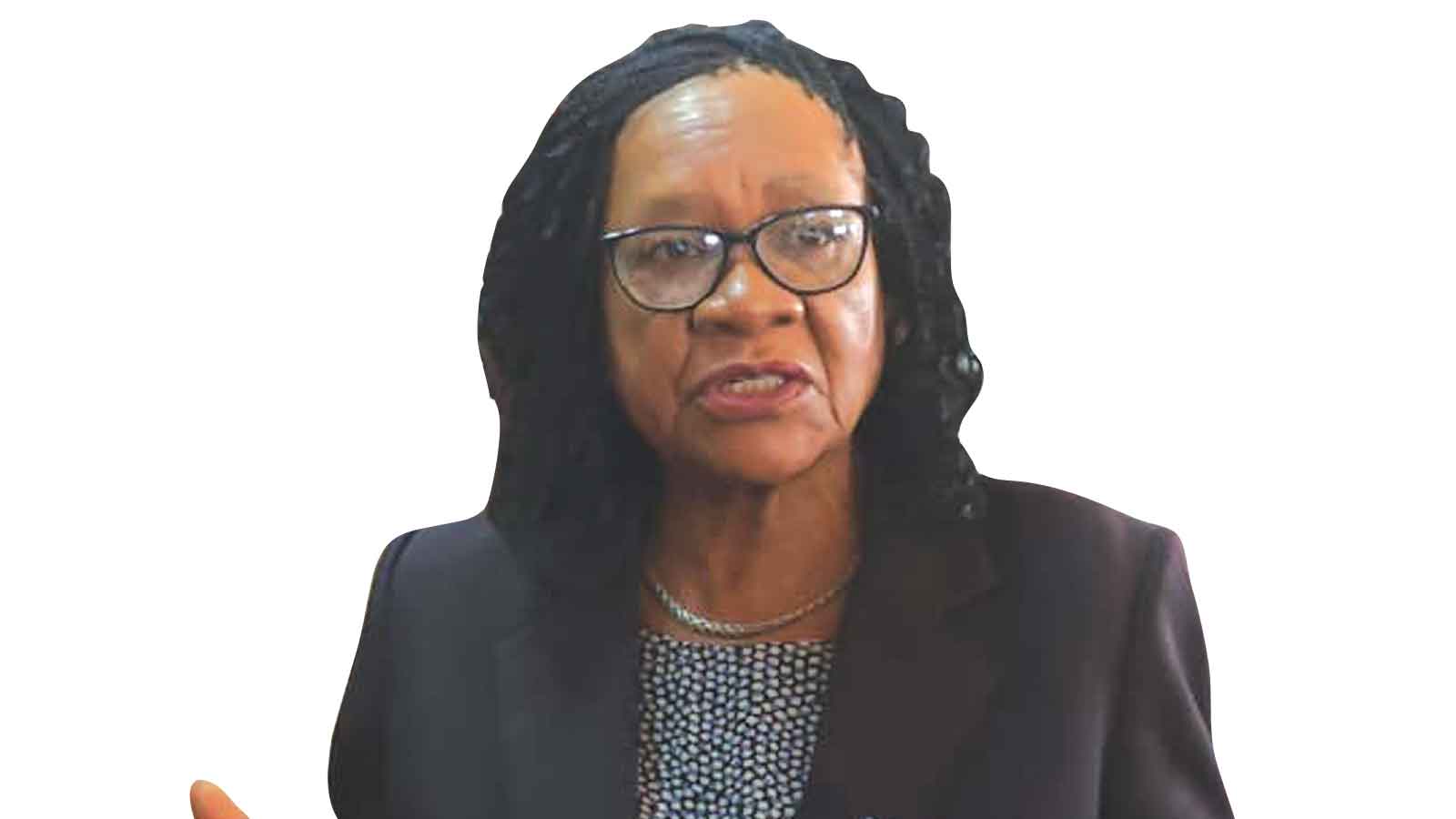
Addressing senior Government officials, legal experts and policymakers from across the region at the opening of the Committee of Ministers of Justice and Attorneys General Senior Officials Meeting in Victoria Falls yesterday, Permanent Secretary in the Ministry of Justice, Legal and Parliamentary Affairs, Mrs Vimbai Nyemba said justice sector reforms should not be viewed as routine technical exercises, but as powerful tools for driving economic growth, good governance and regional integration.
She said the meeting carried immense responsibility as its outcomes would shape the future of regional cooperation and development.
“We are not merely legal practitioners, policymakers or representatives of our respective governments. We meet as custodians of justice, guardians of the rule of law and champions of a regional vision that seeks to improve the lives of over 400 million citizens across Southern Africa,” said Mrs Nyemba.
Mrs Nyemba said decisions taken during the deliberations would influence the effectiveness of institutions, strengthen economic cooperation and determine how future generations experience the benefits of regional integration.
She described the senior officials’ meeting as the critical link between policy formulation and implementation.
“We transform political commitments into workable legal frameworks and regional objectives into actionable programmes. While the ministerial committee will ultimately consider and adopt recommendations, it is here among the technical experts and senior officials of our member states that the substantive work is undertaken. The success of the ministerial meeting begins in this room,” she said.
Mrs Nyemba warned delegates against reducing discussions to technical legal reviews, saying citizens across the region increasingly expect institutions that are responsive, transparent and capable of delivering meaningful outcomes.
“These discussions are not merely technical exercises in legal scrubbing. They are about creating conditions that enable our people to thrive,” she said.
“As public institutions, we are expected to provide not only legal certainty, but also leadership. That expectation places a shared responsibility on us to think boldly, act decisively and cooperate more closely than ever before.”
She said stronger legal cooperation was essential for addressing cross-border challenges such as trade, investment, migration, security and access to justice, while advancing the broader goals of regional integration.
Mrs Nyemba reaffirmed Zimbabwe’s commitment to strengthening regional cooperation through dialogue, mutual respect and consensus-building, saying successful integration must be anchored in strong legal frameworks that respect the sovereignty of member states, while promoting collective progress.
Her remarks resonate with the National Development Strategy 2 (NDS2), which emphasises good governance, efficient institutions and regional economic integration as key drivers of sustainable development.
“The future of Southern Africa will not be shaped by chance. It will be shaped by the decisions we make today, by the institutions we strengthen and by the partnerships we nurture,” said Mrs Nyemba.
She urged delegates to use the meeting as an opportunity to reaffirm their commitment to justice, good governance and regional solidarity and to produce practical recommendations that will benefit ordinary citizens across the region.
“Let us demonstrate that legal cooperation remains one of the most powerful instruments for advancing peace, prosperity and sustainable development,” said Mrs Nyemba.
In a lighter moment, Mrs Nyemba encouraged delegates to take time to visit Mosi-oa-Tunya.
The senior officials’ meeting precedes the full Committee of Ministers of Justice and Attorneys General meeting, which is expected to consider and adopt recommendations emerging from the technical deliberations.