Online Reporter
Peter Matika, Senior Reporter
SPEAKER of Parliament, Advocate Jacob Mudenda, has challenged legislators to move beyond passive roles and become bold and analytical leaders in the country’s budgetary process, likening them to lions who must write their own story by mastering the art of fiscal scrutiny.
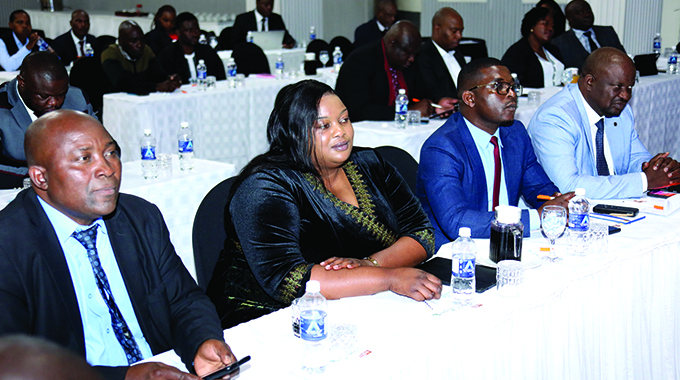
Speaking in Bulawayo on the sidelines of the opening of a two-day capacity-building workshop on budget analysis for parliamentary portfolio committees as the country prepares to transition from National Development Strategy 1 (NDS1) to NDS2, Adv Mudenda said Parliament is not a mere recipient of the national budget, but constitutionally mandated to be the ultimate guardian of the public purse.
“Parliamentarians should be well equipped with tools on how to analyse the budget, by ensuring that certain principles of the budget impact on the livelihoods of the citizenry and MPs must ensure that the citizens benefit from the allocations,” he said.
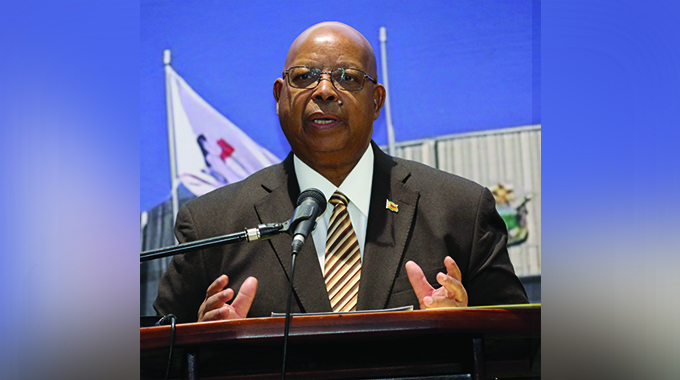
The Speaker said once MPs become competent in budget analysis, they graduate from being captive recipients of budget presentations into diligent watchdogs of public resources.
“It also empowers you to advocate with authority for revenue policies that master adequate fiscal revenues without excessively burdening communities through over taxation,” he said.
In a powerful metaphor, Adv Mudenda said MPs must no longer leave critical analysis of the budget to external actors.
“Until the lion learns to write, every story will glorify the hunter. In the past, budget analysis was done by others while you remained spectators. But today, you begin the process of becoming the lion that writes its own story through mastering rigorous budget analysis,” he said.
Adv Mudenda said the responsibility to scrutinise, question and influence national expenditure is a constitutional mandate, citing Sections 119(3), 29 and 299 of the Constitution as the legal foundation of Parliament’s oversight role.
“The Constitution speaks with crystalline clarity: all institutions and agencies of the State are accountable to Parliament,” he said.
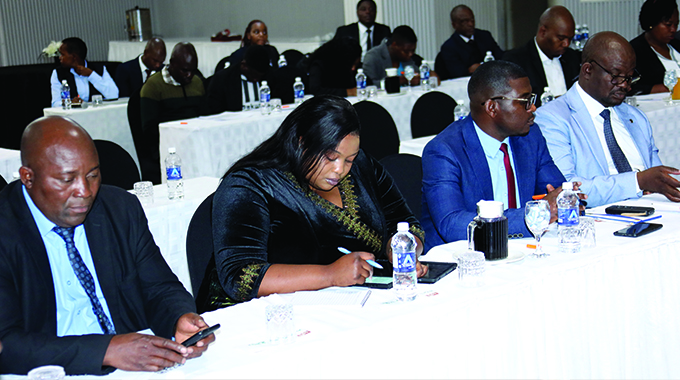
Adv Mudenda stressed that MPs must examine budget allocations through the lens of equity, ensuring that women, children, the poor and people with disabilities are not left behind.
He urged committees to not only understand the Public Finance Management (PFM) framework but also use it to demand value for money from every Government department.
“The days of perfunctory oversight are over. Now begins the era of clinical, evidence-based scrutiny. Your committees are stewards of the public purse. You must identify opportunities for improving the quality and quantity of spending in line with national priorities,” said the Speaker.
Adv Mudenda said MPs must become effective communicators of the budget’s implications to ordinary citizens.
“The budget must reflect the people’s aspirations and promote development in all corners of the country. This expertise must enable you to explain to a mother in Chipinge or a father in Hwange, how the national budget is likely to impact the people’s livelihoods positively,” he said.
The Speaker also called for an informed approach to advocating for development aligned to the Abuja Declaration, which recommends allocating at least 15 percent of national budgets to health.
“With this same clarity, you can engage in informed debates about whether the health vote addresses the challenges people face in accessing quality healthcare, as espoused by the Abuja Declaration,” he said.
The workshop forms part of Parliament’s wider efforts to empower legislators with technical knowledge ahead of the 2025 budget season.
It is particularly timely as the country prepares to implement NDS2, with a focus on industrialisation, devolution and inclusive growth.
“With your sharpened oversight tools, we expect robust debates in the House, not just politicking, but meaningful engagement that leads to better outcomes for Zimbabweans,” said Adv Mudenda.
The workshop ends today.