Rumbidzayi Zinyuke-Senior Reporter
LESOTHO plans to embark on an ambitious digital transformation of its State media as it moves to merge its newspaper, broadcasting and news agency operations into one modern, converged newsroom, taking a leaf from Zimbabwe’s largest integrated media house, Zimpapers.
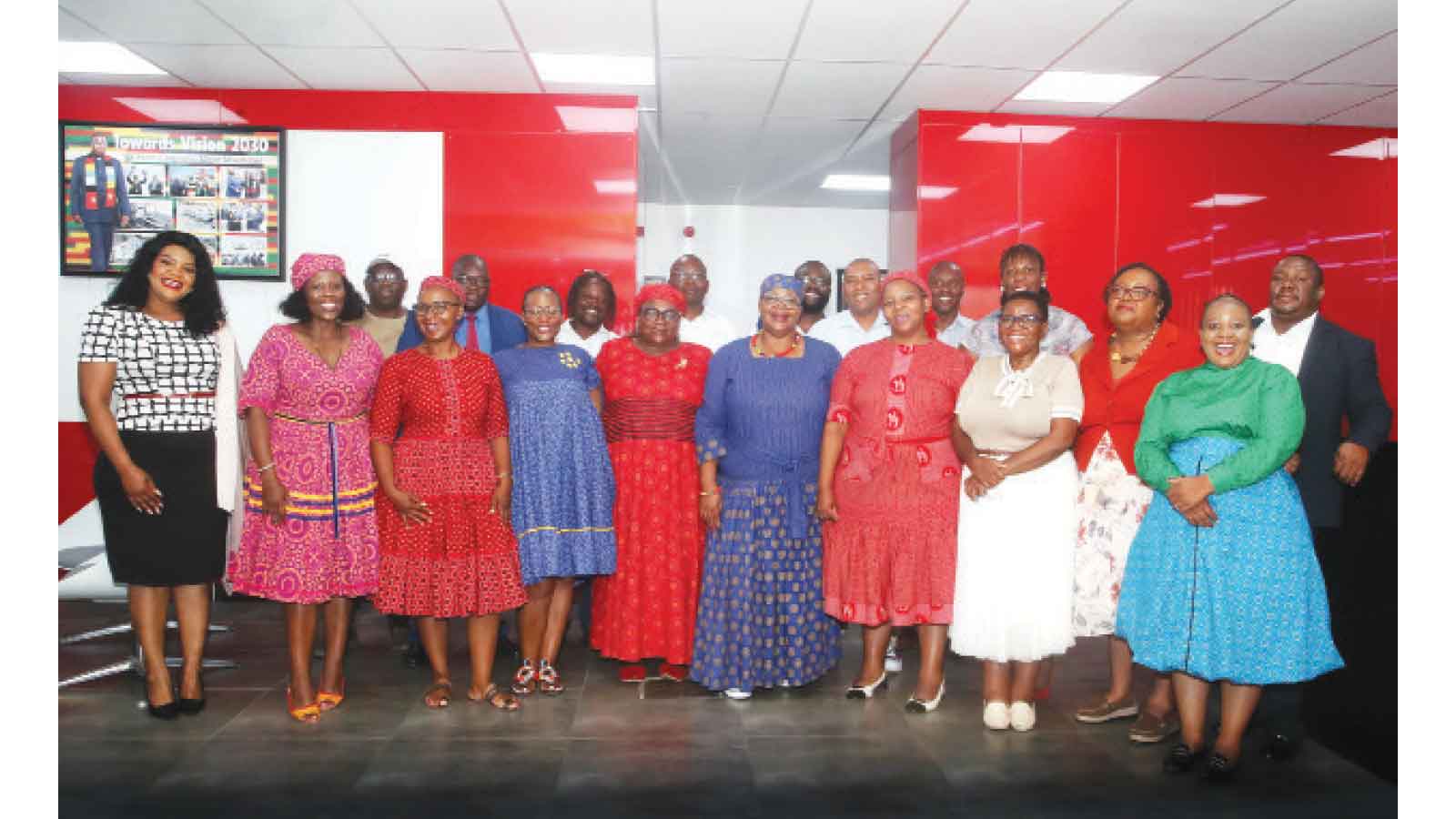
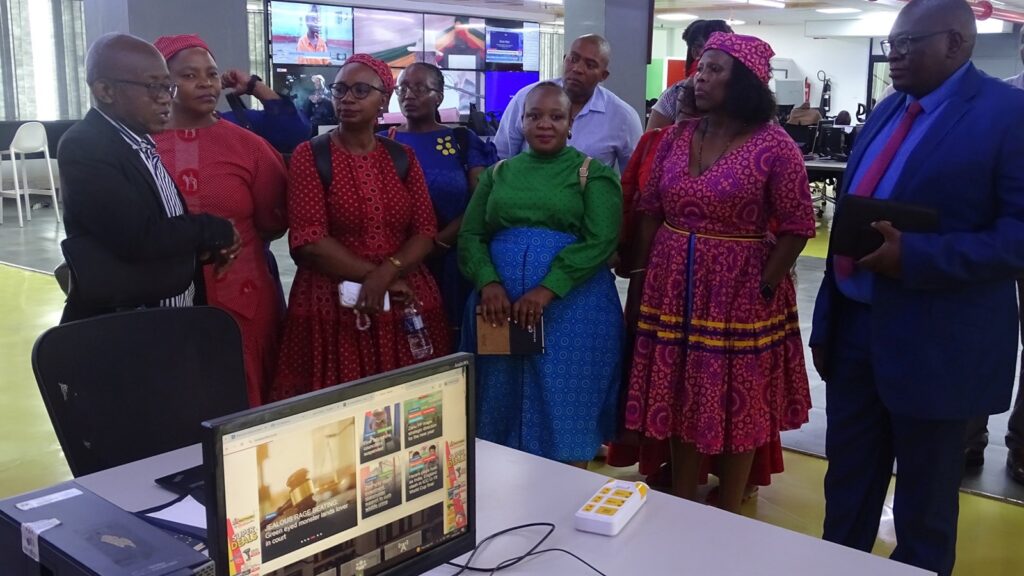
A high-level delegation from Lesotho is in Harare on a study tour of the Zimpapers digital newsroom, where they are benchmarking systems, workflows and management structures that have enabled the media group to successfully adopt a digital-first publishing model.
The visit is expected to shape how Lesotho restructures its national media operations to improve efficiency, speed and audience reach in an increasingly digital news environment.
The team, comprising the director of Information, senior editors, newsroom managers, representatives from the newspaper and the national news agency, as well as the chief economic planner, yesterday held detailed engagements with Zimpapers officials on newsroom integration, technology and content coordination.
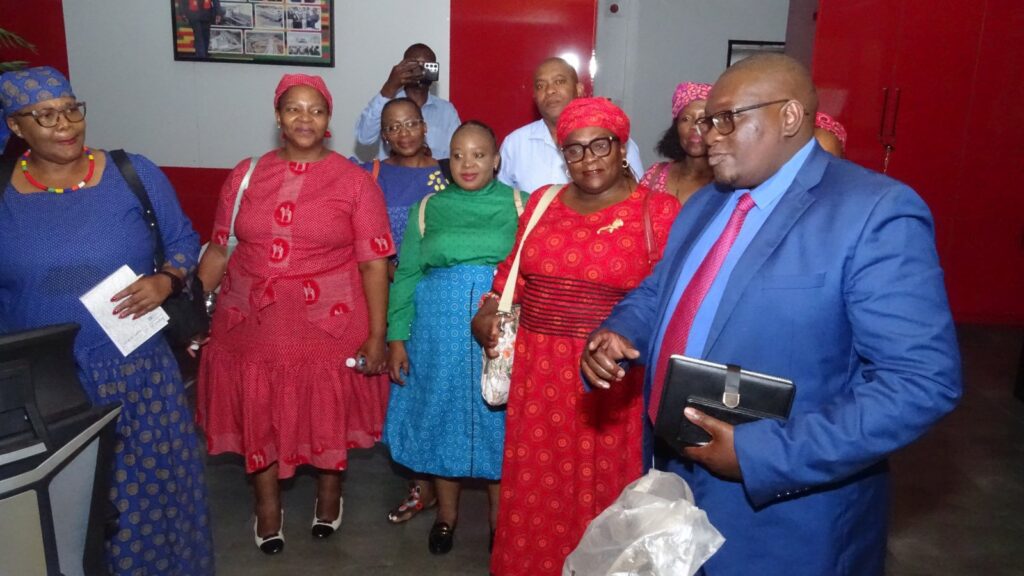
Director-General of the Lesotho National Broadcasting Services, Mrs Thato Nkhahle, said the transformation was a policy directive aimed at breaking down silos that presently separate their media platforms.
“We are in the process of transforming our broadcasting model and one of the assignments we have been given by our minister is to establish a converged newsroom,” she said.
“At the moment we operate three separate newsrooms for the government newspaper, broadcasting services and our news agency.
“We came here specifically on a fact-finding and study tour to understand practically how a converged newsroom works and how we can implement a similar system at home.”
Mrs Nkhahle said the delegation brought together both editorial and planning teams because the shift would require structural investment beyond day-to-day newsroom operations.
“Because this is a major national project, we came with our heads of news, editors and even our chief economic planner.
“It is not just about changing the way we produce stories, but about putting in place the right systems, infrastructure and long-term planning. We want to ensure the model we adopt is sustainable and efficient,” said Mrs Nkhahle.
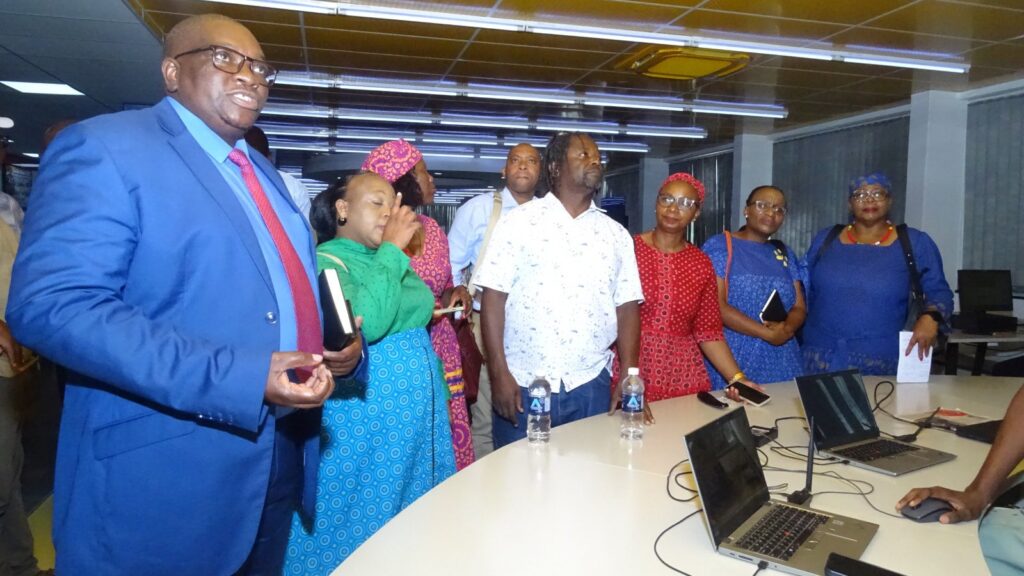
During the tour, the delegation observed how Zimpapers journalists produce stories simultaneously for print, radio, television and online platforms, allowing content to be published in real time and repackaged quickly for different audiences.
They also explored the content management systems and digital tools that support collaboration within the converged newsroom.
Mrs Nkhahle described the experience as insightful and instructive.
“It has been quite an eye-opener for us. When we were researching where to learn from, Zimpapers kept coming up as a strong example in the region, and we have gathered a great deal of practical knowledge here.
“Seeing the set-up makes you realise the importance of skills, coordination and the right structures to make convergence work,” she said.
The visit, added Mrs Nkhahle, has reinforced the need for continuous staff training and stronger management systems.
“We already have reporters and staff across the different departments, but we have learnt that training is critical so that everyone can operate across platforms,” she said.
“We also need proper management and content systems to coordinate our work efficiently. This tour has helped us visualise how we should shape our own newsroom going forward,” she said.
Zimpapers’ digital-first approach has positioned the media group as a regional leader in newsroom integration, combining its established print titles with expanding radio, television and online services to meet changing audience habits.
The Lesotho delegation is expected to use insights from the Harare visit to guide the implementation of reforms aimed at building a faster, more responsive and digitally driven national media system.