Rutendo Gwatidzo-Changing Perspectives
December is fast approaching and before some of us realise it, the year will be over.
There is a quiet moment that I usually experience towards the end of every year and I strongly believe that many others also do. The noise slows down. The targets are either met or missed. The calendar thins out. And in that quiet, a hard question appears:
What am I still carrying that no longer serves me?
Most of us do not struggle because we lack ambition. We struggle because we are carrying too much. Old strategies, titles, relationships, fears or old ways of doing things.
We keep them because they once worked and they feel familiar. We also keep them because letting go feels like failure.
Sad enough, in my experiences, holding on is often more expensive than letting go.
When Success Becomes A Trap!
Look at Kodak. For decades, Kodak was photography. In 1975, it controlled around 90 percent of the film market in America. It employed around 140 000 people. It was a successful company.
Kodak even invented the first digital camera in 1975. But, as years went by, leadership was afraid to let go of film because film was making money. They protected what was working instead of preparing for what was coming. By the time they acted, the market had moved. Kodak filed for bankruptcy in 2012.
Nokia tells a similar story. In 2007, Nokia owned almost half of the global mobile phone market. It was the phone everyone wanted. Then the iPhone arrived. Nokia kept perfecting the keypad phone while the world moved to touchscreens and apps. It did not fail because its people stopped working. It failed because it could not let go of a formula that had made it great.
Blockbuster did the same. In 2000, Netflix offered to sell itself to Blockbuster for 50 million dollars. Blockbuster refused. Ten years later, Blockbuster was gone. Netflix was the future.
These are not stories about failing companies. They are stories about successful companies that could not let go.
Organisational Status!
Similar scenarios happen in organisations today. A company keeps a product that no longer sells because a senior manager built his career on it. A department keeps a manual process because “this is how we have always done it.” A leader keeps a structure that made sense when the company had 20 people, but now it has 200 people and the structure is choking growth.
Leaders know that a system is broken. Staff know that a process is slow and customers know that a service is poor. Yet, everyone continues because changing it would mean admitting the old way is dead.
I have sat in management meetings and boardrooms where the numbers were clear.
Revenue was falling, staff morale was low and customers were leaving. Still, the discussion was not about what to stop doing. It was about how to work harder at what was already failing. What followed was more meetings, reports and pressure. The organisation was not short of effort. It was short of courage to change was no longer worked.
What works?
Healthy organisations do regular audits, not just of finances, but of habits. What meetings should we stop? What product should we retire? What policy is protecting the past instead of building the future? What role exists only because no one has had the courage to remove it?
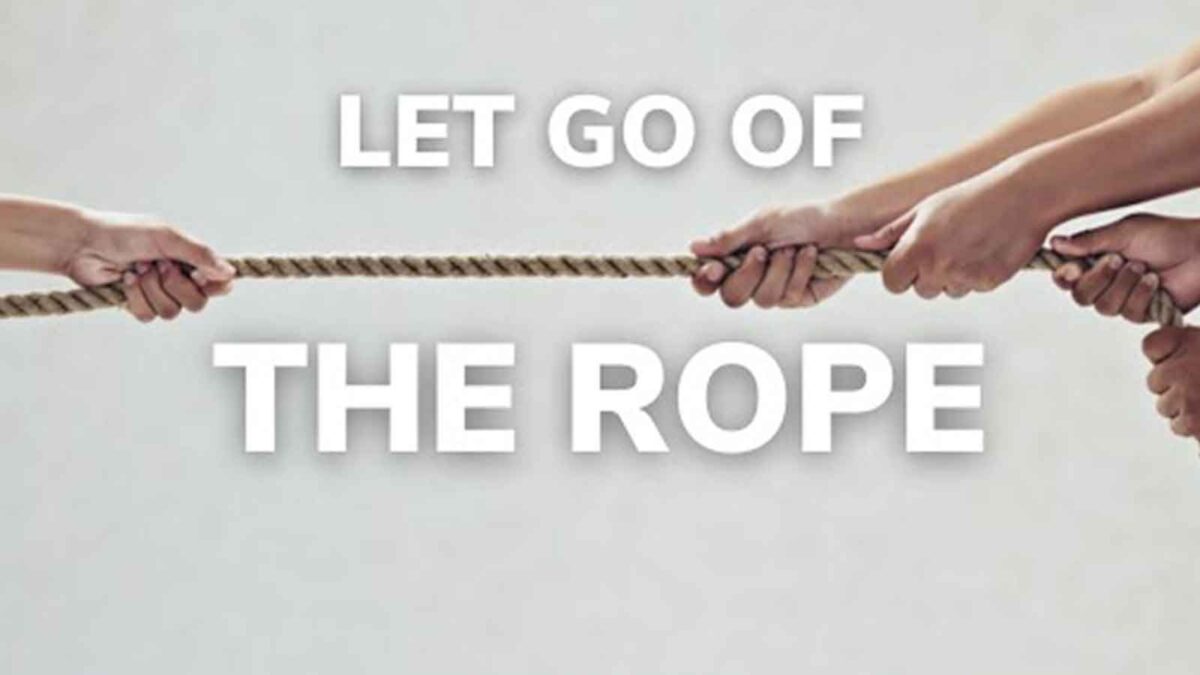
Letting go in is not weakness. It is leadership. Microsoft let go of its obsession with
Windows only and embraced cloud and collaboration. They survived because they were willing to grieve what was and build what could be.
Letting go is not just business, it is life!
In careers, many people stay in jobs that no longer serve them because the title sounds good, or because they have been there for many years. Loyalty to a place that is shrinking you is not loyalty. It is fear.
In relationships, we hold on to friendships and partnerships that drain us because we share history. History is not a contract for the future. If every conversation leaves you smaller, it is time to let go, with respect.
In health, we hold on to routines that no longer serve our bodies. Late nights, constant sugar, no exercise, no rest. We say we will change in January. But January is not a date on the calendar. It is a decision you make today.
In finances, we hold on to spending habits that made sense when income was different.
We hold on to a lifestyle to impress people who are not paying our bills. Letting go does not mean living small. It means living honestly.
How To Let Go Well!
Letting go does not mean forgetting. It means appreciating. Appreciate the job for what it taught you, then leave it. Thank the strategy for what it built, then retire it. Thank the relationship for the season it served, then close it with dignity.
When you let go, don’t just remove but, replace. Nature hates a vacuum. If you stop a bad habit, start a good one. If you close a failing product, open space for a better one. If you leave a draining circle, find a growing one.
Also, do it before you are forced to. Kodak, Nokia and Blockbuster did not choose to let go. The market chose for them. Do it while You still have a choice. That is your advantage.
As this year ends, do not just make a list of what you want to achieve in the new year.
Make a list of what you will stop carrying.
What process will you stop in your company? What meetings will you cancel? What fear will you drop? What relationships will you release? What identity will you outgrow?
You cannot carry everything into the next season. Some things served you well, and their job is done. Let them go.
FOOTNOTE
Rutendo Gwatidzo is a Human Capital Executive as Managing Consultant at The HUB
HR Consultancy. She is a Multi-Award Winning Leader, Transformational Speaker and
Coach. She is also an Author of Born to Fight and Breaking the Silence books. Contact detail – 0714575805/ [email protected] / Rutendo
Gwatidzo_Official fb public page.