Online Reporter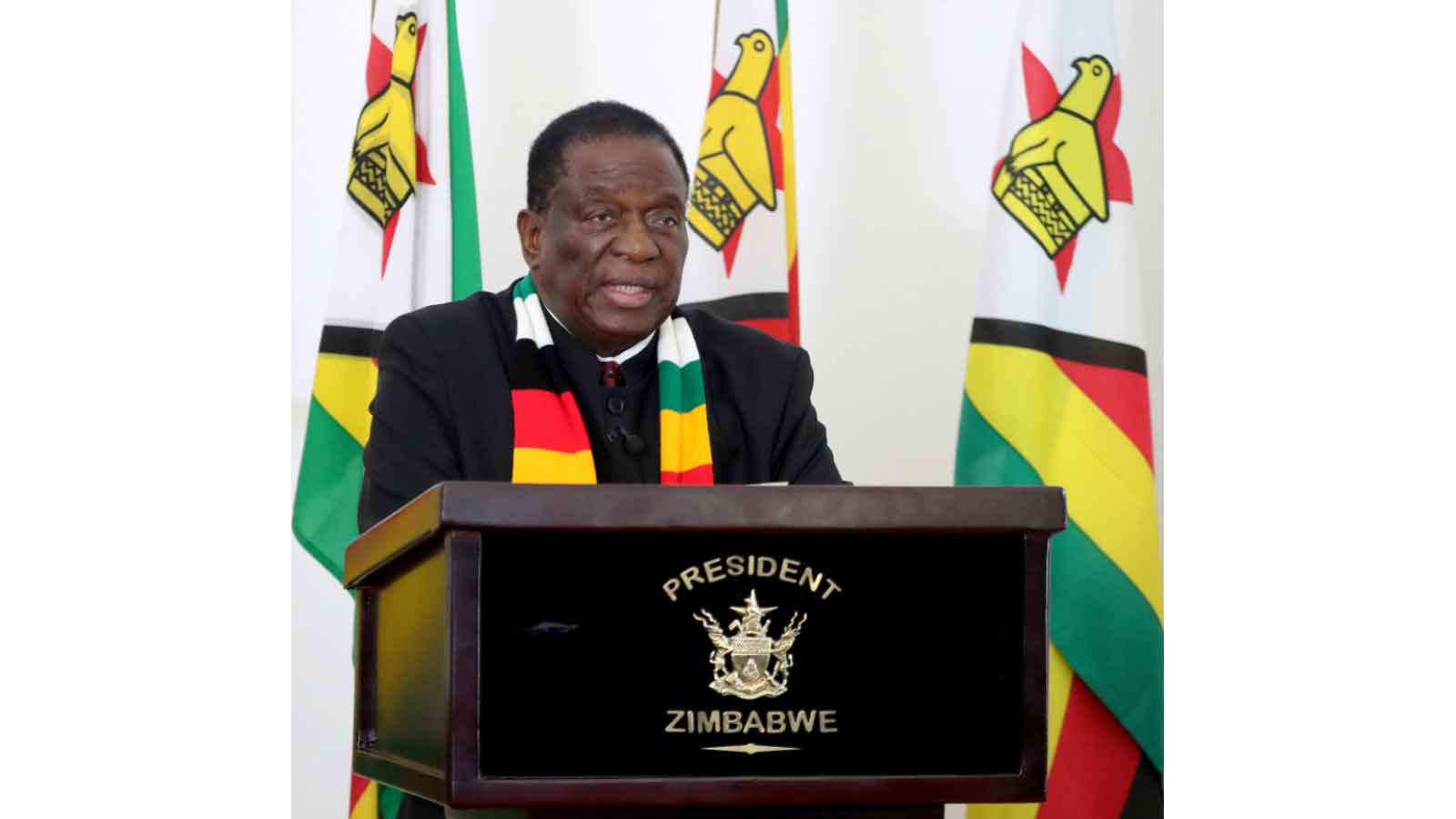
Wallace Ruzvidzo in HARARE and Mashudu Netsianda in VICTORIA FALLS
AS Zimbabwe positions renewable energy at the centre of its industrialisation and development agenda, President Mnangagwa has implored the rest of Africa to move beyond simply expanding solar power generation and accelerate investment that turns its abundant sunlight into industrial capacity, jobs, value addition and broad-based economic transformation.
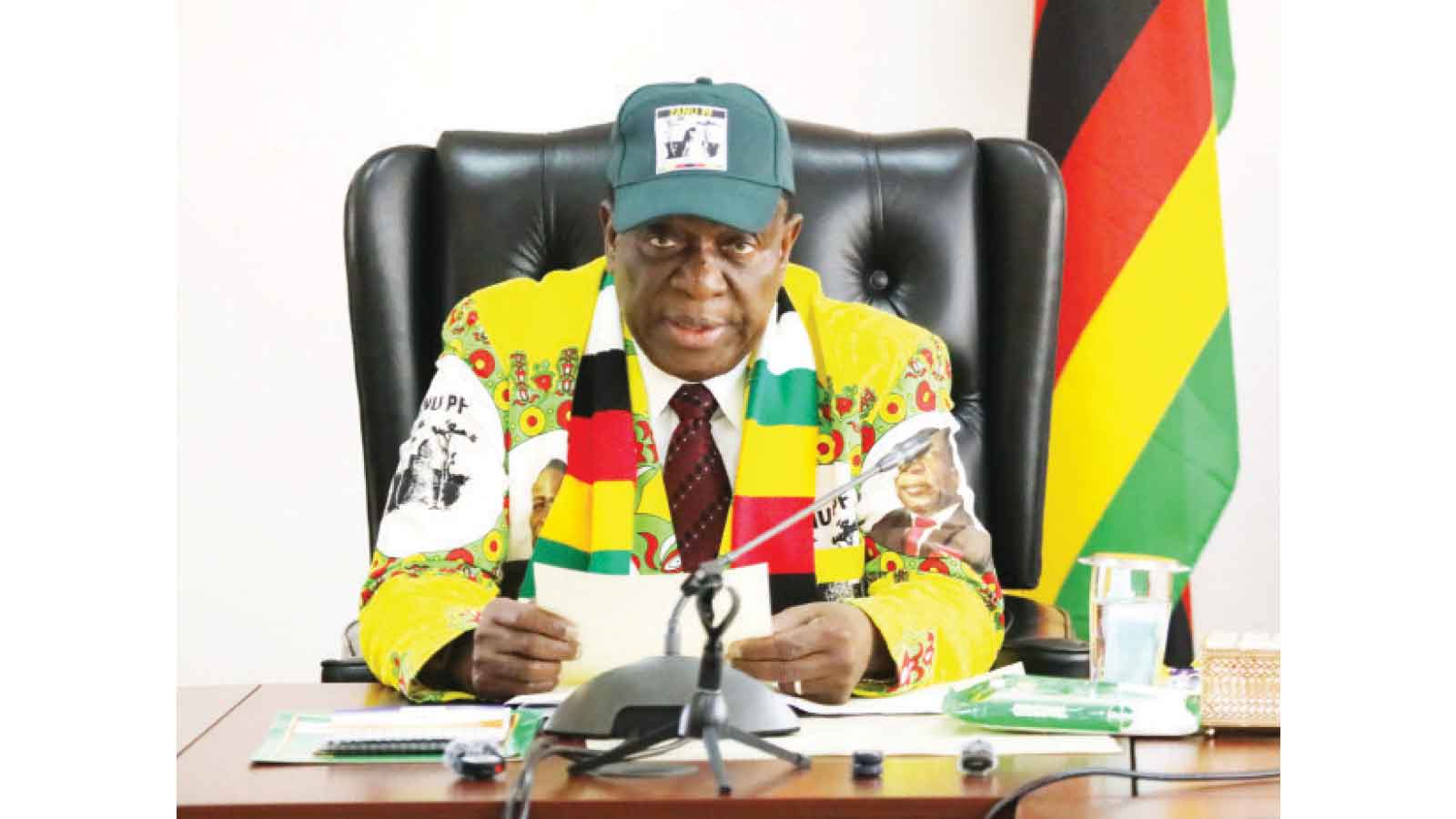
The President made the call in a virtual opening address yesterday as Zimbabwe hosted the 8th Meeting of the International Solar Alliance Regional Committee for Africa in Victoria Falls, where he emphasised that the continent’s rich natural endowments, including solar energy, must be viewed as instruments of economic transformation and prosperity.
President Mnangagwa said Africa was meeting at a critical juncture as global energy systems undergo rapid transformation driven by climate commitments, technological advances and falling clean-energy costs.
“Given its consistent availability, solar energy offers a major opportunity to strengthen energy security and support rapid socio-economic development. The time to convert Africa’s enormous solar potential into projects that deliver measurable development outcomes is now,” said President Mnangagwa.
“I call upon us to deliberately set out sound policies, effective institutions, appropriate technical standards, transparent procurement systems and reliable electricity infrastructure, to realise this objective.”
He stressed the need to anchor Africa’s energy transition on sound policies, effective institutions, appropriate technical standards, transparent procurement systems and reliable electricity infrastructure.
As such, President Mnangagwa challenged the International Solar Alliance to strengthen Africa’s economic integration, share experiences, build capacity, develop projects, promote technologies and mobilise investments.
Generating reliable energy is fundamental to the continent’s development and is central to the objectives of the African Union’s Agenda 2063, said the President, adding that Africa possessed some of the world’s richest natural resources, including abundant solar energy, which should be treated as instruments of economic transformation rather than simply natural endowments.
“Our African continent, which possesses some of the world’s richest resources, must industrialise, modernise and scale up access to essential services,” said President Mnangagwa.
He said the scale of investment required to expand power generation, transmission and distribution as well as establish mini-grids, off-grid systems and energy storage facilities, was too large to be financed by governments alone.
President Mnangagwa called for stronger partnerships between governments, development finance institutions, investors and the private sector to close the continent’s energy financing gap.
“Stronger partnerships among governments, development finance institutions, investors and the private sector must be forged and nurtured,” he said.
President Mnangagwa also urged the ISA to help African countries develop bankable solar projects and connect them with appropriate sources of finance.
He said Zimbabwe was committed to creating an enabling business environment and encouraging innovative financing models to support renewable energy development.
President Mnangagwa said Independent Power Producers and private-sector players in sectors such as mining and manufacturing were increasingly being enabled to develop energy solutions while contributing to the national electricity mix.
Turning to Zimbabwe’s energy strategy, he said renewable energy was an important pillar of national energy security and economic development.
Solar power is already playing a key role in agriculture, particularly through irrigation schemes where solarisation could simultaneously improve energy access, food security, climate resilience and rural household incomes.
The President said village business units, agro-industrial parks and solarised irrigation schemes provided opportunities for the country to share experiences with other African nations and develop solutions that could be replicated across the continent.
He also pointed to the Presidential Solar Programme, which was targeting more than 1,2 million households as part of efforts to accelerate access to electricity, particularly in rural areas.
The programme dovetails with the National Development Strategy 2, which includes expanding renewable energy generation through utility-scale solar projects, mini-grids, solar home systems, solarisation of public institutions and productive-use applications.
Beyond expanding electricity generation, President Mnangagwa stressed the need for Africa to develop local expertise and manufacturing capacity within the solar energy value chain.
He called for greater investment in technical and vocational education to enable African countries to manufacture, adapt, install, operate and maintain solar technologies.
“We all have a responsibility to empower the women and young people of our Continent, as central participants in the ongoing transition as well as entrepreneurs, technicians, engineers, researchers and investors,” said President Mnangagwa.
He challenged African youth and women to participate actively in the emerging solar economy, saying the success of the continent’s energy transition should not be measured solely by the number of megawatts generated.
“Our collective success should not only be measured in megawatts generated and installed, but in empowerment levels, jobs created, enterprises developed, local capabilities and broader trade in the energy solutions,” said President Mnangagwa.
He called for an energy transition that was inclusive and capable of supporting production and productivity across all sectors of the economy.
With this in mind, the President said Africa’s transition to cleaner energy must “leave no one and no place behind”, particularly as countries seek to address poverty, unemployment, food insecurity and the effects of climate change.
He welcomed the proposed Country Partnership Framework between Zimbabwe and the ISA, saying it would provide a platform for deeper cooperation on technical assistance, project preparation, capacity building and investment.
President Mnangagwa also welcomed the establishment of an ISA Country Office in Zimbabwe, saying it was an important step towards strengthening the Alliance’s institutional presence on the continent.
The President said the continent’s engagement with the ISA should ultimately focus on implementation and tangible results.
He identified affordable financing, development of bankable projects, technical and institutional capacity, innovation, local participation in solar value chains, monitoring and accountability as key priorities.
“Overall, our goal should be towards a partnership that is sustainable, practical, responsive and focused on implementation,” President Mnangagwa said.
He also linked renewable energy development to the broader African industrialisation agenda, arguing that the continent must use its natural resources, including critical minerals, to promote value addition and beneficiation.
“Working with unity of purpose, we must ultimately achieve the value addition and beneficiation of our local resources, including critical minerals, while also creating transformative pathways that unlock broad economic and empowerment opportunities for citizens,” President Mnangagwa said.
He said Zimbabwe remained committed to working with the ISA and other African member states to turn the continent’s solar potential into practical development outcomes.
“Africa’s resources remain the solid foundation for energy security and self-sufficiency, as well as industrialisation, modernisation and shared prosperity for all our peoples,” President Mnangagwa said.
Among those who attended the event in Victoria Falls were Energy and Power Development Minister July Moyo, Minister of State for Matabeleland North Provincial Affairs and Devolution Richard Moyo, Indian Ambassador to Zimbabwe Bramha Kumar, ISA director-general Mr Ashish Khanna, ISA Assembly for the African region vice president Mrs Marie May Jeremie, African union Commission’s Commissioner for infrastructure and energy, Ms Lerato Mataboge and various African stakeholders and partners.