admin
admin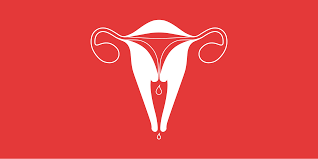
Courtney Munodawafa
IMAGINE that you are on your period and you need to change your spoiled pants or the skirt you have on but you cannot get up from your sit because it is embarrassing?
You either fear people are going to laugh at you or they might find you disgusting.
How many times have you walked into a store and have had to move past the sanitary section more than once just to avoid a male shop assistant who is standing there and might give you a smirk? How frustrating is it to get into a ladies toilet and not find a proper sanitary bin?
Likewise, how disturbing is it to find one that is bursting because it has not been emptied for days and is an eyesore?
These and many other issues are not given attention but often affect most females.
Women struggle when it comes to menstrual issues.
This year’s International Women’s Day ran under the theme “An equal world is an enabled world. #EachForEqual”.
Perhaps before going further we should start by demystifying menstruation through a simple definition.
Menstruation is the process in which the uterus sheds blood and tissue through the vagina once a month, as a normal part of the menstrual cycle.
This is a natural and healthy process for girls and women of reproductive age. In most communities, this is often called “a period”.
It typically lasts between two and five days, but this varies with individuals. In most developing countries, issues related to menstruation are considered a taboo and not to be discussed, especially around men.
Also, in some instances women are considered weak, moody or incapable of movement because they bleed every month. This belief is easily substantiated because both women and men believe this to be true.
How then can we survive in a world that consider biological mechanisms a limitation? Is this line of thinking proper and the right way to raise our communities and girls in particular? There is absolutely no reason for such slants.
We need to embrace our gender differences, bearing in mind that we are God’s creation. The sad thing is unimaginable things are still happening in this era. In some parts of India a girl on her period is made to sleep separately from her family.
The girl is also made to wear the same clothes and use the same utensils until her period is over.
This is because she is considered unclean while menstruating. In Zimbabwe, girls are raised to have pride in becoming a woman. However, they are taught to keep details pertaining to their periods a secret from men as it is considered embarrassing and unheard of.
This leaves one wondering how the same source of pride can again be treated like a contagious disease?
Menstruation is a women’s right that needs not to be infringed just as much as they should have the right to proper sanitation and access to affordable sanitary products.
After all, menstruation is a natural occurrence within the body, just like breathing and eating.
Going forward, menstruation poverty should now become a thing of the past.
Menstruation poverty refers to the inadequate access to menstrual hygiene tools and education, including but not limited to sanitary products, washing facilities and waste management, among other things.
In most African countries, Zimbabwe included, disadvantaged girls in rural areas end up using old pieces of cloth, cow-dung, leaves and herbs that might eventually cause health complications like cancer or fertility problems.
Sanitary pads or tampons are basically expensive in this part of the world.
Even middle-class women at times struggle to purchase them.
As we celebrate the International Women’s Month, let us make sure women are not embarrassed or ashamed of their periods.
Thus they should:
Be able to freely buy pads without fear or embarrassment;
Have access to clean material to absorb or collect menstrual blood;
Access affordable sanitary wear;
Have safe and private places to change and dispose these materials;
Be able to access clean water and soap to wash themselves;
Acquire basic education about the menstrual cycle and how to manage menstruation without discomfort;
Also have access to health information and care if they experience menstruation-related health problems such as cramps; and
Not suffer isolation or alienation because of menstruation.
Let us end menstrual poverty.


 Online Reporter