Online Reporter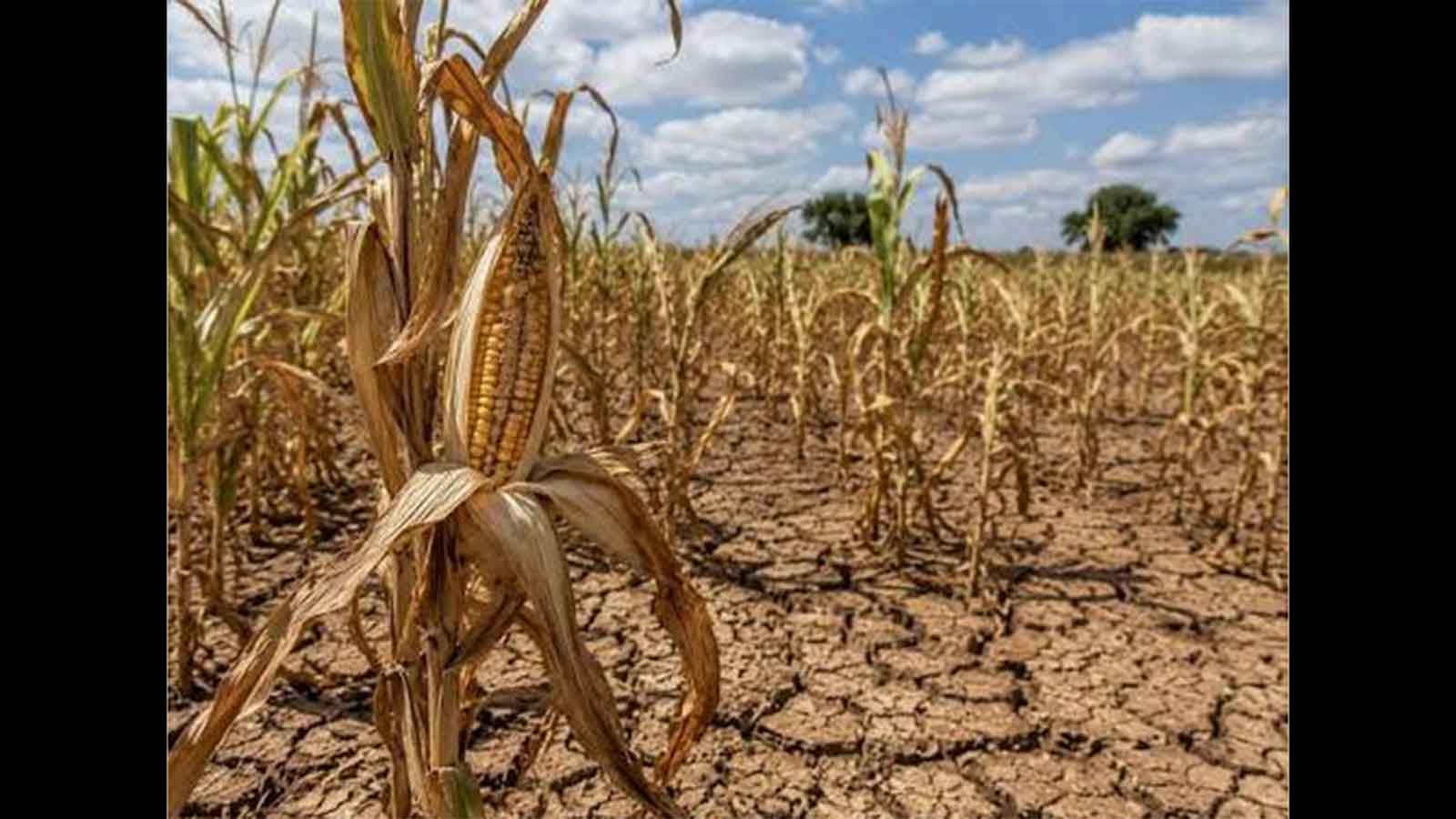
Stephen Mpofu
As we enter the super El Nino dry rain season in Zimbabwe and other affected countries, real action on the ground should supersede rhetorical advices from the comfort of radio or television studios to help communal farmers who are the majority food growers in our country to reduce if not altogether prevent food shortages and in that way serve vital forex that will otherwise be spent on food imports to avert hunger or even deaths as a result of food shortages while the El Nino scourge.
A few days ago someone broadcast advice from the comfort of an urban radio station on what farmers should do to preserve what ever little rain fell in their rural areas.
That is all very well, but considering that rural or communal farmers are the majority agricultural food producers in our country — and no doubt elsewhere on the continent — this pen strongly believes that it is m
ore incumbent for agricultural experts on the ground to practically teach and lead communal farmers in particular on what action to take in order to minimise the effects of the super dry season by conserving what little rain fell in their areas.
The radio broadcaster said, for instance, that farmers should dig holes in their fields as well as shallow trenches to conserve what little rain fell in their areas as a way of preventing the vital life-saving liquid from flowing away leaving behind shrivelled dry young crops with the result of food shortages in the process.
The dilemma in the situation above is that not many communal farmer possess radio or television receivers to access advice from broadcasters in urban centres on how to avert hunger due to rain scarcity and therefore drought.
Which suggests that agricultural extension officers should be deployed to the countryside to demonstrate their wherewithal on the land so as to avert hunger resulting from the looming El Nino menace.
Expert advice, however effective it might be, should not be expected by any and all Zimbabweans to be counteractive against the demise that food producers in the countryside face when required rainfall become a myth, as it were, as a result of phenomena such as El Nino which is also sure to leave some livestock carcasses on the ground as a result of dry pastures and dry water sources on which livestock the animals depend for their existence.
In the circumstances agriculture extension officers should advice and lead peasants in particular in choosing and growing dry resistant food crops.
Measures taken in colonial Rhodesia to counteract droughts and grow sufficient food for people as well as for livestock should inspire present generations of farmers in Zimbabwe to follow.
For instance, agricultural demonstrators were posted to areas in various rural districts to lead farmers on what crops to grow in what areas in accordance with rain patterns in a particular year and on how to construct dams to preserve water for their livestock as well as for domestic use.
Some of the demonstrators went so far as to advice villagers on what fruits to grow in their courtyards for nutritional purposes.
The activities of those AGs were overseen by land demonstration officers, LDOs for short, yo ensure that the suffering of people in communal lands were minimised as a result of adequate food production and livestock management through dipping of livestock were observed.
Right now, communal farmers in the Midlands province, for instance, have lost many cattle to the january disease as well as to the foot and mouth disease, the latter losses due to a reported lack of dipping chemicals the end of which appears unforeseeable.
As a result, many villagers have lost their entire herds and shut their pens so that the loss of draught power remains a daydream for those without money to import dipping chemicals in order to spray their surviving beasts.
With the vicious effects of the impending El Nino droughts a virtual certainty more animals are sure to die for lack of pastures and the powers that be might wish to consider providing mechanised draught power for villagers to grow food and for agricultural experts advising the communal farmers on drought resistant crops to grow.
All in all the mantra no one and no place must be left behind in the development of our beloved country must inform relevant authorities on what actions need to be taken for our country to survive the demonic El Nino dry rain season before us.


 Temba Dube