peter
peter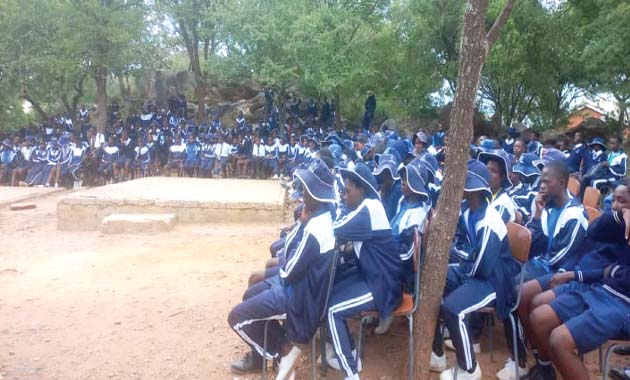
Sukulwenkosi Dube-Matutu, [email protected]
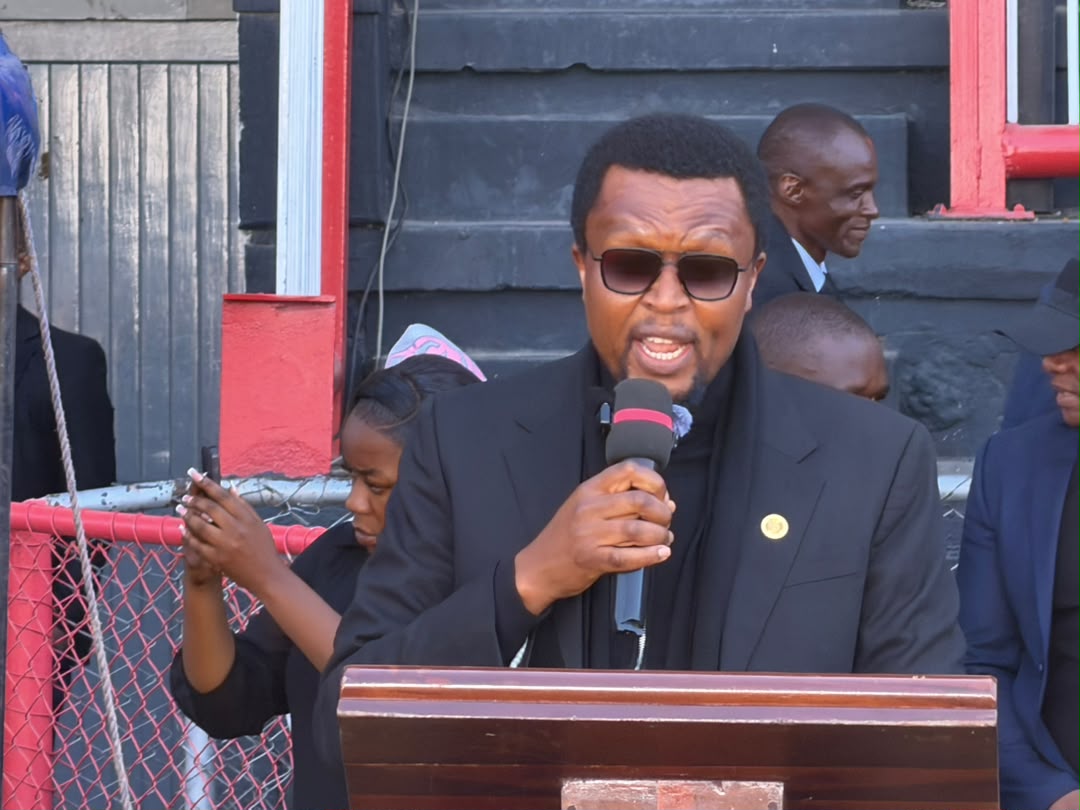
LEARNERS should embrace indigenous languages and promote them in various ways including performing arts, National Arts Council of Zimbabwe (NACZ) programmes officer for Matabeleland South, Mr Percy Vela, said yesterday.
He was addressing learners during the belated Matabeleland South Provincial International Mother Language Day commemorations at Gwanda Government Secondary School.
In Gwanda, the commemorations were organised by the NACZ in conjunction with the Ministry of Primary and Secondary Education and other stakeholders.
“We are commemorating International Mother Language Day, which is a significant day in preserving one’s identity and recognising the diverse languages and cultures that we have not only in Matabeleland South but the entire country,” said Mr Vela.
“On this day, we emphasise to learners that their indigenous languages are important and they shouldn’t feel embarrassed to use them in public.”
Mr Vela, commended Government for incorporating indigenous languages in the education curriculum.
“We see that there are teachers that are being trained to teach these languages in schools. At primary school level, children are being taught their indigenous languages from Grade One and they are being examined in their indigenous languages,” he said.
Mr Vela said as NACZ, they are promoting use of arts in schools, to promote indigenous languages. These include poetry, theatre, speeches, music, comedy and dance among other forms of arts.
He said schools have also moved to incorporate these forms of art in their learning process.
“As learners let’s not shy away from our indigenous languages and let’s not look down upon any indigenous language. Rather let’s help one another to promote our languages and let’s learn each other’s languages,” said Mr Vela.
“Portraying our indigenous languages through performing arts can become a way in which we can build our careers in future.
Let’s do poems, dramas, traditional dances in our local languages. The future of our indigenous languages lies in your hands and those of future generations.”
Zimbabwe has 16 official languages, namely Chewa, Chibarwe, English, Kalanga, Khoisan, Nambya, Ndau, IsiNdebele, Shangani, Xhosa, Sign Language, Sesotho, Tonga, Tswana, Venda and ChiShona adopted in the 2013 Constitution.
Cabinet, recently adopted the Principles for the Languages Bill, which underpin the need for the promotion of multilingualism, respect of language rights and linguistic preference as fundamental to the process of nationalism, development of augmentative and alternative communication systems for people with impediments that inhibit communication.
It also recognises and promotes languages as cultural wealth. The Bill also seeks to see the establishment and maintenance of institutional structures, such as the National Languages Board, the National Languages Fund, and the Languages Database.
International Mother Language Day, which is held every year on 21 February, is organised by Unesco to promote linguistic diversity in respect to mother/native language in communicating developmental issues in respect to human factor development.
The day also serves as a platform to lobby for policies and frameworks that encourage linguistic studies. It also seeks to preserve mother languages for heritage and ethical origins and promote culture and language.
This year’s event was held under the theme “Using technology for multilingual learning: challenges and opportunities.”
Speaking on behalf of Gwanda District Schools Inspector, Mr Syndey Sibanda, the district long life learning coordinator, Mrs Abigirl Ncube, urged learners to make use of the digital space to promote their indigenous languages.
Ms Ncube said the country has made significant progress in promoting a multilingual education system.
“Language is important as it defines someone’s identity. Children also need to know and learn their mother tongue. Children understand better when they are taught in their local language,” she said.
“Government has done a lot of work in this regard. That’s why all local languages in the country are being recognised and it is also mandatory for them to be taught in schools.”
Ms Ncube said there is need for various stakeholders to scale up their commitment to reinforcing and encouraging the use of local languages in both the formal and informal sectors. —@DubeMatutu



 Online Reporter