Stephen Mpofu, [email protected]
PEOPLE in many parts of the world often blame God for their misfortunes, particularly when drought leaves them appealing for food aid from the international community.
But here in our beautiful motherland, Zimbabwe, inadequate understanding of what causes poor rainfall and severe droughts that lead to food shortages reflects a lack of knowledge, not God “laughing at us”, His creation, human beings and wildlife, as some people believe.
Looking at developments that have taken place and those that are likely to continue, it is no exaggeration to say that we, as human beings, and not our loving Father, are largely responsible for many of the challenges that befall us in the course of development.
For instance, existing towns are expanding and new ones are emerging in previously undeveloped areas, a process that often results in the destruction of forests and woodlands to create space.
Added to this is population growth, which demands more land for housing and crop production, activities that invariably require the clearing of forests and woodlands.
It should also be noted that as new towns emerge, industries are established to produce goods for both local and foreign markets.
If factory chimneys are not properly modified, they release harmful carbon gases through smoke that billows into the atmosphere.
As we enter the dry season, veld fires caused by people carelessly throwing burning cigarette butts from vehicles along country roads, while others use fire when hunting, continue to pose a threat. Such irresponsible actions release large amounts of smoke into the atmosphere.
When smoke from the sources mentioned above rises into the upper atmosphere, it combines and contributes to the erosion of the ozone layer, which protects the earth from the sun’s harmful rays.
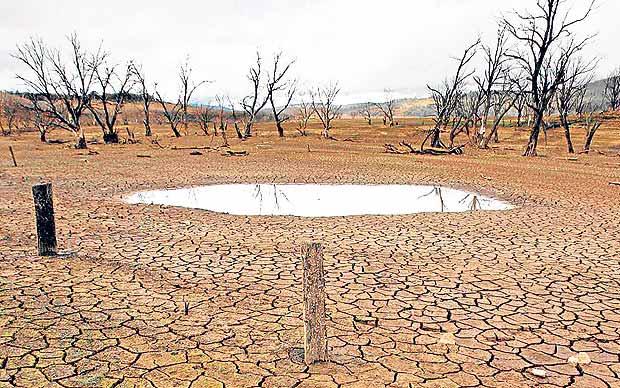
The result is drought, with food crops destroyed, leading to food shortages and hunger.
It is therefore incumbent upon the authorities and educational institutions to educate our people about the reckless and hazardous activities that contribute to droughts and food shortages, which drain scarce monetary resources and cause human suffering.
Such hardships often lead to violence or political instability in affected countries.
Otherwise, Zimbabwe’s impressive literacy rate of 90 percent, one of the highest on the African continent, counts for very little.