Online Reporter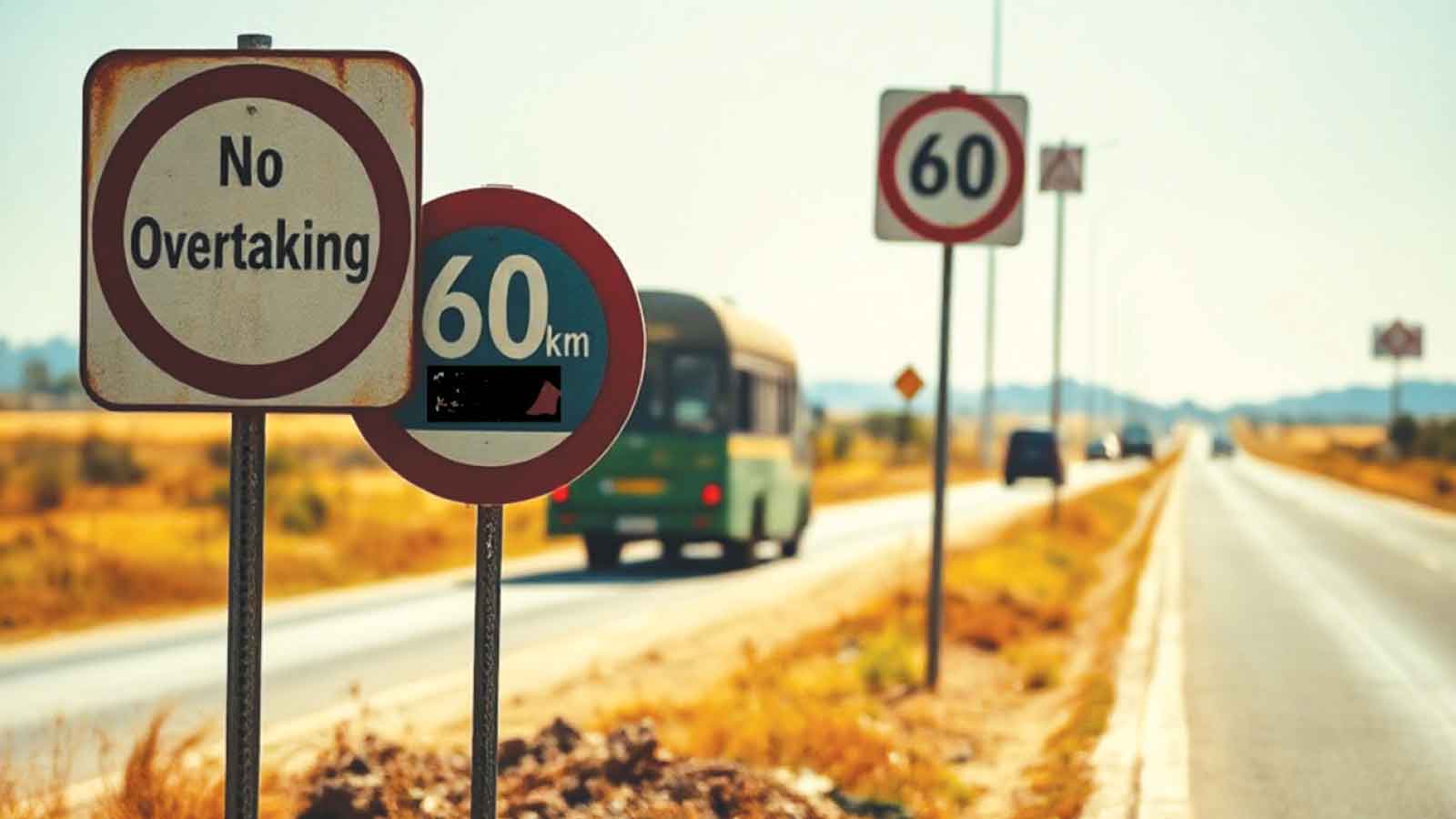
Marilyn Mutize
ROAD traffic accidents have become one of Zimbabwe’s most persistent national tragedies, with the month of May once again exposing the deadly consequences of reckless driving, poor road discipline and weak enforcement of traffic regulations.
Hardly a week passed without reports of fatal collisions involving buses, haulage trucks, commuter omnibuses and private vehicles.
Families were thrown into mourning, breadwinners were lost, children orphaned and communities devastated.
What is deeply worrying is that many of these accidents are avoidable. They are not natural disasters.
They are largely caused by human negligence, impatience and a dangerous disregard for road safety rules. Zimbabwe is steadily losing productive citizens on roads that should instead connect families, businesses and opportunities safely.
The recurring carnage calls for urgent introspection from motorists, passengers, transport operators, Government institutions and pedestrians alike. Road safety is not solely the responsibility of the police or traffic authorities. It is a collective national duty.
One of the biggest contributors to fatal accidents in Zimbabwe is reckless driving.
Speeding has become normalised, particularly among public transport operators who compete for passengers and profits.
Drivers overtake on blind curves, ignore road signs and drive aggressively even in poor weather conditions. Some motorists treat highways as racing tracks, forgetting that a moment of impatience can end dozens of lives.
The culture of speeding must end. No journey is more important than human life. Drivers must understand that arriving late is far better than never arriving at all.
Defensive driving should become a national mindset. Motorists must anticipate danger, maintain safe following distances and exercise patience, especially on busy highways such as the Harare-Masvingo-Beitbridge Road and Harare-Bulawayo Road where heavy traffic volumes increase accident risks.
Fatigue is another silent killer on Zimbabwe’s roads.
Long-distance bus and truck drivers often drive for extended hours without adequate rest.
Exhaustion reduces concentration, slows reaction times and increases the likelihood of deadly mistakes.
Transport operators who force drivers to work beyond safe limits are equally responsible for the accidents that occur.
There is need for stricter regulation of driving hours, particularly in the public transport sector. Operators must prioritise human safety over profits. Drivers should be encouraged to rest adequately before embarking on long journeys.
Passengers also have a role to play by refusing to board vehicles whose drivers appear intoxicated, fatigued or reckless.
Alcohol and substance abuse continue to fuel road accidents. Some drivers consume alcohol before taking the wheel, while others abuse drugs that impair judgment and reaction time. Such behaviour is criminal and irresponsible.
Driving demands full concentration and sobriety. Authorities must intensify random roadblocks, breathalyser tests and stiff penalties against offenders.
Equally concerning is the condition of some vehicles on Zimbabwe’s roads. Many public transport vehicles and haulage trucks are not roadworthy. Bald tyres, defective brakes, broken lights and poor maintenance have contributed to numerous fatal crashes. Yet some operators continue to prioritise profits, while neglecting essential vehicle servicing.
Vehicle inspection systems must be strengthened and corruption eliminated. Unscrupulous operators should not be allowed to bypass safety requirements through bribery.
Law enforcement agencies must remain firm and professional when dealing with unroadworthy vehicles. Public confidence in the transport sector can only improve when commuters are assured that vehicles on the roads meet proper safety standards.
Zimbabwe must also confront the issue of corruption within traffic enforcement structures.
There is growing public concern that some drivers openly violate traffic regulations because they know they can bribe their way out of penalties.
Corruption weakens the authority of the law and emboldens reckless behaviour.
A driver who escapes punishment today may cause a fatal accident tomorrow. Traffic laws should be applied consistently and impartially. Law enforcement officers must discharge their duties with integrity and professionalism.
The fight against road carnage cannot succeed in an environment where corruption undermines accountability. Poor road infrastructure is another major challenge. Potholes, faded road markings, broken traffic lights and inadequate signage increase accident risks, particularly at night or during rainy conditions. Some roads have become death traps due to years of neglect and delayed maintenance.
Government’s ongoing road rehabilitation programmes are commendable, but more investment is needed in road safety infrastructure. Clear signage, functional traffic lights, pedestrian crossings and proper lane markings save lives. Rural roads also require urgent attention, as many fatal accidents occur in remote areas where roads are narrow and poorly maintained.
Pedestrians are not free from blame either. Jaywalking, careless crossing of highways and ignoring designated crossing points expose many people to danger. Some pedestrians walk at night wearing dark clothing, making it difficult for drivers to see them. Road safety education must therefore target all road users, not motorists alone.
Schools, churches, community organisations and the media should intensify awareness campaigns on road safety.
Children must be taught road discipline from an early age so that responsible behaviour becomes ingrained in society. A nation that values life must continuously educate its citizens about safety.
Technology can also play an important role in reducing accidents. Zimbabwe should expand the use of speed cameras, electronic monitoring systems and digital traffic enforcement mechanisms.
Such systems reduce human interference and improve compliance with traffic regulations. Modernisation of traffic management is no longer optional; it is necessary.
Passengers themselves must become active participants in promoting road safety.
Too often, commuters remain silent when drivers speed dangerously or overload vehicles. Citizens must feel empowered to speak out against reckless conduct. A responsible passenger can save lives by alerting authorities or demanding safer driving practices.
Furthermore, transport operators should invest more in driver training and refresher courses. Possessing a driver’s licence alone is not enough. Continuous training helps drivers adapt to changing road conditions, emerging risks and modern safety standards. Professionalism in the transport sector must be strengthened.
The media also has an important responsibility. Reporting on accidents should not only focus on casualty figures but also emphasise preventive measures and road safety awareness.
Continuous public education can help change attitudes and behaviours over time.
Ultimately, Zimbabwe must cultivate a culture where human life is valued above haste, profit or carelessness. Every statistic reported after a road accident represents a real person — a parent, child, sibling, friend or colleague whose life has been cut short prematurely.
The emotional and economic consequences of road carnage extend far beyond the accident scene.
The recurring tragedies witnessed in May should serve as a national wake-up call. Zimbabwe cannot continue losing lives at such alarming rates while treating road accidents as routine occurrences.
Stronger enforcement, improved infrastructure, responsible driving and collective accountability are essential in reversing this disturbing trend.
Road safety begins with individual choices. Every driver who obeys speed limits, every passenger who demands safe conduct, every pedestrian who follows road rules and every authority that enforces the law diligently contributes towards saving lives.
The nation must unite against road carnage because every life lost on the road is one too many.