Online Reporter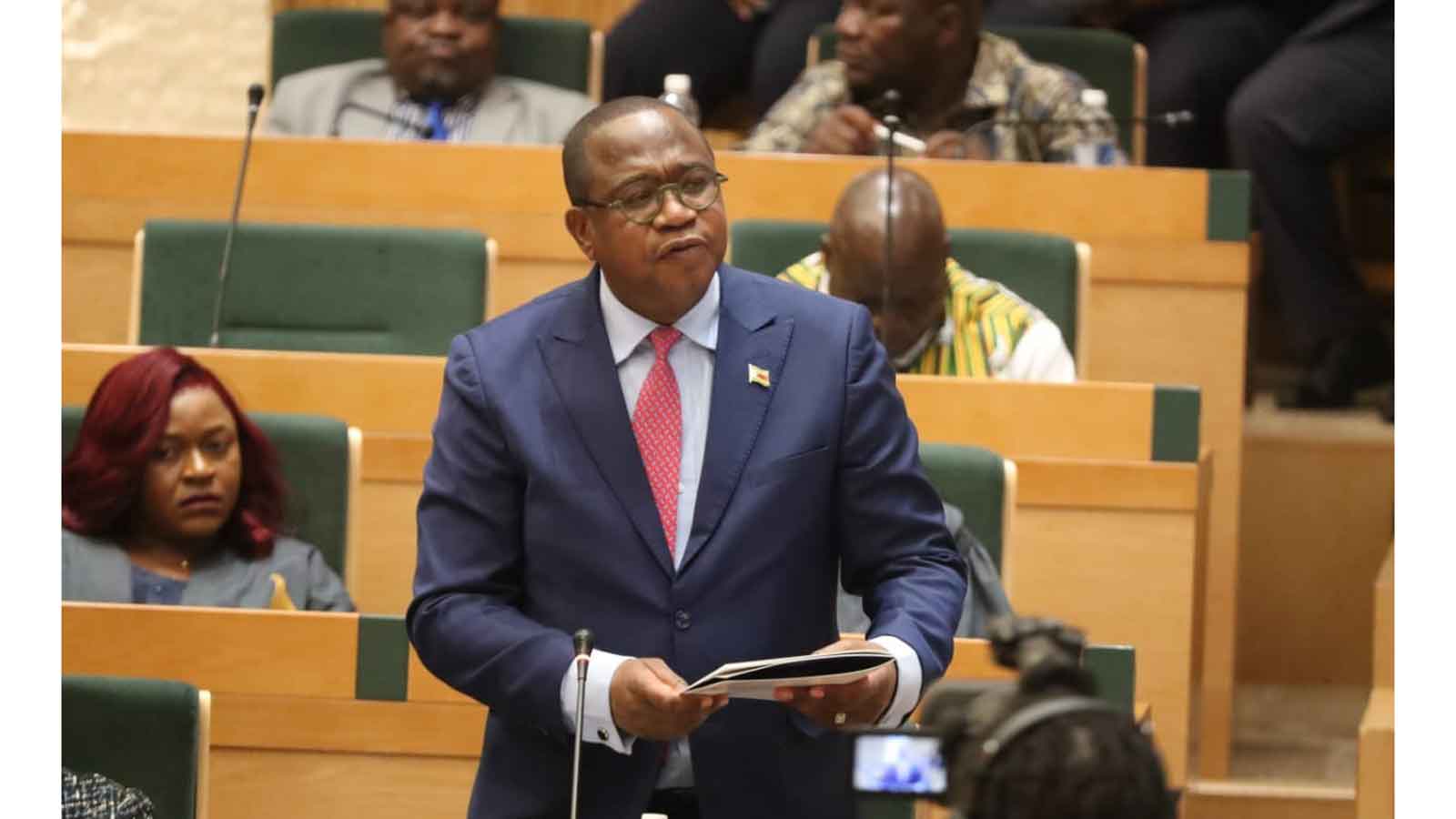
Nelson Gahadza-Business Reporter
Zimbabwe’s stable and low inflation environment has strengthened macroeconomic predictability, boosted confidence in the local currency and provided a firm foundation for sustained economic growth, Finance, Economic Development and Investment Promotion Minister Professor Mthuli Ncube has said.
Presenting the 2026 Mid-Term Budget and Economic Review in Parliament today, Prof Ncube said inflation remained firmly under control during the first half of the year despite external shocks, reflecting the success of the Government’s macroeconomic management framework.
“Inflation developments during the first six months of 2026 reflected a stable and predictable macroeconomic environment, devoid of any inflationary pressures, with a good macroeconomic balance sheet and growing confidence in the local currency,” he said.
Prof Ncube said month-on-month inflation remained consistently below the Government’s five percent benchmark throughout the review period, with the only notable deviation occurring in April after the conflict in the Middle East triggered higher international oil prices that filtered through to domestic fuel costs.
He said the temporary increase did not alter the broader inflation outlook, as underlying price pressures remained subdued.
“Month-on-month inflation remained low and stable, well below the current 5 percent threshold, with the notable exception of a temporary increase in April 2026 due to the effects of the Middle East war on international oil prices and subsequent increases in domestic fuel prices,” he said.
Annual inflation also remained within single-digit territory, averaging 4,4 percent between January and June before easing further to 3,2 percent in July, the lowest level recorded in decades.
“In the month of July 2026, annual ZiG inflation was 3,2 percent, the lowest inflation we have seen in decades. This development showed that the underlying inflationary pressures remained contained and that inflation expectations continued to be well anchored,” Prof Ncube said.
He said the stable inflation trajectory complemented Government efforts to accelerate economic transformation and improve living standards under Vision 2030.
According to Prof Ncube, Zimbabwe must raise per capita income by at least US$1 400 between 2026 and 2030 to attain upper middle-income status.
“While the country has made commendable progress towards the realisation of Vision 2030, there is a need to accelerate the implementation of strategies and policy reforms in the medium term to ensure that the Vision is attained,” he said.
Prof Ncube also highlighted the resilience of the external sector, with foreign currency receipts increasing 47,8 percent to US$10,7 billion during the first six months of 2026 from US$7,3 billion in the corresponding period last year.
He added that the current account recorded a surplus of US$606,3 million in the first quarter, underscoring improving macroeconomic stability.