Chronicle Editor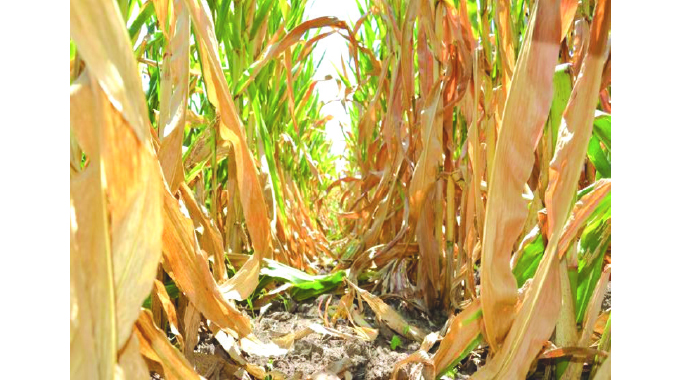
Stephen Mpofu, Perspective
“HUMANITY is engaged in acts of self-immolation.”
Were ozone — the layer that shields earth from the incinerating rays of the sun — a notice board with the statement above written on it by an invisible hand for all to see, the peoples of this world might re-awaken to the wanton acts of self-destruction environmentally, and with unmitigated passion as shown in some cases in our own country, witness recurrent droughts incinerating crops along with strange visitations by hitherto unheard of cyclones causing floods that have destroyed homes and other vital infrastructure and impelling relocations of victims to safer areas.
A global attempt to save humanity from global warming, namely the Paris Agreement on climate change, has tragically been sabotaged by some self-anointed human beings in the West who turned their backs on the agreement and returned home to encourage their factories to continue to pump toxic fumes into the sky, causing further erosion of the ozone layer, contrary to the requirements in the Paris Agreement for all factory chimneys around the globe to be modified.
Add to the above, toxic gases from coal serving as energy sources in the West and other aggravations in the East that are the West’s rivals and various other, negative environmental activities in developing countries including our own and a very gloom environmental picture of the world looms large.
With no mitigatory measures to the seriously bruised global environment visible, this writer humbly believes that time is long overdue for the United Nations to move in as overseer of life saving and stabilisation activities in the global village so as to end the rot.
Any communities that continue to act in defiance of the UN’s intervention must be starved into compliance to demonstrate the muscle that the world body wields as protector of our human race.
Which brings us back to Zimbabwe where the powers that be should consider and implement with speed measures compelling compliance by our society with environmental protection for everyone’s good.
That way modification of factory chimneys that may still be spewing toxic gases into the atmosphere and therefore negatively impacting ozone, albeit in a small way, will be undertaken.
Similarly, rampant deforestation in some parts of Zimbabwe should be brought to an end as trees absorb and sink carbon gases that are destructive to the ozone layer, in addition to their traction of rain compared to deserts that are treeless and perpetually dry.
People clear woodlands either to create farmlands or for firewood for sale to urban centres in particular.
In addition, wanton veld fires that cause smoke with toxic gases that contribute to the erosion of ozone with destructive consequences for humanity, must be discouraged with a strong hand for environmental protection.
Zimbabweans should by now realise, or be made to do so, that global warming caused by irresponsible human activities is real and that everything necessary should be done to mitigate any further environmental degradation.
For instance, the maize crop in Matabeleland South province, Midlands South and in parts of Mwenezi District in Masvingo province has been incinerated by the heat wave caused by global warming with only peanuts surviving, and this in spite of villages having adopted non-tillage farming methods, Intwasa/Pfumvudza, which saw fledgling green tasselling plants before the heat shrivelled them.
The destruction of the maize crop means that the villagers will require food relief and that translates into the Government importing maize to avert hunger in the drought stricken provinces cited above and possibly elsewhere in the country where the maize crop may have failed and in the process diverting funds intended for vital national developmental projects.
With recurrent droughts now common phenomena in our country, and probably elsewhere on the African continent, it becomes imperative for people to change diets by resorting to small grains that have a history of resisting droughts and on which most Africans, including ourselves, depended before sailors seeking a sea route to India introduced maize from the Americas and as a result of which the white grain swiftly supplanted small grains as people’s diet on account of the more lucrative price that the maize fetched on the market.
Times have changed and lagging behind obviously spells disaster for humanity.
A need also becomes imperative in the wake of recurrent droughts for the control or end of stream bank and river bank cultivation as well as alluvial gold panning which results in soil dug up silting rivers when rain falls, and in the process depriving people and livestock of the vital life-giving liquid, not to mention sabotaging Command agriculture which requires a lot of water to survive and has proved vital in complementing food supplies to needy communities in our country.



 Online Reporter