Chronicle Editor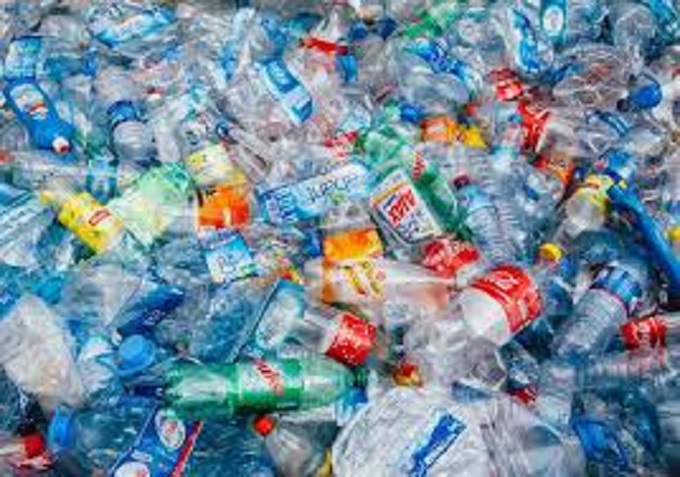
Editor – Every minute, over 1 000 000 plastic bottles are bought around the world, while 32 percent of all discarded plastic packaging ends up in the environment.
The equivalent of one garbage truck of plastic is dumped into our oceans every minute.
The same goes for other types of recyclable waste such as steel and aluminium used beverage cans, glass bottles, cardboard paper, among a myriad of other disposable food packaging containers.
Recycling of food and beverage packaging containers is a steadily growing industry in Zimbabwe with quite a significant number of people eking out a living from picking and selling recyclable waste.
With such a noble idea as recycling and selling trash for cash, it baffles the mind why the same recyclable waste forms the bulk of the debris at illegal dumpsites, streets and refuse bins.
This is a clear indication that the process itself, as good as it is, needs a better approach in order for it to fully address the challenges of solid waste pollution.
There is a host of other good activities and ways aimed at addressing the challenges of solid waste pollution such as clean up campaigns, binning waste, regular refuse collection among other activities.
All the above are undoubtedly expensive, reactionary and tailored to address effects or symptoms and not the cause.
The underlying causes of solid waste pollution have a firm root in the attitude of the public towards waste.
Numerous campaigns about the financial benefits of recycling have been belted out in the last decade but we still find people wantonly throwing away recyclable waste.
As the recycling mantra goes — trash is cash — there is need to unlock the real value of recycling that will culminate in the total change of attitude in the public domain.
The downside of collecting trash (recyclable waste) for cash is that the process is unreasonably laborious and the returns are not commensurate with the work involved.
A paltry $300 is paid by other local recyclers for a tonne of 500ml clear poly-ethylene terephthalate (PET) bottles.
It is an incredibly arduous task (collection, packing and transportation) to get to a tonne and that is not encouraging at all given that one bottle weighs a minuscule 3 grammes.
So what can work to change the attitude of the public towards waste? Container Deposit Refund Schemes (CDRS) or Reverse Vending (RV) for recyclable food and beverage packaging have proven to be very successful in containing recyclable solid waste.
The process (reverse vending) works by charging an extra fee on top of the retail price of a beverage or food item.
When the consumer buys a beverage, they incur a small deposit that is refundable upon returning the empty container to a reverse vending operator — normally a registered waste management company.
The deposit scheme creates value in the disposable container and in the process encourages the public not to wantonly dispose of waste.
To throw away the container will be tantamount to throwing away real money.
Moreover, the extra fee may prevent consumers from buying new packaging containers such as plastic bags instead of reusing existing ones or reusable bags.
While this method has always been in use for decades on refillable glass bottles, it is not commonly used on disposable food containers .
In most countries, legislation provides for the mandatory charging of deposits on disposable and recyclable containers although this can be done voluntarily by a product manufacturer.
Reverse vending ensures that the recyclable material is clean as it is not obtained from dumpsters but it is retained in clean receptacles as an item of value. Heavily soiled waste materials are difficult to recycle.
With a change of attitude, we can curb littering and to instill that change, monetary benefits for responsible waste disposal should be attractive.
This is best achieved through reverse vending or container deposit refund schemes.
Edwell Pedro Ngwenya, Harare
– The writer is an environmental waste management guru and technical director of Pedro’s Recycling (Pvt) Ltd. He can be contacted on: Twitter @SirEdwell, Cellphone: 0773609694, Email: [email protected], Skype: thinktanker16


 derick.khumalo