admin
admin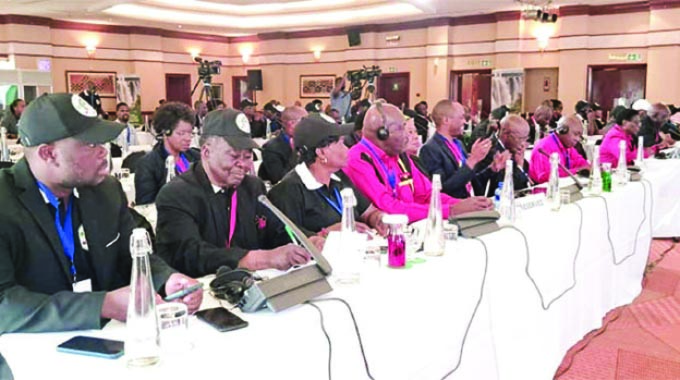
Isdore Guvamombe-Reflections
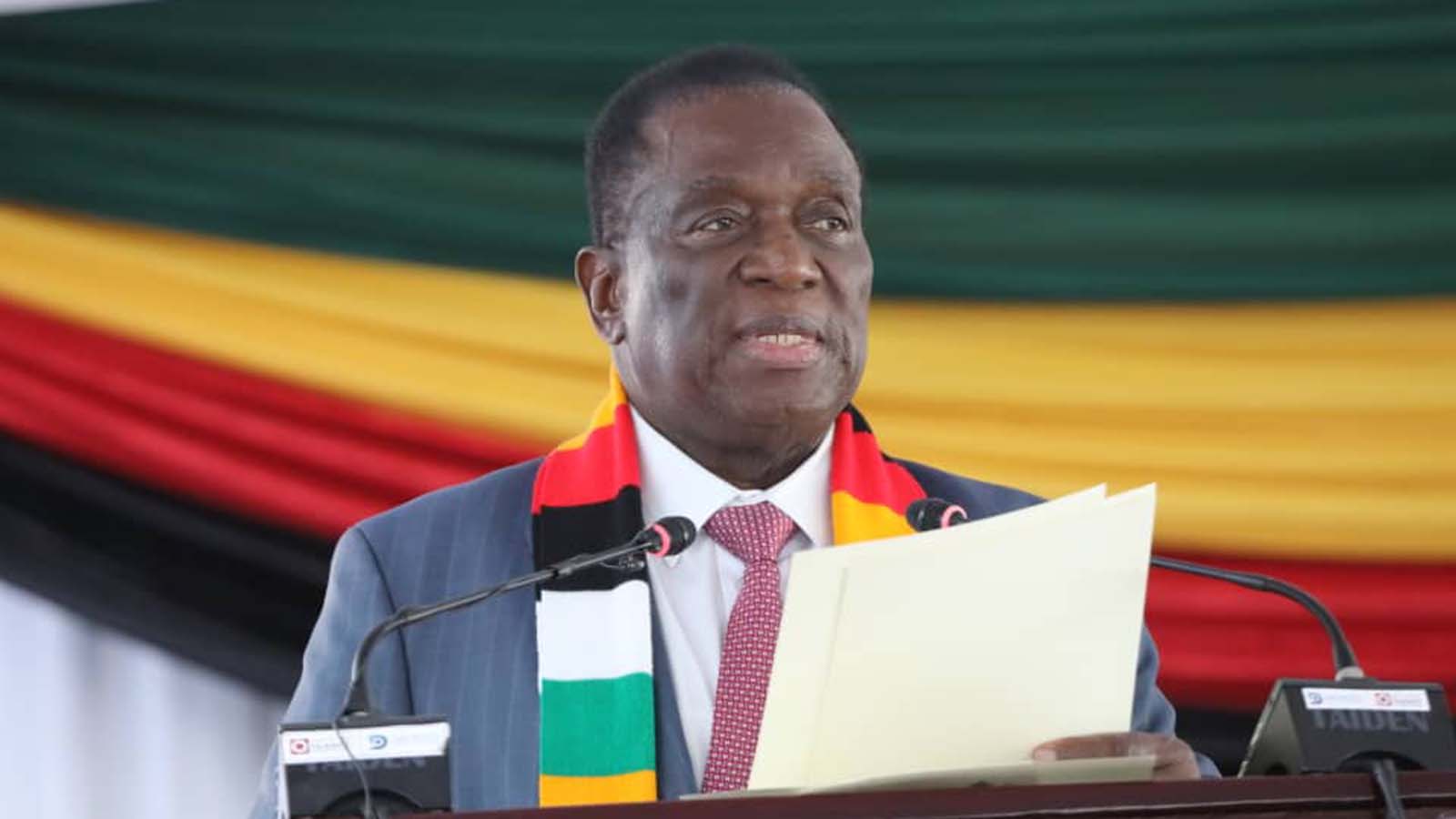
Addressing the Zanu PF Central Committee last week, President Mnangagwa made it clear that liberation movements must remain steadfast and united in the face of aggression from former colonisers.
This comes against the backdrop of the recent hosting of the liberation movements conference by Zimbabwe in Victoria Falls, which was a real statement to all Africans and the world that the Second Republic is committed to the socio-political and economic independence of the continent.
It is known that the emergence of organised popular liberation movements throughout Africa, following the end of the Second World War, was a crucial factor in achieving independence for many countries.
Suffice to say, the liberation movements championed the delivery of independence to African countries from colonialism, in most cases executing armed struggles that saw blood being shed.
It is a known fact that Zimbabwe hosted the conference at a time when the US and its allies in Western Europe have gone into overdrive to destroy all liberation movements and replace them with puppet opposition parties.
The US and its allies have pumped millions of dollars into opposition politics, specifically to get rid of liberation movements. So far, they managed to dismantle Kenneth Kaunda’s United National Independence Party in Zambia and have set their eyes on others.
A few countries like Russia and China have stood with the liberation movements because of their foreign policies that promote win-win partnerships. They respect the sovereignty of other countries, but the US and its allies have ramped up pressure using a lack of democracy, human rights and good governance as smokescreens to hide their regime change agenda.
It is clear the US and its allies are pursuing a neo-colonial policy against liberation movements, hiding behind human rights and religious freedoms. They also force gay rights and use them as a premise to impose sanctions.
Washington, Brussels and London promote these cultures and want to impose them on Africans against their core values.
The biggest problem is that while China and Russia create contacts with governments in Southern Africa through official channels, the US and its allies use NGOs and create opposition parties to effect regime change.
The US and its allies have given themselves the right to lead the world in their direction and yet liberation movements went to war to fight for what is right for their countries and people.
It is, therefore, critical for liberation movements to stick to the ethos that led them to war. Liberation is a process. It is not a one-day event. The movements need to continue fighting for what is right for their countries.
They need to meet more often to sustain their survival through synergies and sharing of intelligence and ideas.
The basics for Africa’s liberation are very necessary.
White settler regimes had for long put a knife across the things that held us together: defecating on our wealth value system, our African humanism, our culture, and indeed everything else that made us a people.
The key factors that led to the uprising and subsequent formation of liberation movements were land repossessions, human rights abuses, and a buffet of laws and rules that effectively oppressed and stripped Africans of their respect, wealth and dignity.
These are Zanu PF of Zimbabwe, African National Congress of South Africa (ANC), Chama Cha Mapinduzi of Tanzania (CCM), Movement for the Liberation of the People of Angola (MPLA), South West Africa People’s Organisation of Namibia (SWAPO) and Revolutionary Front for the Liberation of Mozambique (FRELIMO).
These movements, among others, became the vital cogs in dismantling colonialism.
Many young men and girls left their homes to join the fight against colonialism. Some died and were buried in shallow graves. Some came back with scars which they still bear long after independence.
A few lucky ones came back unscathed. This was because the liberation movements were packaging messages that spoke to the people’s needs. To this day, the movements should, therefore, remain relevant to the people.
These are the last movements standing. They are, therefore, a big threat to Western imperialist interests, that of plundering Africa’s resources.
Now the five liberation movements have come together under the banner of Former Liberation Movements for Southern Africa, to work against their extinction. In most cases, liberation movements have been lauded for adopting good policies, but often criticised for lack of implementation.
It is high time liberation movements adapt to the world’s socio-economic order, improve on their ideology and service delivery so that they remain relevant to the people they fought hard to liberate.
Like Amilcar Cabral would say: “The ideological deficiency, not to say the total lack of ideology, within the national liberation movements — which is basically due to ignorance of the historical reality which these movements claim to transform — constitutes one of the greatest weaknesses of our struggle against imperialism, if not the greatest weakness of all.”
The risk is high for liberation movements to be decimated. Unity is the only way out.


 Online Reporter