admin
admin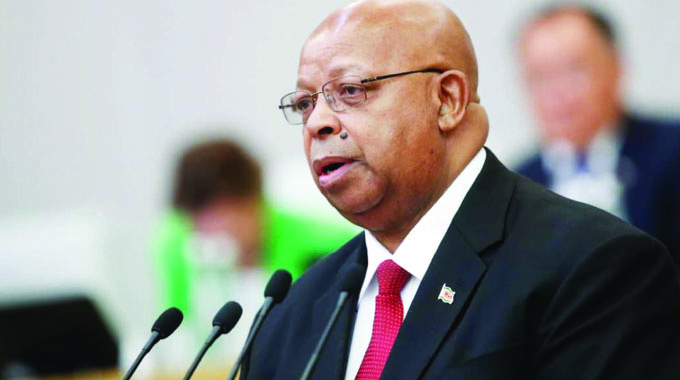
Columbus Mabika Herald Reporter
Parliaments in the region have been called to nudge the executive to propagate comprehensive cutting edge energy policy frameworks for rapid energy investments and development in the SADC region.
Speaking during a Plenary Assembly of the Southern African Development Community-Parliamentary Forum in Angola yesterday, Speaker of the National Assembly, Advocate Jacob Mudenda said energy remains a critical component in SADC development agenda, hence the need for parliaments to promote renewable energy policies and create a single regional energy market pool.
The forum is running under the theme; “The role of Parliaments in promoting renewable energy policies in the SADC region and the creation of a single regional energy market.”
Advocate Mudenda said the region is currently endowed with vast untapped energy resources, which parliaments through legislative processes must exploit.
“Currently, the energy landscape in the SADC region is characterised by an untapped rich tapestry of renewable energy resources which include hydropower generation, solar, wind and biomass with a huge global potential of about 10 580 terawatt-hours per year,” he said.
“Notwithstanding several master plans that have been crafted to mitigate the energy deficit in the region, actual progress remains stunted despite the pressing demand for electricity in the region in the wake of regional industrialisation trajectory. Inexorably, this points to the need to improve the quantum of energy to meet the energy deficit.
“Parliaments as accountability institutions have a solemn responsibility to ensure that the policy and regulatory environment in our countries enables the speedy transition towards a clean, secure and affordable energy future for all our SADC citizens.”
Through legislative diplomacy, Advocate Mudenda said parliamentarians must facilitate regional cooperation, agreements and mechanisms to create a vibrant single regional energy market through harmonisation of energy policies and legal frameworks.
He parliaments to ratify and domesticate the SADC Protocols on energy, which he said includes the SADC Protocols on Energy 1996, SADC Energy Activity Plan (2000), Regional Indicative Strategic Development Plan (2003), Regional Energy Access Strategy and Action Plan of 2010, SADC Regional Infrastructure, Development Master Plan and its Energy Sector Plan (2012), Revised RISDP (2015-2020), Sustainable Energy for All (SE4ALL) and Agenda 2063.
Citing the Inga Dam hydroelectric project in the Democratic Republic of Congo, which offers a transformative opportunity for the SADC region to access untapped abundant hydropower, with a potential to generate over 42 000MW of electricity, Advocate Mudenda said projects of this magnitude would adequately meet the energy needs of millions across the region.
On the other hand, he said, nuclear power is increasingly emerging as a potential solution to address the energy access and climate change challenges faced by nations.
“Nuclear power offers a reliable, low-carbon alternative energy source that enhances energy security and environmental conservation sovereignty.
“Currently, nuclear energy accounts for 10 percent of electricity output worldwide, with Africa at 0 percent of world output,” he said.
He said strategic partnerships with international organisations and leading nuclear technology countries such as Russia, China and South Korea can facilitate access to advanced nuclear technology that can accelerate nuclear power generation in the SADC region.


 Online Reporter