admin
admin
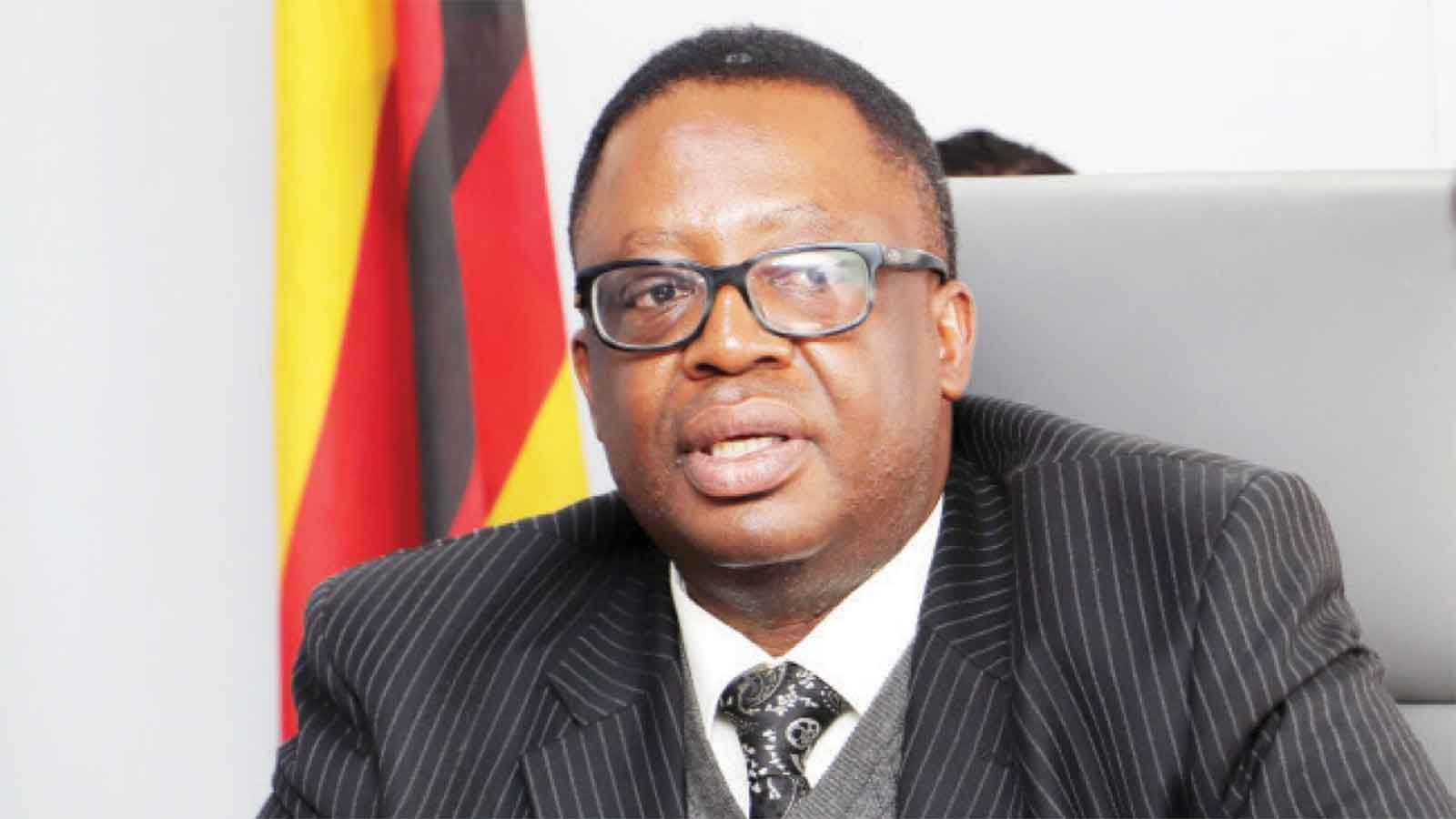
Star FM presenter George Msumba (GM) had an interview with Information, Publicity and Broadcasting Services Minister Dr Jenfan Muswere (JM) on the “State of Affairs”, a current affairs programme that discusses important events.
Continued from yesterday
GM: Motorists are now expected to pay for radio licences for the State broadcaster, the ZBC. There have been complaints that this is exorbitant. Is this justified considering that other broadcasters do not get a share from this?
JM: The first issue that I want you to appreciate is that was a Cabinet decision to approve the principles; from the principles, in terms of the Broadcasting Services Act. We then moved to the development of the legislation in terms of the amendments that we seek, but also to highlight the difference, I want to highlight to you the difference between a public broadcaster, a community radio station, a commercial radio station, or a commercial television licence.
There are so many discrepancies, but perhaps I will dwell much on the responsibilities of the Zimbabwe Broadcasting Corporation. They have got obligations. They have got obligations to the people of Zimbabwe. They have an obligation to inform the people of Zimbabwe. They have an obligation to raise awareness. They have an obligation to entertain the people of Zimbabwe. So the licencing framework is totally different amongst all these licences.
The licencing framework is different, the responsibility, the obligations are different, the roles are different. I’ll give you an example, the Zimbabwe Broadcasting Corporation covers parliamentary debates in order to inform the people of Zimbabwe about the legislative issues that are taking place in the Parliament of Zimbabwe. They’re obligated to cover parliamentary proceedings, but a commercial radio or television licencee or an institution has got a choice not to cover, or to cover. The Zimbabwe Broadcasting Corporation has a responsibility to raise awareness. Let’s say there’s a pandemic, a community radio station might not say anything about it and a commercial licencee might not, because they are not legally obligated to be able to cover such diaries. The burial of a national hero, the ZBC should be able to cover such issues of national interest. To summarise it, the private sector, the commercial licences have got a DNA that focuses on commercial interests.
The Zimbabwe Broadcasting Corporation focuses on national interest. The commercial licencee focuses on commercial interests, whereas the broadcasting corporation has got a national obligation to be able to inform the people of Zimbabwe. So that’s the major difference in a nutshell.
But also to look at the legislative framework. This legislation has existed before in terms of the Broadcasting Services Act, but also to appreciate that the ZBC is part of an ecosystem. This ecosystem, for example, in terms of entertainment, the reason why perhaps, the sports, arts and recreation sector has not been getting returns in terms of dividends. The artists develop music, it’s played across television and radio channels. The amount of money that they receive sometime is not significant, but the Zimbabwe Broadcasting Corporation should also support us through paying equitably for the music, for the contribution from that sector.
But in terms of the Broadcasting Services Act, let’s look at the legislation, the Broadcasting Services Act Chapter 12.06, Section 38b, which is the licencing of listeners is very clear, that no listener shall have in his possession in Zimbabwe a receiver, otherwise than in accordance with the terms and conditions of a licence issued by the Zimbabwe Broadcasting Corporation, or by the agency of the Zimbabwe Broadcasting Corporation appointed by it in terms of subsection A1 of 38d. So it’s legal that this Zimbabwe Broadcasting Corporation should licence listeners.
Let’s tackle Section 38 C in terms of the collection of licence fees. Licence fees referred to in terms of subsection 2 of section 38 b list such amounts as may be payable for the services of agents of this Zimbabwe Broadcasting Corporation, referred to in subsection one of section 38b shall be paid into the general funds of this ZBC for the use of the corporation.
So the legislation has been in existence. What we seek to do is to tackle the lacuna, to align the legislation in terms of the Constitution of Zimbabwe, which clearly obligates all institutions within Government to be able to work together in order to enhance revenue collection, to support sports, to support arts, to support national events, to support the broadcasting of issues of national interest, to support, to inform, to raise awareness on a number of issues.
So the obligations, the roles, the responsibilities are totally different between the Zimbabwe Broadcasting Corporation and many other institutions. As you know that we liberalised broadcasting now we also have community radio stations and we’ve managed to develop and implement and successfully commission 14 of them now. So that’s where the issue is legally in terms of policy and in terms of alignment. The Zimbabwe Broadcasting Corporation is legally able to collect licence fees.
GM: Most media houses are struggling to adapt to changing media markets and journalists are underpaid and this often leads to corruption; brown envelope journalism. What steps are you taking to ensure that remuneration is in tandem with possibly regional standards?
JM: I have had an opportunity to discuss with ZUJ, the Media Alliance of Zimbabwe, a number of workers’ committees across a number of media houses to highlight that the needs, the requirements of media practitioners’ interests in terms of salaries and allowances is also central to the development of media institutions.
In our first two sessions in the Media Advisory Council, we discussed the implementation and the development of a National Employment Council, and we believe that it will provide a lasting solution to some of the challenges that media houses are also facing.
We fully support the growth, the robustness and the transformation of the media industry because we are all aware of the challenges that the print media is facing. This is precisely why the Second Republic managed to review tax incentives to allow the importation of equipment.
This is also precisely why, working together with members of the Fourth Estate, we have managed to work together with the Zimbabwe Media Commission to be able to work on a number of policy and legislative issues in the transformation of the media industry.
And this is also precisely why we are working together with all media institutions as we journey towards an upper middle income society, which also coincides with the transformation of journalism, given the reality that the Fourth Industrial Revolution is upon us, that the media landscape has totally transformed from print to online, that the media landscape is totally changed and is more digital now.
So this is why under the Zimbabwe Media Commission and also the Ministry of Information, Publicity and Broadcasting Services, we have been working on human capital development workshops that seek to transform the media practitioners, to transform in the context of the Fourth Industrial Revolution. So the needs, the requirements of journalists, the expectations of media practitioners are also central to our strategy to grow the industry.
But also this is precisely why we have brought in place legislative changes related to the growth of the media industry to allow them to restructure their institutions and also to allow for the liberalisation of broadcasting licensing framework and also to promote foreign direct investment in the media sector.
So a number of initiatives are taking place. Yes, the brown envelope system is bad; that is corruption, and we should condemn it. We do not condone the brown envelopes system in any media house and we will continue to work together to eradicate such challenges whenever they exist.
GM: Finally, Minister, media plurality; are we going to see more TV stations? People are asking. What is the proposal from Cabinet in terms of licencing? What is the plan?
JM: The first issue is to highlight that Zimbabwe is open for business and that any investment, whether domestic or foreign, that looks into the expansion of the media industry, which also brings diversity, which also brings the growth of the industry, is of paramount importance as we seek to ensure that we leave no one and no place behind towards nation building. I am aware that a number of radio and television stations have embarked on transformational initiatives to turn around the institutions and that the Government of Zimbabwe liberalised the licencing framework.
That is precisely why you now also have more radio stations, community radio stations, other players such as 3KTV, but also I am aware that the ZBC is working on five new channels that are going be implemented within the context of the Vision 2030. So the licencing framework, whenever there is need, whenever there is investment, we are opening and amenable to any new player that will bring diversity, that will also assist us in terms of accelerating an upper middle income society through an informed and knowledgeable society, through participation in terms of the media industry. So we are amenable to any new investment coming into the country.


 Online Reporter