Chronicle Editor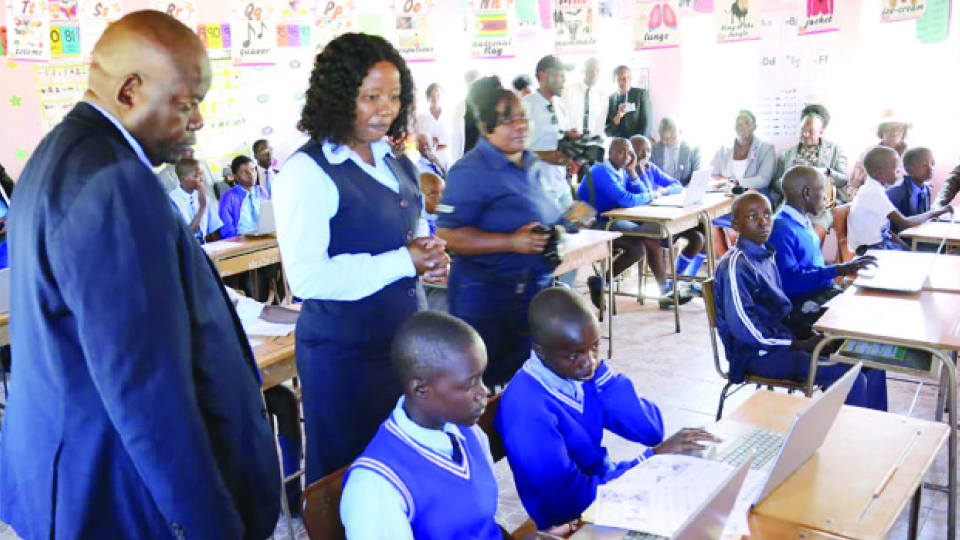
Sikhumbuzo Moyo, [email protected]
EIGHT new schools have been built in Tsholotsho District, Matabeleland North Province under the Second Republic led by President Mnangagwa through Government partnership with humanitarian organisation, Plan International.
Two of the new schools have been built in the San Community, which all along has been lagging behind in terms of development but is now being integrated with the rest of the country through transformative affirmative action strategies anchored on achieving inclusiveness.
In addition to establishment of new schools in the San community, the Government has facilitated issuance of critical registry documents, recruitment of youths from the same place to join uniformed forces, reviving the San language and has also created a new Goledema chieftaincy.
The other new schools are Thetshaneni Primary, Mathula Secondary, Nembe Secondary, Malindi Primary, Malanda Secondary and Magama Secondary which are all in Tsholotsho South constituency.
Plan International has also constructed and supported the Best Schools Programme Zimbabwe (BSPZ) offices in the district.
Primary and Secondary Education Minister, Torerai Moyo was recently in Tsholotsho District and took the opportunity to visit some of the new schools where he interacted with teachers, pupils, development partners and parents.

The close collaboration between the Government and development partners like Plan International has accelerated the construction of schools which has not only reduced the distances travelled by pupils in Tsholotsho district but has also improved the quality of education.
The district now boasts of 29 secondary schools and 85 primary schools.
During an engagement with Minister Moyo at Mtshina Primary School, Plan International Zimbabwe programme area manager, Ms Noreen Makhurane, said building schools was part of her organisation’s life-changing projects in Tsholotsho.
She said so far they have supported the construction of eight primary and secondary schools plus BSPZ offices in the district as well as drilling of 20 boreholes for the San Community.
Ms Makhurane said Plan International was fully committed to supporting the Government in providing quality and affordable education, particularly to vulnerable communities in the country.
“The construction of Mtshina Primary and Secondary Schools is part of a bigger project, which we implemented from 2015 to 2021 with funding from our partner, Plan International Norway to the tune of US$2 million,” she said.
“Education is a key strategic area for Plan International Zimbabwe, which is also in line with our global strategy where we seek to advance children’s rights and equality for girls,” said Ms Makhurane.
“We were also able to cover health projects through the construction of a health facility at Mpilo Central Hospital in Bulawayo. We also covered activities such as youth economic empowerment here in Tsholotsho.”
Minister Moyo said Mtshina Secondary School should be registered before the end of this term to become an examination centre for Zimbabwe School Examinations Council (Zimsec) candidates.
Pupils in the area have been walking over 15km to the nearest Sikente Secondary School to write exams which has a negative bearing on their performance due to fatigue.
“Let me tell you this, Mtshina Secondary School must be registered not next year but this term and I have directed Zimsec to make it an examination centre,” said Minister Moyo.
Matabeleland North Provincial Education Director, Mr Jabulani Mpofu, expressed excitement about the milestones achieved so far in building schools in Tsholotsho district.
“What Plan International has done in Tsholotsho District is massive and complements Government efforts to bring schools close to learners. We continue to call upon development partners to join hands with Government in its endeavour to deliver quality education to all citizens,” he said.
Similar partnership models have been adopted across the country resulting in easing of enrolment pressure in both urban and rural areas where there were shortages of schools.
Zimbabwe has 7 514 primary schools and 3 175 secondary schools.
Government says 2 800 more schools are still needed in order to reduce distances travelled by some pupils as the recommended distance to the nearest school should be 5km or less.
Plan International has been operating in Zimbabwe since 1986 to advance children’s rights and equality for girls. Some of its key areas of operation include but are not limited to, ensuring children, especially girls, access quality and inclusive basic education, supporting young people to break the cycle of poverty by learning the skills and knowledge they need to earn a living, ensuring children and young people, particularly girls, grow up protected from all forms of abuse so that they can participate safely and confidently in society while supporting young people to access comprehensive sexual and reproductive health information.


 Online Reporter