admin
admin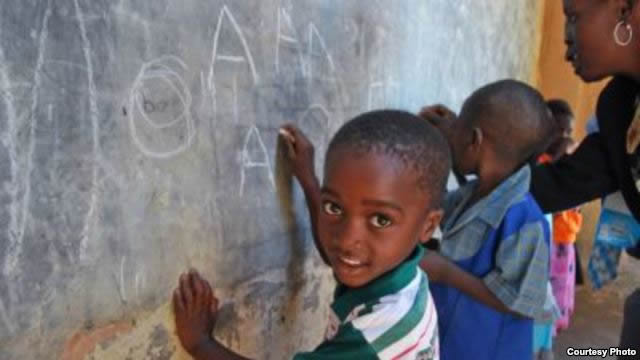
 Perspective Stephen Mpofu
SHOCKING pass rates at some schools in Zimbabwe threaten the country’s pole position of the highest literacy rate in Africa at 92 percent ahead of Equatorial Guinea and South Africa in that order with the rest of the countries trailing behind the trio.The schools in point have been registering pass rates of zero percent per year, but thanks to the Ministry of Education, Sport, Arts and Culture which has thrown a lifeline to give pupils dropping out of schools a second chance, with a German organisation GIZ, providing financial assistance on uniforms, and Orap weighing in with technical expertise.
The back to school initiative, code-named Performance Lag Address Programme (PLAP) is being implemented in Matabeleland North Province where many schools have registered appalling end-of-year results after it was first introduced in Manicaland Province to address anomalies in the performance of schools targeting pupils who drop out due to either financial challenges or on account of poor performance.
The pupils mopped up are trained to acquire life skills that should become handy in equipping them to become self-reliant while at the same time developing the country.
It is said that pupils with better academic performance are absorbed into normal classes in hopes that they will attain high educational qualifications that will give them a big stake in the country’s social, economic, even political development.
PLAP demonstrates once more the determination with which the Government of this country is prepared to produce a nation of not just functional literates but also one that boasts a huge pool of skilled personnel to drive the economy ahead with much vigour so that the country transcends its current status of under-development.
Soon after independence in 1980, the Zanu-PF government embarked on a massive educational campaign which saw the provision of a university in each of the country’s 10 provinces, not to mention primary and secondary schools that have marked massive growth in education over three decades since the attainment of independence.
The net now being cast out to capture young Zimbabweans and give them a new lease of meaningful, public life should therefore be viewed as part of the gigantic educational programme meant to improve the country’s literacy rate and empower our people for meaningful self-determination as a nation.
Those who lived in colonial Rhodesia would have known that literate and semi-literate blacks were cheap labour. Moreover, many if not most of the whites holding down senior positions either in the public or private sectors were not highly educated themselves and might not have survived in today’s competitive world.
Be that as it may, the success or failure of PLAP will be conditional upon the inputs of parents and teachers with the former or their communities per se being motivated to appreciate the Government’s desire to uplift the lives of the unfortunate offspring by bringing them into the mainstream of productive citizens of their motherland.
While some parents are genuinely incapacitated by a lack of money to give their children the best in academic educational skills training, others would appear to want their children to stay at home herding cattle, or to go and seek their fortunes over the border in order to send home much-needed finance from the Diaspora.
It is not untrue that unqualified teachers, or temporary ones in the rural schools where the dropout rate is reportedly higher, may not be up to scratch themselves to produce the best results in their classes.
They probably even lay back, waiting for the month-end to receive their pay packets because they are generally indolent and so are bereft of the zeal to shine or there is little or no supervision so that they are wont to sleep on the job.
There appears, therefore, to exist a strong case for strict supervision of all schools by inspectors of the ministry in question so that the teachers earn their keep.
As for Orap and GIZ – they deserve praise for theirs is not visibility foreign aid which, as the name suggests, is given merely to make the donors presence visible in a recipient country.
Zimbabwe should refuse to be hoodwinked by any country whatsoever into accepting aid which is decidedly dysfunctional, as such aid will not even move hills of under-development.
Pursued with vigour, community support and goodwill by stakeholders, PLAP stands to give young Zimbabweans a brave new future.



 Online Reporter