Online Reporter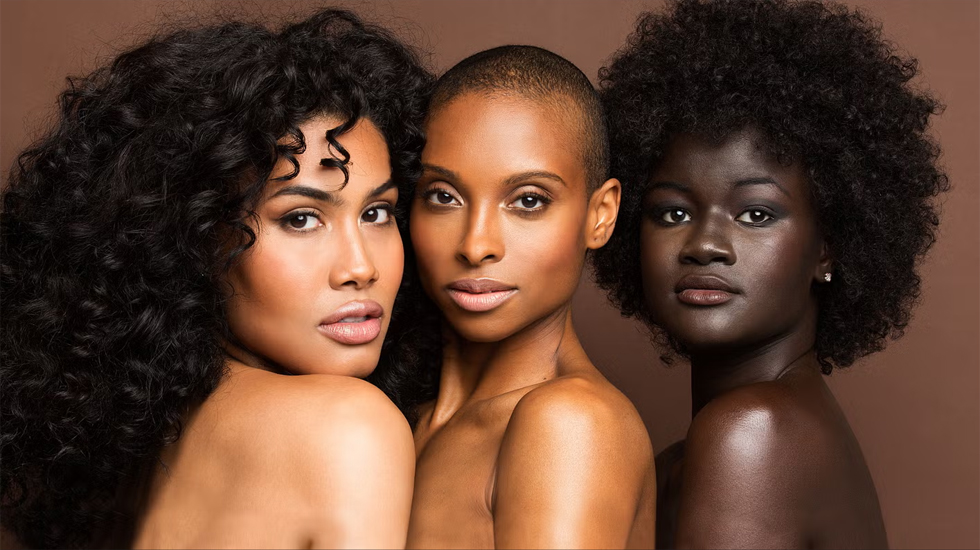
Rodgers Irimayi
Cultural Perspectives
IN Zimbabwe, perceptions of complexion are multifaceted and deeply rooted in cultural, social, and historical contexts.
While lighter skins are often associated with beauty, success and social superiority due to colonial ideologies that favoured Eurocentric ideals, on the other hand, darker skin tones are increasingly celebrated as embodiments recognised as a symbol of African identity and heritage, a paradigmatic shift gaining momentum in contemporary cultural pride.
The notion of complexion encompasses the natural tint, tone, and texture of an individual’s skin, varying significantly across different ethnicities and regions. Complexion is primarily influenced by the production of melanin, a pigment produced by specialised cells in the skin. This natural phenomenon means that genetic lineage and environmental factors shape the vast array of skin tones seen across the globe.
The cultural perceptions on complexion in Zimbabwe are deeply rooted in colonial experiences.
During colonial rule, lighter skin tones were often associated with higher social status and privilege.
These entrenched ideologies left lasting impressions, fostering a preference that continues to impact individual self-esteem and identity. The glorification of lighter skin in Western culture has a ripple effect, influencing how beauty is perceived both locally and globally.
Media representation plays a crucial role in reinforcing these beauty standards. In films, advertisements, and popular culture, lighter-skinned individuals often dominate the narrative of desirability. This portrayal, not only shapes aspirations, but also impacts the self-image of those with darker complexions, creating an environment where they may struggle for acceptance and validation.
The social implications of colorism, that is where there is societal preference for lighter skin within the same racial group, has led to significant social ramifications. Individuals with lighter skin may benefit from unearned privileges, which can manifest in professional opportunities, social acceptance, and perceived competence.
In contrast, those with darker skin tones may grapple with biases and discrimination, influencing their life experiences and interactions.
This conversation extends into the realms of self-perception, where individuals internalise societal attitudes towards their skin tone.
For many in Zimbabwe, peer pressure, family expectations, and community beliefs have profound impact on how one views their complexion.
In a supportive environment, individuals with darker skin are more likely to embrace their natural beauty and develop a robust sense of self-acceptance. There are many times that I hear people ask “Am I that dark?” a reflection that they are not acceptable to their darker skin tones.
In recent years, a cultural renaissance that celebrates diversity has emerged, emphasising the beauty of African heritage and advocating for the celebration of darker skin tones.
Such movements are essential in challenging long-standing narratives that diminish self-worth based on complexion.
Social media platforms have become powerful tools in this movement, giving rise to campaigns that broadly promote the beauty of all skin tones and elevate voices that embrace their darker skin as a source of pride.
Influencers and artistes who proudly exhibit their darker skin challenge traditional beauty standards and foster acceptance.
Their visibility is crucial, as they provide representation that resonates with many individuals struggling to find their identity in a world that often favors lighter skin. This changing narrative underscores the importance of inclusivity, enabling individuals to embrace their unique beauty.
Navigating the landscape of beauty and self-care can differ based on complexion. For individuals with darker skin, finding appropriate makeup products or skincare that caters to their specific needs has often been an uphill battle.
The beauty industry is beginning to make strides in inclusivity, recognising the demand for diverse options that cater to all skin tones.
Educational initiatives that promote proper skincare and makeup application for all complexions are becoming increasingly important to bolster self-esteem and confidence. When individuals see themselves represented positively in advertising and media, it enhances their self-image, encouraging them to embrace their natural beauty.
Inviting personal narratives into this conversation enriches our understanding of complexion’s significance.
Many individuals share transformative journeys towards self-acceptance, illustrating the profound impact of societal perceptions on their self-esteem. For some, embracing their darker skin has meant defying societal standards and rejecting the notion that beauty is synonymous with lightness.
These stories resonate deeply, inspiring others to accept and celebrate their unique identities.
The power of community support and shared experiences cannot be understated. Safe spaces where individuals express their struggles and triumphs promote acceptance and accountability, helping to dismantle prejudices and fostering a culture of solidarity and pride.
The perceptions of complexion in Zimbabwe and globally are shaped by a rich interplay of historical, cultural, and social influences.
As conversations evolve, the movement towards embracing diversity in complexion becomes increasingly significant.
By promoting inclusivity through education, responsible media representation, supportive community networks, and cultural celebrations, we can foster an environment where every individual, regardless of their complexion, feels proud of their identity and heritage.
It is crucial to continue advocating for a narrative that values diversity in all its forms, allowing beauty to be defined by authenticity rather than limited, superficial standards.
Together, we can create a more accepting society where the beauty spectrum, encompassing all skin tones, is celebrated and cherished.
Rodgers Irimayi is the Ministry of Information, Publicity and Broadcasting Services Masvingo Provincial Information Officer. He writes in his personal capacity and can be contacted on +263778246098 or [email protected]. He can also be followed on his YouTube channel, Culture Views with Judah Kalispokaz