admin
admin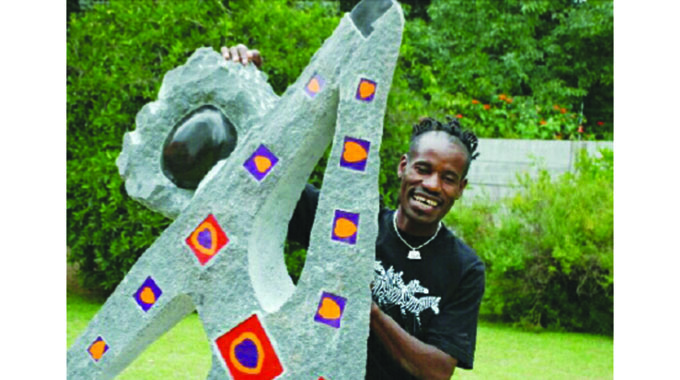
Trade Focus
Allan Majuru
ZIMBABWE has a rich cultural heritage that is known around the world for its unique arts and crafts.
For a long time, stone sculptures have defined Zimbabwe’s offerings to the world, with artists like Dominic Benhura and Agnes Nyanhongo positioning themselves uniquely in international markets through high quality products and consistent standards.
In recent years, offerings such as weaved baskets, wood carvings, metal sculptors, music and performing arts have been gaining traction in international markets, particularly in Asia and Europe.
The sector undoubtedly plays an important role in local economic development.
It can potentially contribute even more to the country’s exports.
According to Trade Map, Zimbabwe’s arts and crafts exports were around US$10,5 million in 2019, with products weighing around 10,6 tonnes exported mainly to South Africa, Europe and America.
Although the statistics show a decline in exports from US$13,4 million in 2015, past performance indicate potential for growth.
To improve the contribution of the sector to the economy, President Mnangagwa launched the National Arts, Culture and Heritage Policy in Bulawayo last year.
The policy essentially laid the foundation for development of artists and guaranteed Government’s support for the industry.
Further, Government launched the Cultural and Creative Industries Strategy (2020 – 2030) this year to guide the development of the sector so that it meaningfully contributes to the attainment of an upper middle-income economy as spelt out by Vision 2030.
So, the policy framework is now in place to support artists.
What is now required to translate these polices into material economic gains is the creation of stronger synergies between local artists and partners in regional and international markets.
For example, Zimbabweans based in the diaspora play a critical role in promoting local arts and crafts in the same way they do for foods and other manufactured goods.
Networks such as ZimThrive that endeavour to direct foreign currency into various industries such as tourism, business and entertainment through collaborations, creations and innovations of the diaspora communities must similarly promote local arts and crafts.
This will not only ensure a ready market for local artists but increase penetration of local cultures in international markets, which in turn will stimulate growth for cultural tourism in Zimbabwe.
Lessons
Remember the days when African movies became a hit on ZBC-TV?
Or the days when West African dresses, known as African attire, became trendy in Zimbabwe?
It shows how Nigerian culture has dominated parts of the continent and beyond through exporting arts and crafts, including products from its creative industry.
One of the reasons behind the growing popularity of the Nigerian film industry and clothing elsewhere around the world is the effort undertaken by the country’s Diaspora in promoting their arts and crafts.
Nigerians proudly promote their local products regardless of political and religious opinions.
The same could be said about South Africa’s #JerusalemaChallenge, where most people, at home and abroad, took part in promoting the song by Master KG.
There is a level of co-operation among players from different sectors of the economy that underpins successful exports of arts and crafts from African countries.
For Zimbabwe to grow its own exports, there is need for stronger linkages between local artists and partners in foreign markets, including Diasporans who can help create an appetite for local products in their host countries.
World Remit recently sponsored an online musical show which showcased some golden greats from Zimbabwe, with music from Bundu Boys and Oliver Mtukudzi being renditioned by British bands.
It shows that if we can package our artists well, there can easily access international markets.
Co-operation
Growing arts and crafts exports will depend on strengthening linkages between local artists and partners from across the world who will assist in creating inroads for Zimbabwe’s creative industry.
For the country’s Diaspora, whose sentimental attachment to communities back home could be the foundation for creating markets, they can assist in building networks and promoting the purchase of locally produced pieces of art.
The value of market linkages is critical in growing exports.
Creating stronger market linkages will reduce the time between production and purchase, which is central in growing exports.
Middle and higher end markets such as Germany and the EU offer more diverse opportunities for uptake of arts and crafts.
However, these markets will require more value addition through product design and the essential manipulation of good craftsmanship and material use.
Credible business-to-business engagements can help grow exports of arts and crafts.
Currently, there are efforts by ZimTrade — the national trade development and promotion organisation — to link local artists with international buyers.
There are promising results as some local sculptors of recycled metal are already exporting to Germany.
As more businesses are taking part in online trade fairs, local artists should complement efforts by ZimTrade and other institutions by actively participating in virtual exhibitions.
Virtual platforms such as Etsy (www.etsy.com) have allowed for unique products in arts and crafts to be accessible from anywhere in the world.
This promotional site for diverse arts and crafts has provided unlimited insight into the creative world, and local artists should ensure they have registered and actively engage potential buyers.
Stronger market linkages for the arts and crafts sector can be formed through intensified synergies with the tourism industry and local communities.
The history and myths behind some local arts and crafts can be a key selling proposition in developing market linkages with the tourism sector.
For example, myths and facts around the Nyaminyami legend in Kariba could be packaged together with the walking stick and sold around the world, which in turn could help in improving sales of such products.
This has worked in countries like Swaziland where arts and crafts, rooted in national history and heritage, can find expression in national dressing.
Those who appreciate this heritage will ordinarily market the products in their circles and networks, thus creating added value for these products.
Imagine what such a concept would do for local fabrics that identify with Zimbabwe.
Recognised brands
In securing new markets, emphasis could be drawn to established artists whose names are synonymous with unique Zimbabwean offerings.
Musicians such as Stella Chiweshe, Thomas Mapfumo, Iyasa, Mukoomba and the late Dr Oliver Mtukudzi successfully created lasting impressions that have given the local arts industry international recognition.
These are just a few examples of artists who have earned international recognition that could be used to springboard more artists to the international arena.
There is need to build contemporary national brands, riding on emerging artists who will spearhead the nation and increase cultural assimilation.
The creation of an arts and crafts village would provide such a forum for young budding artists. This village can draw knowledge from renowned artists and provide a platform for showcasing local products.
It would encompass many aspects of the value chain, including the inputs (raw materials, skills and creativity), marketing, distribution channels, physical infrastructure and consumption (tourists).
Such a centre can accommodate utilities such as a traditional food restaurant for foreign visitors to taste local foods, knowledge-sharing/exchange programmes with international artists and a working site for creating crafts.



 Online Reporter