Online Reporter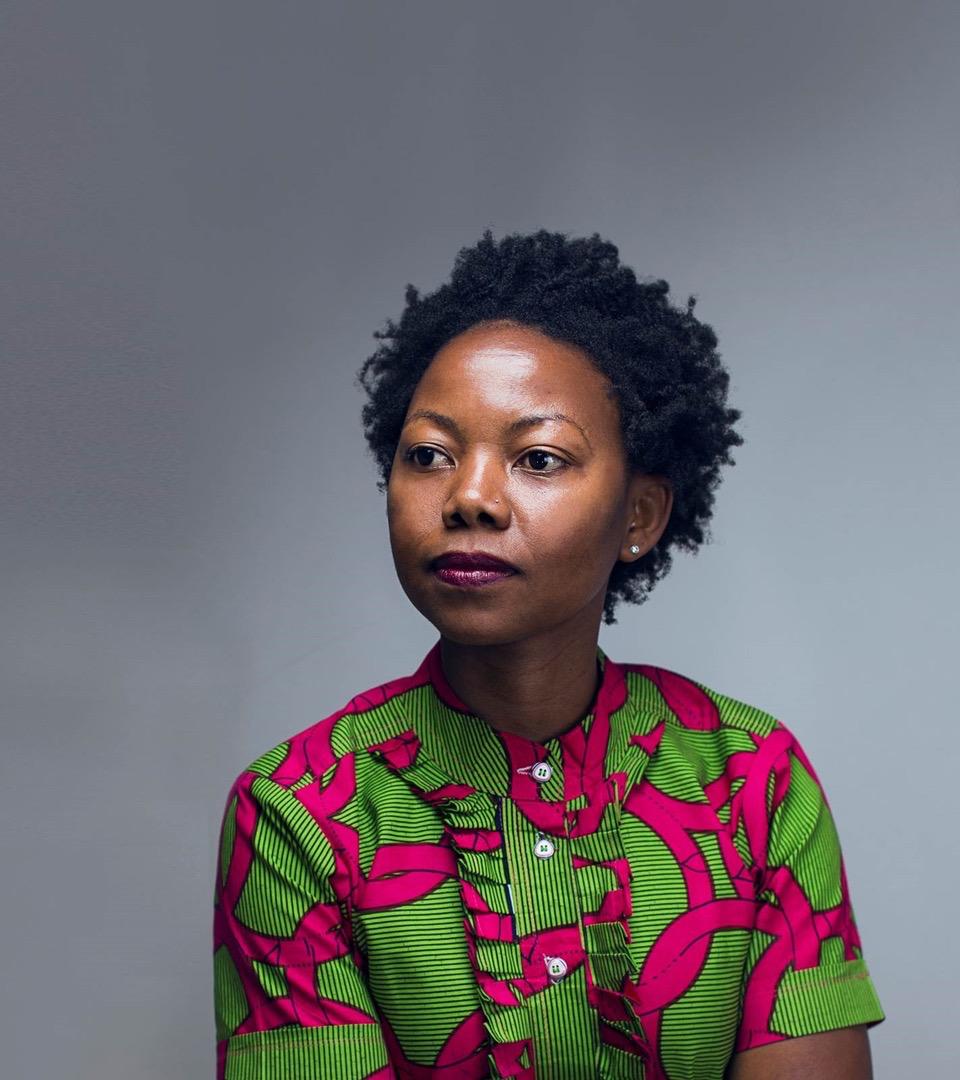
Mbulelo Mpofu, Zimpapers Arts and Entertainment Hub
ONE of Bulawayo’s best literary exports, NoViolet Bulawayo (born Elizabeth Zandile Tshele) will this afternoon (Monday) meet one on one with lovers of her work at the Mzilikazi Library.
This homecoming follows swiftly on the heels of her crowning achievement at the inaugural Words Across Waters Afro Lit Festival in September, where she was awarded the prestigious 2025 Best of Caine Prize.
The Caine Prize for African Writing, celebrating its landmark 25th anniversary this year, created the special Best of Caine Award specifically to honour the single most outstanding winning story from its entire history.
The honour went to NoViolet Bulawayo for her powerful 2011 short story, “Hitting Budapest,” the very work that first catapulted her onto the global literary stage by winning the Caine Prize itself fourteen years prior.
Ellah Wakatama OBE, Chair of the Caine Prize, made the momentous announcement.
The judging panel, an illustrious trio comprising Nobel Laureate Prof. Abdulrazak Gurnah (Chair), award-winning author Jennifer Nansubuga Makumbi, and critically acclaimed film producer Tony Tagoe, voted unanimously for “Hitting Budapest.”
They lauded its “powerful language, distinct tone of voice, and bold, compelling storytelling.”
Speaking from the festival, an elated NoViolet Bulawayo, who teaches creative writing at Cornell University in the USA, reflected deeply on the significance: “I wish to thank the Caine Prize and the judging panel for this incredible honour,” she began.
“Winning the Caine Prize as an unpublished writer back in 2011 was truly the kind of defining highlight to jumpstart a career. It brought my work to a global audience, affirmed my literary path, and strengthened my confidence and commitment to writing. Now, receiving the Best of Caine Award these many years later feels like a moment to reflect on the journey.”
She paid tribute to the community fostered by the Prize: “I warmly congratulate the twenty-four remarkable winning authors and finalists whose works have helped define the prize up to this moment. That many have gone on to build distinguished careers speaks to the indelible impact of the prize. It is twenty-five years of consistency, excellence, and vision.”
She dedicated the award “to the future writers still to come. I am truly excited to read you all, and witnessing how you continue to shape the landscape of African literature.”
The Caine Prize is widely recognised as a critical springboard for African writers, offering unparalleled global visibility and opportunities, including publishing deals and writing fellowships.
As Nobel Laureate Prof. Abdulrazak Gurnah stated, “For 25 years, the Caine Prize for African Writing has been at the forefront of both facilitating the emergence of new literary talent from the Continent and honouring seasoned authors who push the needle in their approach to storytelling. It is undeniably an important pillar of the African literary ecosystem.”
For attendees at the intimate gathering at Mzilikazi Library this afternoon, the event represents a rare opportunity to engage directly with a writer whose journey began locally and has soared to international acclaim.
NoViolet Bulawayo, whose novels “We Need New Names” (shortlisted for the Booker Prize and winner of the Pen/Hemingway Award and LA Times Book Prize Art Seidenbaum Award for First Fiction) and “Glory” (longlisted for the Women’s Prize, Aspen Words Literary Prize, and Rathbones Folio Prize) have cemented her reputation, returns not just as a celebrated author, but as a symbol of the vibrant possibilities of Zimbabwean and African literature.
In the past, she has spoken of how the late, iconic South African musician Brenda Fassie influenced her work, and literary lovers gathered at Mzilikazi may well hear echoes of that story – a reminder of the diverse cultural currents that shape a globally recognized voice now honoured as the ‘best of the best’ by Africa’s premier literary prize. Her visit is a powerful testament to the enduring importance of local roots, even as African literature continues to captivate the world. – Follow on X @MbuleloMpofu