

 Online Reporter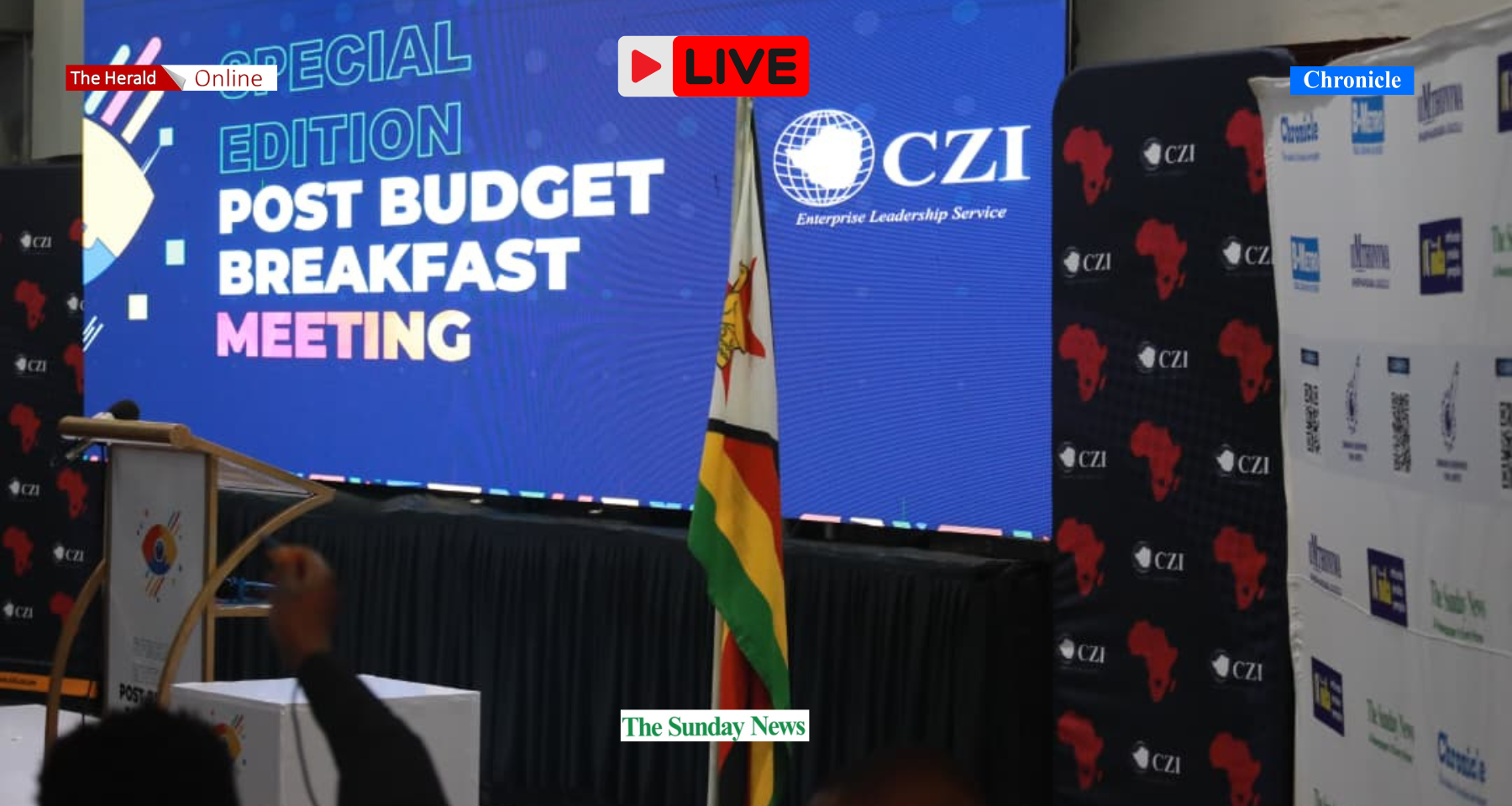
WELCOME to our live blog of the second edition of the Post-Budget Breakfast Meeting underway in Bulawayo, where Finance, Economic Development and Investment Promotion Minister, Professor Mthuli Ncube, is headlining a high-level economic engagement centred on the 2026 National Budget.
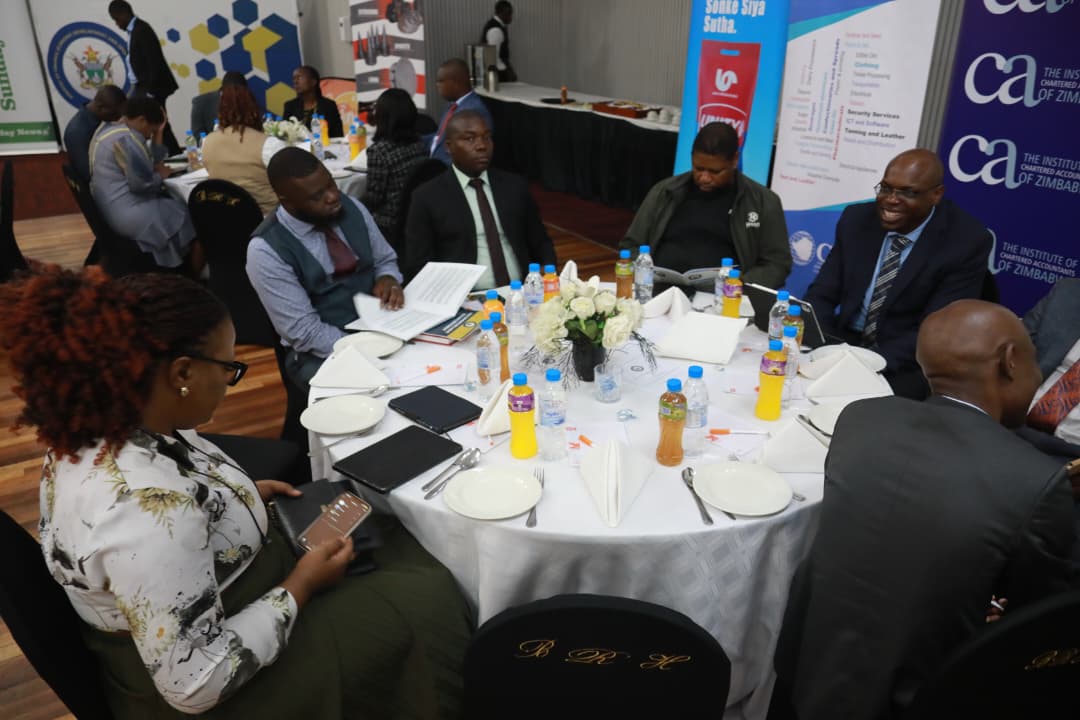
Hosted by Zimpapers, the country’s largest integrated media group, in partnership with the Confederation of Zimbabwe Industries (CZI), the platform brings together key stakeholders from business, industry, commerce and the financial sector to unpack the full implications of the 2026 fiscal plan.
The Budget, themed “Enhancing Drivers of Economic Growth and Transformation Towards Vision 2030,” is anchored on the newly launched National Development Strategy 2 (NDS2), which runs from 2026 to 2030 and builds on the gains of NDS1.
Today’s discussions are expected to provide deeper insight into proposed policy measures, reforms and incentives aimed at accelerating economic growth, strengthening macro-economic stability and enhancing private sector participation as Zimbabwe pushes towards upper-middle-income status by 2030.
Our reporters Nqobile Bhebhe and Judith Phiri are on the ground providing live updates of the meeting.
2026 National Budget highlights
As part of key 2026 growth prospects, the country’s economy is expected to grow by 5.0%, due to strong performance of key sectors, agriculture (5.4%), mining and quarrying (6.3%), manufacturing (3.7%), electricity generation (6.5%), and wholesale and retail trade (7.4%).
The country is also expected to have favourable weather conditions that will boost agricultural production, while higher investment in the manufacturing sector is expected to drive industrial output.
Government notes that the 2026 National Budget is a reflection of where the country is going under the National Development Strategy (NDS2).
The NDS2 is the new economic plan that will push the country towards Vision 2030 (2026-2030).
A total of ZiG307.7 billion will be shared across the NDS2 priority areas.
On revenue measures, the Government has reviewed the Intermediated Money Transfer Tax IMTT on ZiG-denominated transactions from 2% to 1.5%, in order to promote use of local currency and lower transaction costs.
IMTT on foreign currency transactions will be maintained at 2%; and this tax has been designated as a tax-deductible expense for purposes of Corporate Income Tax computation.

Customs duty on electric Public Service Buses imported by registered and tax-compliant operators, has been suspended from 25% to 0%.
Added to that Customs duty on the importation of conventional Public Service Buses by registered and tax-compliant operators, has been partially suspended to 10%.
The COMESA Simplified Trade Regime threshold has been increased from US$1 000 to US$2 000. This threshold will apply to countries with mutual reciprocal Frameworks.
Running from 2026 to 2030, NDS2 is the country’s economic blueprint for the next five years and is expected to provide renewed momentum as Zimbabwe seeks to attain upper-middle-income status by 2030.
The plan builds on the milestones of NDS1, which concludes this year, and sharpens Government focus on broad-based, transformative development.
Bulawayo Post-Budget Breakfast offers critical insight into 2026 National Budget – CZI
THE 2026 Post-Budget Breakfast Meeting in Bulawayo provides businesses, investors and analysts with a critical platform to gain deeper insights into policy measures contained in the National Budget, Confederation of Zimbabwe Industries (CZI) Matabeleland Chapter president Mr Stephen Ncube has said.
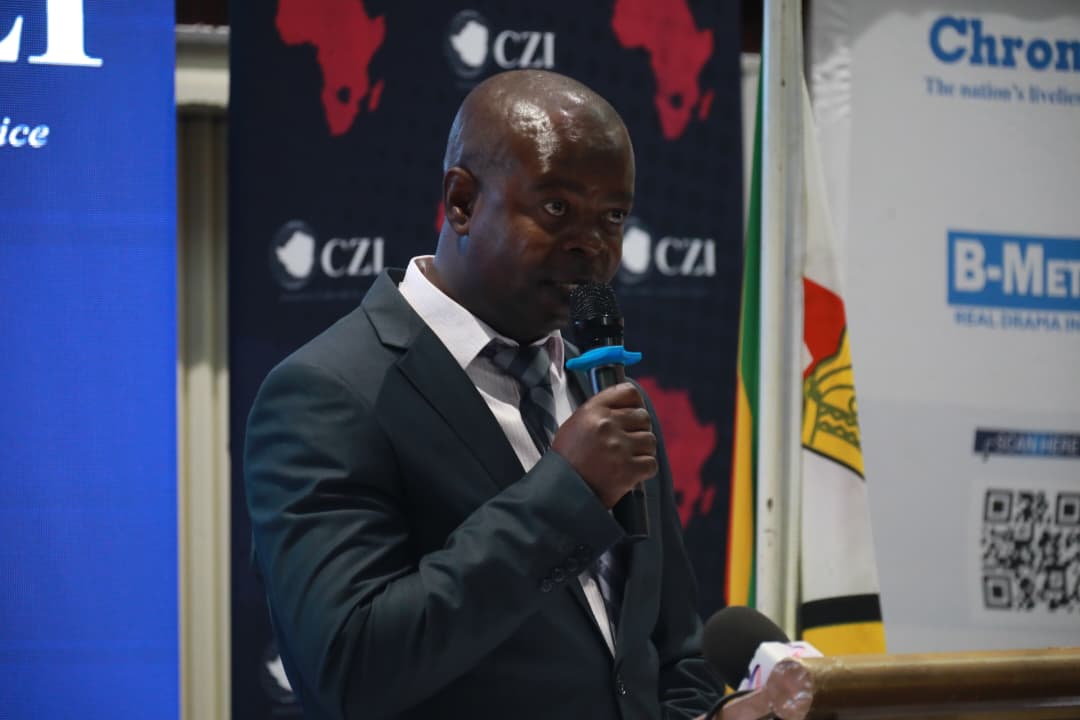
Delivering welcome and opening remarks at the event, Mr Ncube said the dialogue comes at a time when the economy is poised for accelerated growth, increased private sector participation and stronger macroeconomic stability.
He said meaningful dialogue was key to fostering collaboration, building trust and crafting shared solutions for sustainable economic growth.
“As CZI, we remain the leading business membership organisation for manufacturing and commerce, advocating for policies that drive growth and economic competitiveness,” said Mr Ncube.
He said the organisation actively engaged Government during the formulation of the 2026 National Budget, providing critical inputs aimed at boosting industrial production. He also commended recent ease-of-doing-business reforms and said CZI continues to participate in post-budget discussions to align fiscal policy with economic growth priorities.
Mr Ncube noted that CZI’s engagements focus on promoting macroeconomic stability, structural transformation and supporting productive sectors such as agriculture, mining and manufacturing.
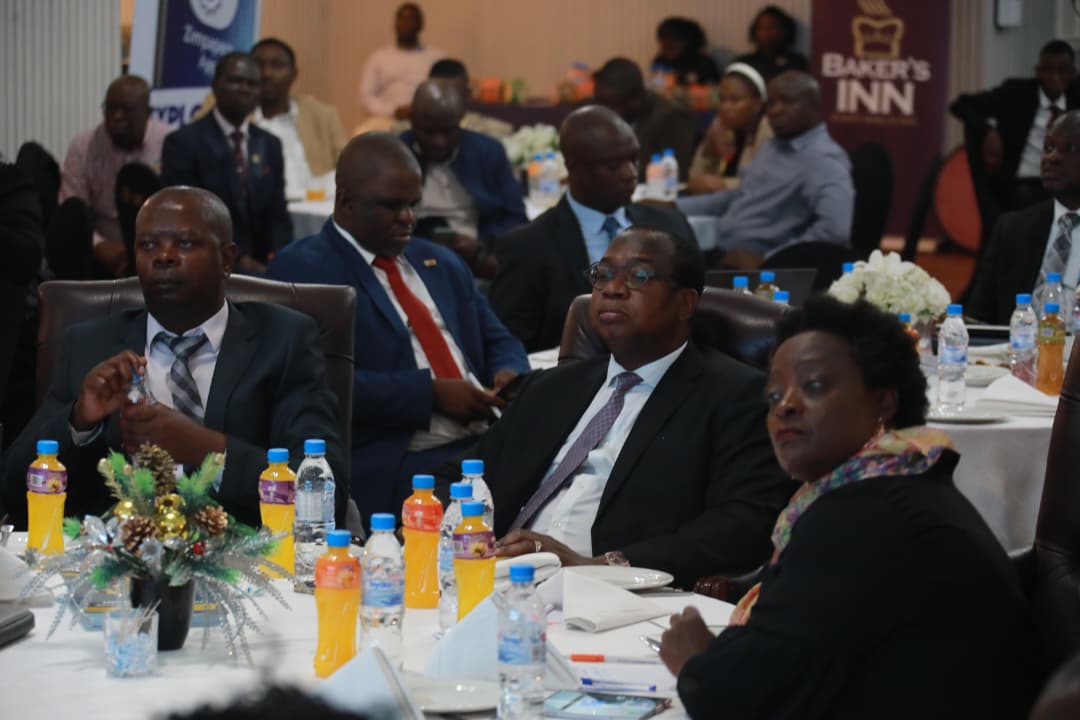
The meeting is hosted by Zimpapers, the country’s largest integrated media group, in collaboration with the Confederation of Zimbabwe Industries, and has attracted leading voices from the business and financial sectors to unpack the implications of the 2026 National Budget.
The high-level engagement comes a few weeks after Finance, Economic Development and Investment Promotion Minister Professor Mthuli Ncube presented the 2026 National Budget under the theme, “Enhancing Drivers of Economic Growth and Transformation Towards Vision 2030.”
Professor Ncube is expected to deliver the keynote address, while other speakers include United Refineries Limited managing director and Zimbabwe Investment and Development Agency (ZIDA) chairperson Dr Busisa Moyo, Bankers Association of Zimbabwe president Dr Sibongile Moyo, and BancEasy economist and managing director Mr James Wadi, among others.
The inaugural edition of the Post-Budget Breakfast Meeting was held in Harare last week.
Allocate more funds to manufacturing, Dr Busisa Moyo urges Government
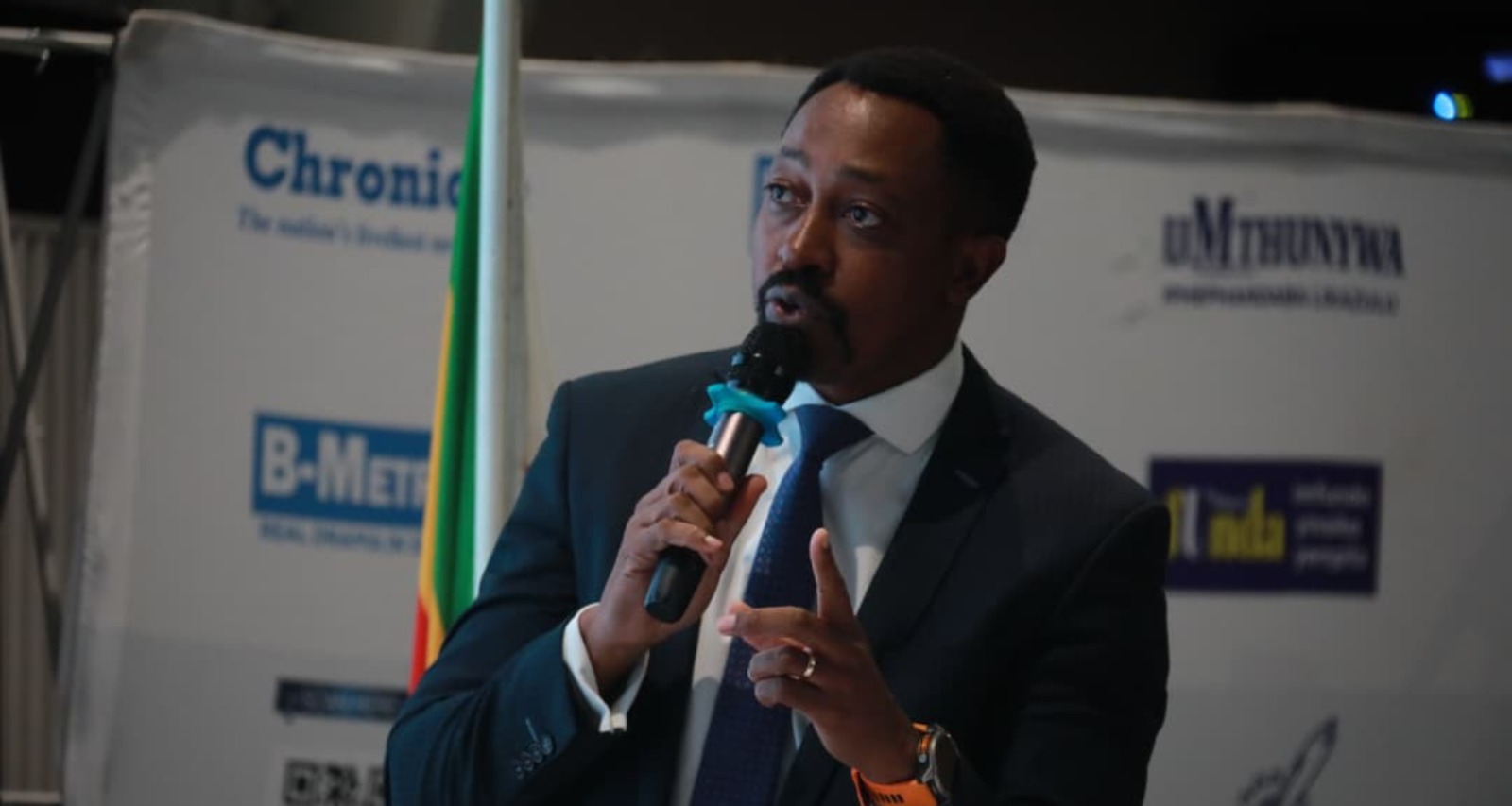
INDUSTRIALISTS Dr Busisa Moyo has called on Government to increase budgetary allocations to the manufacturing sector, saying it should be positioned as the main driver of economic growth.
Speaking at the oversubscribed 2026 National Budget Breakfast Meeting in Bulawayo on Monday morning, Dr Moyo said allocations to industry remain too small when measured against the scale of programmes required to drive industrial expansion.
“Based on the budget, allocation to industry seems very small given where we are and the programmes needed for the manufacturing sector and industrial expansion. We encourage a much healthier figure in future,” he said.
Dr Moyo noted that indications from the budget point to a slight slowdown in manufacturing growth, stressing that the quality of manufacturing-led growth was critical.
“From the budget one can see manufacturing growth slowing down slightly. The quality of manufacturing-led growth is important. I believe that the manufacturing sector should be leading the growth. As CZI, we firmly believe in value addition,” he said.
He warned that Zimbabwe risks falling behind regional peers who are investing heavily in industrial development.
“Neighbouring countries are putting a lot of emphasis on industry and we certainly do not want to be left behind. Why? Simply because primary production is very valuable, but the standard deviation or variability of earnings from primary production is very high,” said Dr Moyo.
Turning to investment flows, he said foreign direct investment (FDI) and private sector credit remain insufficient to support higher economic growth.
“Zimbabwe is at circa 4 to 8 percent when lending to the private sector, which stands at about US$2.5 billion. With FDI at US$3.2 billion, we are still financing only a total of about 12 to 15 percent of private sector needs,” he said.
Dr Moyo said higher GDP growth would depend on stronger incentives, increased foreign direct investment and expanded private sector credit.
WATCH: “Zimbabwe on the cusp of economic ‘Golden Era’ – Professor Mthuli Ncube”
ZIMBABWE is on the cusp of an economic golden era, Finance, Economic Development and Investment Promotion Minister Professor Mthuli Ncube has said.
Delivering a keynote address at the 2026 National Budget Breakfast Meeting in Bulawayo, Prof Ncube said Government was focused on stabilising the economy and intensifying efforts to ease the cost of doing business.
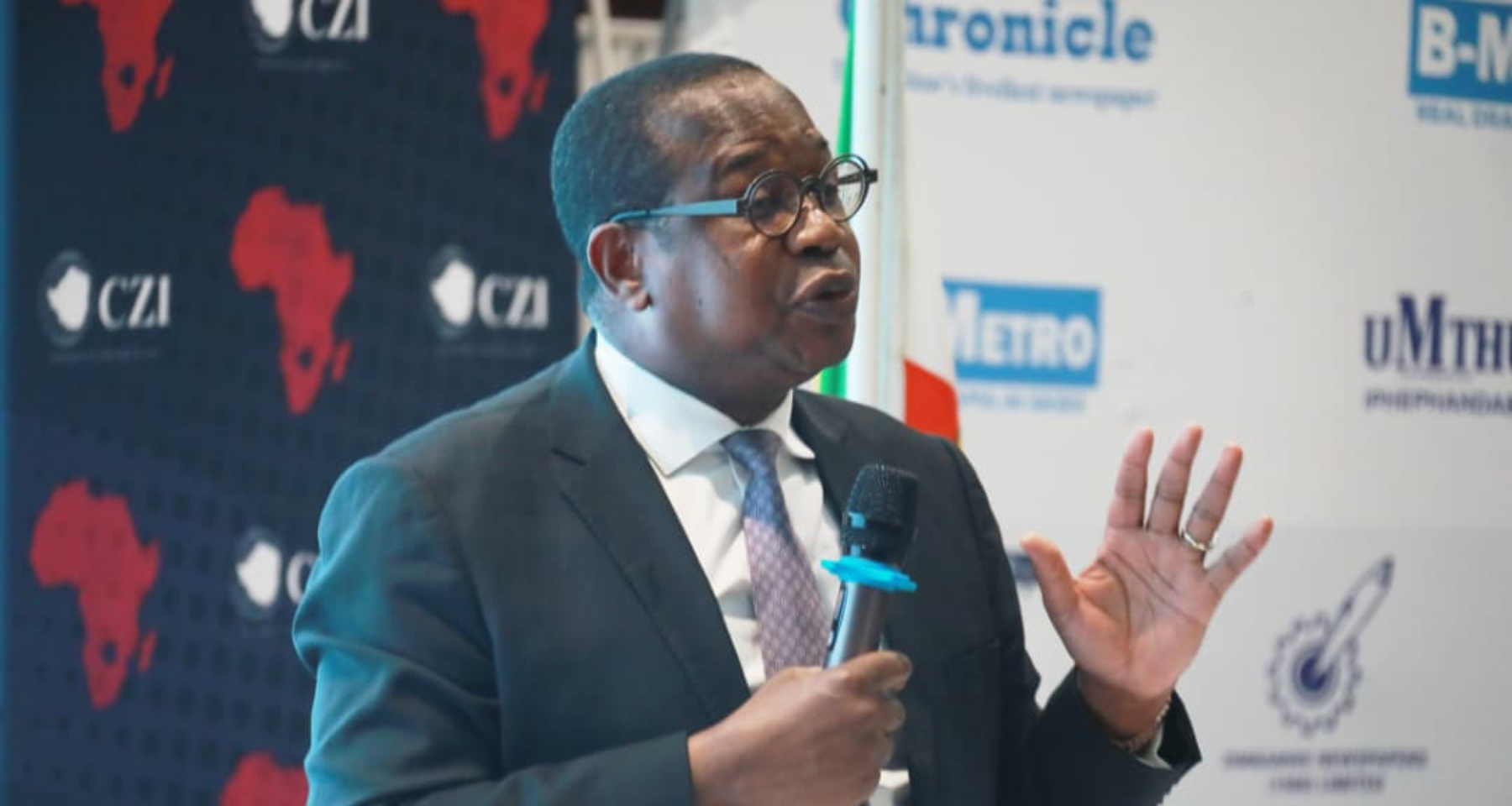
He told business leaders and policymakers that Government is targeting a single-digit inflation environment in ZiG by the first quarter of 2026, a milestone last achieved in 1997.
🔴LIVE: Finance Minister Professor Mthuli Ncube headlines Post-Budget Breakfast Meeting in Bulawayo
Follow live updates here: https://www.heraldonline.co.zw/live-finance-minister-professor-mthuli-ncube-headlines-post-budget-breakfast-meeting-in-bulawayo/
“This is the beginning of the golden era for Zimbabwe. We are at the cusp for the first time in 32 years, and I declare that,” said Prof Ncube.
He said Government was also preparing a comprehensive financial and banking sector strategy aligned with Vision 2030, aimed at supporting long-term economic transformation.
The Minister emphasised the need to rekindle industrial growth and strengthen value chains, while calling on banks to play a leading role in driving the development of an offshore financial services sector.
Prof Ncube said the 2026 National Budget is firmly anchored on the pillars of the National Development Strategy 2 (NDS2), adding that NDS1 had delivered results, with key targets successfully met.
He commended several value chains that performed strongly under NDS1, including iron and steel, oil extraction, dairy, cotton and clothing, leather and textiles, as well as the minerals sector.
The meeting was hosted by Zimpapers, the country’s largest integrated media group, in collaboration with the Confederation of Zimbabwe Industries (CZI), and attracted leading voices from business and the financial sector to unpack the implications of the 2026 National Budget.
The high-level engagement comes a few weeks after Prof Ncube presented the 2026 National Budget, themed “Enhancing Drivers of Economic Growth and Transformation Towards Vision 2030.”
The first edition of the Post-Budget Breakfast Meeting was held in Harare last week.
Prof Mthuli Ncube calls for vacant Bulawayo factories to become global call Centre hubs
Finance, Economic Development and Investment Promotion Minister, Professor Mthuli Ncube, has challenged stakeholders to transform Bulawayo’s vacant factories into hubs for global call centres and knowledge processing, unveiling significant tax incentives to support the sector’s growth.
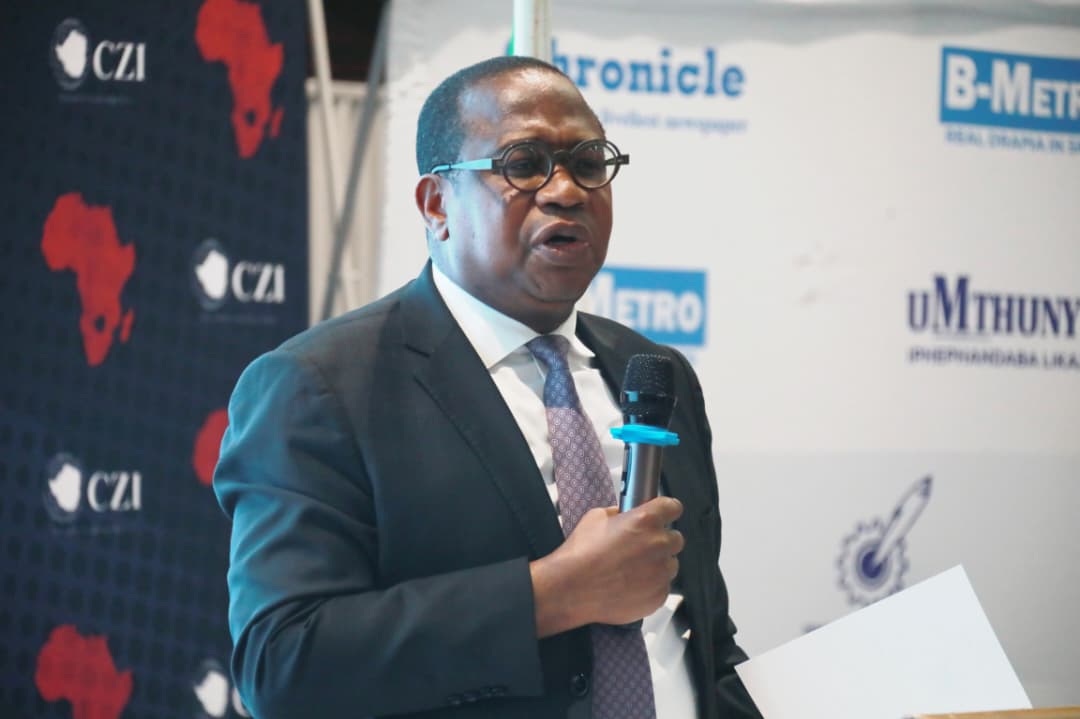
Speaking at an oversubscribed 2026 Post-Budget Breakfast Meeting in Bulawayo, Prof Ncube outlined a strategic push to position both the city and Zimbabwe as a competitive destination for Business Process Outsourcing (BPO) and Knowledge Process Outsourcing (KPO).
The Minister announced that the Government has formally granted Special Economic Zone (SEZ) status incentives to the sector, placing it on par with other export-oriented industries.
“Then there is an issue of call centres,” Prof Ncube said, referencing the national budget. “There’s a paragraph in the main budget document which talks about the BPOs—business process organisations. These are call centres and knowledge-based processing organisations, which mainly focus on the ICT sector.”
Detailing the fiscal support, he added: “We have basically given Special Economic Zone status incentives to this sector, so that when you operate in this sector, servicing mainly offshore clients, you are as good as operating in an export processing zone. You have the same incentives.”
Emphasising the national priority attached to this initiative, the Minister concluded: “We really want to drive this sector. I am looking forward to some of these factories in Bulawayo being occupied by BPOs and KPOs going forward.”
The initiative is aimed at attracting investment, creating youth employment, and generating foreign currency through the export of ICT-enabled services.
Prof Ncube hails Bulawayo post-budget meeting as a success, pledges to consider stakeholder inputs
Finance, Economic Development and Investment Promotion Minister Professor Mthuli Ncube has said the 2026 post-budget meeting in Bulawayo was a success, noting that the inputs will be considered in refining the budget.
The oversubscribed post-budget meeting in Bulawayo was hosted by Zimpapers and the Confederation of Zimbabwe Industries and attended by a wide cross-section of stakeholders.
“The meeting was an eye-opener and the views will be considered. My wish is to have more of these engagements in Bulawayo,” said Prof Ncube.
In his detailed presentation, Professor Ncube highlighted several National Development Strategy successes that will anchor the National Development Strategy 2. He stressed to stakeholders that by 31 December 2030, the country will have attained an upper-middle-income economy.
He added that the Government is determined to see further ZIG stability, noting that the country is on the cusp of an “economic golden era.”


