Chronicle Editor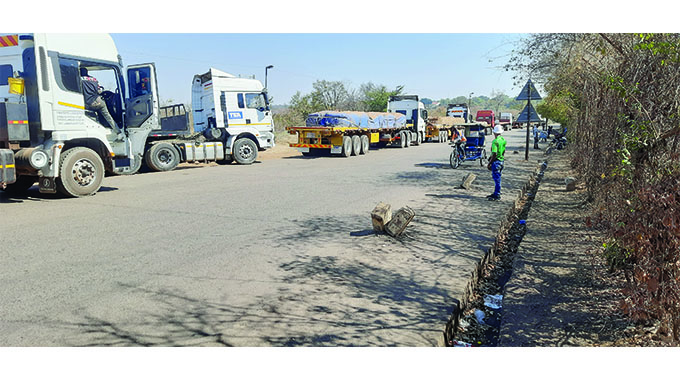
Leonard Ncube – [email protected]
EFFORTS by multi-stakeholders to keep the city of Victoria Falls clean as a tourism destination could be derailed by litterbugs that deliberately dump litter at the Zimbabwe-Zambia border.
The stakeholders that include individuals, companies and organisations last year formed the Pristine Victoria Falls Society Initiative (PVFSI) which gave birth to the Victoria Falls waste management taskforce to work towards transforming the city into one of Africa’s cleanest cities.
The taskforce comprising PVFSI, Environmental Management Authority (EMA), Victoria Falls City Council and police is supposed to ensure the city is kept clean.Organisations and individuals have adopted areas they clean daily in compliance with the Presidential Clean-Up declaration.
On December 5, 2018, President Mnangagwa declared the first Friday of every month a National Clean-up Day after successfully launching the National Clean-Up Campaign under the theme “Zero Tolerance to Litter – My Environment, My Pride” Keeping the streets and environment of Victoria Falls clean is a top priority under the green tourism initiative.Litter is also dangerous to wildlife and elephants have died after eating indigestible plastics.
Concern has been raised about litterbugs who negate the goals and continue dumping litter around the city especially along roads, behind shops, markets and restaurants.The most worrying is the litter made up of mostly plastic bottles and plastic papers dumped largely by truck drivers, taxi drivers, clearing agents and vendors between the border and Victoria Falls Bridge.
Every day there is a long queue of haulage trucks parked on the side of the road between the Victoria Falls Bridge and Victoria Falls border post as they wait to be cleared for passage into the country.The truck drivers are joined by taxi drivers that ply between the two borders, vendors who sell foodstuffs and clearing agent that deliberately throw litter on the ground resulting in plastic waste making its way into the Victoria Falls National Park (Rainforest) thereby putting wildlife at risk.
Besides the land pollution at the border and edge of the park which is an eyesore to tourists, there is a risk of the plastic waste being washed down into the river thereby causing water pollution.PVFSI members expressed concern over the amount of litter.A Chronicle news crew yesterday visited the border post and observed that people operating in the area had picked up some of the plastic waste along the road. However, inside the park’s fence, it was dirty.
The litterbugs blame baboons for emptying the litter from refuse bins. The situation is better on the Zimbabwean side of the border as trucks do not spend long hours since they are cleared while still at the truck stop near Masuwe River.Zambian hawkers selling goods near the border said they had picked some plastic papers, beer bottles and plastic bottles because the place was dirty.A storm drain on the edge of the road is littered with plastic and heaps of garbage.The waste management taskforce manager Mr Douglas Musiringofa said Kazungula and Victoria Falls border posts are some of the biggest challenges in terms of waste accumulation.
“The irony of it is that these areas fall within the most sensitive tourism areas and it is in our interest to ensure they are always clean. They speak for us as we continue to campaign and strive to become one of the cleanest cities in Africa,” he said.Mr Musiringofa said the Zimbabwe-Zambia border post was even worse as it is located just next to the majestic Victoria Falls. “We have companies and Government departments that have pledged to clean these areas but they seem to be failing to keep up with the rate of littering,” he said.
Mr Musiringofa said plans are underway to come up with a sustainable solution to the challenge.A clean Victoria Falls is key to the city’s quest to become the cleanest destination in the world as it helps attract more travellers.Upgraded in 2019, the city has moved an inch closer to becoming a smart green city after implementing a number of projects that include completing the construction of a low-cost engineered landfill, water, sanitation and hygiene (Wash) project to improve sanitation services and solid waste management.The city council also installed solar-powered street lights along the Livingstone Way and put zero-emission and climate-neutral activities at the top of its five-year strategic plan, which will be aligned to the National Development Strategy (NDS1).
The ambitious plan is a replica of Sweden’s port city of Gothenburg which has set sights on becoming the world’s first climate-neutral city by 2030.-@ncubeleon



 Online Reporter