

 Online Reporter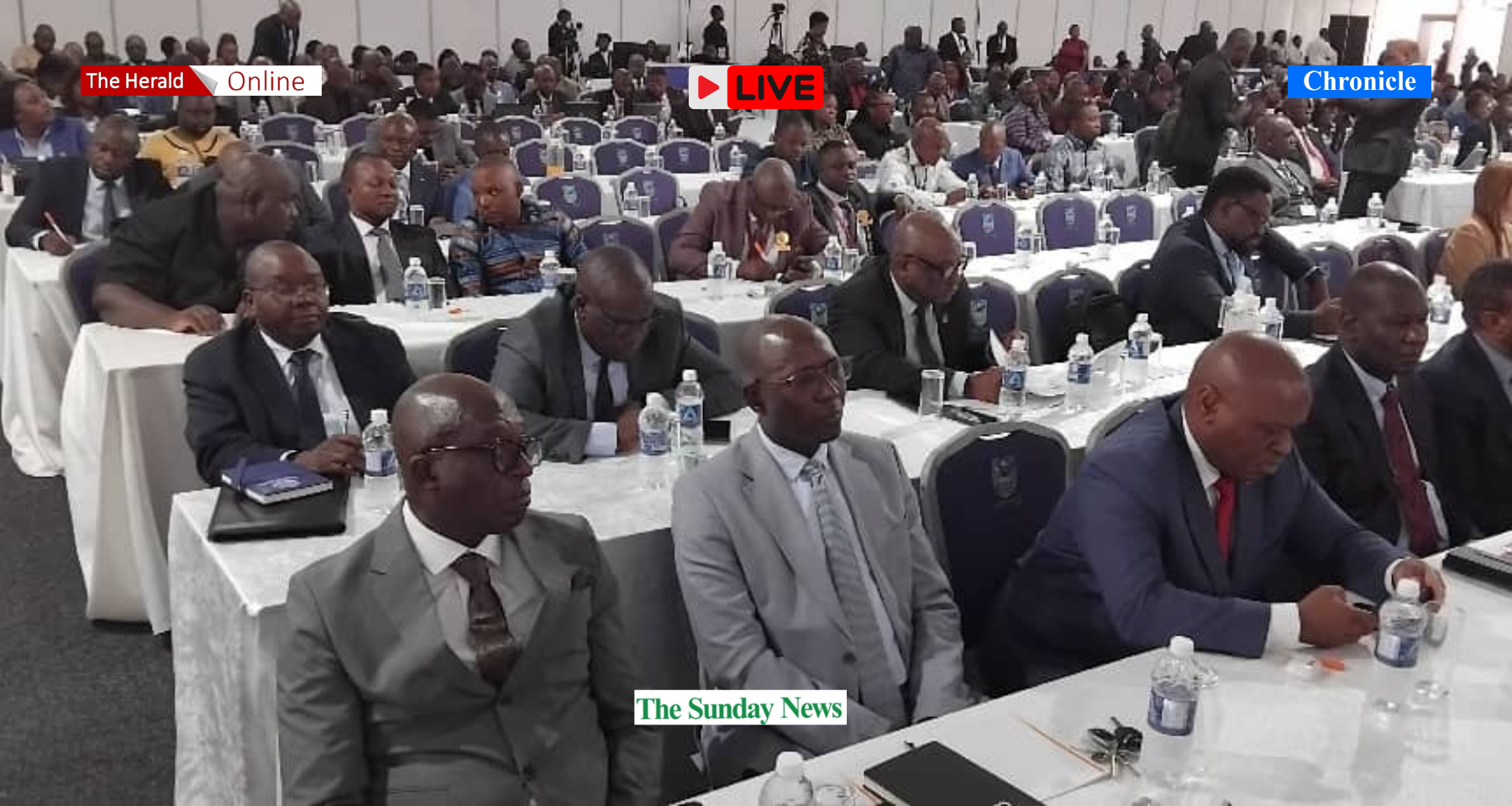
Welcome to our live coverage of the 2026 Pre-Budget Seminar taking place in Bulawayo, where parliamentarians, policymakers, economic experts, and key stakeholders have gathered to shape the direction of Zimbabwe’s next National Budget.
Running under the theme “Enhancing Drivers of Economic Growth and Transformation Towards Vision 2030,” the three-day seminar provides a platform for critical discussions on fiscal priorities, economic performance, and strategies to accelerate national development.
Finance, Economic Development and Investment Promotion Minister Professor Mthuli Ncube and Reserve Bank of Zimbabwe Governor Dr John Mushayavanhu headline today’s programme, delivering key presentations on the economic outlook, fiscal framework and the alignment of monetary and fiscal policy.
Follow this live blog for real-time updates, key quotes, policy highlights, and expert insights as Zimbabwe’s leaders deliberate on priorities that will drive inclusive growth and sustainable transformation in 2026 and beyond.
Zimpapers Business Hub’s Nqobile Bhebhe and Sikhulekelani Moyo will be giving live updates of the Seminar.
All eyes on Bulawayo as Government, experts set 2026 Budget agenda
PARLIAMENTARIANS, policymakers, economic experts and key stakeholders have convened in Bulawayo for the 2026 Pre-Budget Seminar — a three-day strategic meeting that sets the tone for the formulation of next year’s National Budget.
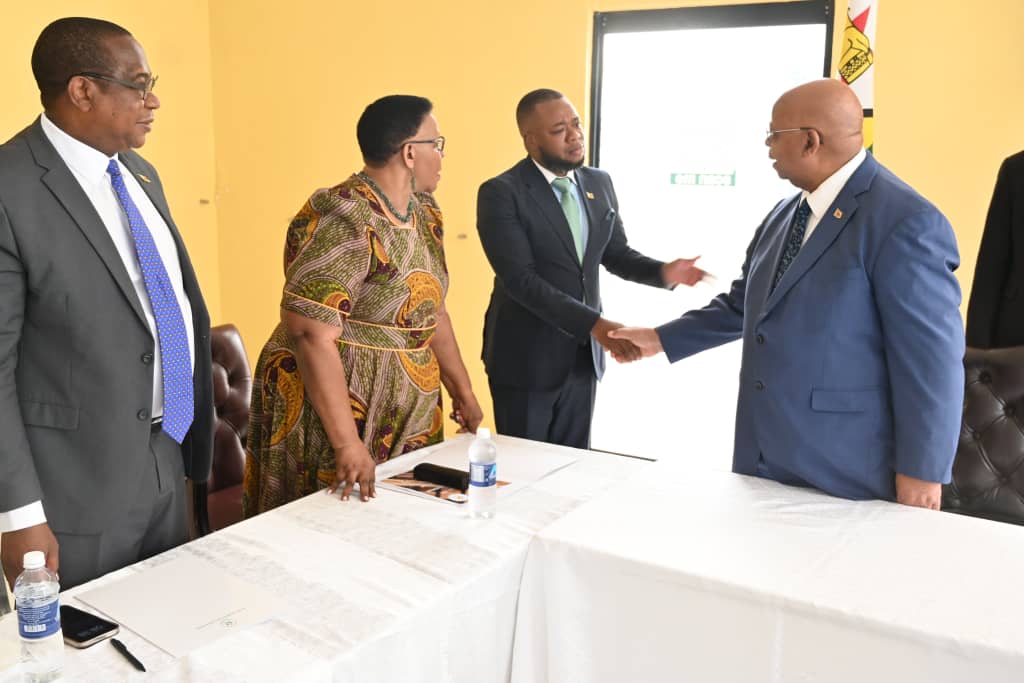
The seminar, titled “Enhancing Drivers of Economic Growth and Transformation Towards Vision 2030,” will focus on key fiscal, economic, and development issues that cut across all sectors of the economy.
The annual Pre-Budget Seminar forms a vital part of Zimbabwe’s fiscal planning architecture, ensuring that citizens’ voices are incorporated into national priorities and resource allocation.
It reinforces the principles of transparency, accountability and inclusivity in the management of public finances. According to the programme, Finance, Economic Development and Investment Promotion Minister Professor Mthuli Ncube and Reserve Bank of Zimbabwe (RBZ) Governor Dr John Mushayavanhu are expected to lead key discussions alongside Government ministers and chairpersons of various parliamentary portfolio committees.
Prof Ncube is set to deliver a presentation on “Performance of the 2025 National Budget, 2026 Revenue and Expenditure Targets, Fiscal Framework, Economic Outlook and Key Budget Assumptions.”
Dr Mushayavanhu will present on “Monetary Policy Complementing Fiscal Policy in Consolidating Economic Transformation Towards Vision 2030: Implications on the 2026 National Budget.” Parliamentary portfolio committee chairpersons will share outcomes from stakeholder consultations, while ministers will provide policy responses and perspectives.
For instance, today the Chairperson of the Budget, Finance, Economic Development and Investment Promotion Committee is scheduled to present on “Key Priorities for the 2026 Budget: Report on the Public Consultations Conducted by Parliament on Priorities for the 2026 Budget.”
Prof Ncube and Dr Mushayavanhu will then give responses following the finance-related presentations. Similarly, the Portfolio Committee on Tourism and Hospitality Industry will table its consultation report, to which Tourism and Hospitality Industry Minister Barbara Rwodzi is expected to respond.
Revive Bulawayo’s industrial glory, Minister Ncube urges at Pre-Budget Seminar
In her welcoming remarks, Bulawayo Provincial Affairs and Devolution Minister Judith Ncube said the 2026 budget should focus on revitalisation of the city to its former glory of being the country’s industrial hub.
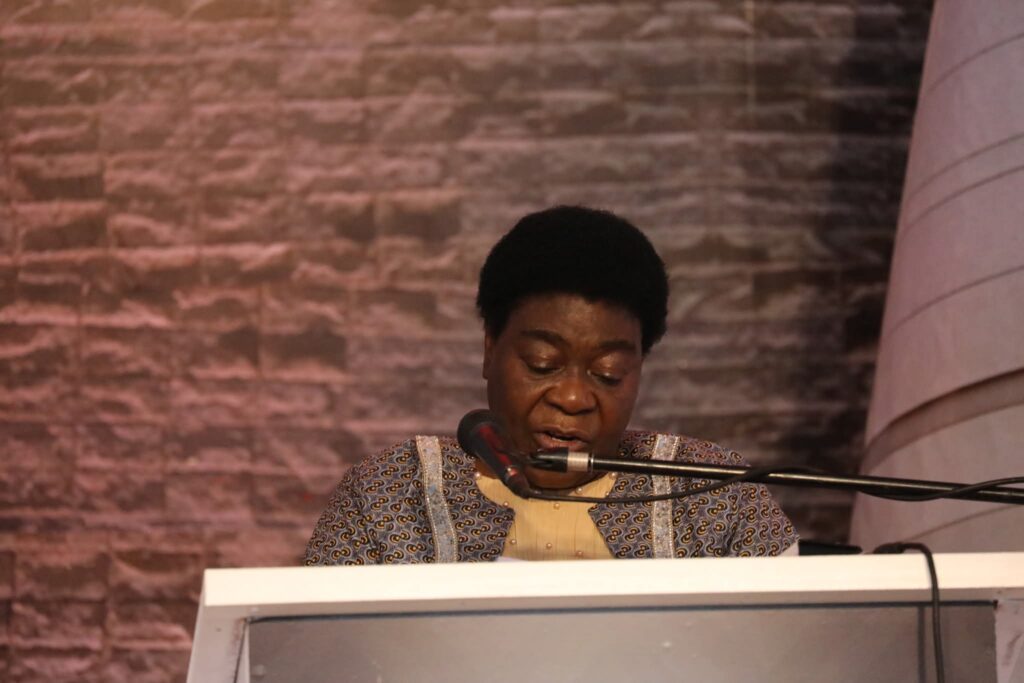
She said the closure of companies saw many people losing jobs, leaving skilled people eager to contribute to the country’s economic development.
“This year’s budget presents an opportunity to prioritise the revival of Bulawayo through targeted allocations, incentives packages, and infrastructure rehabilitation,” said Minister Ncube.
“Such an investment would not only restore our provincial economy but also significantly contribute to national GDP and employment creation.”
“Majority of Zimbabweans now Middle-Income, spending over $9 a day — Proff Mthuli Ncube”
Finance, Economic Development and Investment Promotion Minister, Professor Mthuli Ncube has said the majority of Zimbabweans have now reached middle income status, as they are spending more than US$9 per day on average.
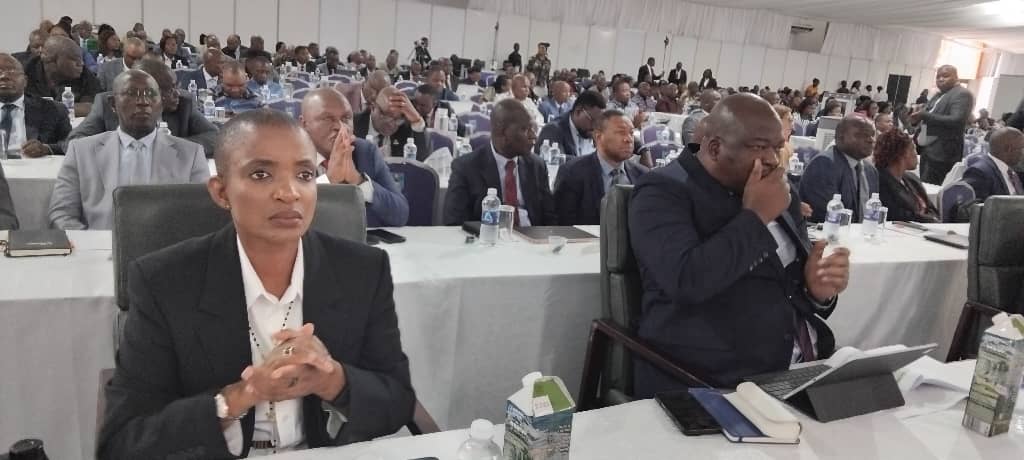
Addressing delegates at the ongoing 2026 Pre-Budget Seminar in Bulawayo, Prof Ncube said the country was on course to achieve its Vision 2030 goal of attaining an upper middle-income economy, in line with the National Development Strategy 1 (NDS1).
“The National Development Strategy 1, which is our national development strategy, is coming to an end at the end of the year, 31 December. I am happy to report that the average rate of economic growth during the five-year period 2021 to 2025 will be of the order of 5.6 percent of GDP because we are expecting 6.6 percent rate of growth this year,” said Prof Ncube.
He noted that the figures were in line with government projections under NDS1.
“So that figure is actually on target. Our target for the period was about 5.2 percent. So 5.6 percent — I think we have done well in meeting that target,” he said.
The Minister noted that Zimbabwe had witnessed accelerated investment in infrastructure, particularly in roads, dams and energy projects, through both government initiatives and private sector participation.
“I think it’s fair to say as well, during the NDS1 period, we have seen accelerated investments in the infrastructure sector , our roads, our dams specifically, and now we are beginning to see investments in the energy space, both by government as well as the independent power producers,” said Prof Ncube.
He expressed optimism that the country was firmly on the path to achieving upper middle-income status by 2030.
“We think that really we are on track to achieve upper middle income status. In fact, there is a slight feather down with the macro-fiscal framework. You will see that by year 2030, we will be very close to, if not have achieved, the upper middle income status,” said Prof Ncube.
According to World Bank classifications, countries with a Gross National Income (GNI) per capita of at least US$4,500 qualify as upper middle-income economies.
“So the minimum GNI per capita should be US$4,500 per person, and this is an annual figure. That means that you ought to be able to spend on any given day no less than US$12 per person. Currently, on average, with the GNI per capita of US$3,300, that implies that we are spending US$9 per day,” said the Minister.
He added that the current spending levels were already reflective of a middle-income society.
“So if you are able to spend nine dollars per day, consistently through the year, you are already middle income. You are already middle income. But to get to upper middle income, you should be US$12. Since you are already spending nine dollars, you are already there,” he said.
Prof Ncube said the achievements under NDS1 demonstrated the effectiveness of the government’s economic reforms and investment drive, which have been focused on stabilising the macroeconomic environment and stimulating sustainable growth.
The NDS1, launched in 2021, serves as the government’s blueprint for economic transformation, with a focus on achieving Vision 2030 — an upper middle-income economy characterised by growth, stability and improved standards of living for all Zimbabweans.
UPDATE :
Gold coin investors in for rich pickings — Prof Ncube
Finance, Economic Development and Investment Promotion Minister, Professor Mthuli Ncube, says Zimbabweans who invested in gold coins are set for rich pickings as global gold prices continue to soar.
Gold coins were introduced in 2022 as part of Government’s monetary policy measures to curb inflation by mopping up excess liquidity in the market while providing investors with a secure store of value and a hedge against inflation.
The coins quickly gained traction among both institutional and retail investors, prompting the Reserve Bank of Zimbabwe (RBZ) to later introduce larger denominations to cater for high-value investors.
Addressing delegates at the ongoing 2026 Pre-Budget Seminar in Bulawayo, Prof Ncube commended the foresight of those who invested early in the gold coins, noting the significant appreciation in global gold prices.
“When we introduced the gold coins, the price was around US$2 000 per ounce but now its price is US$4 400. This is good money but don’t sell yet,” he said.
The Minister’s remarks come as gold continues to strengthen on the international markets, buoyed by global economic uncertainties and increased demand for safe-haven assets.
Prof Ncube said the strong performance of gold validates the Government’s decision to introduce the coins as a viable investment instrument that benefits ordinary citizens and institutions alike.
The gold coin initiative remains one of the key policy tools under the Second Republic’s strategy to stabilise the economy, promote savings, and safeguard the value of local wealth against inflationary pressures.
“Zimbabwe eyes nuclear power and Hwange expansion to boost energy supply — Finance Minister Professor Ncube”
Zimbabwe must not shy away from exploring nuclear energy as a clean, efficient and modern source of power, while at the same time expanding capacity at Hwange Power Station, Finance, Economic Development and Investment Promotion Minister, Professor Mthuli Ncube, has said.
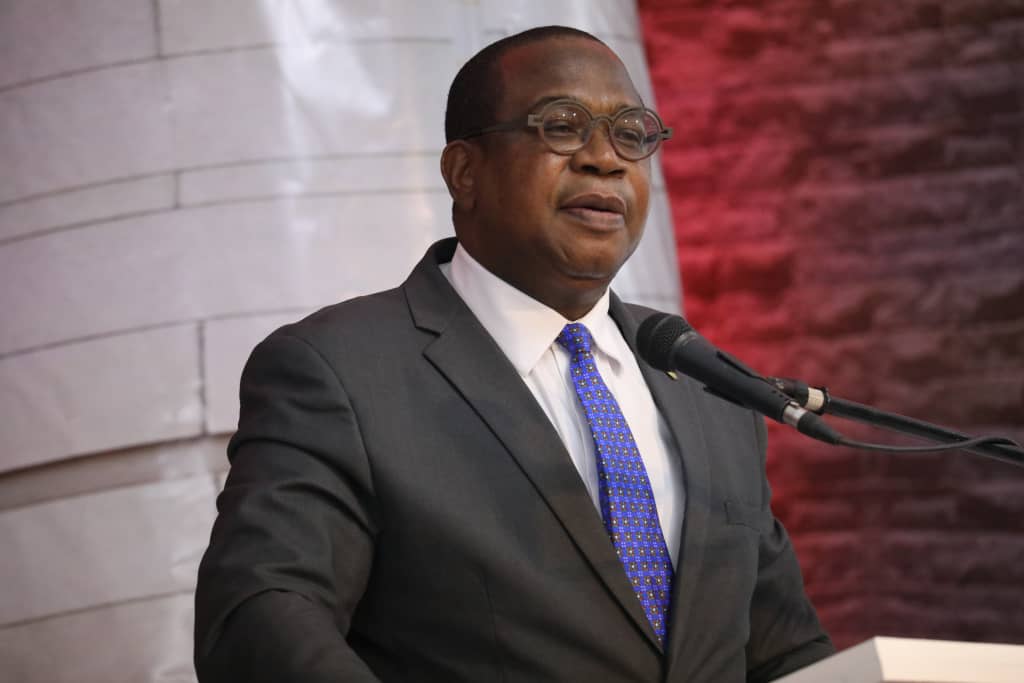
Speaking during the ongoing 2026 Pre-Budget Seminar in Bulawayo, Prof Ncube said the country must continue to enhance power generation to sustain rapid economic growth under the National Development Strategy 1 (NDS1) and beyond.
“On power generation, again, we have seen steady progress. Mr Speaker and colleagues, I think we need another Hwange unit 9 and 10. We have to work on that as an executive over the next few years,” said Prof Ncube.
He said Government had already entered into a partnership with an Indian company to upgrade existing thermal units, but stressed the need for additional investments to meet growing electricity demand.
“And what we have, we have done an arrangement with a company in India for the upgrade of units 1 to 6 but we need additional units,” he said.
Prof Ncube said Zimbabwe should also position itself to harness nuclear power as part of its long-term energy strategy, describing it as a clean and cost-effective option.
“But also, there is no reason why we cannot go nuclear as well. It is cleaner, more efficient. We can deploy a 300 megawatt nuclear unit within six months, but we need to invest in the expertise,” said the Minister.
“We currently have 100 students who are studying nuclear subjects in the appropriate countries. But it is one thing to be in a university, it is another to really manage the facility. So maybe we need some skills upgrade before we really take on nuclear,” he said.
Prof Ncube underscored that nuclear energy represented a globally competitive investment, offering value for money compared to traditional energy sources.
“But that is the way to go and that is nicely priced at the appropriate level where you pay US$1 million per megawatt. That is the global standard. The moment you pay more than that, you are overpaying for power, at least for both coal and nuclear,” he said.
WATCH: Prof Ncube proposes trade-off: Cut IMTT, raise VAT
Finance, Economic Development and Investment Promotion Minister, Professor Mthuli Ncube, has proposed a balancing act in the country’s fiscal framework suggesting a half percent reduction in the Intermediated Money Transfer Tax (IMTT), offset by an equivalent increase in Value Added Tax (VAT).
Addressing delegates at the ongoing 2026 Pre-Budget Seminar in Bulawayo, Professor Ncube responded to calls for a reduction of the IMTT, noting that the levy has been a key source of funding for critical national programmes.
He noted that the IMTT had played a pivotal role in financing major infrastructure projects as well as the procurement of COVID-19 vaccines during the pandemic.
“We can reduce IMTT by half a percent, but provided to allow us to increase VAT by half a percent,” said Professor Ncube.
“You don’t have to respond, you can tell me afterwards how you feel.
But we need that revenue, or else we cannot function.”
Delegates said the proposal might spark robust debate among legislators, economic analysts and business stakeholders as Government seeks to strike a delicate balance between stimulating economic activity and maintaining fiscal stability.
Government releases 25 million ZIG for Constituency Development Fund
The Government on Tuesday released 25 million ZIG towards the Constituency Development Fund (CDF) as part of ongoing efforts to ensure equitable development across the country’s constituencies.
Finance, Economic Development and Investment Promotion Minister, Professor Mthuli Ncube, told delegates at the ongoing 2026 pre-budget seminar in Bulawayo that the Government remained committed to ensuring that no constituency is left behind in the disbursement process, despite fiscal constraints.

“We strive to do better to make sure that no place is left behind. But cash resources have been a challenge, to be fair,” said Prof Ncube.
He stressed the Government’s determination to ensure that all legislators access their CDF allocations this year.
“On CDF, I am trying very hard. If there is one thing that we need to do this year, it is to disperse the CDF to everybody this year. So, as I speak, yesterday 25 million ZIG was dispatched. Yes, I did,” said Prof Ncube.
He urged Members of Parliament to ensure that they complete the necessary application processes to access the funds.
“Please check your accounts, but I noticed that there are still some MPs, Chairman and Speaker, who have not applied. I have got the list. If you want to know who you are, I can tell you who you are. I just received the list, so just make sure that if you have not applied, please apply. We are working very hard to make sure that everyone is covered with the CDF this year,” he added.
In a related development, Prof Ncube revealed that the Government has acquired the Monomotapa Hotel to cater for Members of Parliament’s accommodation needs during parliamentary sessions and national events.
“The Government has acquired the Monomotapa Hotel to provide accommodation for Members of Parliament. This strategic move is aimed at ensuring the comfort and convenience of legislators during parliamentary sessions and national events, while also reducing accommodation costs previously incurred through private bookings.
“The acquisition reflects the Government’s commitment to improving the welfare of Parliamentarians and enhancing institutional efficiency in the execution of legislative duties,” said Prof Ncube.
The CDF is a key Government initiative aimed at promoting grassroots development by availing funds directly to constituencies for local infrastructure projects and community empowerment programmes.
With the latest disbursement, the Government has reaffirmed its commitment to inclusive development and fiscal decentralisation, ensuring that all constituencies benefit from national resources.
This emerged during the ongoing 2026 National Budget consultations held by the Parliamentary Portfolio Committee on Budget, Finance and Investment Promotion.
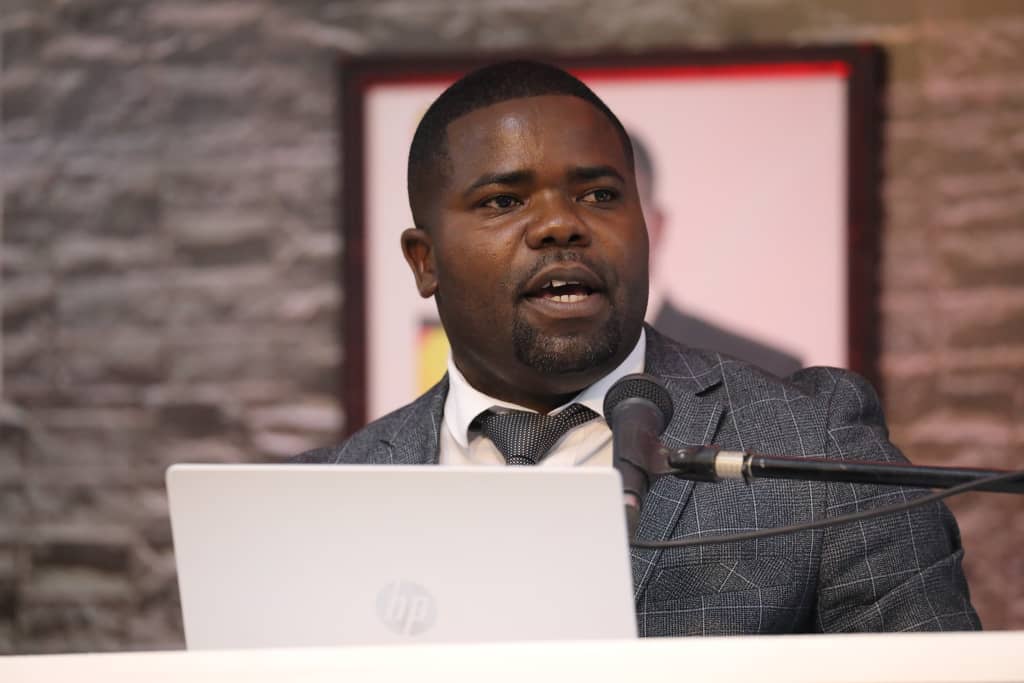
Outlining outcomes during the ongoing pre-budget seminar in Bulawayo, chairperson Lincoln Dliwayo said participants expressed satisfaction with the stability of the local currency, while emphasising the need for measures to make it more accessible across the economy.
Dliwayo said the consultations also touched on the success of current monetary and exchange rate reforms.
“Some of the areas that were highlighted concerned the current reforms and exchange rate stability. The public also appreciated the efforts by Government in ensuring that the local currency, our ZIG, is stable,” he said.
However, participants raised concerns over the limited supply of the ZIG currency in some parts of the country.
“They also echoed the need to ensure that there is an improved and carefully managed injection of ZIG currency in the economy, especially in those areas in border towns and other areas where the ZIG is in short supply,” said Dliwayo.
He added that some citizens expressed concern over the rejection of the ZIG in informal markets and certain localities.
“They also bemoaned the rejection of ZIG currency in the economy. This was also highlighted in some informal markets, especially in border towns. So the Ministry needs to increase support for some fiscal measures that will promote the acceptance of ZIG in those towns,” he said.
While some participants suggested enforcement measures to ensure acceptance of the ZIG, Dliwayo said he preferred a more persuasive approach.
“Some citizens also highlighted the need to enforce the acceptance of ZIG in some areas, though I, in my personal capacity as chairperson, am against enforcement, but rather moral persuasion so that people accept it on their own,” he said.
The participants also noted the need to tirelessly disperse funds and ensure that the disbursement matrix favours marginalised and vulnerable groups, Dliwayo said.
He said citizens also underscored the importance of ensuring that the allocation of resources reflects grassroots priorities in line with the country’s developmental agenda.
“The participants also highlighted the need to ensure that the resource allocation reflects grassroots priorities and promotes equitable distribution, promoting equitable growth throughout the country as we progress toward the achievement of Vision 2030,” he said.
The 2026 National Budget consultations are part of the Government’s wider engagement efforts to ensure citizen participation in national economic planning as the country works towards achieving Vision 2030 goals of an upper middle-income economy.
Domestic Tourism major contributor to GDP: Tourism Minister Rwodzi
Tourism and Hospitality Industry Minister, Barbara Rwodzi has said domestic tourism remains a major contributor to the country’s Gross Domestic Product (GDP) compared to international tourism, even as Government moves to improve the accuracy of data collection in the sector.
Addressing a 2026 pre-budget seminar in Bulawayo, Minister Rwodzi noted the importance of properly recording domestic tourism statistics, noting that current systems were not capturing local travel accurately.
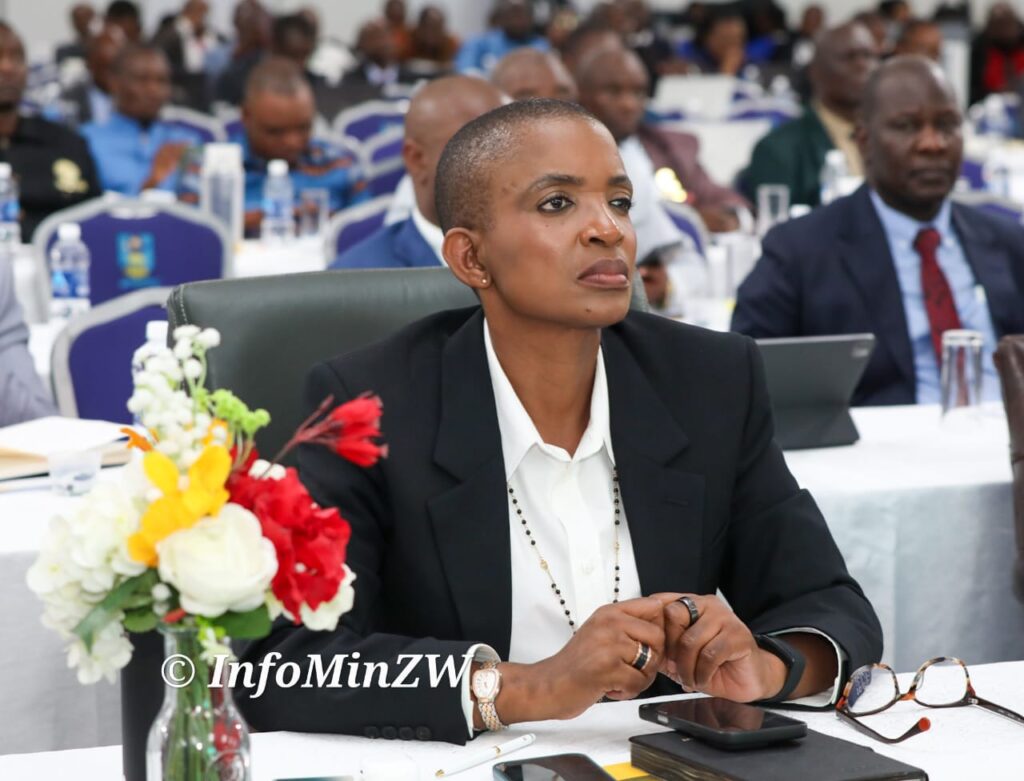
“I want to address the Domestic Tourism statistics. It is very true that we are not recording our domestic statistics properly or accurately, unlike international,” said Minister Rwodzi.
She said Government, through collaboration with the Ministry of Home Affairs and Cultural Heritage led by Honourable Kazembe Kazembe, is working to correct anomalies in the way international arrivals are recorded.
“On the international side, we are already coming up with a solution with Honourable Kazembe and his team of Home Affairs, because there was just a little anomaly whereby they record returning residents from diaspora as locals, yet they are coming from international destinations to come and spend money and go back, particularly the season that we are in right now.
“They come in their big numbers, Honourable Speaker, and we would want to know how many of the international arrivals that has been contributed by the diaspora,” she said
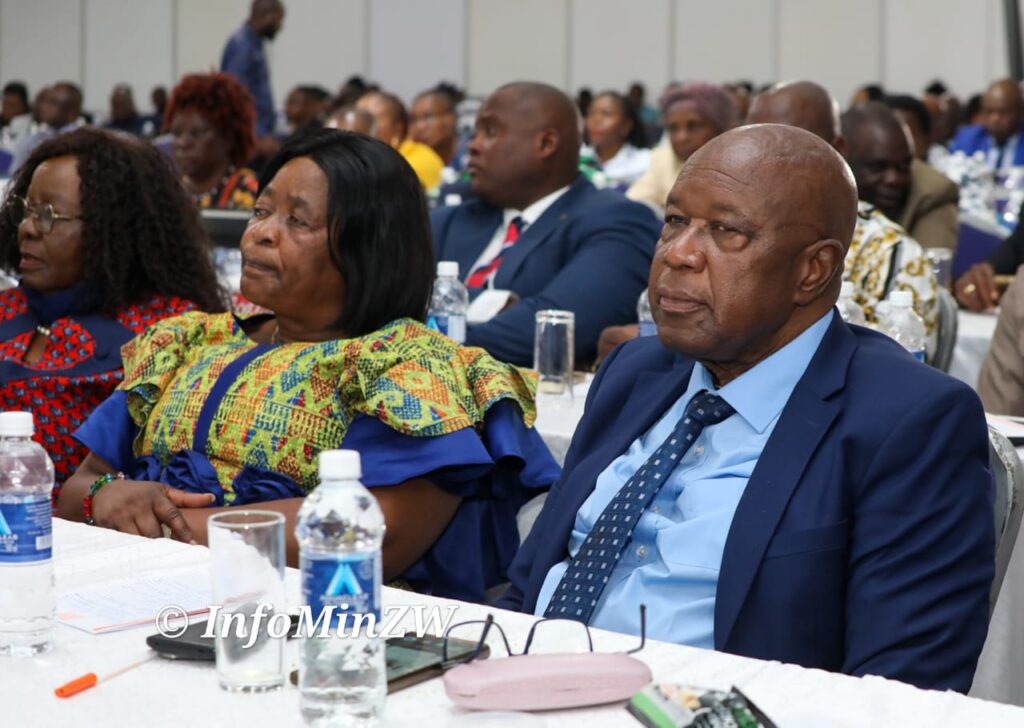
Minister Rwodzi said the Second Republic, under the leadership of President Mnangagwa, continues to value the role played by the Zimbabwean diaspora in both investment and tourism.
“Our President is very keen about diaspora investments in the country and even diasporans coming back to the country and spending their money,” she said.
She further explained that while international tourism receives much attention, it is actually domestic tourism that drives a larger share of revenue through activities such as Meetings, Incentives, Conferences and Exhibitions (MICE).
“While we are there on domestic arrivals, it would be great to let this House know that actually, it is domestic tourism that contributes higher to our tourism incomes, because of these MICE events.
“This is why we clustered our tourism sector. The main reason was to know which part of tourism contributes what.
“So domestic tourism does very well,” she said.
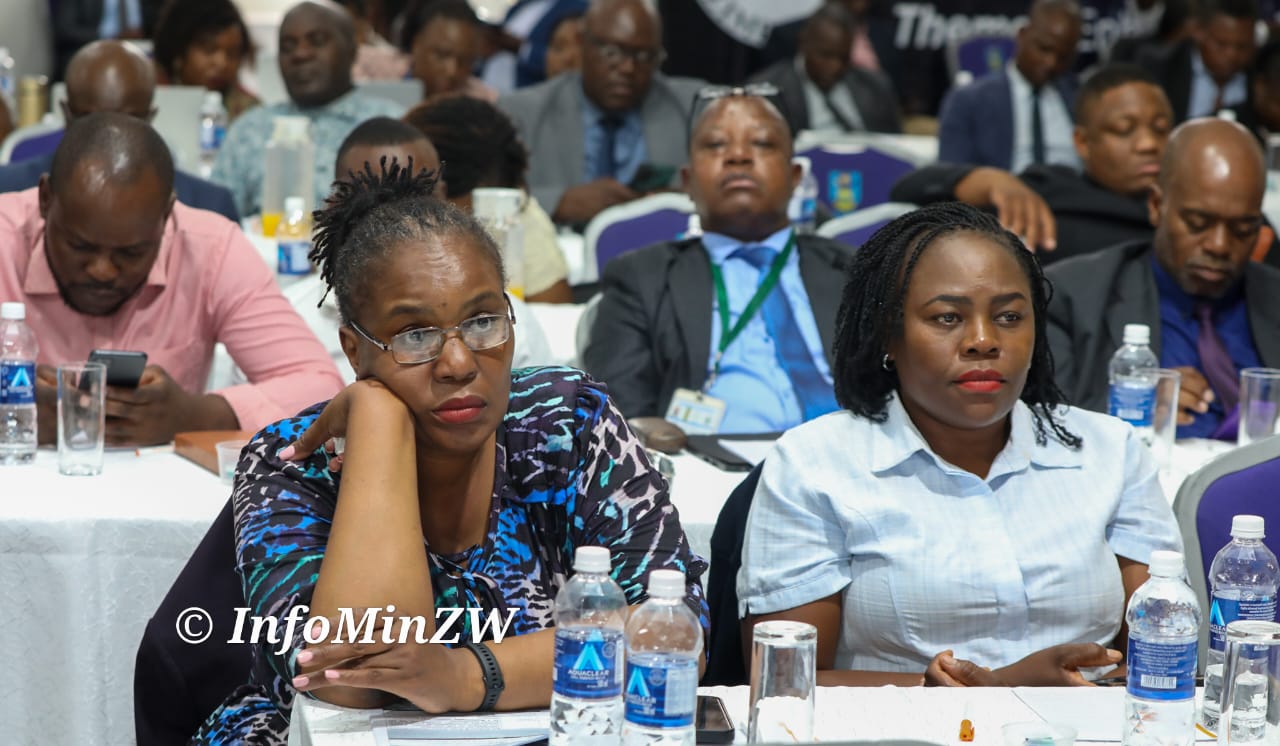
However, Minister Rwodzi pointed out that domestic family travel remains low due to affordability challenges.
“Where it does not do well within that aspect or that framework is the travelling of families. It’s very, very low. The travelling of individuals is low. The travelling of friends, going to friends and family is quite low. Why? Because prices are quite exorbitant for our locals,” she said.
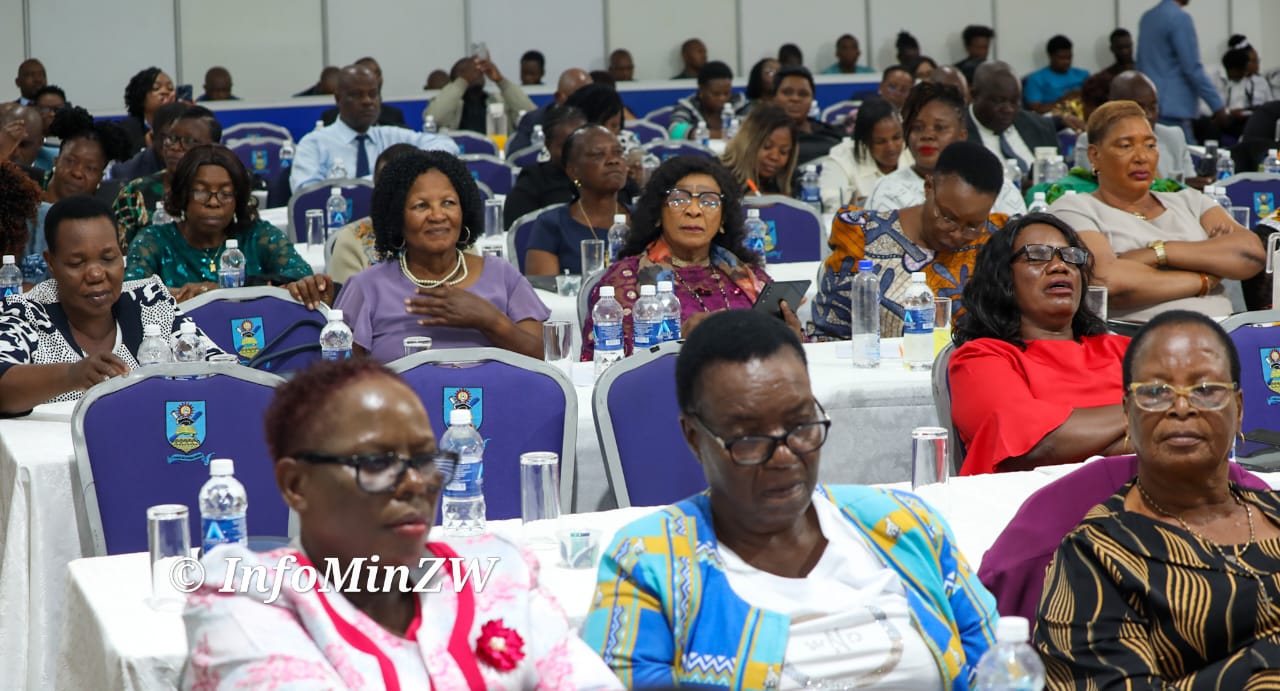
To address this, the Minister said Government is working on provisions within the Tourism Bill to make travel and accommodation more accessible to Zimbabweans.
“And this, we are adjusting that, or we are addressing this issue in the Tourism Bill,” she said.
The Minister’s remarks come as Zimbabwe continues to reposition tourism as a key driver of economic growth under the National Development Strategy 1 (NDS1), with emphasis on both international and domestic markets.
Low budget allocation identified as barrier to women empowerment
THE Portfolio Committee on Women Affairs, Community, Small, and Medium Enterprises Development has said the budget allocation for the ministry, which is less than one percent, is crippling the development of small businesses and women empowerment.
In her presentation at the 2026 Pre-Budget Seminar, the Portfolio Committee chairperson, Getrude Mutandi said this affects the performance of community development, Small and Medium Enterprises Development Corporation and Women’s Micro Finance Bank, which are meant to support small businesses and women’s empowerment.
She said the ZWG1 billion allocated to the ministry in 2025 was only 0,3 percent of the total 2025 National Budget.
Hon Mutandi said the ministry is looking forward to the capitalisation of women empowerment institutions like SMEDCO and Women’s Bank.
“Funding the women affairs and the SMEs sector is a strategic investment for national economic growth, social stability and resilience,” said Hon Mutangi.
Calls for one harmonised National Data Centre
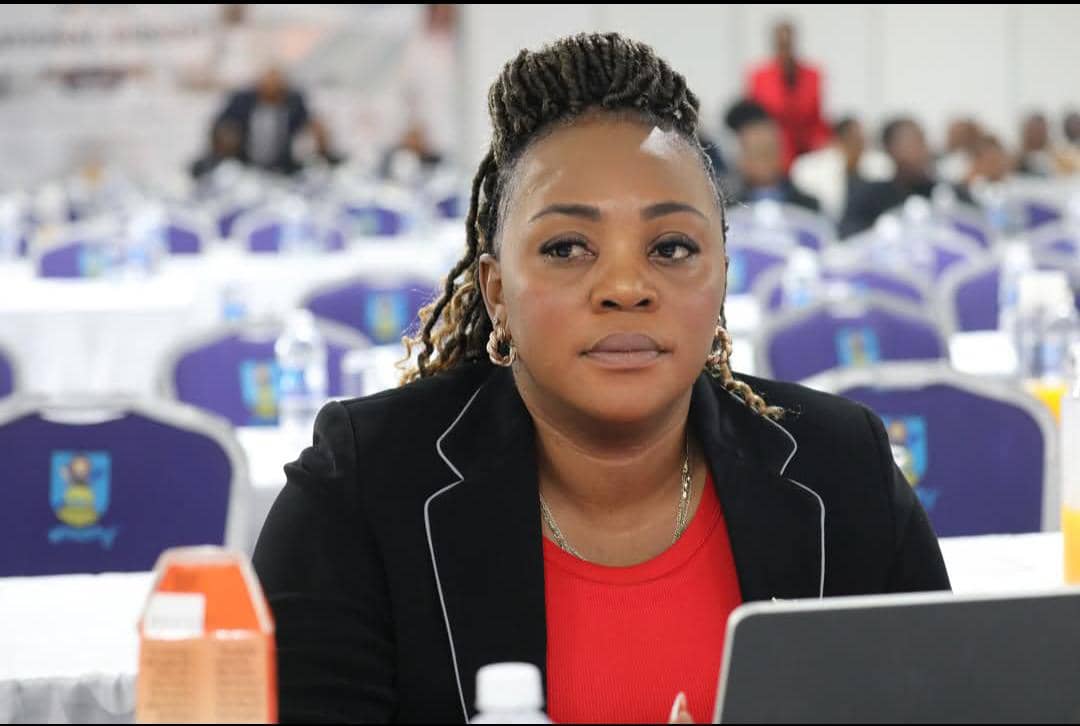
THE Minister of Information Communication Technology, Postal and Courier Services Dr Tatenda Mavetera has called for one harmonised National Data Centre that will have a Tier four capacity to be manned by them as they work towards the whole of government approach.
A Tier four data centre offers the highest level of reliability and redundancy, designed to be fully fault-tolerant with 99,995 percent uptime.
This means it has redundant systems for all critical components, allowing for maintenance without service interruption and ensuring that even multiple simultaneous failures will not impact operations.
Speaking at the ongoing 2026 Pre-Budget Seminar in Bulawayo, the Minister said there one no need to have two data centres for the Government and the other for their Ministry.
“We are going to have a communication with the e-Government unit whereby we need to really work with a whole of government approach. We need to make sure that we cannot have a data center in the e-Government and then we have another data center being manned by the Ministry of ICT,” she said.
“If we need to be very honest with each other, let’s have one data center which is manned by the Ministry and we work towards the whole of government approach, which is quite evident.”
She said two separate data centres would delay the future intelligence strategy implementation which they have worked out with more smart solutions.
Minister Mavetera said they have an artificial intelligence (AI) smart solutions strategy which includes them working on data analytics centers looking at smart ecosystems.
“This cannot progress if we are not funded. The delays in Zimbabwe’s participation in the fourth Industrial revolution can limit innovation in Government, agriculture and service delivery. Again, this will limit digital inclusion and capacity building. We now are talking about upskilling our workforce even in the public sector. This can only be done if we have got programmes which remain fundamental to the development of our workforce,” she added.
She bemoaned the gradual decline in funds that were being allocated to the Ministry stating that the ICT sector was pivotal for socio economic transformation, inclusive growth and job creation.
The Minister said for the budget allocation versus the bid, they agreed to Zimbabwe Gold (ZWG)10.7 billion for operations for the year and they got ZWG644 million.
She said: “Allow me to round off the figure, so what it means is that we have been given 5,96 percent for budget and then there again the overall budget that we have, it means that we have got 0.2 percent. Yes, we contribute about 10 percent of the gross domestic product (GDP), but if you look at the overall budget, this is our allocation, it’s on 0.22 percent.”
Minister Mavetera said there has been quite a significant decline in what they were allocated last year and what they have been given, as well as in the trends over the years.
On projects the Ministry has, she said they were 21 and new ones were few, while there was a funding gap in the budget for the amount that they have been given.
“You realize that we are talking about ZWG5.6 billion there and then you look at the amount which has been given. Definitely, it really tells a lot, it reflects on how much we are on a deficit as a Ministry. The impact of the funding gap is going to stall our project and cause a lot of delays. We have been speaking a lot about our 40 national data center expansion and the new city data center which have really been stalled,” she said.




 Bongani Ndlovu