Online Reporter
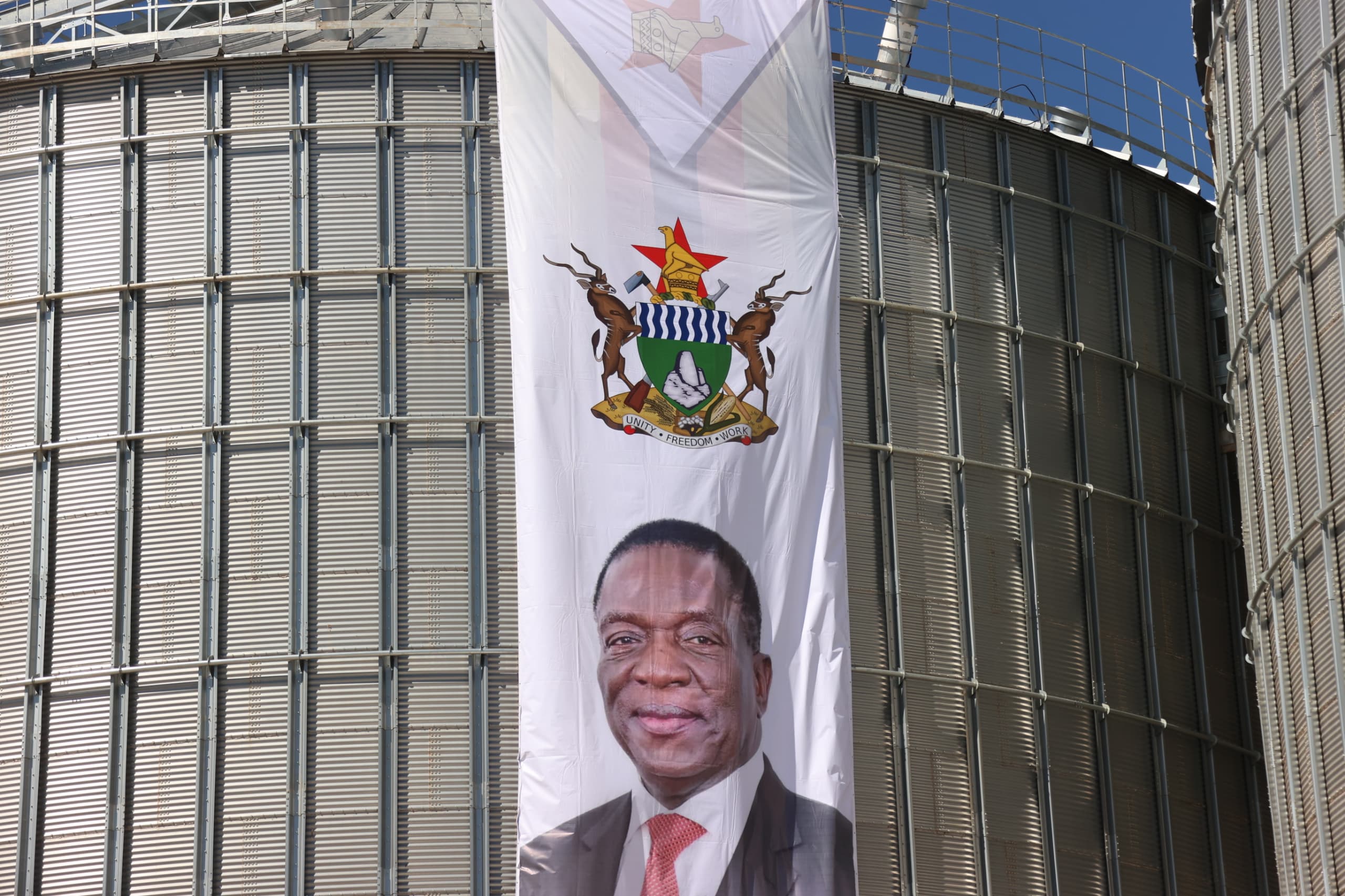
President Mnangagwa will this morning commission Zimbabwe’s first-ever Artificial Intelligence-powered grain silos in Kwekwe, Midlands Province.
The milestone development is part of the Second Republic’s broader initiatives to embrace appropriate technologies across the economy’s sectors, with agriculture being one of the major pillars.
Our Reporters Wallace Ruzvidzo, Patrick Chitumba and Freedom Mupanedemo, Photographer Believe Nyakudjara and
Videographer Wilson Kakurira are in Kwekwe and will cover the event live.
Stay tuned for updates.
Hundreds attend ceremony
Dignitaries, including Ministers, Deputy Ministers, senior Zanu PF members, and other Government officials, have started arriving for the commissioning ceremony at the Grain Marketing Board’s Kwekwe depot.
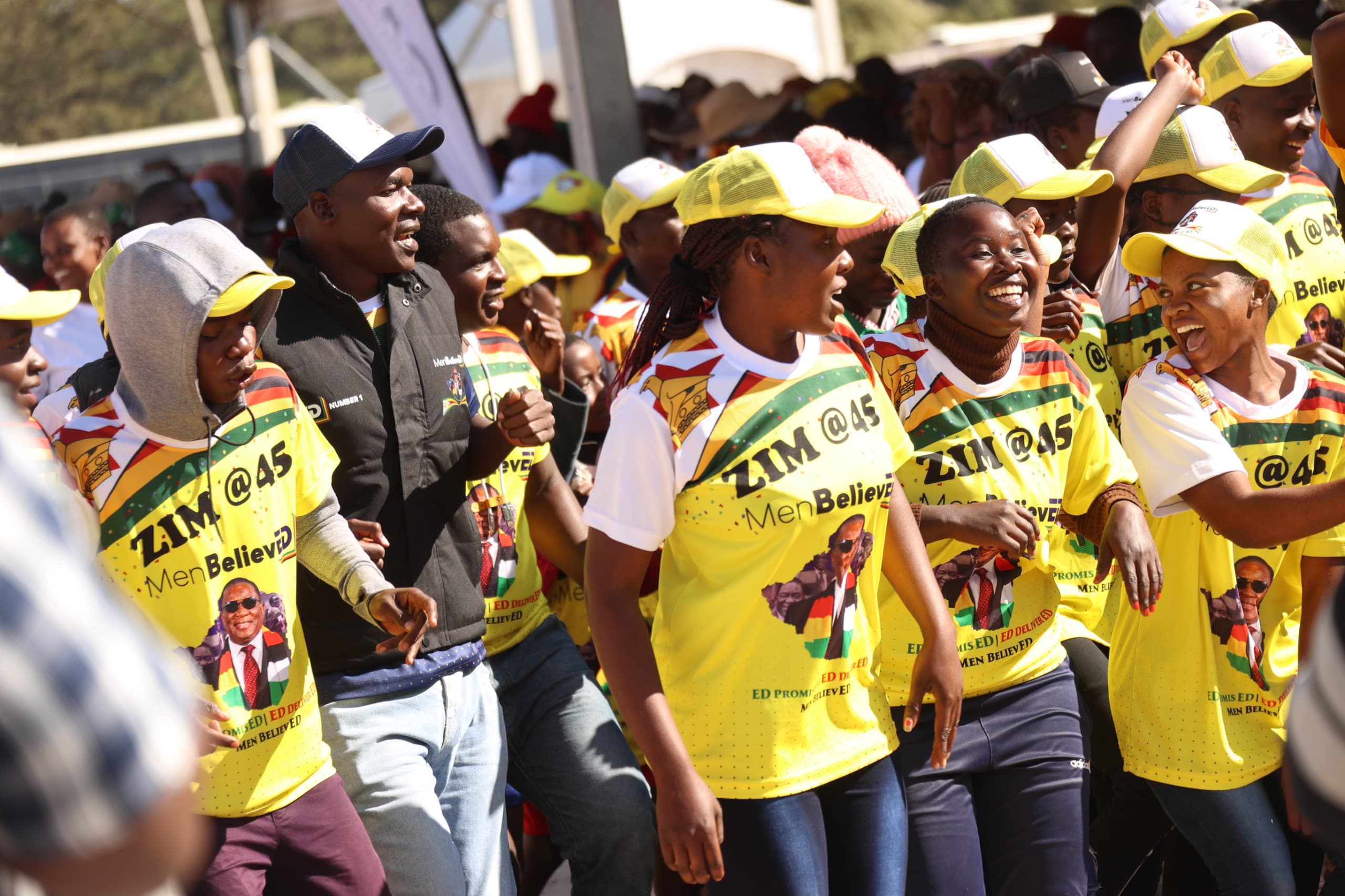
Hundreds of people, mostly farmers, have gathered for the commissioning of the country’s first AI-powered grain silos.
Various groups are entertaining guests.
A closer look at Kwekwe’s high-tech depot
The 56 000-tonne facility, featuring seven state-of-the-art silos, received its first wheat grain delivery yesterday evening.
The high-tech depot is central to the Government’s broader strategy to modernise national grain storage infrastructure, reduce post-harvest losses, and strengthen food security.
The commissioning coincides with the nation’s recovery from the effects of the El Niño-induced drought, which severely impacted southern Africa’s agriculture sector.
Government has intensified efforts to secure the nation’s grain supplies by investing in grain storage infrastructure.
The Kwekwe silos are part of a nationwide infrastructure drive by the Second Republic to bolster the country’s strategic grain reserves.
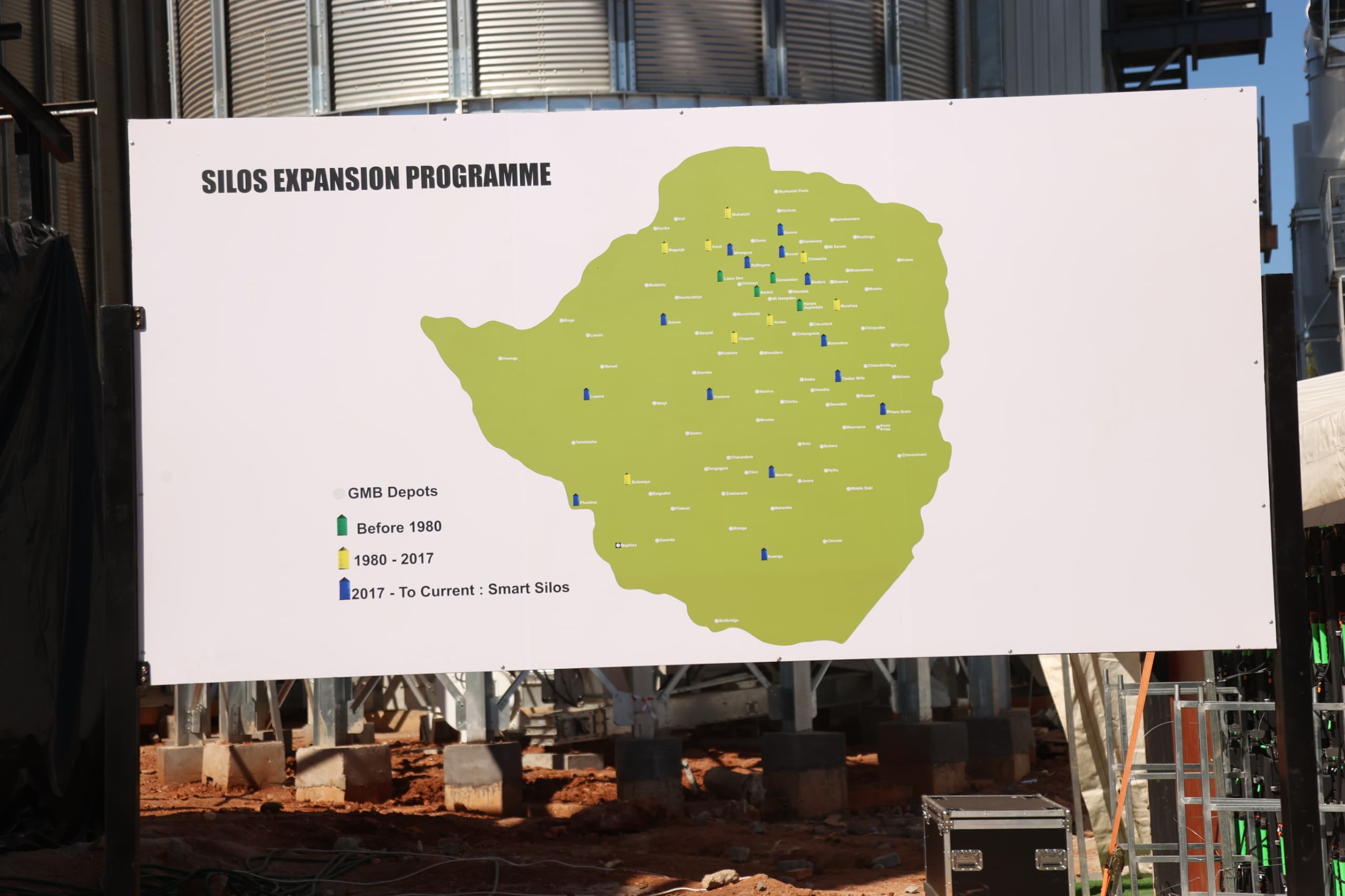
The project includes the construction of 14 modern silo complexes in key agricultural zones such as Beitbridge, Gwanda, Lupane, Gokwe, Masvingo, and Timber Mills in Mutare.
Each silo complex will have a storage capacity of 8 000 tonnes, contributing to a targeted national silo capacity of 1,5 million tonnes, up from the current 750 000 tonnes.
Huge relief for Kwekwe farmers
Kwekwe District is a key grain-producing region, home to high-yielding farms such as the First Family’s Pricabe Farm, which recently achieved an impressive yield of 11,3 tonnes per hectare, thereby surpassing previous records.
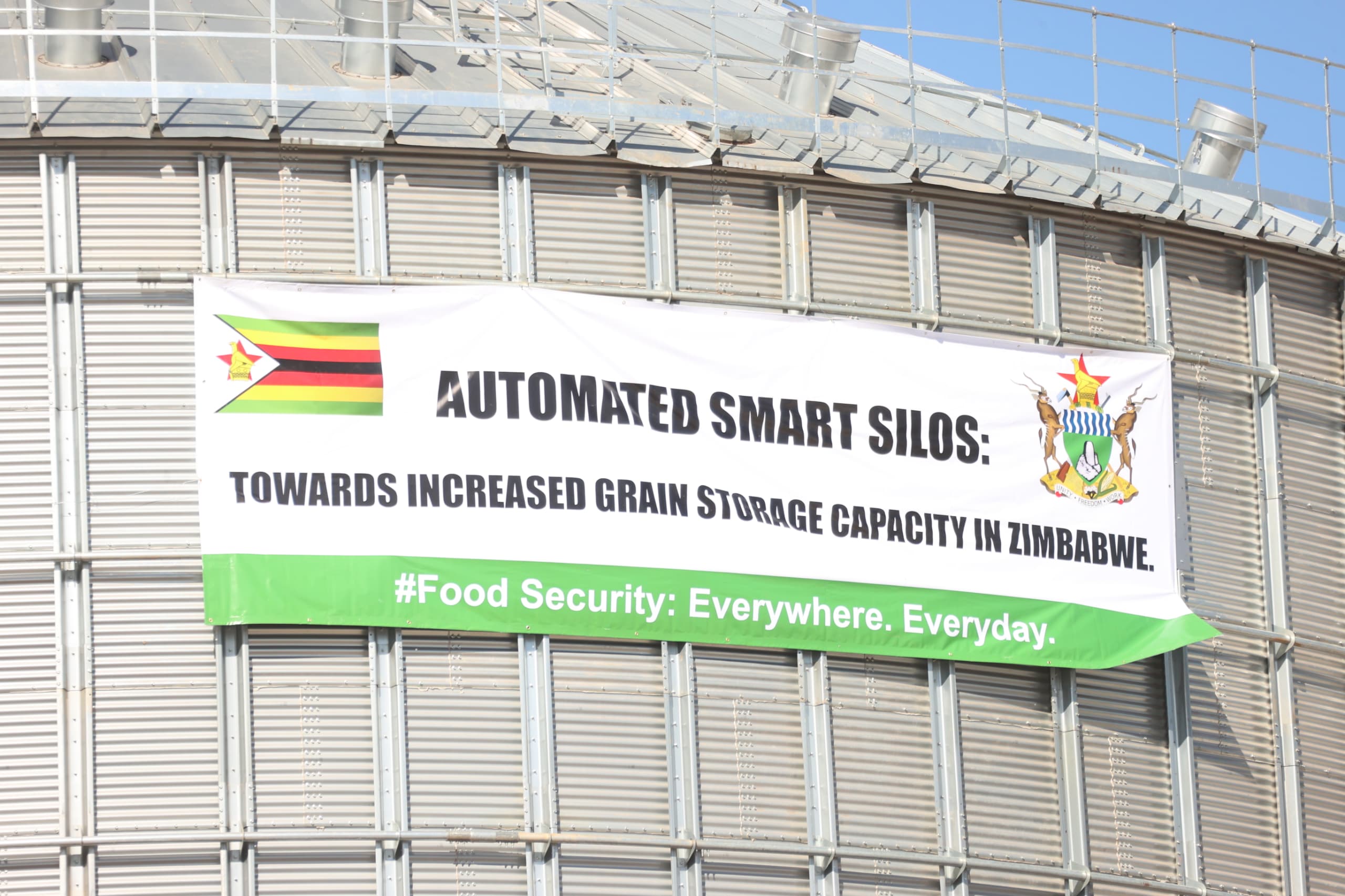
Other major producers include DCK Investments, run by Mr Douglas Kwande.
Until now, farmers in the region were being forced to transport their grain to silos in Chegutu, a journey that can chew up US$600 to transport 30 tonnes.
The new silos will drastically reduce transportation costs and make storage facilities more accessible.
How AI silos function
Unlike traditional storage units, the new silos are equipped with advanced technologies that integrate artificial intelligence (AI), internet of things (IoT) sensors and automated environmental regulation.
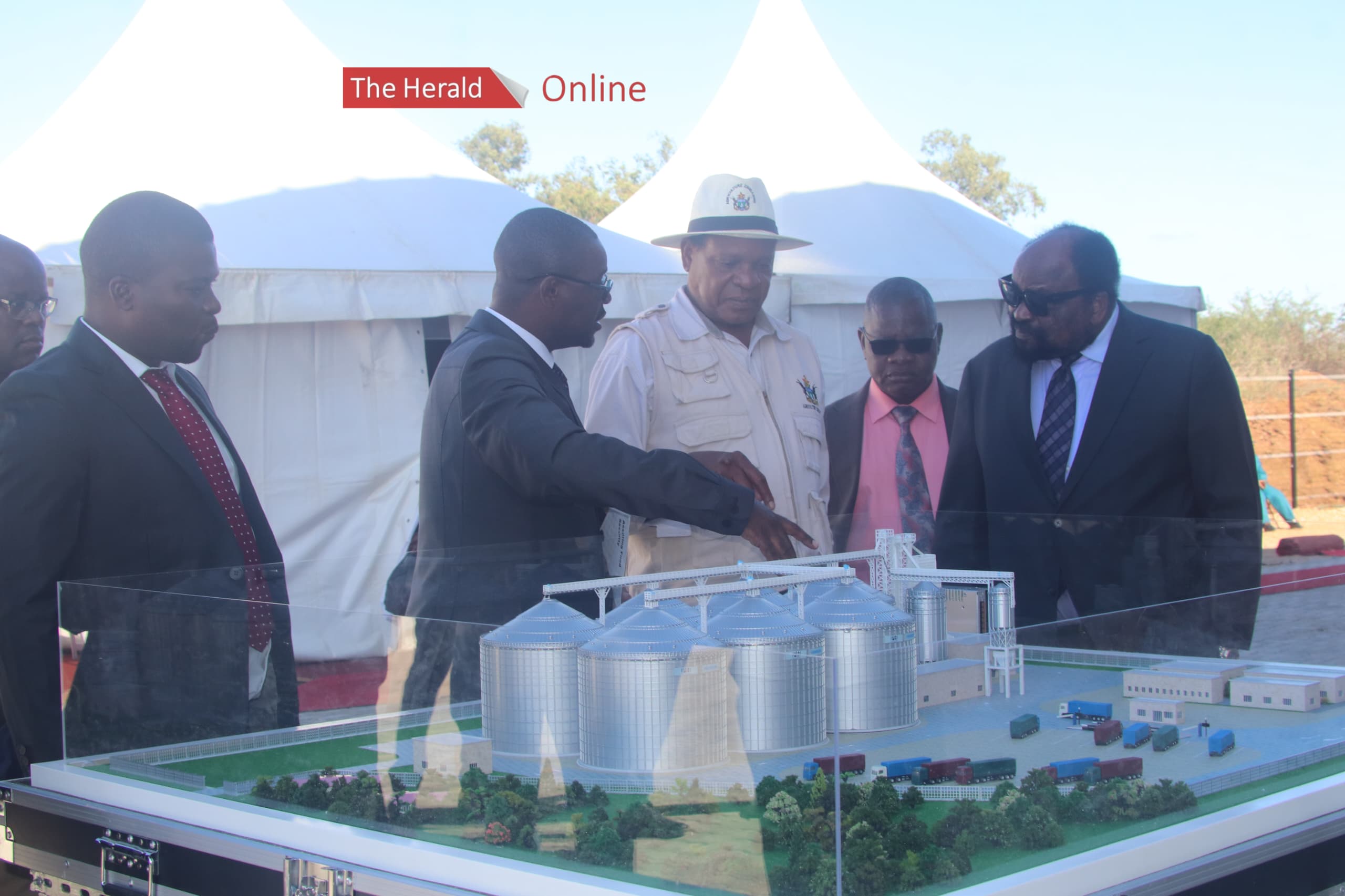
At the core of the system are embedded IoT sensors that continuously monitor temperature, humidity, grain moisture and carbon dioxide levels, key indicators of spoilage or pest activity on the grain.
Real-time data enables immediate environmental adjustments to preserve grain quality over extended periods. Ventilation fans and automated airflow systems eliminate excess moisture, while dehumidifiers or heaters can be triggered in response to changing weather patterns or internal conditions.
This dynamic response helps prevent mould, decay and pest infestation. AI functions as the system’s brain, analysing data to pre-empt potential issues, recommending optimal storage practices and optimising energy use by activating climate controls only when necessary.
Upon grain delivery, the facility can automatically assess quality metrics like moisture content and direct produce to the appropriate storage compartment.
The new silos are expected to significantly reduce post-harvest losses, improve grain quality, and boost farmer incomes.
Entertainment is being provided by various groups.
President arrives at Kwekwe GMB depot
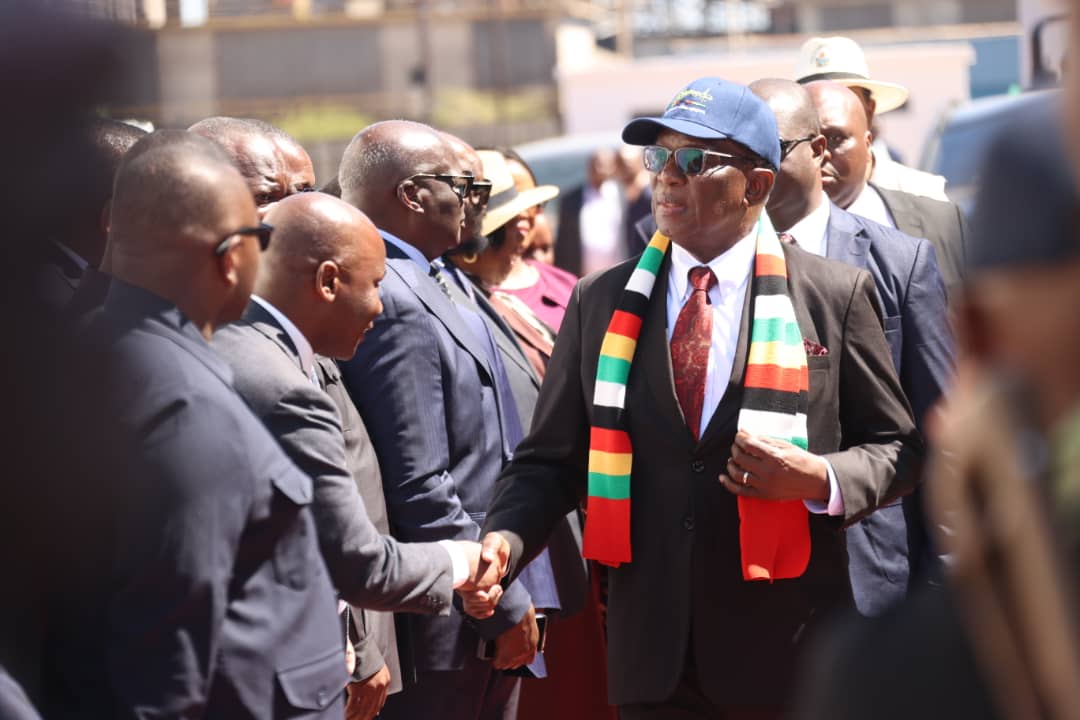
After touring the new State of the art automated smart silos, President Mnangagwa has officially commissioned the Silos which will carry 56 tonnes of grain.
The President is now greeting the gathering which is dominated by jubilant farmers from across the Midlands province.
The 56 000-tonne facility, featuring seven state-of-the-art silos, received its first grain delivery yesterday.
The high-tech depot is central to the Government’s broader strategy to mordernise national grain storage infrastructure, reduce post-harvest losses and strengthen food security.
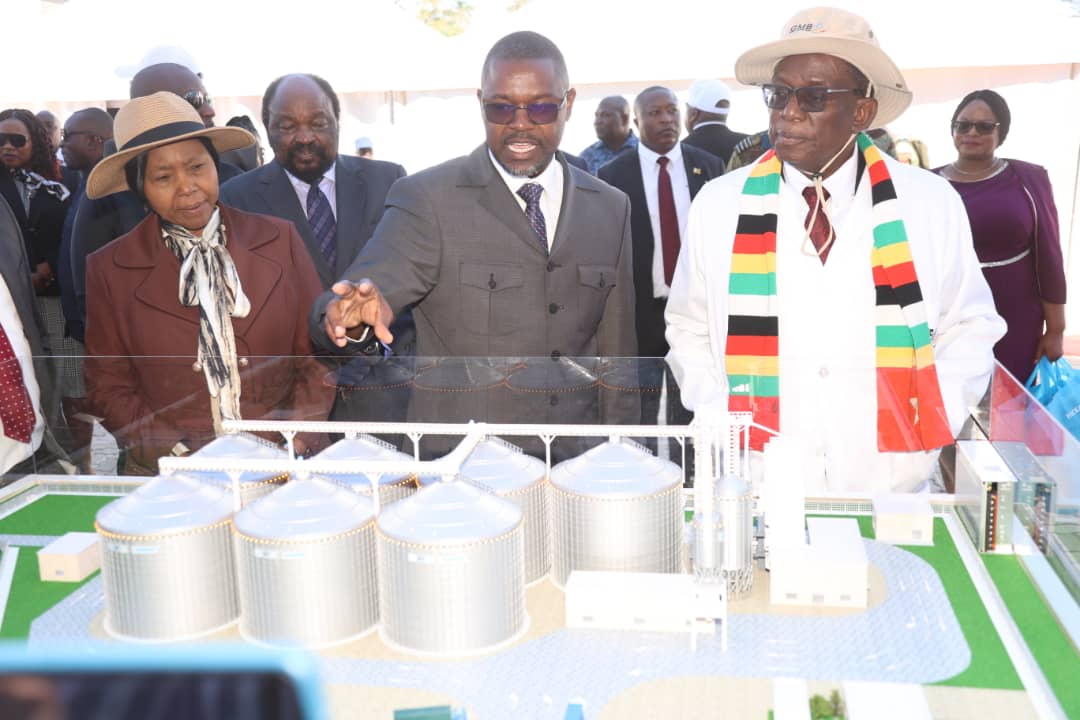
Resounding welcome for President Mnangagwa
The President, who is accompanied by Defence Minister Oppah Muchinguri-Kashiri; Lands, Agriculture, Fisheries, Water, and Rural Development Minister, Dr Anxious Masuka and Higher and Tertiary Education Minister, Dr Fredrick Shava, among other Government Ministers, has been welcomed warmly by those gathered for the commissioning ceremony.

The singing of the national anthem has commenced.
Midlands Minister thanks Government for development initiatives
Midlands Provincial Affairs and Devolution Minister, Cde Owen Ncube, is now giving welcome remarks.
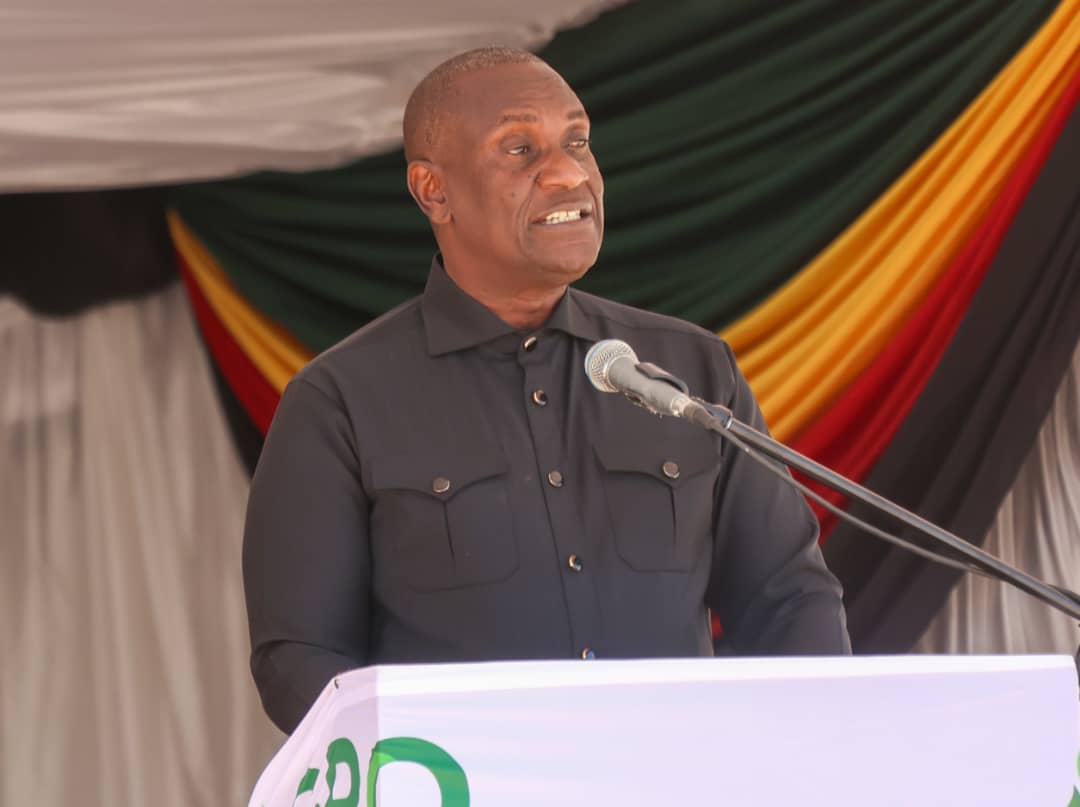
Minister Ncube thanks President Mnangagwa and the Second Republic for coming up with a robust decentralisation policy that has seen all provinces benefiting immensely in terms of development.
He says the decentralisation policy has seen Midlands becoming the first province to get state-of-the-art automated smart silos, a development that will see grain deliveries increasing in the province.
Target of 1.5 million metric tonnes storage within reach: Agric Minister
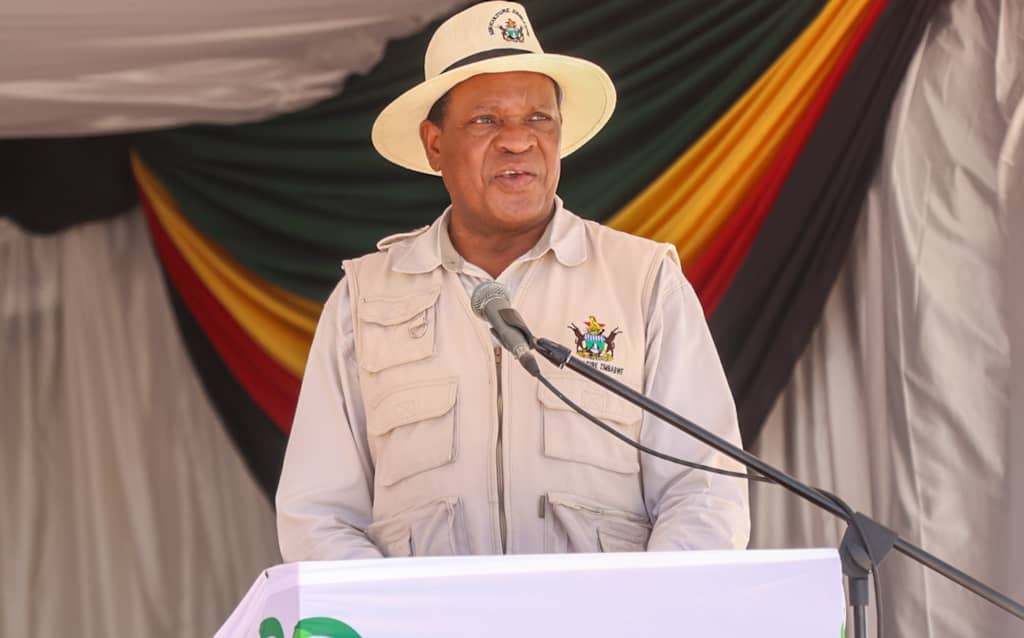
Lands, Agriculture, Fisheries, Water and Rural Development Minister,Dr Anxious Masuka is now giving his remarks.
Dr Masuka says the commissioning of the smart silos is a historic moment for the country’s agriculture sector.
“We want 1.5 million metric tonnes storage facilities before 2030 as directed by the President. The Ministry in on track in achieving that,” he said.
A milestone for Zimbabwe’s agric sector: President Mnangagwa
The Second Republic is committed to strengthening the country’s agriculture sector, President Mnangagwa has said.
In his address at the commissioning ceremony today, the President said production and productivity continues to increase in the face of adversity brought about by global and environmental shocks.

“Over the years, we have witnessed increased production of cereals, horticulture, oil-seed crops, as well as other industrial crops, along with improved national livestock numbers.
“Additionally, the high impact of measures implemented by the Second Republic to improve resilience, such as the Pfumvudza/Intwasa Programme, among others, has restored food security at household level.
“During the worst drought in 43 years experienced last year, the Government was able to distribute food to all vulnerable communities in rural and urban areas,” he said.
The President said Zimbabwe is on course to become a food-secure and upper-middle-income economy by 2030.
“This structure we are unveiling today is a giant step in our food security initiatives. Upon completion of the 14 silos that are being built across the country, we will have grain reserves for three years at any given time.
“Features such as in-built dryers, real-time monitoring of temperatures along with improved ventilation in the silos will improve grain quality and long-term storage,” said President Mnangagwa.



 Blessing Chizhande