

 Online Reporter
Freedom Mupanedemo
Midlands Bureau
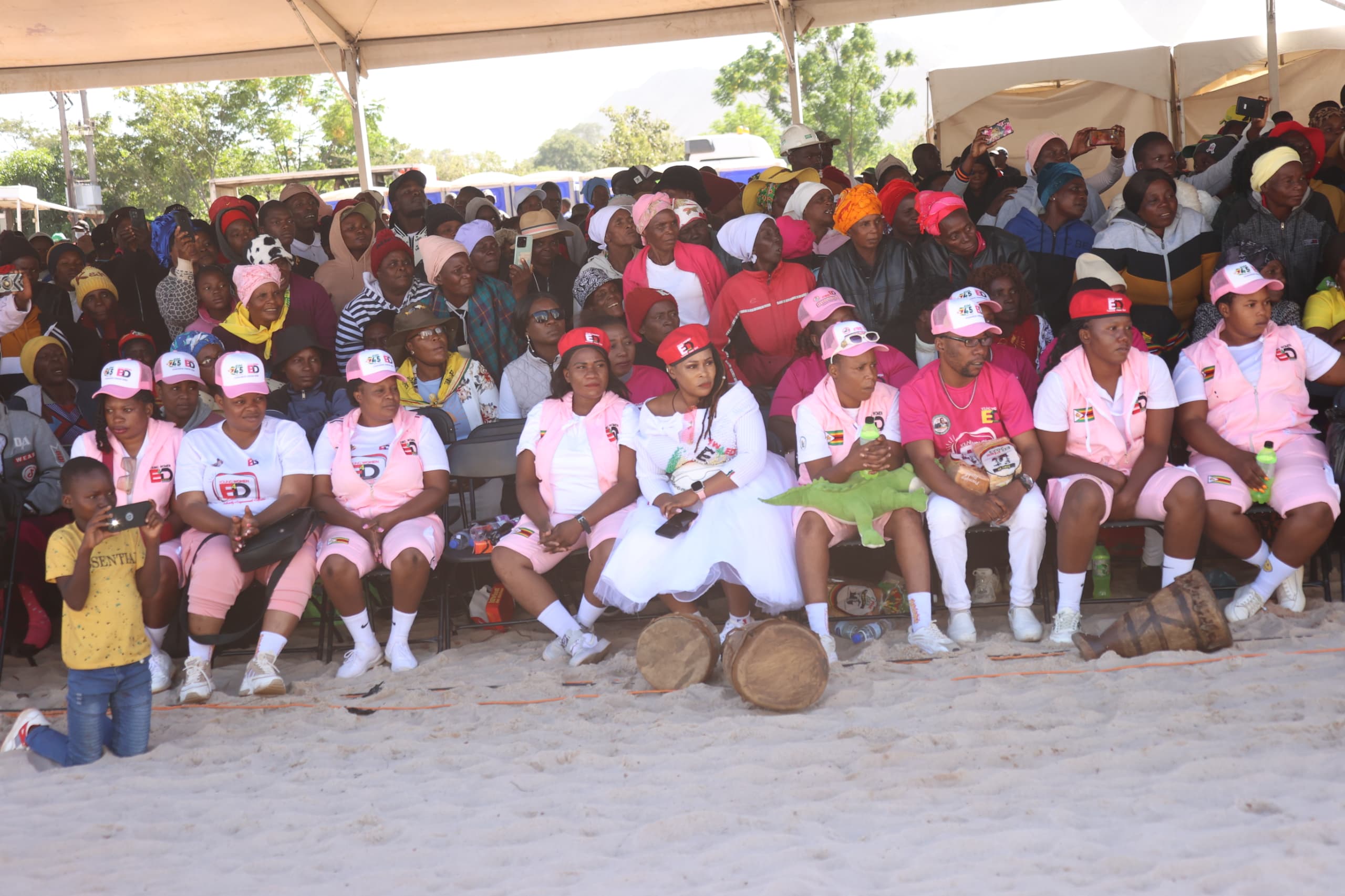
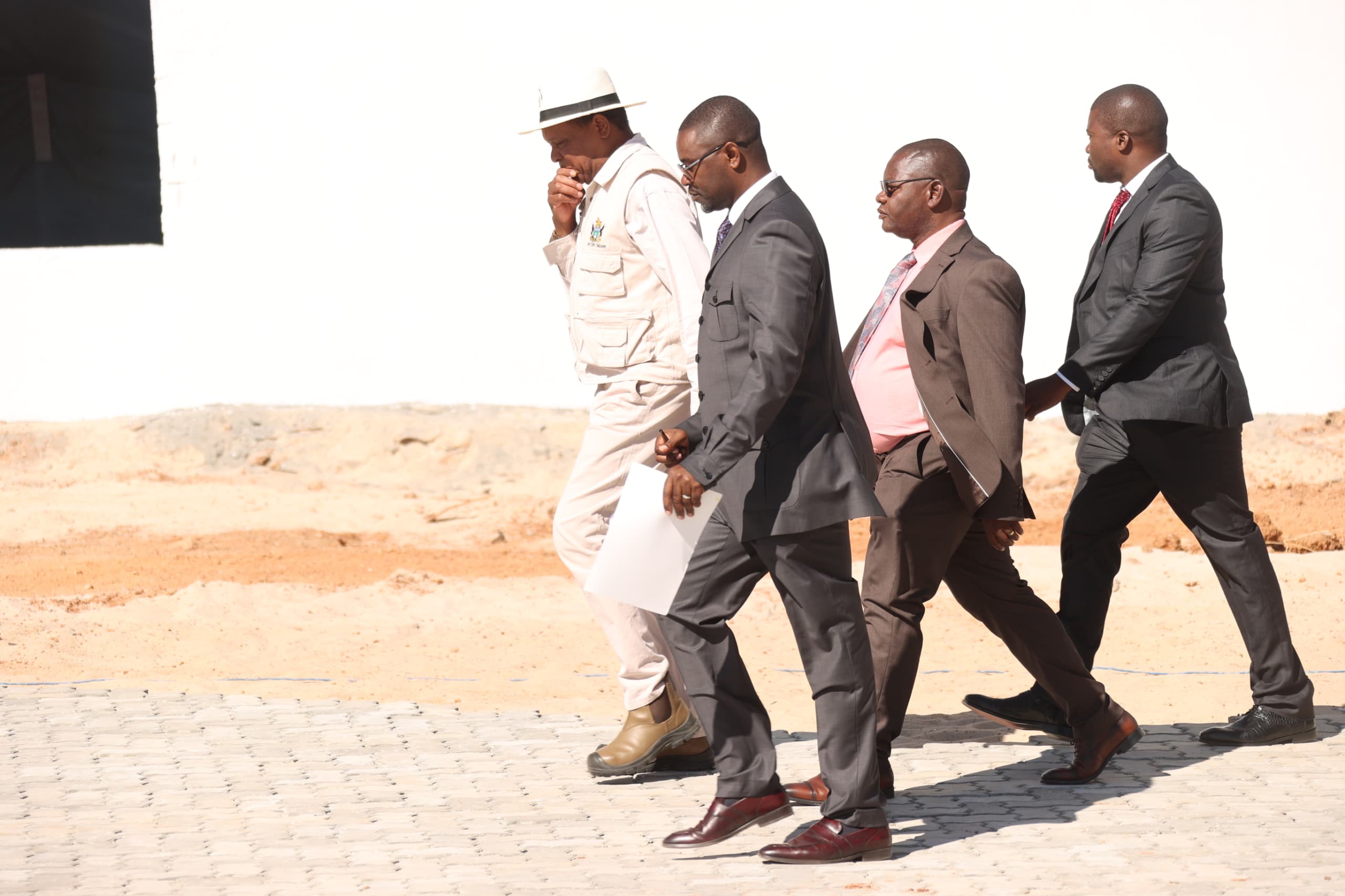
HUNDREDS of people, mostly farmers, have gathered for the historic commissioning of the country’s first-ever artificial intelligence-powered grain silos at the Grain Marketing Board’s Kwekwe depot by President Mnangagwa.
The 56,000-tonne facility, featuring seven state-of-the-art silos, received its first wheat grain delivery yesterday evening.
The high-tech depot is central to the Government’s broader strategy to modernise national grain storage infrastructure, reduce post-harvest losses, and strengthen food security.

The commissioning coincides with the nation’s recovery from the effects of the El Niño-induced drought, which severely impacted southern Africa’s agriculture sector.
In response, the Government has intensified efforts to secure the nation’s grain supplies by investing in critical post-harvest infrastructure.
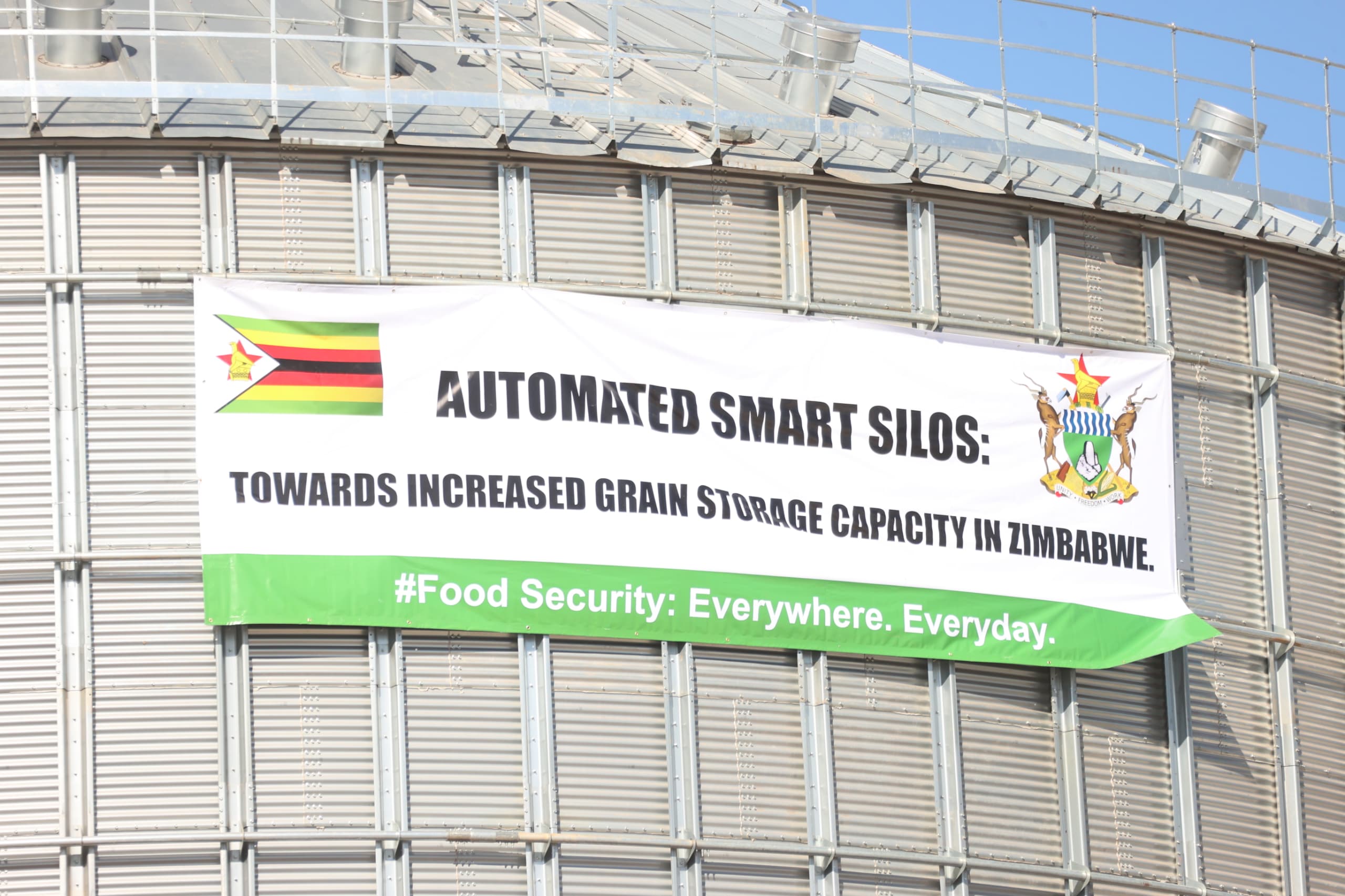
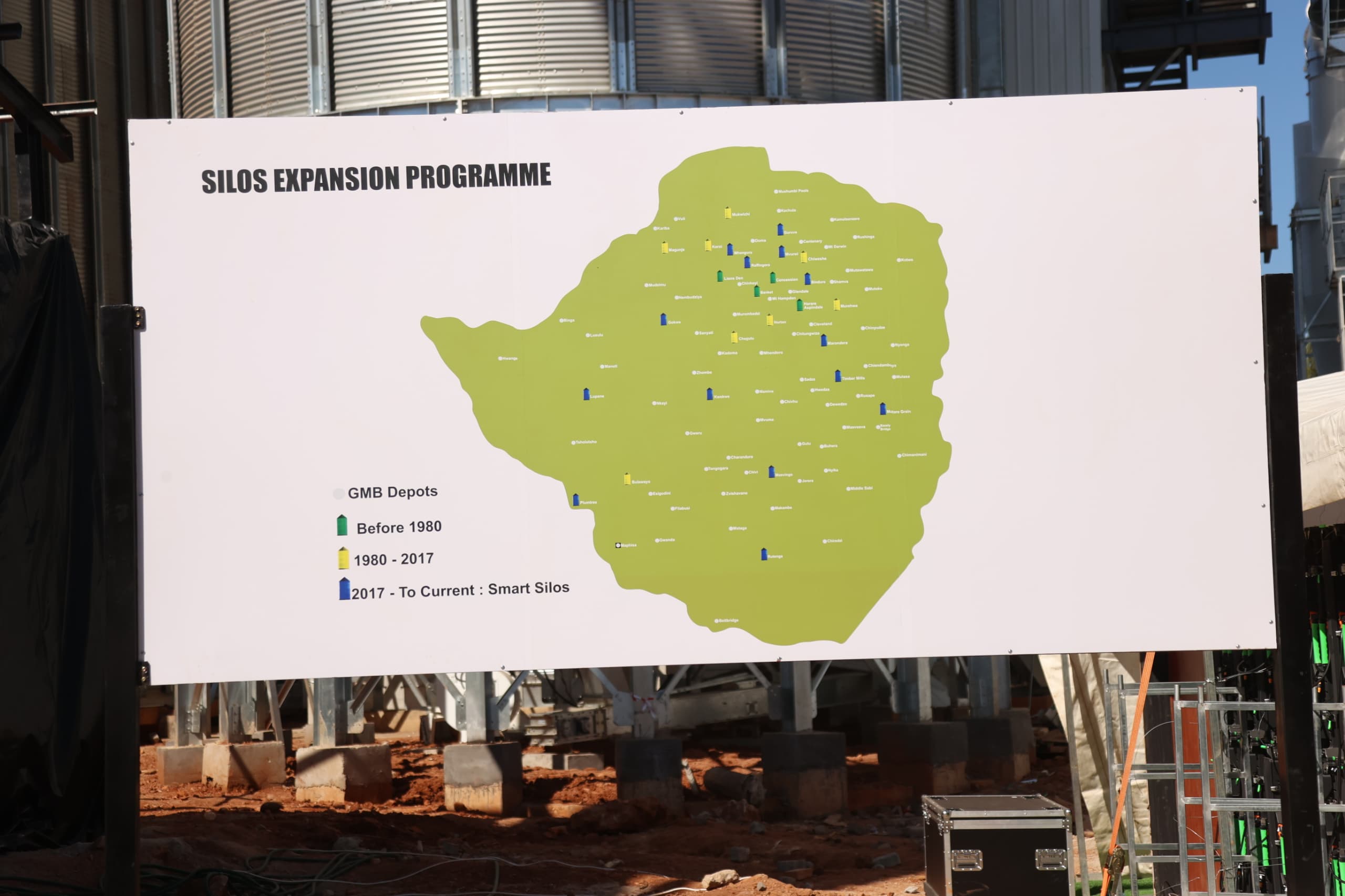
The Kwekwe silos are part of a nationwide infrastructure drive by the Second Republic to bolster the country’s strategic grain reserves. The project includes the construction of 14 modern silo complexes in key agricultural zones such as Beitbridge, Gwanda, Lupane, Gokwe, Masvingo, and Timber Mills in Mutare.

Each silo complex, including Kwekwe, has a storage capacity of 8,000 tonnes, contributing to a targeted national silo capacity of 1.5 million tonnes, up from the current 750,000 tonnes. This expansion is critical to cushioning the country against droughts, stabilising food prices, and reducing post-harvest losses.
Kwekwe District is a key grain-producing region, home to high-yielding farms such as the First Family’s Pricabe Farm, which recently achieved an impressive 11.3-tonne-per-hectare yield, surpassing past records. Other major producers include DCK Investments, run by Mr Douglas Kwande.
Until now, farmers in the region were forced to transport grain to silos in Chegutu—a costly journey that could exceed US$600 per 30-tonne trip. The new silos drastically reduce transportation costs and make storage more accessible.
Zimbabwe requires approximately 2.2 million tonnes of grain annually for both human and livestock consumption.
More to follow…


 Bongani Ndlovu