Online Reporter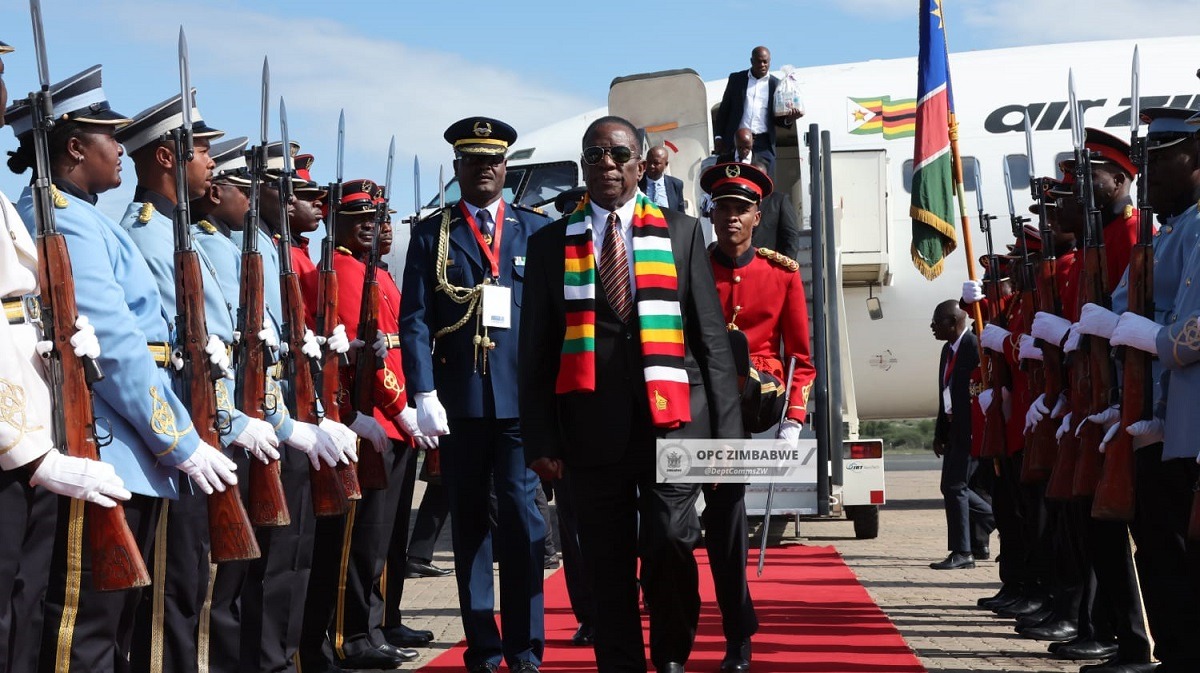
President Mnangagwa leaves for Namibia
President Mnangagwa has left this morning for Namibia where he will join other Heads of State and Government for a memorial service of that country’s founding leader, President Sam Nujoma who died early this month.
The memorial service is expected to be held today at Independence Stadium before burial tomorrow at Namibia’s National Heroes Acre. Dr Nujoma is one of the founding Pan-Africanists who spearheaded the liberation of African countries from the yoke of colonialism.
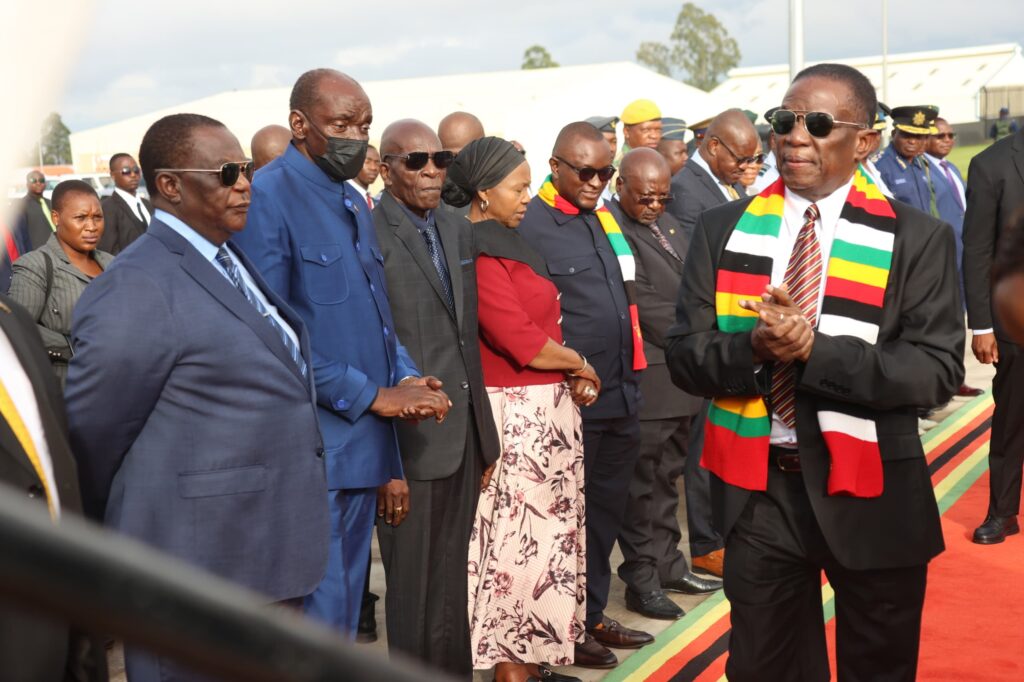
President Mnangagwa, who is also Sadc Chairperson, was seen off at Robert Gabriel Mugabe International Airport by the two Vice Presidents Costantino Chiwenga and Kembo Mohadi, Defence Minister, Oppah Muchinguri-Kashiri Information, Publicity and Broadcasting Services Minister, Dr Jenfan Muswere, Minister of State for Provincial Affairs and Devolution responsible for Harare Province, Cde Charles Tawengwa, Chief Secretary in the Office of the President and Cabinet, Dr Martin Rushwaya, Service Chiefs and senior Government officials.
In the absence of President Mnangagwa, VP Chiwenga will be the Acting President.
Chronicle Assistant Editor Nduduzo Tshuma is in Namibia and will give us live updates of the event over the next two days while Presidential Photographer Tawanda Mudimu will provide pictures and videos.
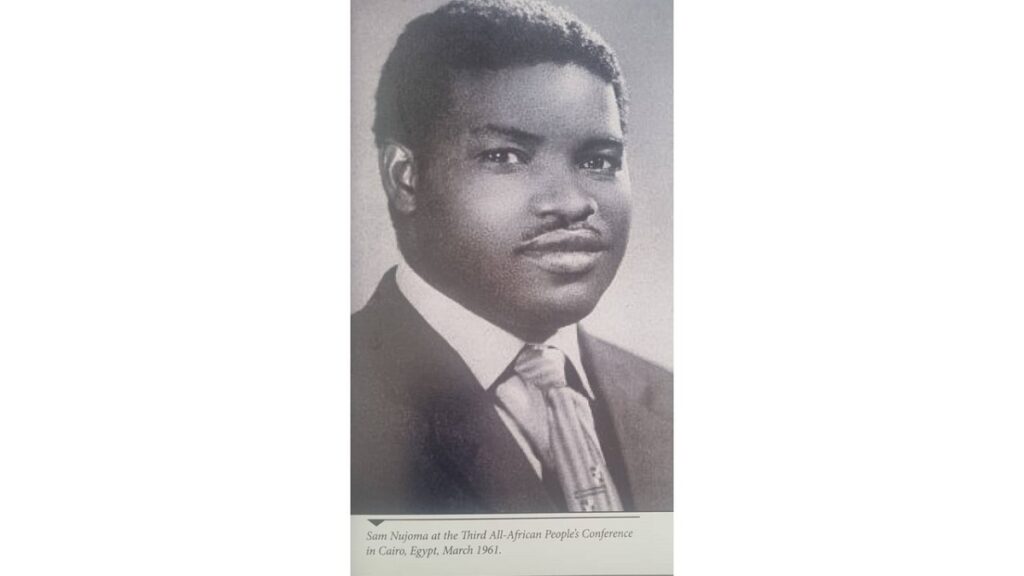
Dr Sam Nujoma Biography
His Excellency Dr Sam Nujoma, Founding President of the Republic of Namibia was born on 12 May 1929 at the Etunda village, Omusati Region in the North-Western part of Namibia to Mr Daniel Uutoni Nujoma and Mrs Helvi Mpingana Kondombolo. He is the firstborn in a family of 11. Like all boys of those days, he looked after his parent’s cattle and assisted with home chores including cultivation of land.
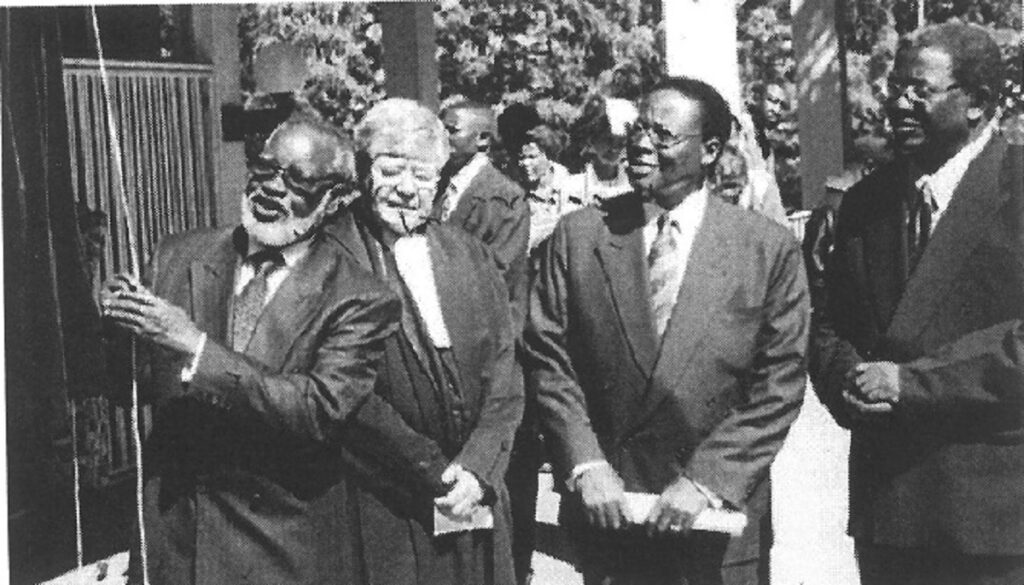
He received his primary education from the Okahao Finnish Mission School from 1937 to 1945. In 1946 he moved to the coastal town of Walvisbay to live with his aunt Gebhart Nandjule. In 1947, at the age of 17, he got his first employment in a store where was earning a monthly salary of 10 Shillings. It was in Walvis Bay that he got exposed to modern world politics by meeting soldiers from Argentina, Norway and other parts of Europe who had been brought there during World War II.
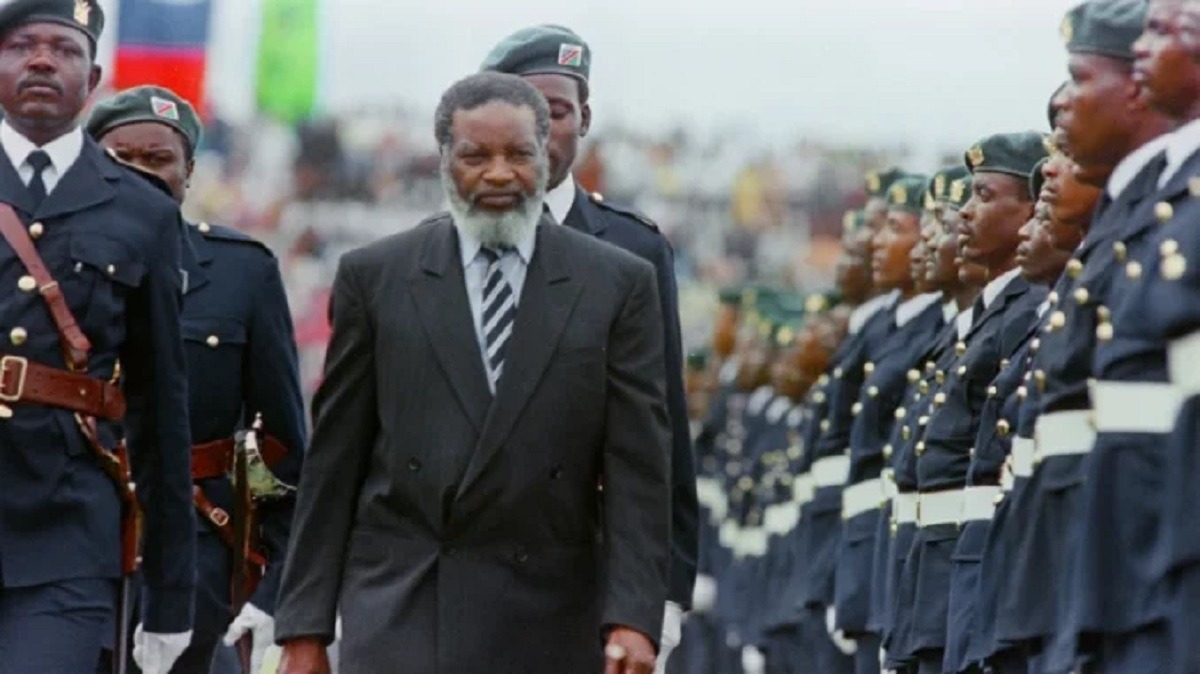
At the beginning of 1949, Dr Sam Nujoma went to live in Windhoek with his uncle Hiskia Kondombolo. In Windhoek, he started working for the South African Railways. At this period, he attended adult night school at St. Barnabas in the Windhoek Old Location. He further studied for his junior Certificate through correspondence at the Trans-Africa correspondence college in South Africa.
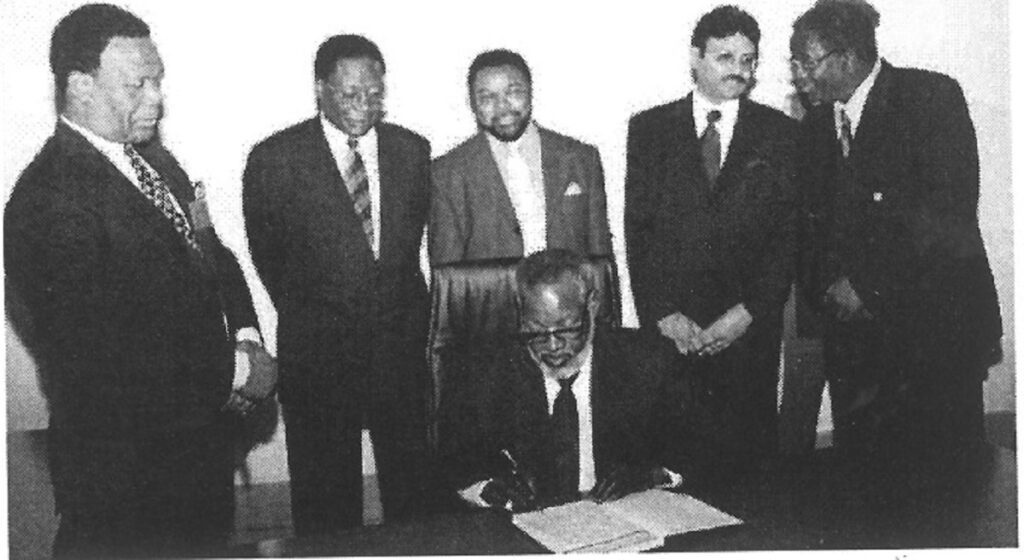
On 6 May 1956, Dr Nujoma got married to Kovambo Theopoldine Katjimune. Madam Nujoma was born on 10 March 1933 in Windhoek. They had 4 children: Utoni Daniel (1952), John Ndeshipanda (1955), Sakaria Nefungo (1957) and Nelago (1959), who passed away at 18 months sadly while Dr Nujoma was in exile. To date, Dr Nujoma and his wife have been blessed with many grandchildren.
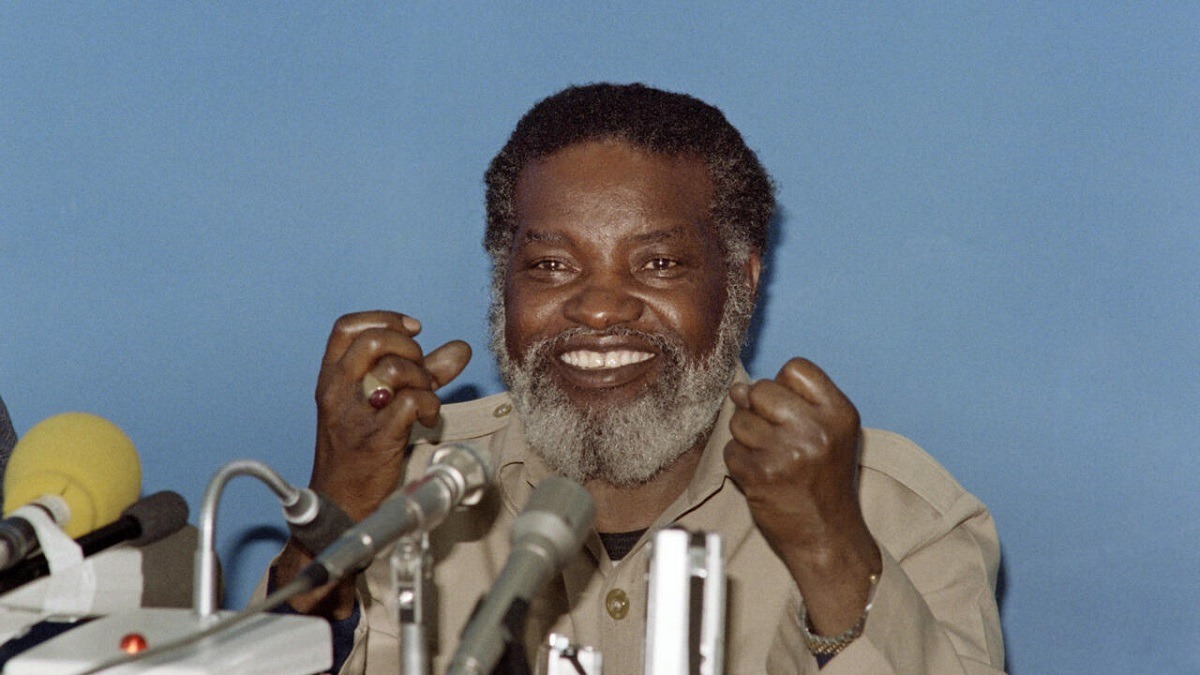
With a deep passion for politics and yearning to see his people free from the restricted pass law system and confined according to Ethnic groupings, Dr Nujoma resigned from the South African Railways in 1957 at the age of 29.
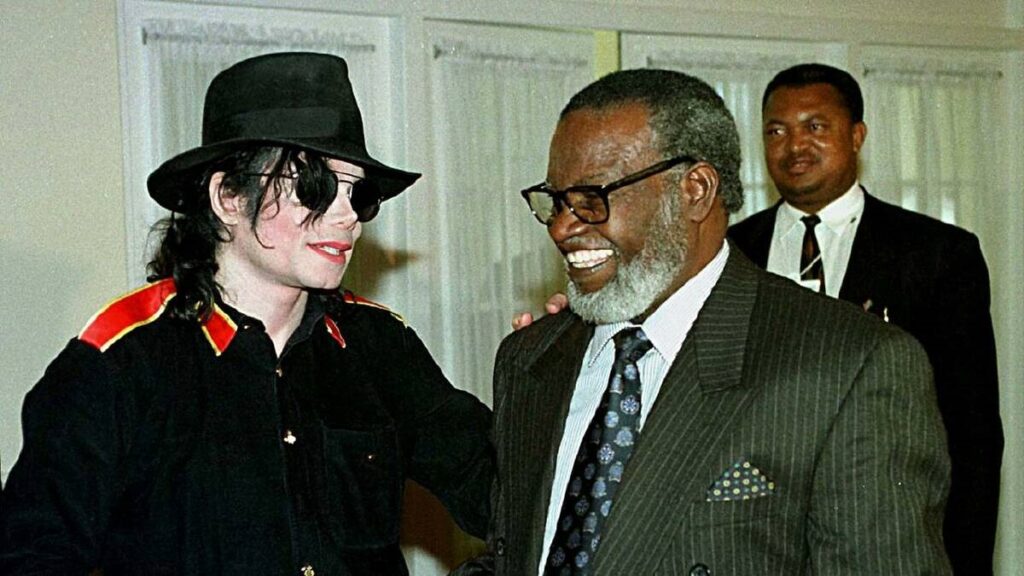
He did so with the purpose of devoting his time to politics. In 1959, he was elected Leader of the Owambo People’s Organization (OPO) which aimed at ending the then contract system and ending the South African colonial administration by placing South West Africa (SWA) under the UN Trusteeship system.
Through this, Dr Nujoma petitioned the UN in the late fifties, together with Chief Hosea Kutako, Samuel Witbooi, Theophilus Hamutumbangela, Toivo ya Toivo and others demanding that the then South West Africa be placed under the UN Trusteeship system.
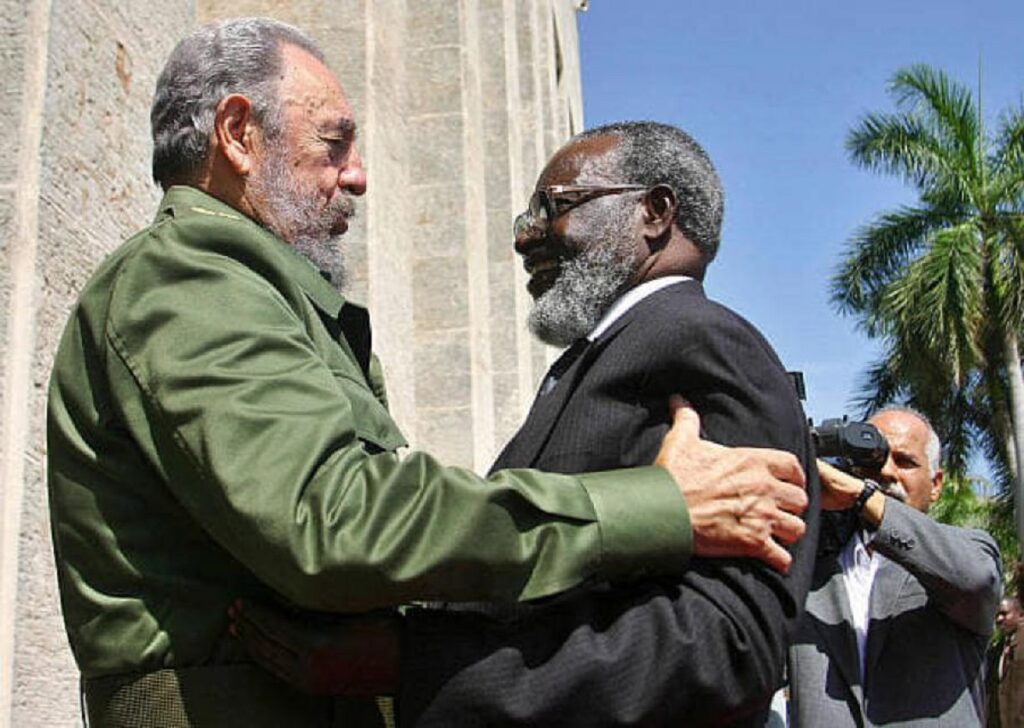
Subsequently, Dr Nujoma together with Uatja Kaukuetu of SWANU and Moses Garoeb, the late Minister of Labour and others, organized resistance against the forcible removal of the inhabitants of the Old Location to the new township of Katutura, which was based on the apartheid policy.
This culminated in the massacre of 12 innocent unarmed persons and wounding many others on the 10th December 1959.
After the massacre, he was arrested and charged for organizing the resistance.
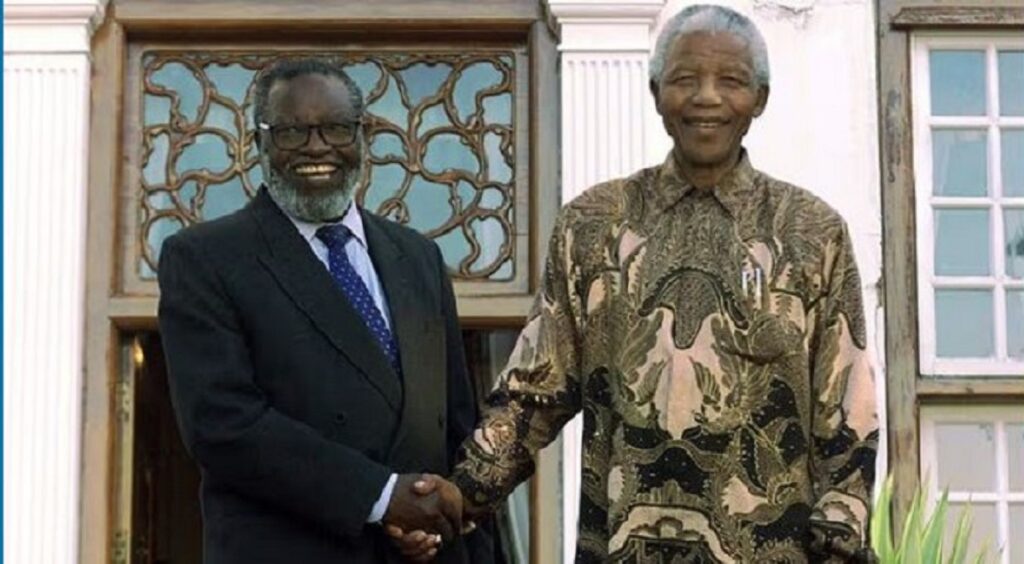
By the directive of OPO leadership and in collaboration with Chief Hosea Kutako, he went into exile on 1 March 1960, via the then British Bechuanaland protectorate.
With the assistance of Daniel Munamava he was able to cross the borders of Bechuanaland, Southern Rhodesia, Northern Rhodesia, Tanganyika, Kenya and Sudan. In April 1960, he attended the All African People’s Conference organized by President Kwame Nkrumah of Ghana against the French Atom Bomb test in the Sahara Desert.
After Ghana, Dr Sam Nujoma went to Liberia and finally reached the USA in June 1960 and petitioned before the UN Fourth Committee of the General Assembly demanding the end of the South African colonial administration of SWA. Meanwhile, the South West Africa People’s Organization was formed on the 19th April 1960 and Dr Nujoma was elected as the President of the movement in absentia.
In March 1966, in a bid to test South Africa’s claims at the International Court of Justice at the Hague that Namibians in exile were free to return, Nujoma, accompanied by President Hifikepunye Pohamba, chartered a plane to Windhoek. On arrival at the airport, they were arrested and deported to Zambia on 21st March 1966.
From 1977 to 1978, Dr Nujoma led the SWAPO negotiations team between the Western Five Contact group and South Africa on the one hand, and the Frontline States, Nigeria, and SWAPO on the other, which culminated in the adoption of the UN Security Council Resolution 435 (1978). Thereafter on 19th March 1989, the signing of the cease-fire agreement with South Africa took place, which resulted in the implementation of the UN Security Council Resolution 435.
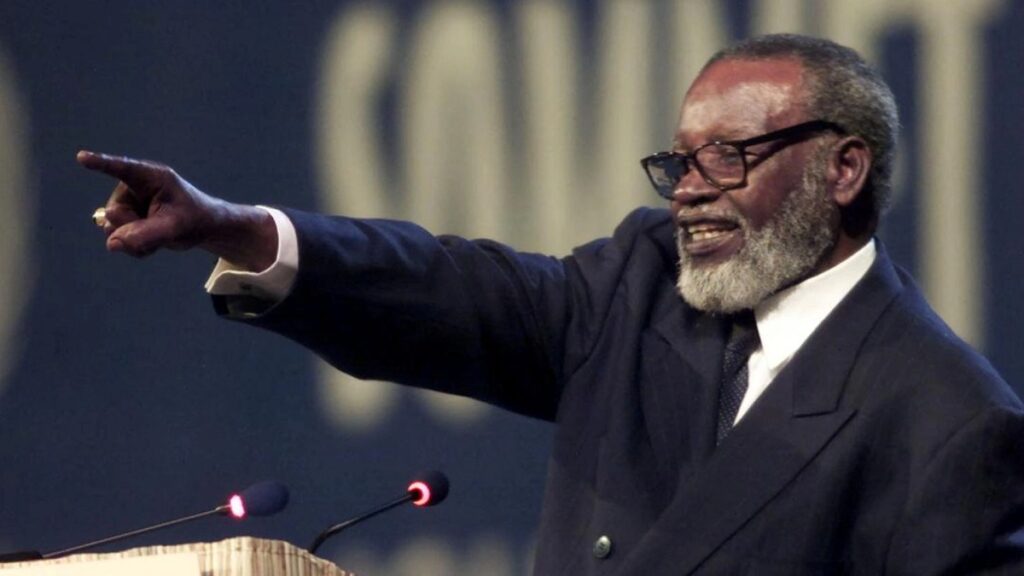
In Namibia’s first democratic elections for a Constituent Assembly, SWAPO gained a majority and Dr Sam Nujoma was elected. On 16th February 1990, he was unanimously elected by the National Assembly as the First President of the Republic of Namibia. On 21st March 1990, President Nujoma was sworn in as the First President of the Republic of Namibia and Commander-in-Chief of the Namibian Defence Force.
He was re-elected for two more terms of office in 1994 and 1999 respectively, in recognition of his wise and dynamic leadership. Through his leadership, SWAPO adopted the Policy of National Reconciliation under the motto: ONE NAMIBIA, ONE NATION. He successfully united all Namibians into a peaceful, tolerant and democratic society governed by the rule of law.
In recognition of his dedication to his selfless sacrifice to the national liberation struggle and nation-building, the Parliament of the Republic of Namibia enacted legislation conferring the Status of Founding Father of the Namibian Nation in 2005 through Act 16 of 2005.
He stepped down on 21st March 2005, handing over the power to his successor His Excellency the President Hifikepunye Pohamba. He served as the leader of the SWAPO Party for 47 years. He also stepped down as the first President of the SWAPO Party on 30th November 2007 handing over the power to his successor, His Excellency Comrade Hifikepunye Pohamba, President of the SWAPO-Party. During the historical occasion, Dr Nujoma had the following to say:
“I am stepping down as President of SWAPO Party with a full sense of fulfilment. I am proud to have worked with the entire leadership of SWAPO. Collectively, we have steered SWAPO through immense challenges, some of which might have seemed insurmountable. There were internal contradictions, most often driven by tribalistic, power-hungry, unpatriotic and selfish individuals. In all these challenges, SWAPO preserved, survived and emerged even stronger.” – Dr Sam Nujoma
During his lifetime, Dr Nujoma was awarded honours and awards for his outstanding leadership, courage and total commitment towards the creation of a non-racial society in Namibia.
- The Sam Nujoma Foundation
President Mnangagwa arrives in Namibia for the burial of founding father Dr Sam Nujoma
SADC chairperson, President Mnangagwa has landed at the Hosea Kutako International Airport here for the burial of Namibia’s founding father Dr Sam Nujoma.
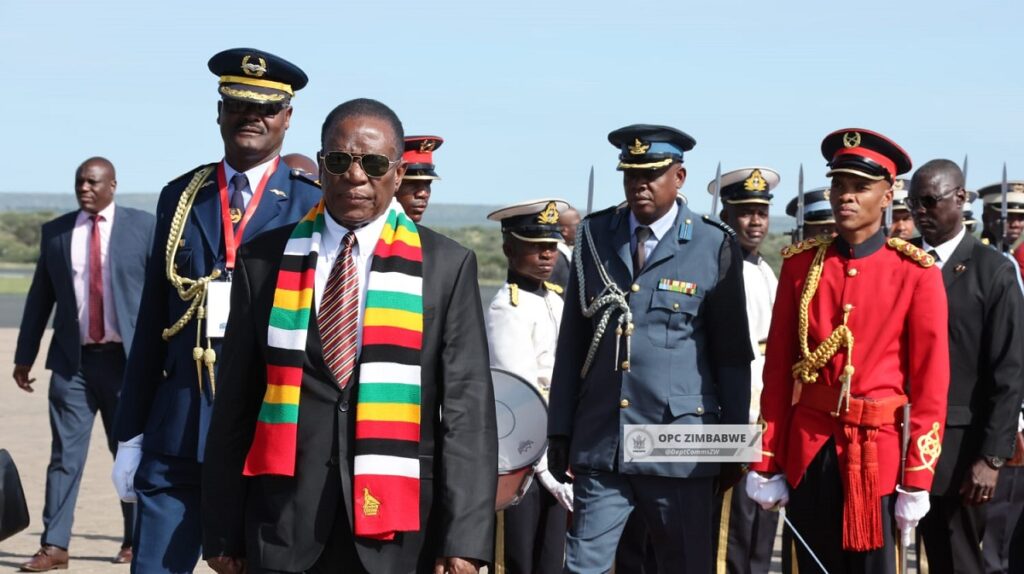
Dr Nujoma, who died at the age of 95 in a Windhoek hospital on February 8, 2025, has been celebrated for his rich legacy both at home and across the region.
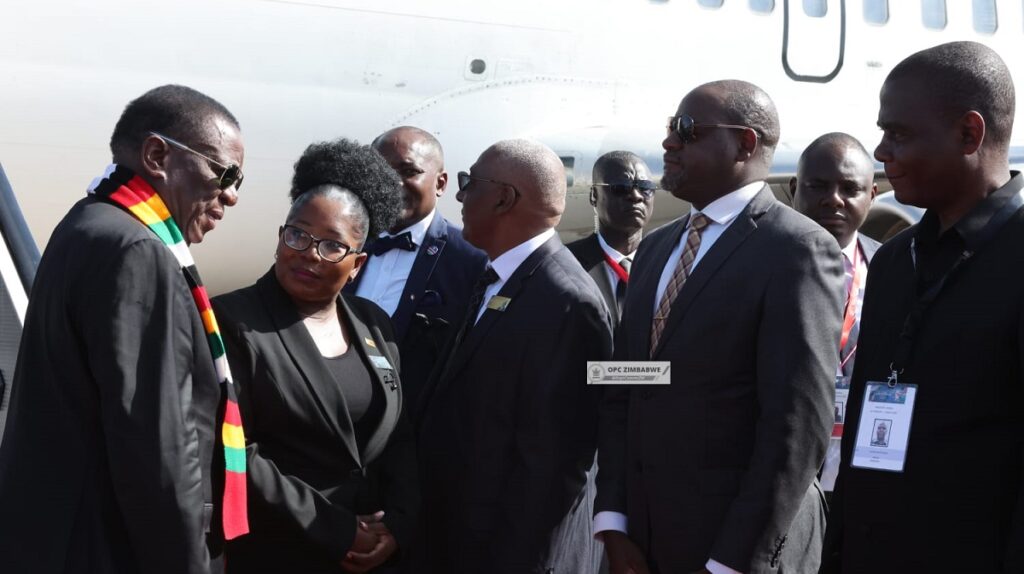
The President was welcomed by Namibian Tourism Minister Pohamba Penomwenyo Shifeta, Zimbabwe Ambassador to Namibia Melody Chaurura, Foreign Affairs Minister Professor Amon Murwira among other senior government officials.
President Mnangagwa and fellow Heads of State from the region and abroad will attend the late Dr Nujoma’s memorial service at the Independence Stadium today where the Sadc chairperson is also expected to address.
He will also attend the liberation icon’s burial at Namibia’s National Heroes’ Acre in the capital tomorrow. Early this week, President Mnangagwa signed the book of condolences for Dr Nujoma at the Namibian embassy in Harare saying the Pan Africanist had a huge impact in the region.
A symbolic landing: President Mnangagwa arrives at airport steeped in Namibian history
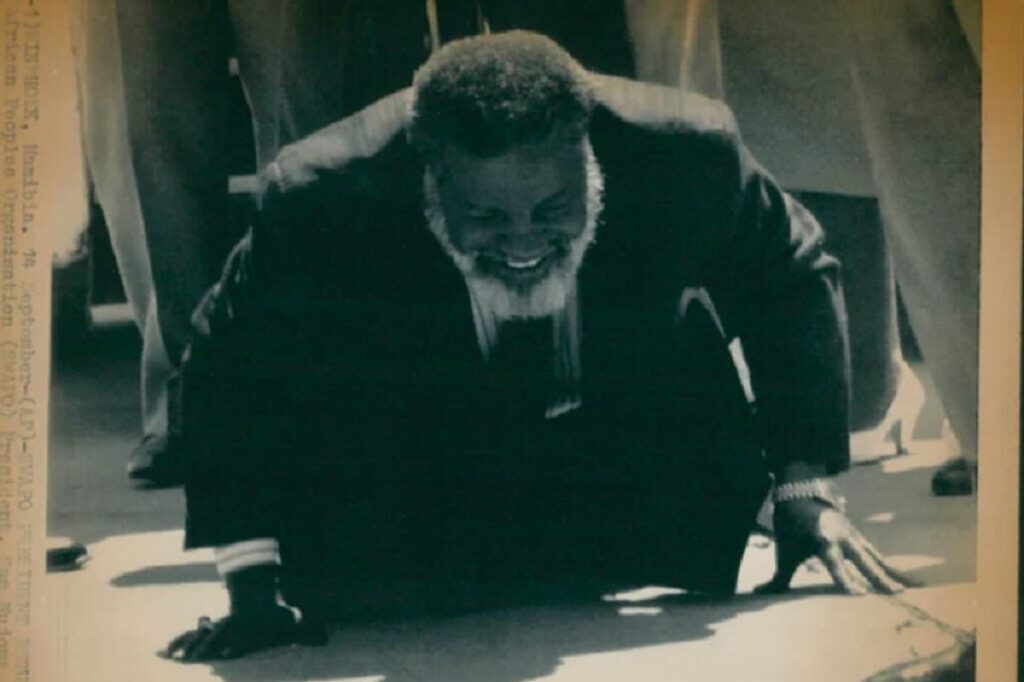
The Hosea Kutako International Airport where President Mnangagwa landed is the same airport, then the JG Strydom Airport, where Dr Nujoma famously kissed the ground on September 14 1989 as he returned to an almost independent Namibia to a heroes’ welcome and effectively ending his 30 year forced exile.
He went on to lead independent Namibia from 1990 to 2005.
Regional leaders converge for memorial service
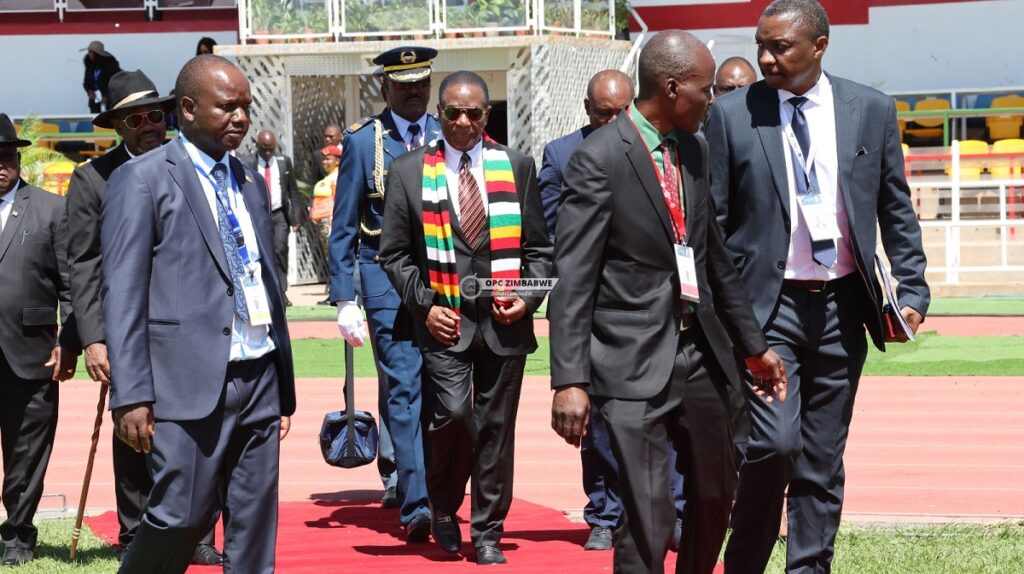
Sadc chairperson, President Mnangagwa has arrived at the Independence Stadium for Dr Sam Nujoma’s memorial service.
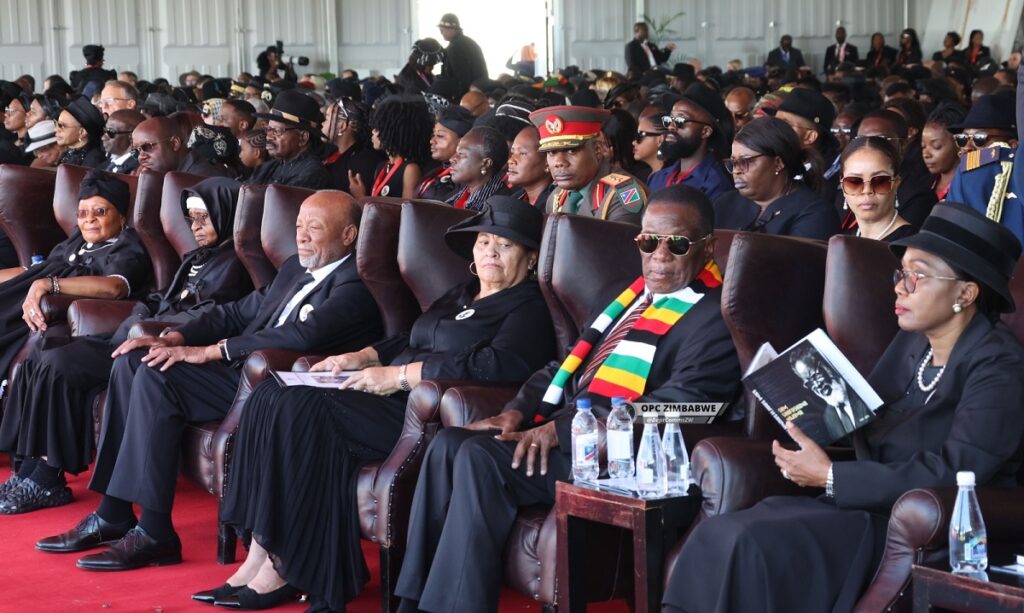
He was accompanied by Namibia’s Tourism Minister Pohamba Penomwenyo Shifeta and Zimbabwe’s Ambassador to Namibia Melody Chaurura.
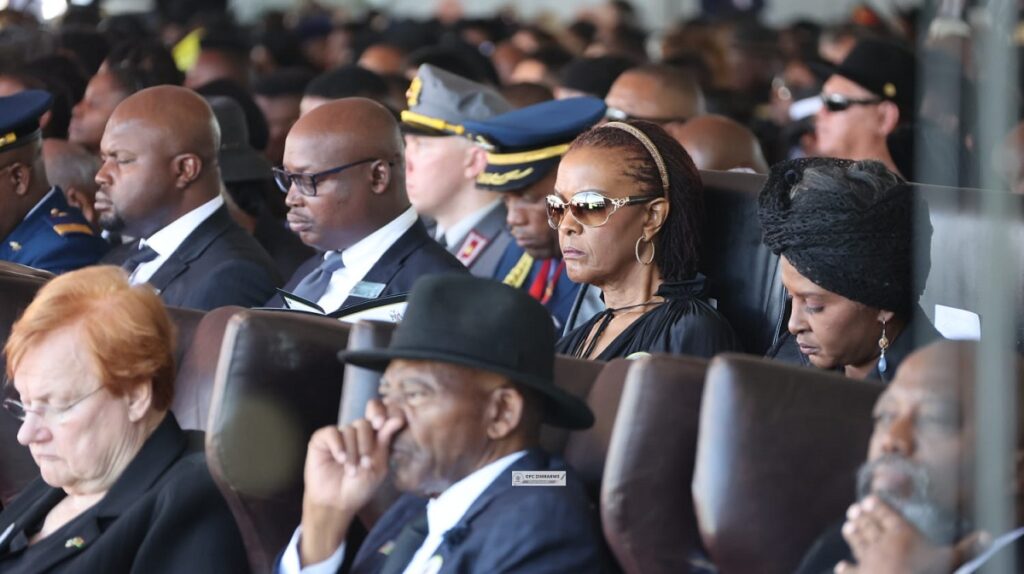
Also in attendance is Angola President João Lourenço, former Angolan First Lady Ana Paula dos Santos and former Zimbabwe First Lady Grace Mugabe.
Sombre day for Africa
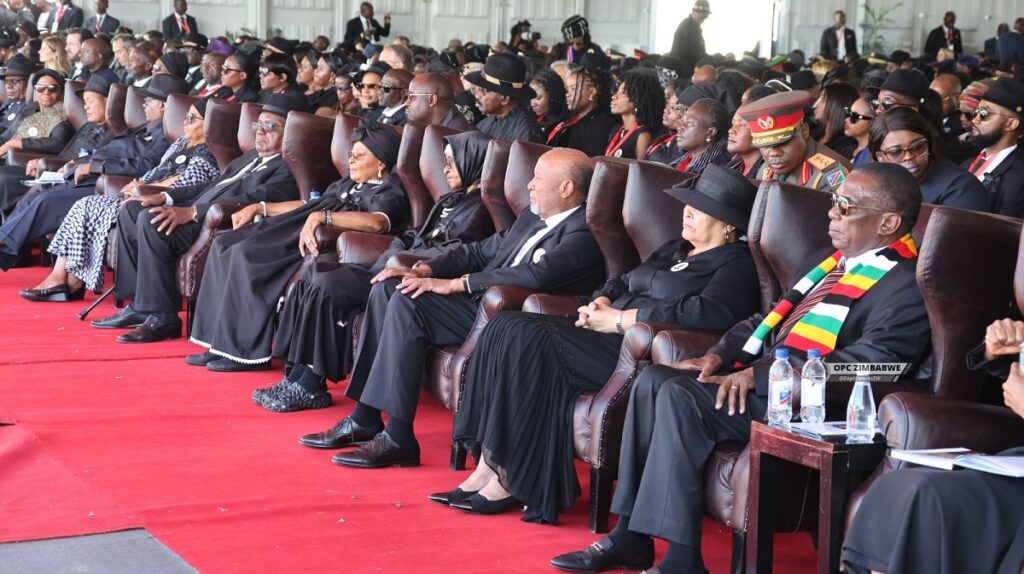
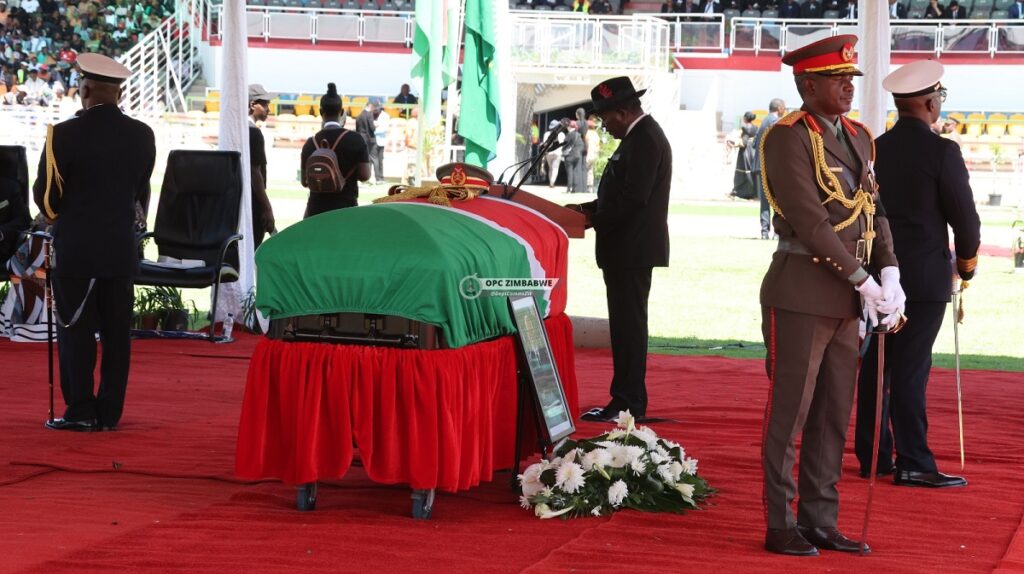
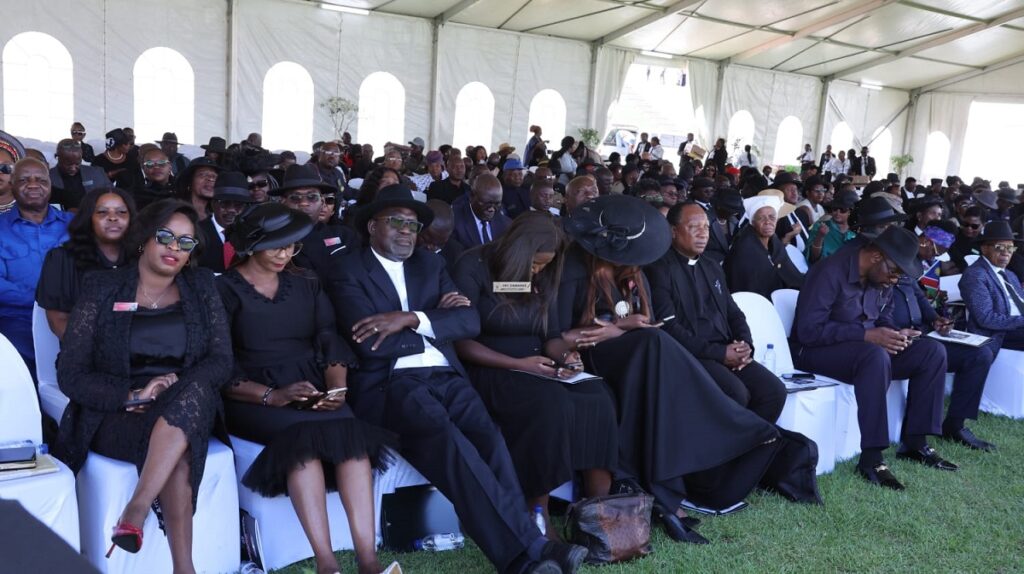
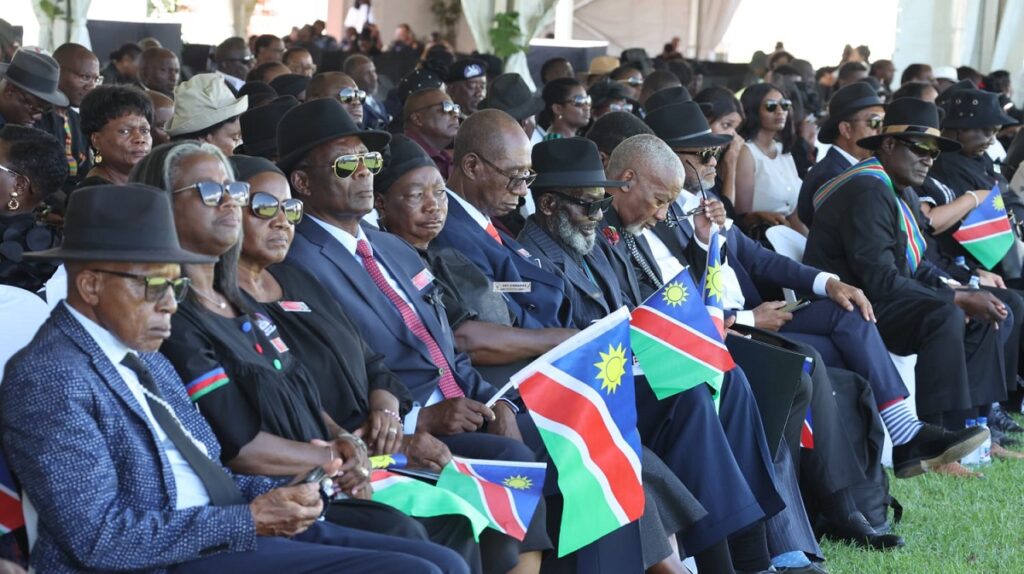
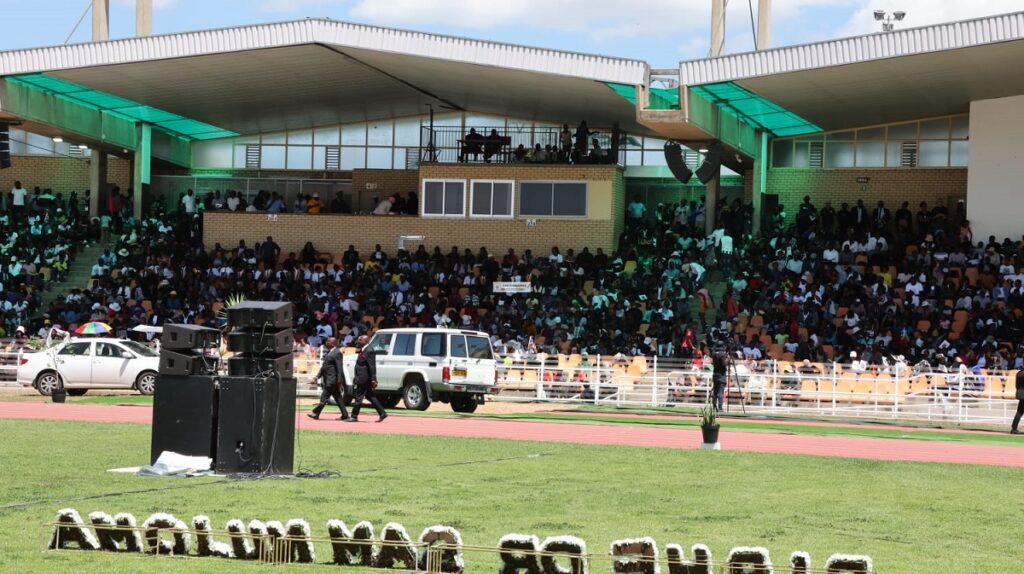
A sombre atmosphere has enveloped the Independence Stadium in Namibia as thousands of mourners, including Heads of State, have gathered to pay their final respects to the nation’s founding father, Dr. Sam Nujoma.
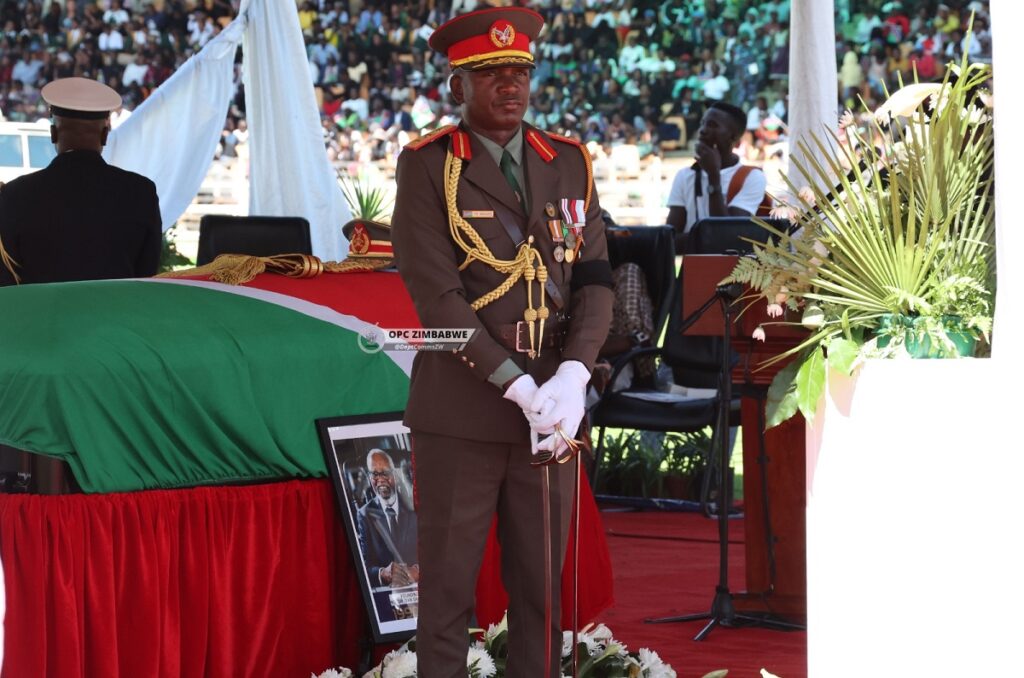
The historic event has drawn people from all walks of life, united in grief and gratitude for the life and legacy of a man who played a pivotal role in Namibia’s liberation struggle and independence.
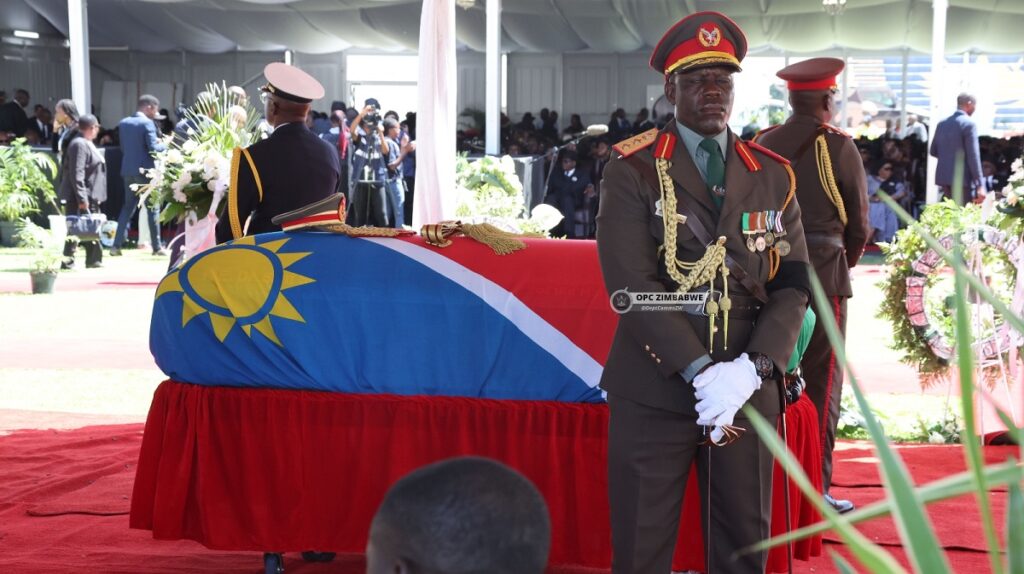
The Independence Stadium, adorned with Namibian flags flying at half-mast, is filled to capacity as citizens and dignitaries gather to honour a leader whose vision and sacrifice shaped the nation.
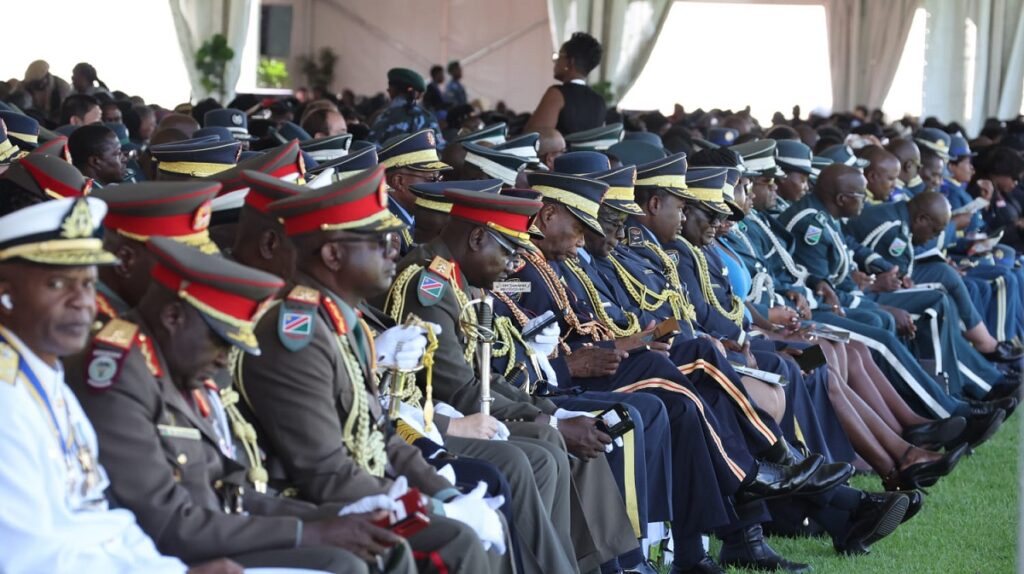
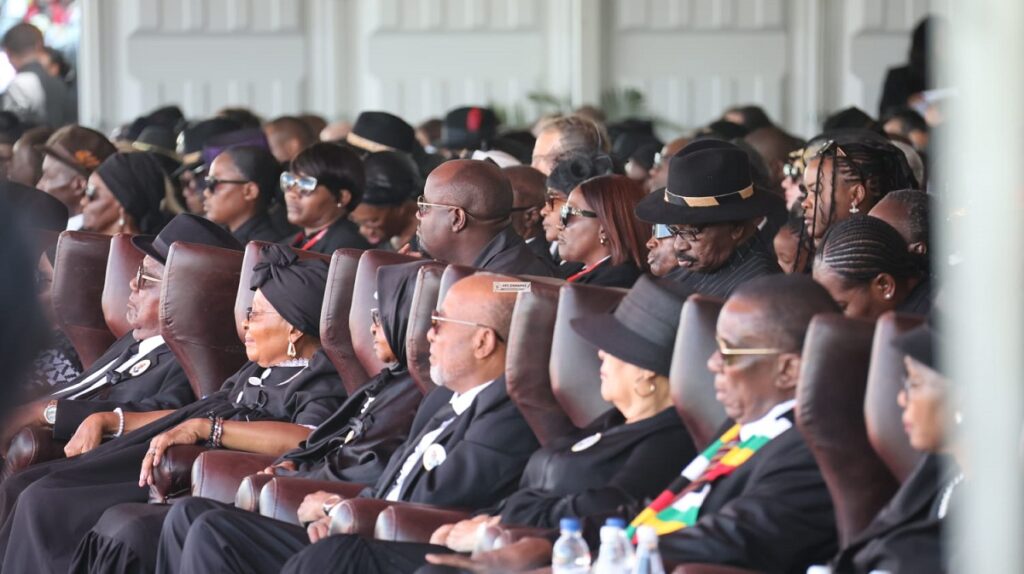
Among the dignitaries in attendance are Heads of State and representatives from across Africa and beyond, underscoring the immense respect and admiration Dr Nujoma commanded on the international stage.
The state funeral includes a formal military ceremony, with the Namibian Defence Force rendering a gun salute in honor of the late leader, as the nation collectively mourns the loss of its first President. Dr Nujoma’s contributions to Namibia’s independence, which was achieved in 1990 after years of struggle, remain a source of immense pride for the nation.
Former Namibian Prime Minister Nahas Angula delivers emotional eulogy for Dr Nujoma
Former Namibian Prime Minister Nahas Angula has taken to the podium at the Independence Stadium to deliver an emotional and inspiring eulogy for the late founding father, Dr. Sam Nujoma.
The heartfelt tribute traced the life of the iconic leader, from his humble beginnings to the early days of his political activism that would eventually lead to Namibia’s independence.
The eulogy delved into Dr. Nujoma’s political starting in the 1950s, a transformative period that saw him become deeply involved in labour movements and grassroots activism. Angula highlighted how these experiences ignited Dr Nujoma’s passion for the liberation of Namibia from South African rule.
“In 1959, he co-founded the Ovamboland People’s Organisation (OPO), a forerunner of SWAPO, which aimed to challenge South Africa’s illegal administration in Namibia. The same year, he played a key role in in mobilising resistance against the forced removals in Windhoek’s Old Location which led to the tragic Windhoek Old Location Massacre,” said the former Namibian Prime Minister.
“Recognising that Independence could not be achieved through peaceful protests alone, Nujoma transformed OPO into South West Africa People’s Organisation (SWAPO) in 1960. Shortly after, he went to exile where he led Namibia’s struggle from the international stage. Under his leadership, SWAPO launched an armed liberation struggle in 1966, marking the beginning of armed conflict against South African occupation.
“From exile, Dr Nujoma became the face of Namibia’s liberation movement. He travelled extensively, securing political, military and financial support from African, Eastern European and non aligned nations. His diplomatic efforts gained the recognition of the United Nations , the Organisation of African Unity (OAU) and other global institutions, ensuring Namibia’s independence remained a key issue on the international agenda.”
The former Prime Minister further revealed that as commander in chief of the People’s Liberation Army of Namibia (PLAN), President Nujoma led SWAPO in strategic military operations while continuing negotiations through diplomatic channels. The armed struggle intensified throughout the 1970s and 1980s, with the South African government facing increasing international pressure to relinquish control of Namibia.
“The breakthrough came in 1988, when a peace agreement was reached, paving the way for the United Nations supervised elections in 1989. SWAPO emerged victorious and Namibia finally achieved independence on 21 March 1990.”
The eulogy served as both a tribute to Dr Nujoma’s leadership and a reminder of the sacrifices he made for the nation. Angula emphasized that the late leader’s legacy would forever be intertwined with Namibia’s history, as a symbol of hope, resilience, and unity.
Dr Nujoma son reflects on his father’s legacy
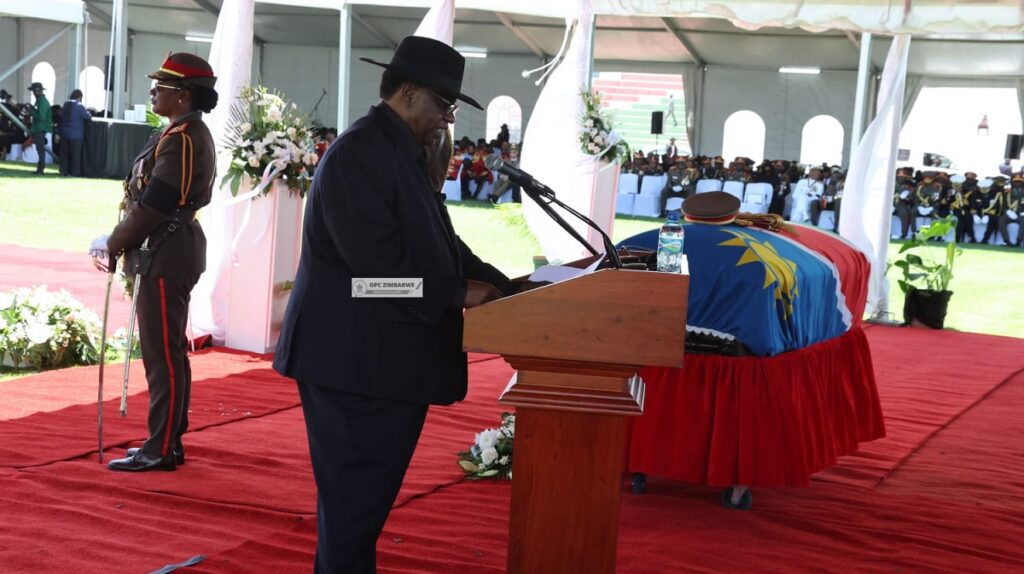
The late Dr Sam Nujoma’s eldest child, Unoti Nujoma, who also serves as Namibia’s Minister of Labour, Industrial Relations and Employment Creation, described his father’s legacy, as one of unity- not just within Namibia but across the African continent.
Minister Nujoma shared poignant memories of his father, recounting how he was just eight-years-old when Dr Nujoma made the life-altering decision to go into exile in 1959.
This decision marked the beginning of a decades-long journey toward Namibia’s independence, a path fraught with hardship but driven by an unyielding commitment to the liberation of his people.
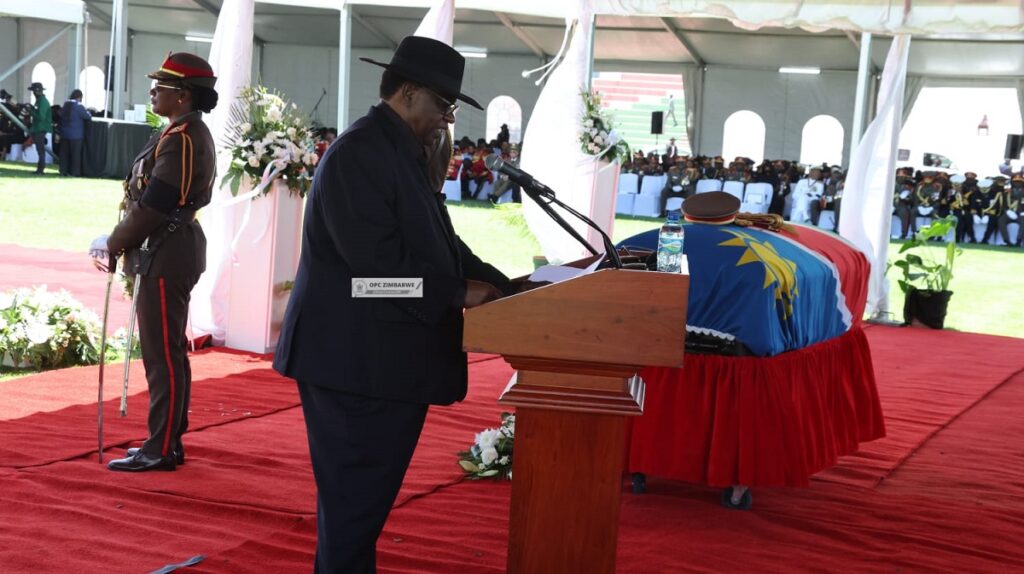
He says his father died 15 minutes before midnight on February 8, surrounded by his family and loved ones.
Dr Nujoma, he says, left a legacy of unity in the country and region hence the playing of the Namibian and African Union anthems at the ceremony.
“In honouring him let us remember his legacy of selflessness and the unity he brought among Namibians that had been fragmented by the colonialists”
He thanks President Dr Nangolo Mbumba for according his father a State funeral and National Hero Status
Minister Nujoma also thanks countries and organisations that gave Dr Nujoma all forms of support leading to Namibia’s liberation.
Namibia’s Founding Father remembered as ‘fire and fury’ leader
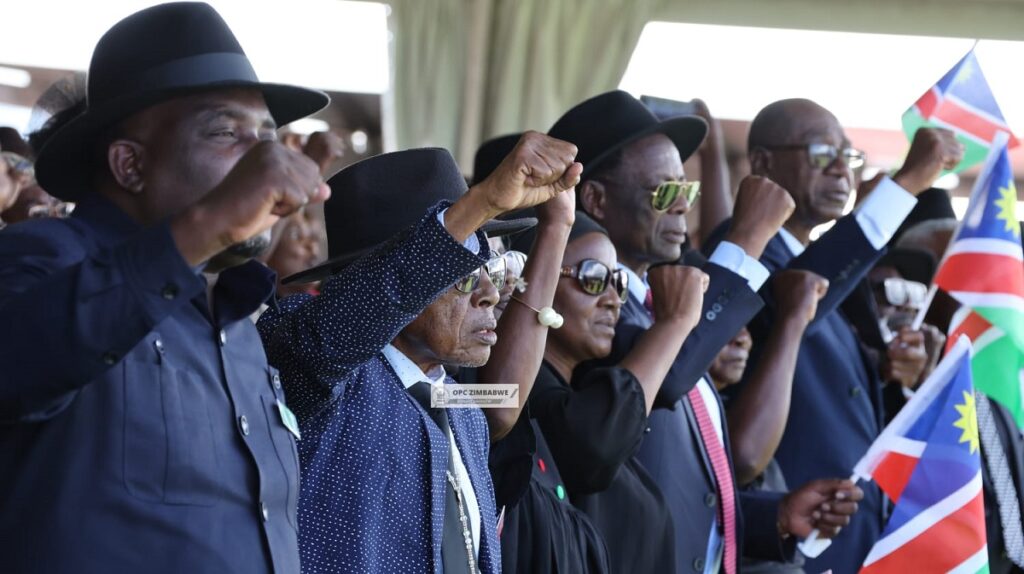
McHenry Venaani, Namibian Member of Parliament and leader of the Official Opposition, delivered a heartfelt and powerful tribute to Namibia’s founding father, Dr Sam Nujoma, during a memorial service held in his honour.
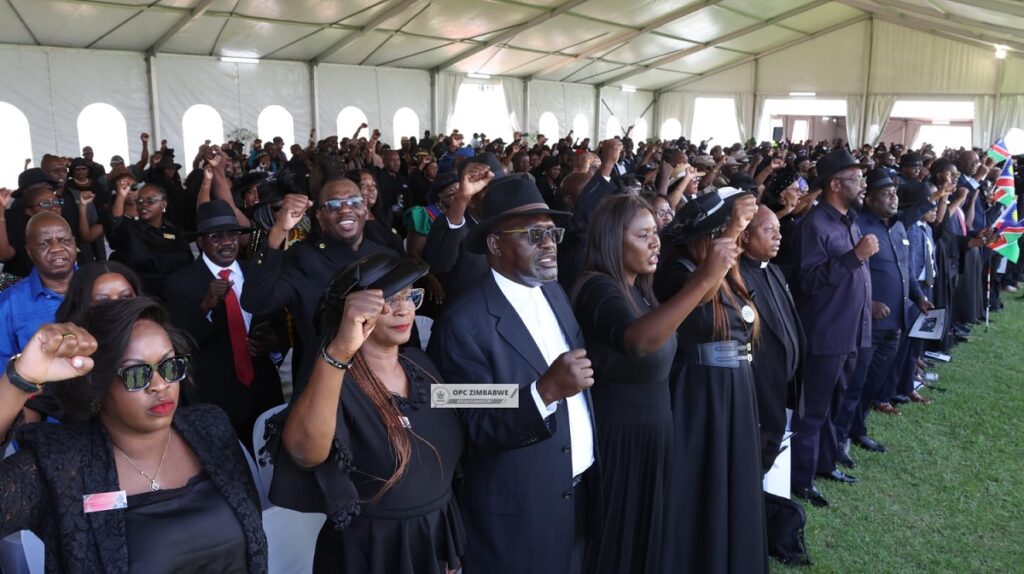
Speaking to a grieving nation gathered at the very stadium where Namibia’s independence was declared, Venaani reflected on the immense legacy of the late leader.
The opposition leader praised Dr Nujoma’s unparalleled leadership, describing him as “not just a leader but a master tactician in the field.”
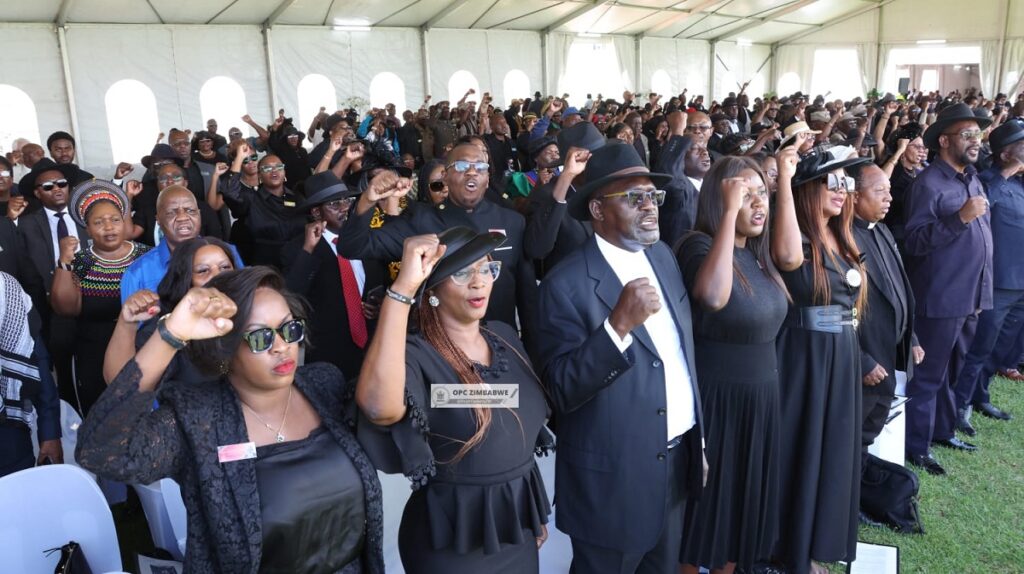
He emphasised that Nujoma’s strategic brilliance in leading Namibia’s liberation struggle cemented his place in history as a figure of extraordinary significance.
“It was at this stadium that he declared this country Independent. I remember a leader who was fire and fury,” said the MP.
Venaani reflected on Nujoma’s impact within the Namibian Parliament, where his commanding presence and unwavering resolve left a lasting impression.
“I remember when he used to address the Parliament. He was not a man to play with, feared by the opposition.”
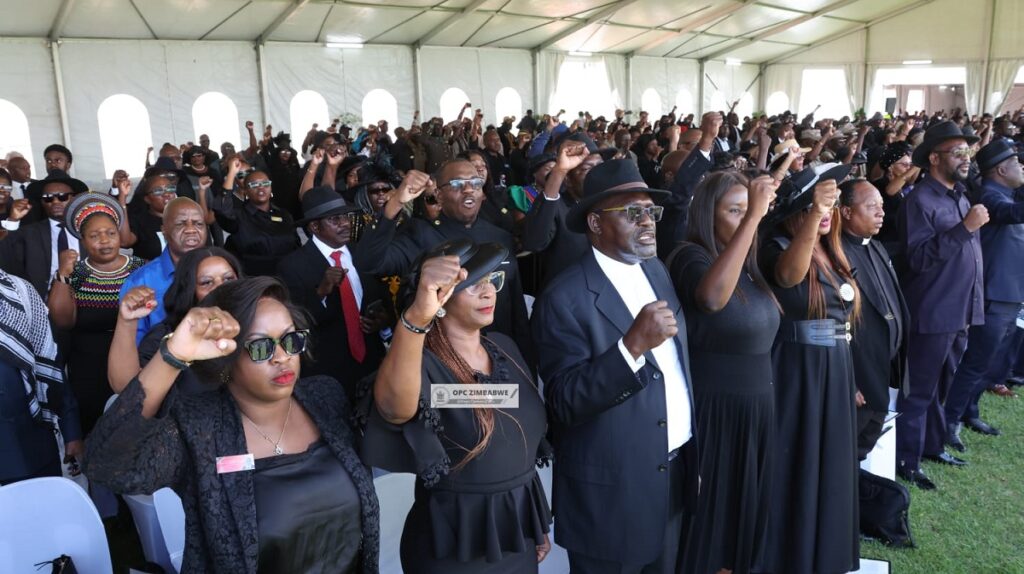
In his tribute, MP Venaani highlighted the enduring legacy of Dr Nujoma, asserting that his contributions to Namibia’s history are indelible.
“His name will never fail, for history never forgets the hands that shaped it,” he declared, emphasizing Nujoma’s role in carving out Namibia’s identity as a free and independent nation.
MP Venaani also spoke of Nujoma’s global recognition, noting how his name became synonymous with Namibia itself. “Everywhere you go in the world, you would encounter people asking about Nujoma. He became more popular than Namibia.”
He said Nujoma has a legacy of fighting injustice and calls for solidarity in Africa in the wake of bullying on some nations by powerful nations and armed conflict.
Namibian Vice President, President-elect Dr Netumbo Nandi-Ndaitwah pays tribute to Dr Sam Nujoma
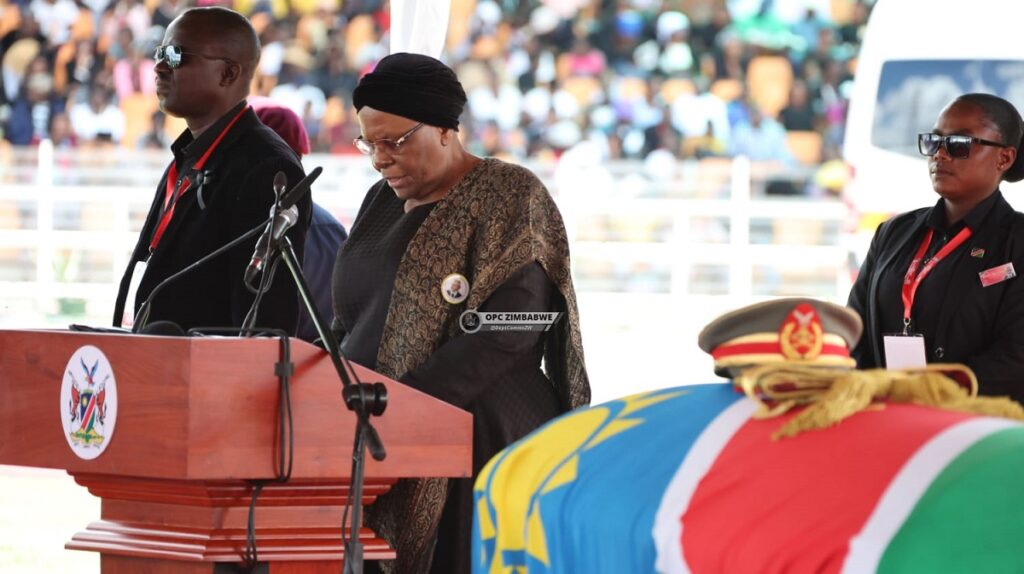
VICE President and President-elect of Namibia, Dr Netumbo Nandi-Ndaitwah, has delivered a stirring tribute to the nation’s founding father, Dr Sam Nujoma, where she called on Namibians to honor Nujoma’s legacy by uniting for a stronger, more prosperous nation.
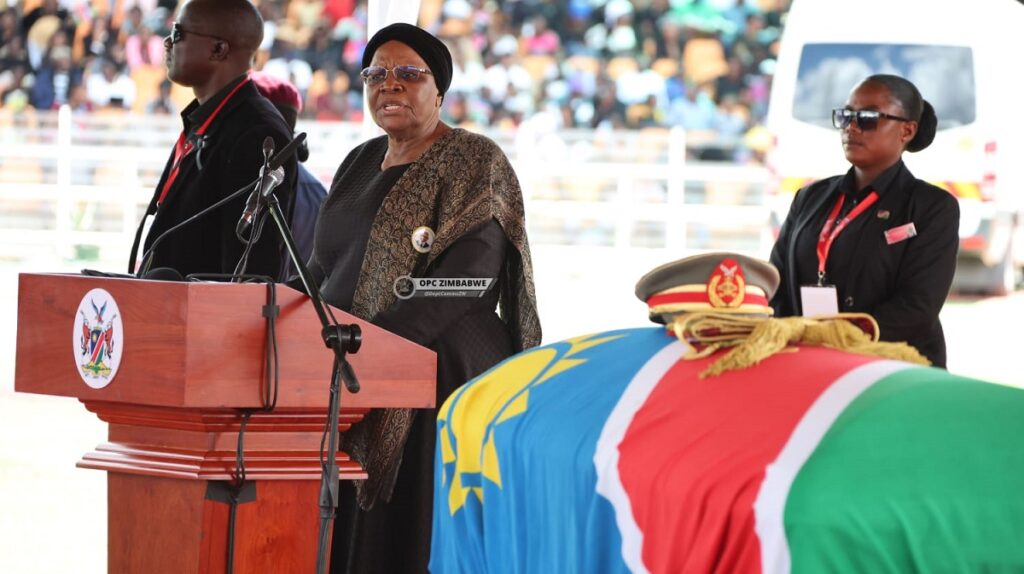
Dr Nandi-Ndaitwah the Vice President of SWAPO.
She described Dr Nujoma as a towering figure among a generation of great Namibian compatriots who fought for the country’s liberation.
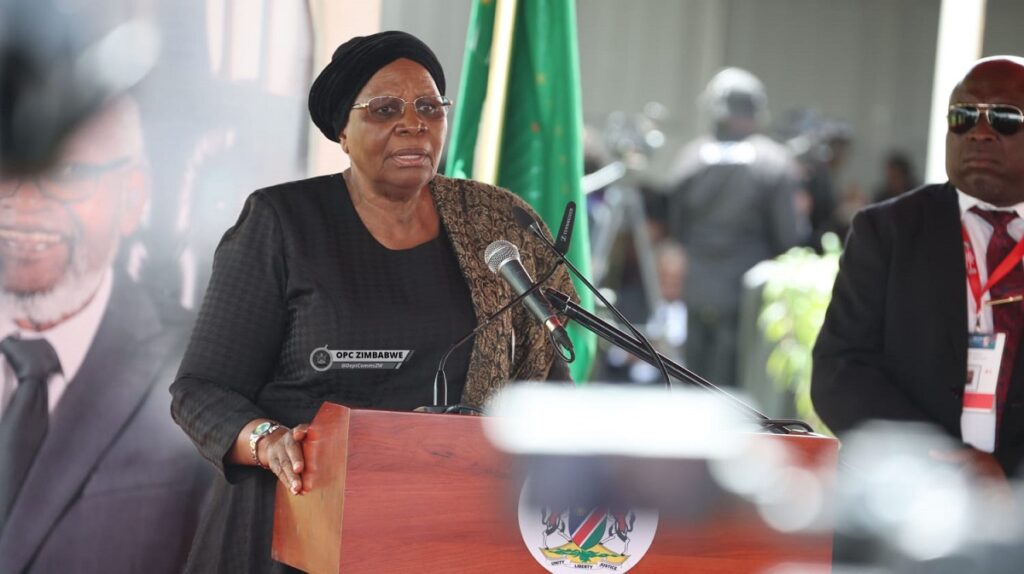
“Dr. Nujoma belonged to a generation of great Namibian compatriots,” she said, acknowledging his dedication to the ideals of freedom, independence, and unity.
She urged the nation to reflect on his enduring contributions as they mourn his loss.
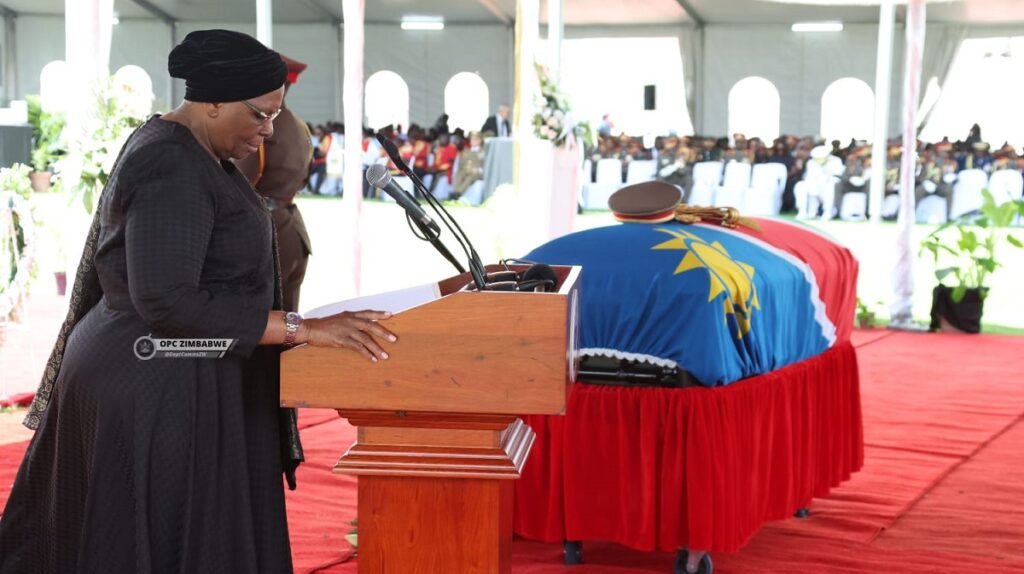
In her address, Dr Nandi-Ndaitwah challenged Namibians to take this moment of mourning as an opportunity for introspection. “As we mourn the passing of our founding father, we must ask ourselves critical questions on what we need to do to unite our party, strengthen our constitution, and deliver for the Namibian people,” she said.
She reminded the nation that Dr Nujoma and his generation had laid the foundation for Namibia’s independence and development, but it is up to the current generation to carry that legacy forward.
Dr Nandi-Ndaitwah emphasised the importance of staying true to the ideals of Namibia’s liberation, a cause that Dr Nujoma dedicated his life to.
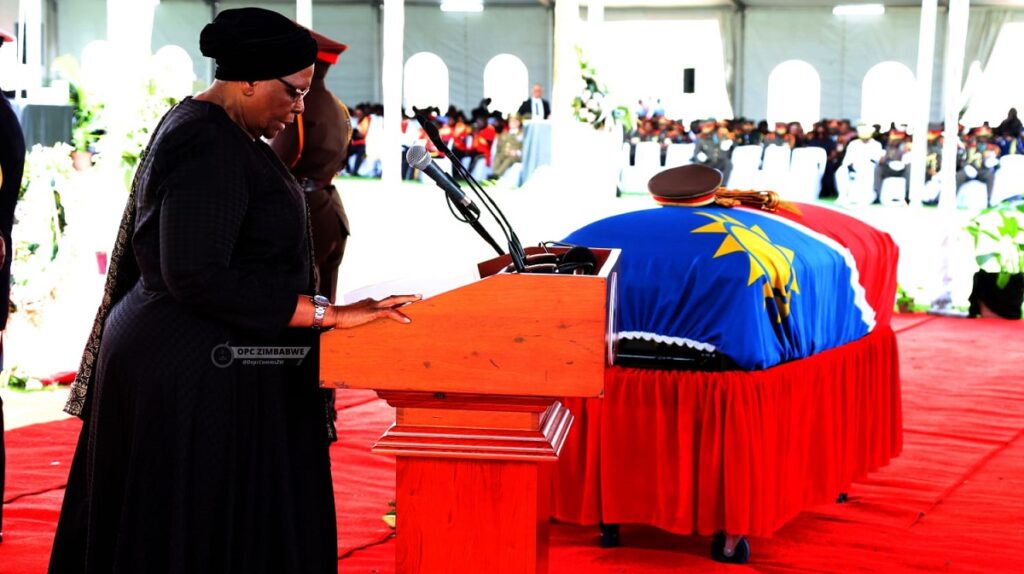
“Dr Nujoma has left us a challenge to keep the ideals of the country’s liberation,” she declared. Urging unity and commitment, she added, “We must not betray Dr Nujoma and his colleagues. Let us defend our independence and ensure prosperity in Namibia.”
Dr Nandi-Ndaitwah called on the nation to focus on achieving economic independence, a cause she said was central to Dr Nujoma’s vision for Namibia.
“As a nation, we must come up with strategies to bring about economic independence, as that is what Dr. Nujoma stood for, and that is the best and only way we can honor his legacy,” she stated.
She reveals that she is the one who pushed the motion to declare Dr Nujoma Father of the Namibian Nation and is happy that is sailed through.
“I can say without fear or contradiction that Dr Nujoma was one of the founders of modern Africa. He had a vision for African unity and was there when OAU was formed in 1963.”
She said Dr Nujoma was the only surviving member who attended the 1963 OAU conference and his death marks the end of the chapter on founding fathers who set up the organisation.
The President-elect further challenged the younger generation to be guided by the vision of the continent’s forefathers.
She says despite a number of setbacks in their fight for liberation including the Cassinga Massacre, Dr Nujoma never tired but led from the front to finally deliver Namibia’s independence in 1990.
SWAPO unveils statue of Dr Sam Nujoma at new party headquarters
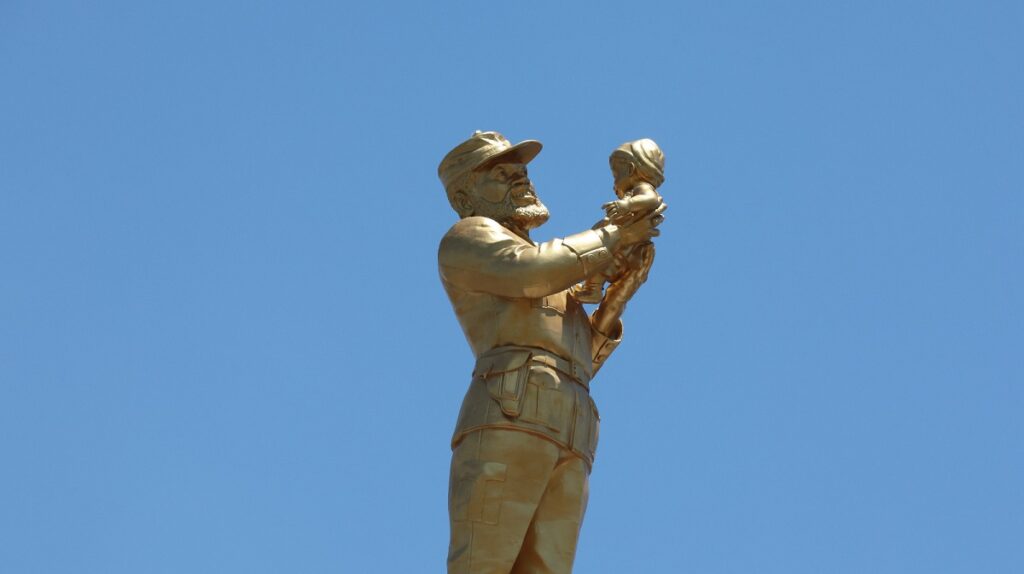
On Thursday, SWAPO unveiled a statue of Namibia’s founding father, the late Dr Sam Nujoma, at its newly inaugurated party headquarters in Windhoek.
The statue serves as a poignant reminder of Namibia’s painful struggle for independence and the leader who dedicated his life to its liberation.
The statue, a depiction of Dr Nujoma holding a child, commemorates one of the most harrowing chapters in Namibia’s.
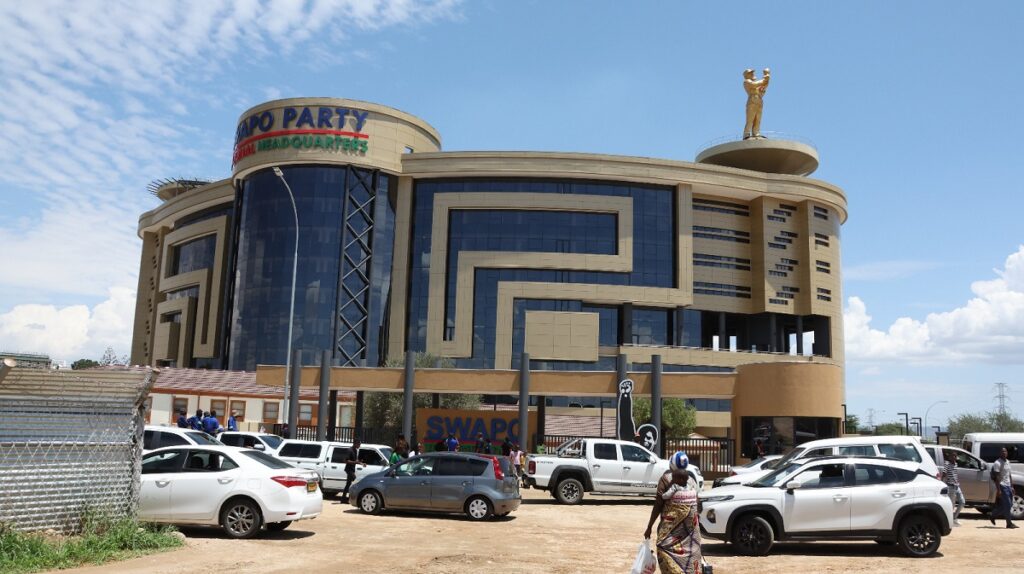
The child represented in the statue is a survivor of the Cassinga Massacre, a tragic event that occurred on May 4, 1978, when airborne soldiers from apartheid South Africa attacked a SWAPO camp in Angola, resulting in the deaths of more than 600 people.
The day has been used by Namibians as a reminder of their long and bitter road to freedom.
Dr Pohamba’s emotional tribute to Dr Sam Nujoma amid symbolic rainfall
Dr Hifikepunye Pohamba, Namibia’s second President and the late Dr Nujoma’s successor, captured the profound legacy of a man who led the country through its liberation struggle and into freedom.
Speaking with both reverence and nostalgia, Dr Pohamba painted a vivid picture of Dr. Nujoma’s leadership during Namibia’s fight for independence.
“This is a man who commanded Namibians through the jungles of Africa in pursuit of our Independence,” said Dr Pohamba.
He described Dr Nujoma as a unifying force who held the people together when the odds were against them, leading Namibia to its historic freedom.
Reflecting on their long-standing relationship, Dr Pohamba said, “I was privileged to have worked closely with Dr. Sam Nujoma for 63 years, both in exile and after Independence.”
He recounted the arduous journey that Dr Nujoma undertook when he left Namibia for exile- traveling through Botswana, Bulawayo, and Harare in Zimbabwe, then proceeding to Zambia and finally Tanzania.
This journey marked the beginning of a relentless pursuit of liberation that would ultimately change the course of Namibia’s history.
As Dr Pohamba spoke, the heavens opened, and a heavy downpour interrupted the proceedings at the stadium. However, the rain was embraced by the crowd as a positive omen, with many viewing it as a symbolic tribute to the life and legacy of Dr Nujoma.
Members of SWAPO spontaneously broke into praise songs, their voices rising above the rain in a moment of shared emotion and celebration.
The rain, far from dampening the atmosphere, seemed to energize the crowd. As it subsided, the stadium echoed with jubilant singing and applause, a testament to the enduring respect and love Namibians hold for their founding father. In the words of many attendees, the rain was seen as a blessing, a sign that the spirits themselves were paying homage to Dr Nujoma.
Resuming his speech after the rain, Dr Pohamba reflected on Dr Nujoma’s triumphant return to Namibia in September 1989 after 30 years in exile.
“Cde Sam Nujoma spent a lot of his life fighting for the Independence of our country, which was finally achieved on March 21, 1990,” Dr Pohamba said, recalling the iconic moment when Dr Nujoma declared, “Namibia will forever be free.”
Dr Pohamba emphasized how Namibia’s independence under Dr Nujoma’s leadership brought peace and stability to the nation and its neighbors. “Since that day, our nation has been at peace with itself and its neighbors as we strive to improve the lives of our people,” he said.
Honouring Dr Nujoma as an iconic Pan-African leader, Pohamba declared, “We are therefore honored to pay a fitting tribute to this iconic Pan-African Sam Nujoma.”
African Union chairperson pays tribute to Dr Nujoma
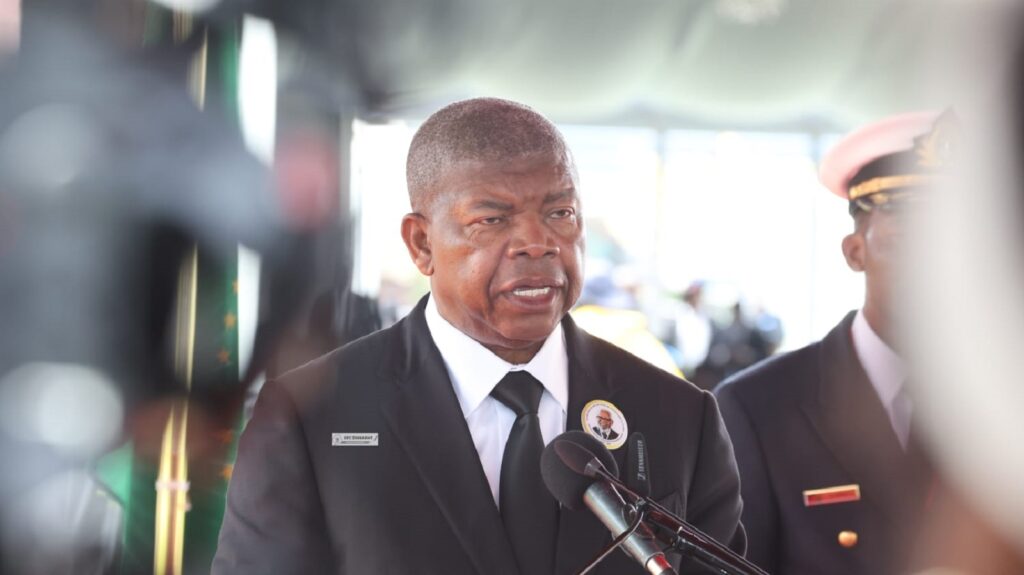
African Union (AU) Chairperson and Angolan President João Lourenço has reflected on the towering legacy of Dr Nujoma and his indelible impact on the liberation of Namibia and the African continent at large
Speaking as both a leader and a fellow African, President Lourenço described the task as a “difficult duty” to bid farewell to such a monumental figure.
President Lourenço emphasised Dr Nujoma’s pivotal role in the fight against colonialism, which culminated in Namibia’s hard-won independence.
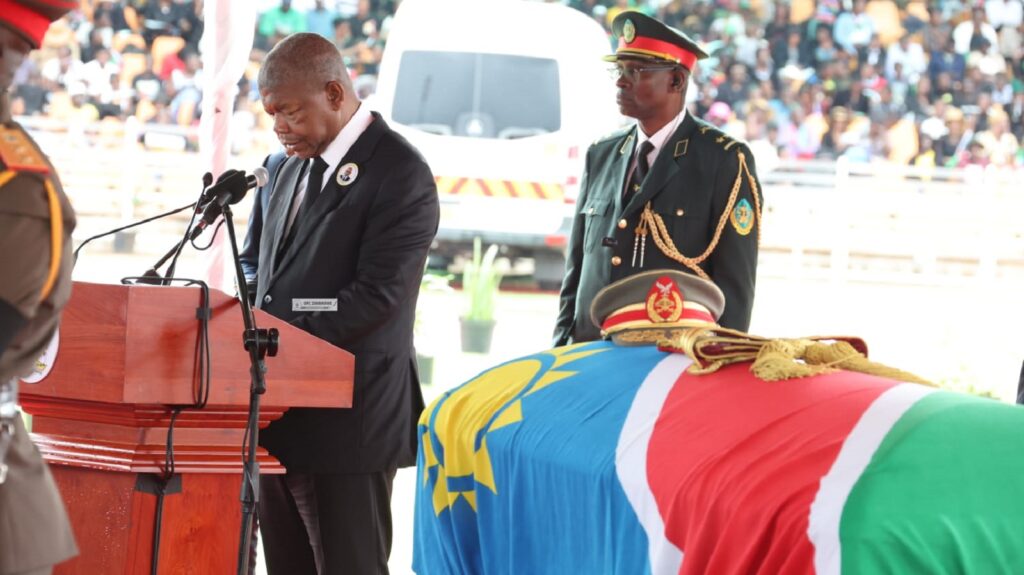
“Dr. Nujoma gallantly fought colonialism, leading to Namibia’s liberation,” he said.
President Lourenço urged the current and future leadership of Africa to draw inspiration from Dr Nujoma and his fellow founding fathers.
He called for a renewed commitment to building a continent grounded in the “profound values” that leaders like Nujoma championed.
“We must, in solidarity, build an Africa that would make Dr Nujoma and all the forebears proud,” he said
“The works of Dr Nujoma will serve as a beacon for future generations,” he said, highlighting the enduring influence of Namibia’s founding father as a symbol of courage, vision, and unwavering dedication to freedom.
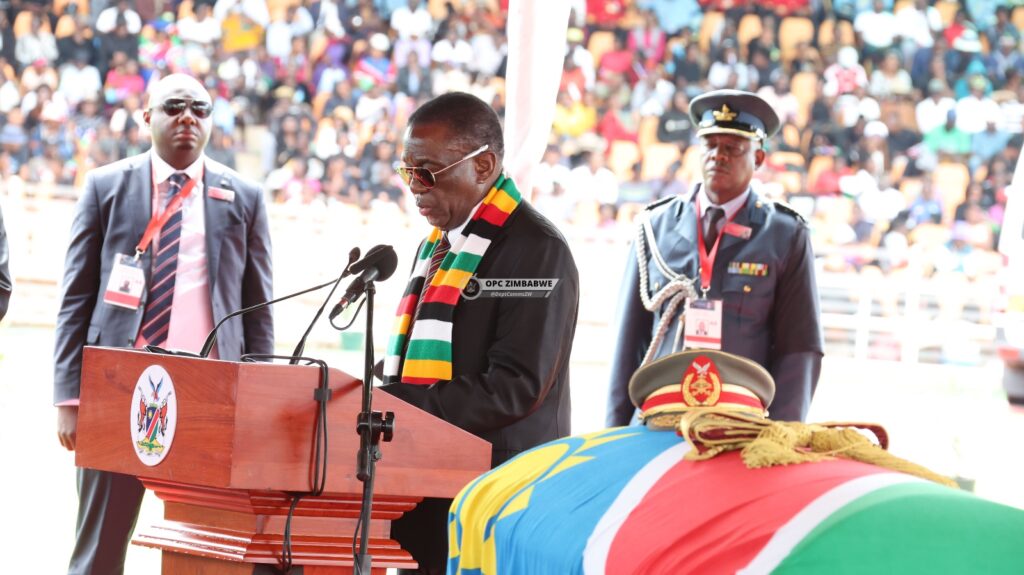
President Mnangagwa Pays Tribute to Dr. Nujoma’s Commitment to Africa’s Liberation
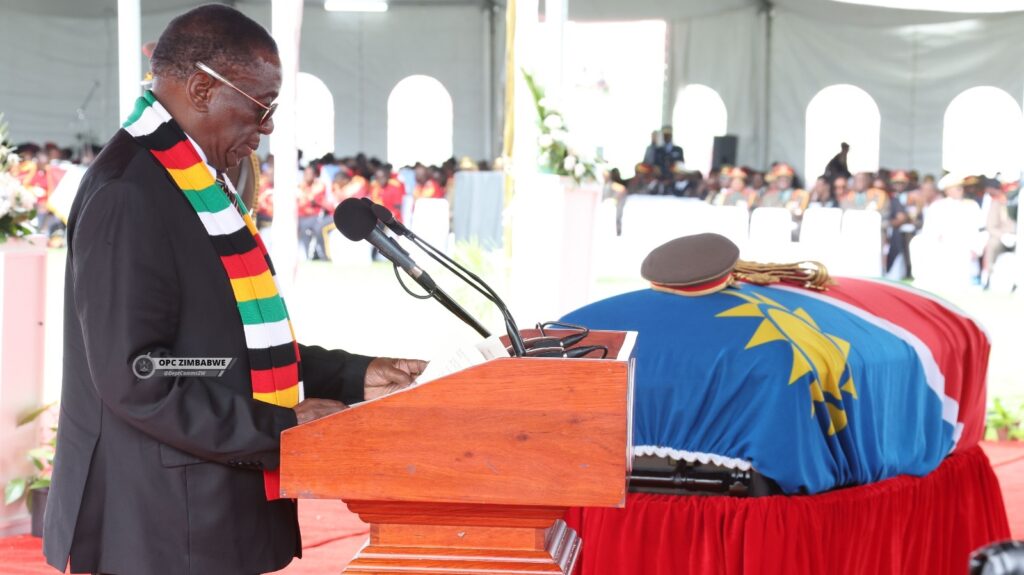
PRESIDENT Mnangagwa today paid tribute Namibia’s founding President, Dr Sam Nujoma describing him as a visionary leader whose legacy transcends borders and generations.
Speaking as the Chairperson of the Southern African Development Community (SADC), President Mnangagwa rallied the region and the continent to uphold Dr Nujoma’s values of selflessness, integrity, and Pan-Africanism.
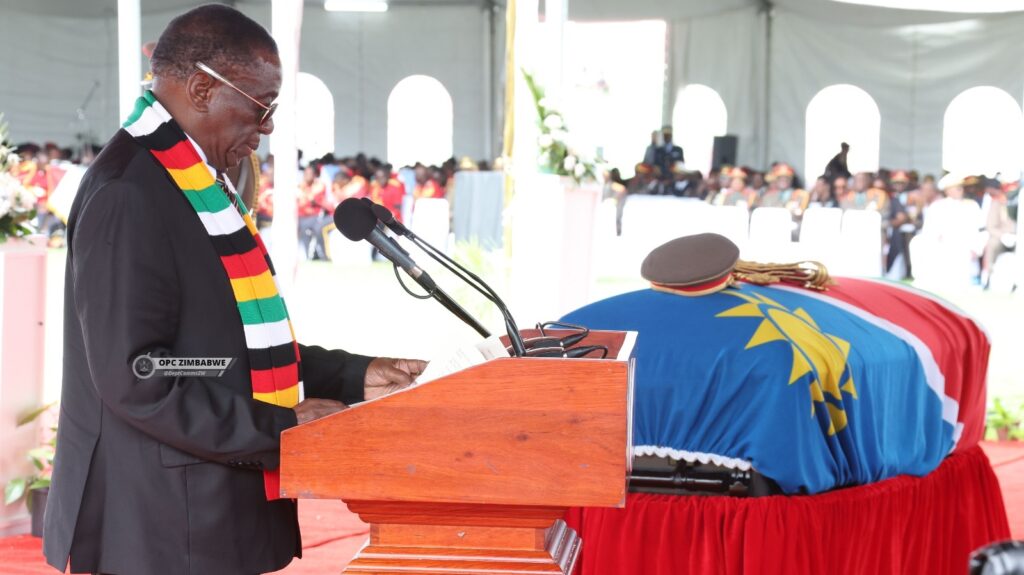
Amid thunderous applause from a grieving yet resolute audience, President Mnangagwa delivered his eulogy, reflecting on Dr Nujoma’s immense contributions to Namibia’s independence and his unwavering commitment to Africa’s liberation.
“Today, we gather in profound grief and sorrow to honour the legacy of a liberation stalwart and founding father,” President Mnangagwa said.
He said Dr Nujoma’s vision for freedom extended beyond political independence to the economic emancipation of the people.
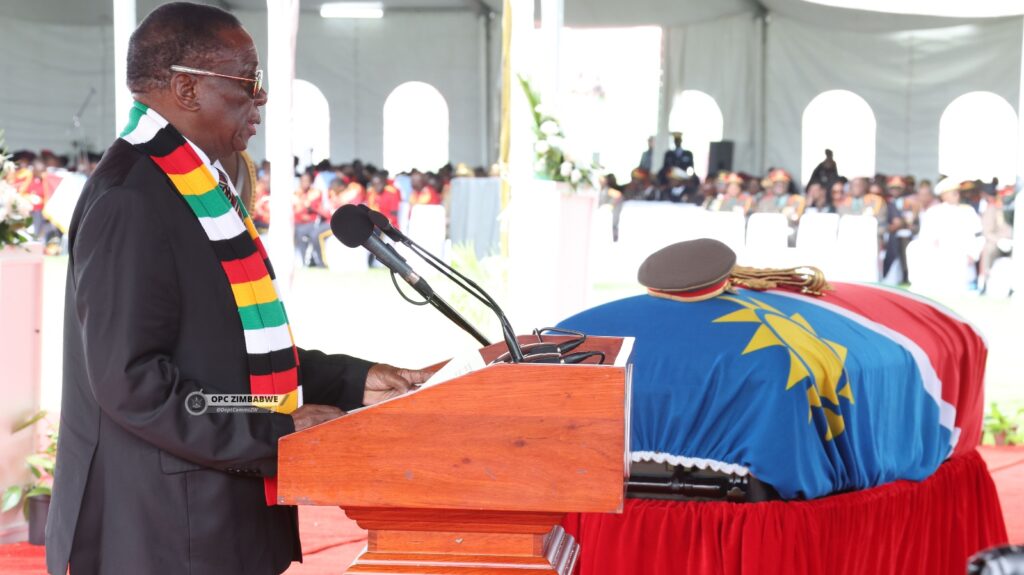
“Dr Nujoma understood that true independence was not merely about political freedom but also about the economic liberation of the masses,” the President said.
“He showed us that leadership is not about power but service to the people with integrity, honour, and sacrifice.”
President Mnangagwa hailed Dr Nujoma as a true Pan-Africanist whose influence inspired liberation movements across the continent.
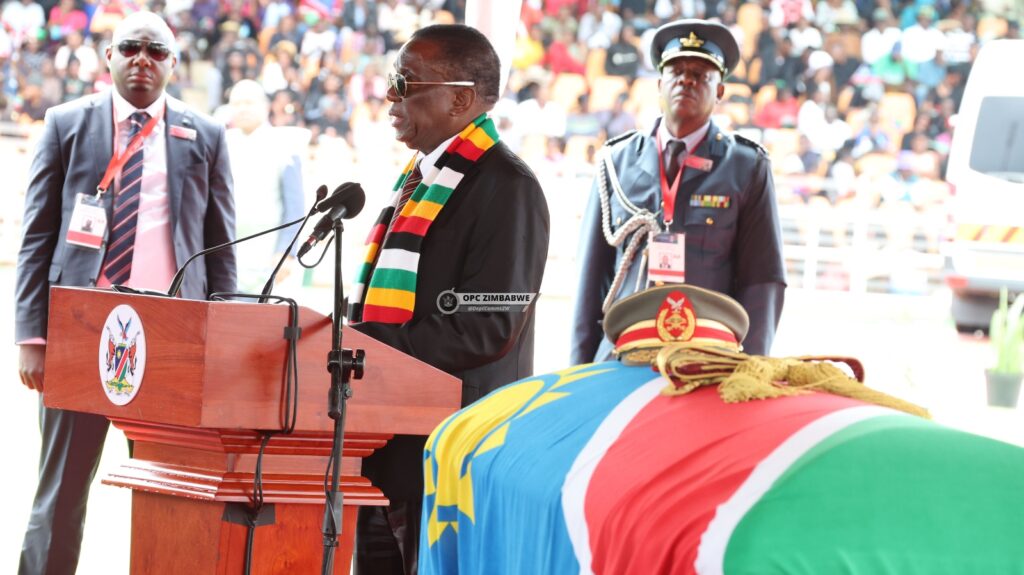
“His vision for freedom transcended borders, igniting the flames of resistance and hope in the hearts of many beyond Namibia,” he said.
The President also underscored the collective loss felt by the SADC region, Africa, and the world at large.
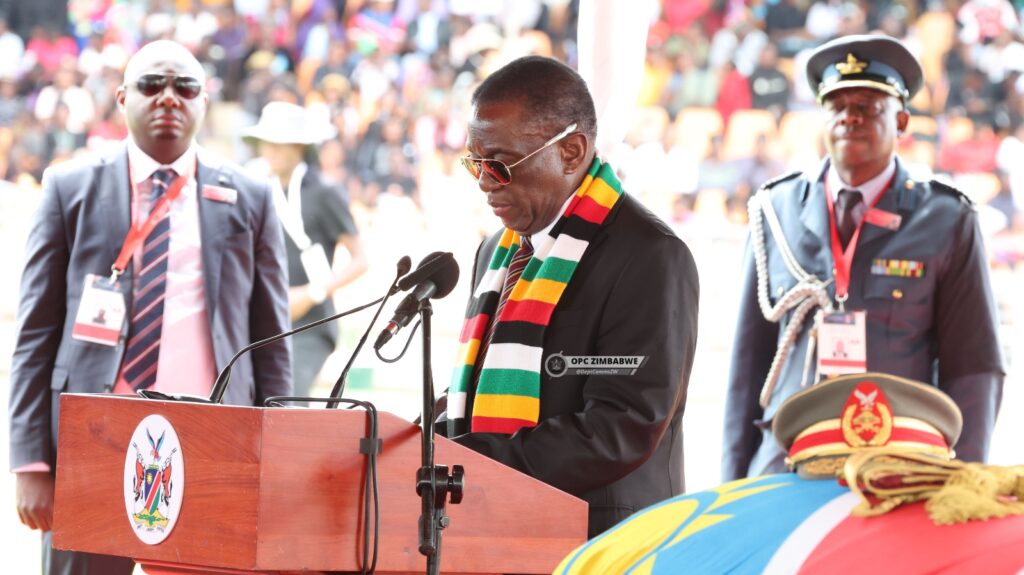
“The passing of Dr Nujoma is not only a loss to Namibia but to SADC, Africa, and the rest of the world. His sacrifices will remain etched in our memory for posterity,” President Mnangagwa said.
In a call to action, President Mnangagwa challenged the SADC region and the African continent to entrench Nujoma’s values by ensuring a brighter future for the younger generation.
“We must, in solidarity, build an Africa that would make Dr Nujoma and all our forebears proud,” he said.
“Let us honour him by ensuring that the young generation inherits a continent of opportunity, unity, and prosperity.”
“The works of Dr Nujoma will be written in the annals of history. May he rest in peace.”