Online Reporter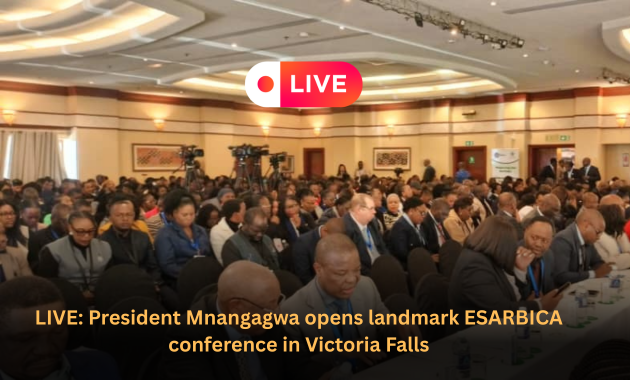
Good day, President Mnangagwa is today expected to preside over the official opening of the 28th edition of the Eastern and Southern Africa Regional Branch of the International Council on Archives (ESARBICA) conference in Victoria Falls.
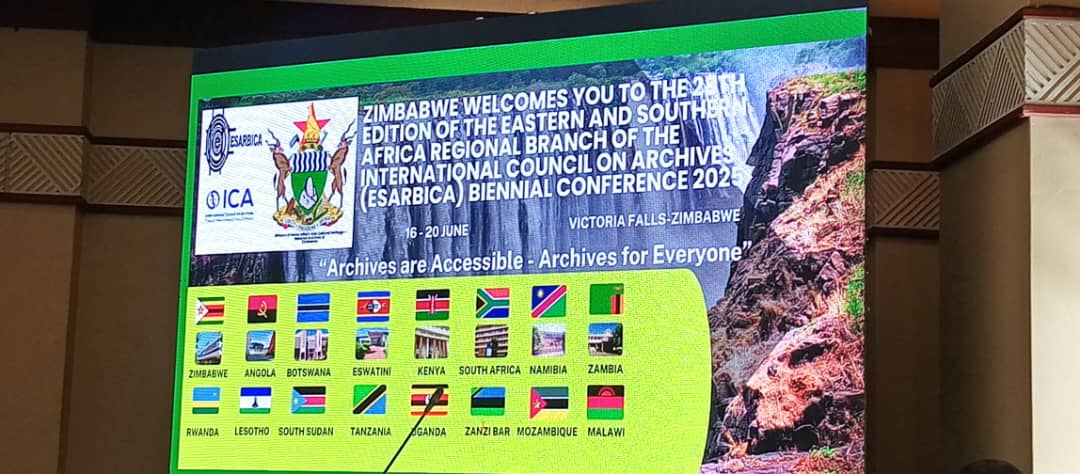
The event marks a significant milestone in promoting accessible archives under the theme: “Archives Are Accessible – Archives for Everyone.”
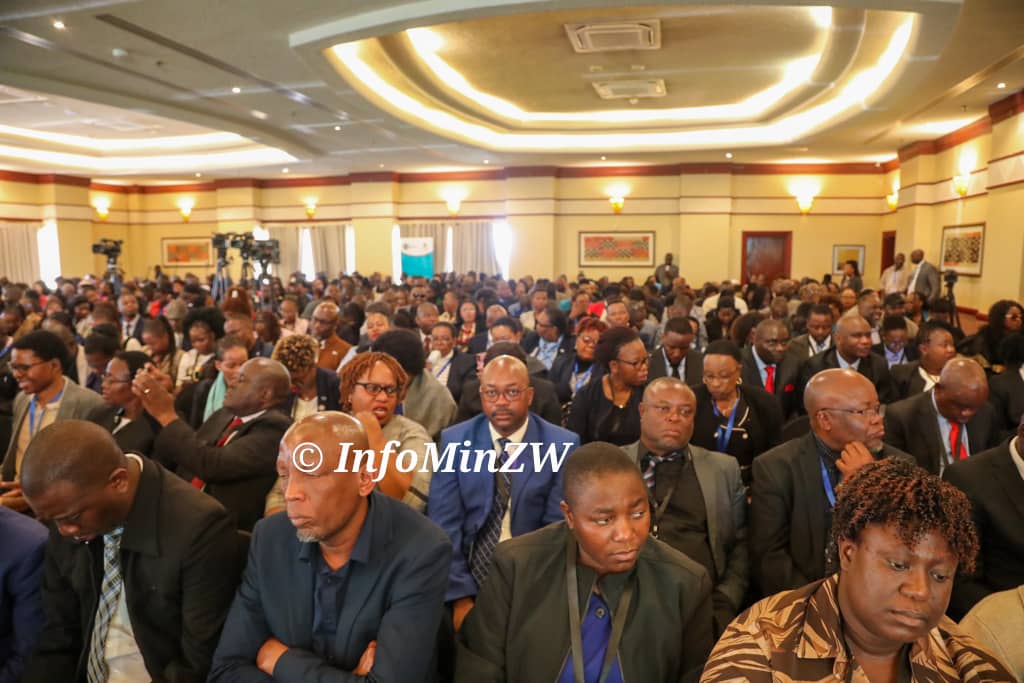
The conference, running from June 16 to 20, has brought together archivists, scholars, and policymakers from across the region to discuss pressing issues such as climate change, artificial intelligence in records management, and community participation in archival initiatives.
Notable presentations that were made in the first two days included insights from Botswana’s Dr Thatayaone Segaetsho on disaster risk reduction and a discussion on AI-driven archival systems by Professor Lekoko Kenosi of Zayed University.
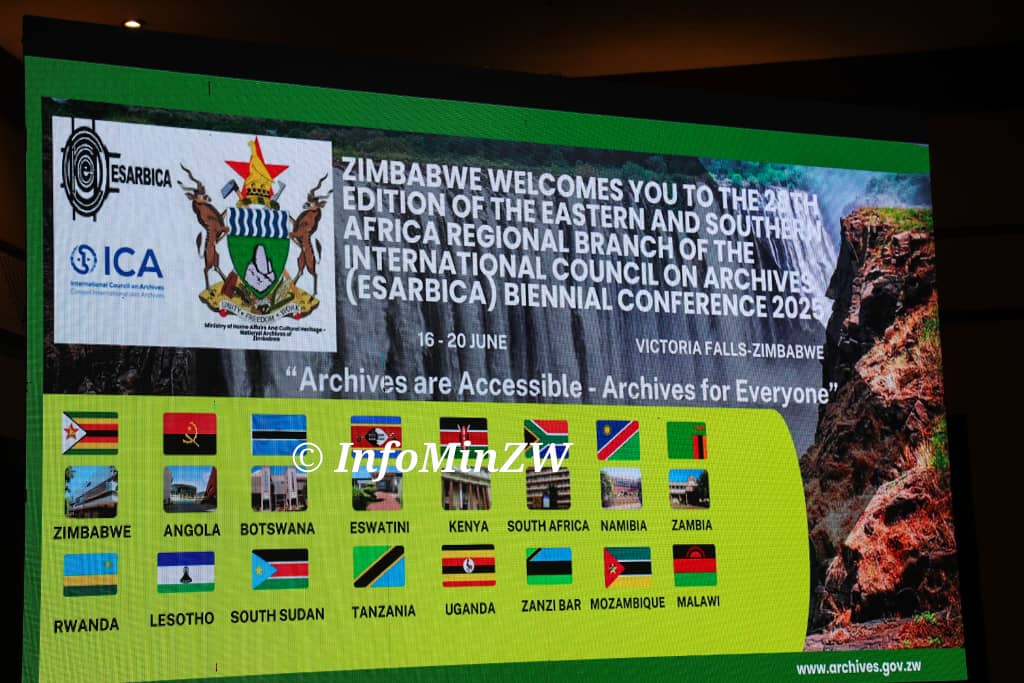
ESARBICA has 16 member states namely Angola, Botswana, Eswatini, Kenya, South Africa, South Susan, Namibia, Malawi, Mozambique, Rwanda, Lesotho, Tanzania, Uganda, Zanzi Bar, Zambia and Zimbabwe
Our reporter Rutendo Nyeve will be giving us updates of the proceedings.
Junior Archivers burst to song and dance as the Zimbabwe Republic Police Band entertains the delegates ahead of the ESARBICA official opening by President Mnangagwa.
What is ESARBICA?
The Eastern and Southern Africa Regional Branch of the International Council on Archives (ESARBICA) is a regional association that brings together individuals and institutions involved in the management and preservation of records and archives in Eastern and Southern Africa. It serves as a regional arm of the International Council on Archives (ICA), promoting cooperation and the advancement of archives within the region.
-
Purpose:
ESARBICA’s main goal is to advance the field of archives through regional cooperation within Eastern and Southern Africa.
-
Scope:
It focuses on the creation, use, preservation, and management of recorded information in the region.
-
Connection to ICA:
ESARBICA operates under the broader framework of the International Council on Archives, carrying out ICA’s policies and programs relevant to its members.
-
Key Activities:
ESARBICA facilitates professional exchange, organizes activities, strengthens relationships between archivists, and provides support to its members.
-
Specific Functions:
- Providing a forum for the exchange of professional knowledge.
- Promoting and coordinating activities related to records and archives management.
- Establishing and maintaining relationships between archivists in the region and other relevant professionals.
- Supporting education through workshops, seminars, and other training opportunities.
- Providing technical and financial assistance to members.
- Promoting adherence to professional codes of conduct.
- Providing a forum for the exchange of professional knowledge.
-
ESARBICA Journal:ESARBICA also publishes the ESARBICA Journal, which focuses on records and archives management and related fields.UPDATE :
MORE than 500 delegates from 16 African countries have converged in Victoria Falls for the 28th Eastern and Southern Africa Regional Branch of the International Council on Archives (ESARBICA) conference, which opened on Monday to chart the future of archival science in Africa.
Hosted by Zimbabwe’s Ministry of Home Affairs and Cultural Heritage through the National Archives of Zimbabwe, in partnership with the International Council of Archives (ICA), the conference runs under the theme “Archives Are Accessible – Archives for Everyone” from 16 to 20 June.
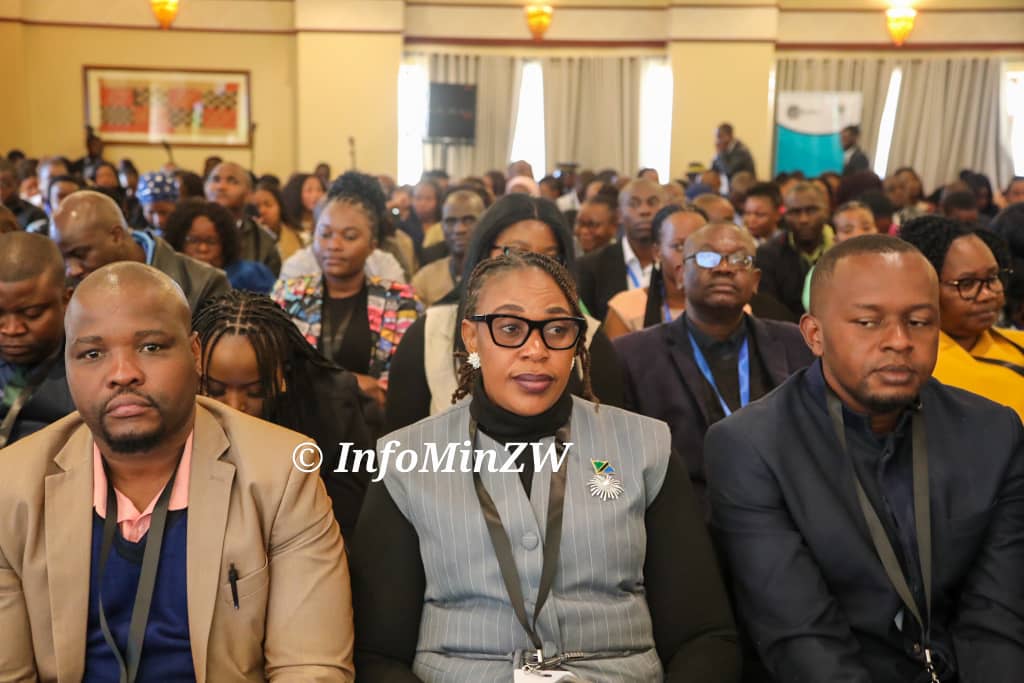
The gathering has brought together archivists, researchers, policymakers and technology experts to explore innovative strategies for improving archival accessibility and preservation across the region.
Monday’s pre-conference workshop focused on Disaster and Risk Reduction Strategies in Libraries and Archives, featuring a presentation by Dr Thatayaone Segaetsho from the University of Botswana on addressing climate change threats to archival collections.
Tuesday’s sessions examined The Application of ICTs in Records Management, with Dr Segomotso Keakopa leading discussions on automation and digitisation as critical tools for modernising archival practices.
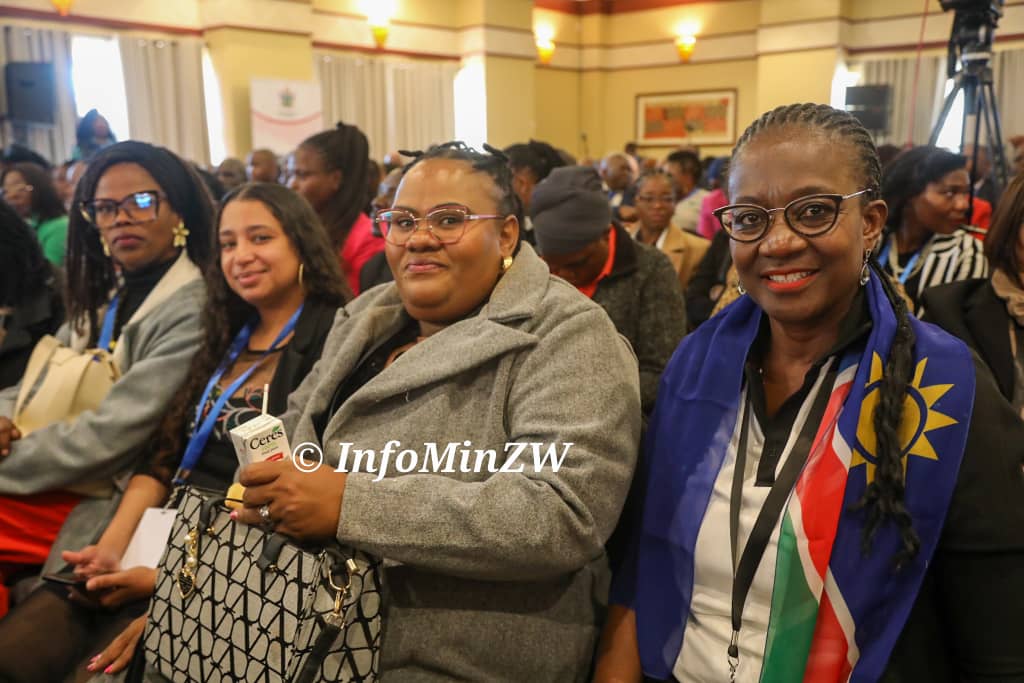
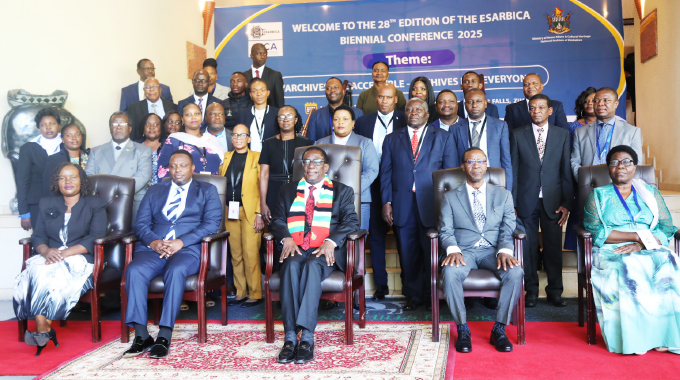
The main conference will be officially opened on Wednesday at a high-profile ceremony attended by President Mnangagwa, Vice Presidents, government ministers and international delegates. President Mnangagwa will deliver the keynote address.
Throughout the week, presentations will cover diverse topics including:
-
Artificial intelligence in archives
-
Community participation in preservation
-
Sustainable archival methods
Highlight sessions include Dr Amos Bishi’s discussion on Cloud-Based Digital Preservation and Professor Lekoko Kenosi’s panel on AI and Ethical Archiving.
President Mnangagwa arrives in Victoria Falls for 28th ESARBICA conference opening
President Mnangagwa has arrived in the resort town of Victoria Falls to officially open the 28th edition of the Eastern and Southern Africa Regional Branch of the International Council on Archives (ESARBICA) Biennial Conference.
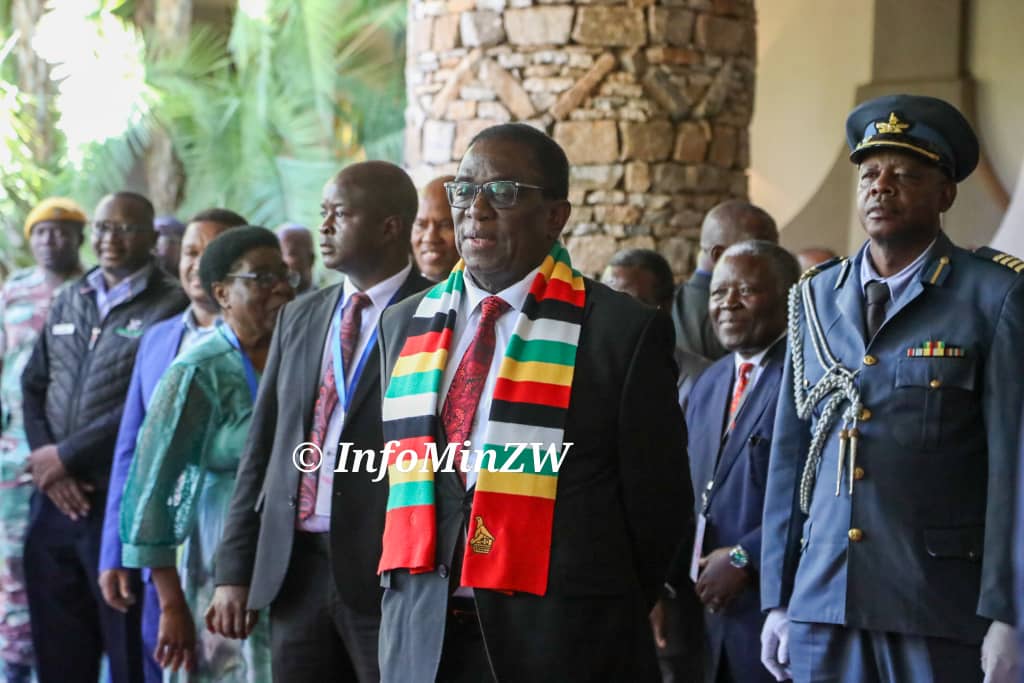
President Mnangagwa was welcomed by the Permanent Secretary in the Ministry of Home Affairs and Cultural Heritage, Ambassador Raphael Faranisi, Deputy Chief Secretary in the Office of the President and Cabinet, Reverend Paul Damasane, ESARBICA executives, the National Archives of Zimbabwe Director, Ms Brenda Mamvura, and senior Government officials.
He is now in a briefing and will thereafter proceed to officially open the conference.
The event marks a significant milestone in promoting accessible archives under the theme: “Archives Are Accessible – Archives for Everyone.”
A presentation on the repatriation of migrated archives by Professor Nathan Mujama is set to be delivered before President Mnangagwa gives the keynote address.
The conference, running from 16 to 20 June, has brought together archivists, scholars, and policymakers from across the region to discuss pressing issues such as climate change, artificial intelligence in records management, and community participation in archival initiatives.
Notable presentations made in the first two days included insights from Botswana’s Dr Thatayaone Segaetsho on disaster risk reduction and a discussion on AI-driven archival systems by Professor Lekoko Kenosi of Zayed University.
Minister Judith Ncube encourages collaboration and exploration
The 28th edition of the East and Southern Africa Regional Branch of the International Council on Archives (ESARBICA) Conference officially opened on Wednesday with a warm welcome from the Matabeleland North Minister of State for Provincial Affairs and Devolution, represented by his Bulawayo counterpart Minister Judith Ncube, who urged delegates to embrace the conference’s theme while enjoying the splendour of Victoria Falls.
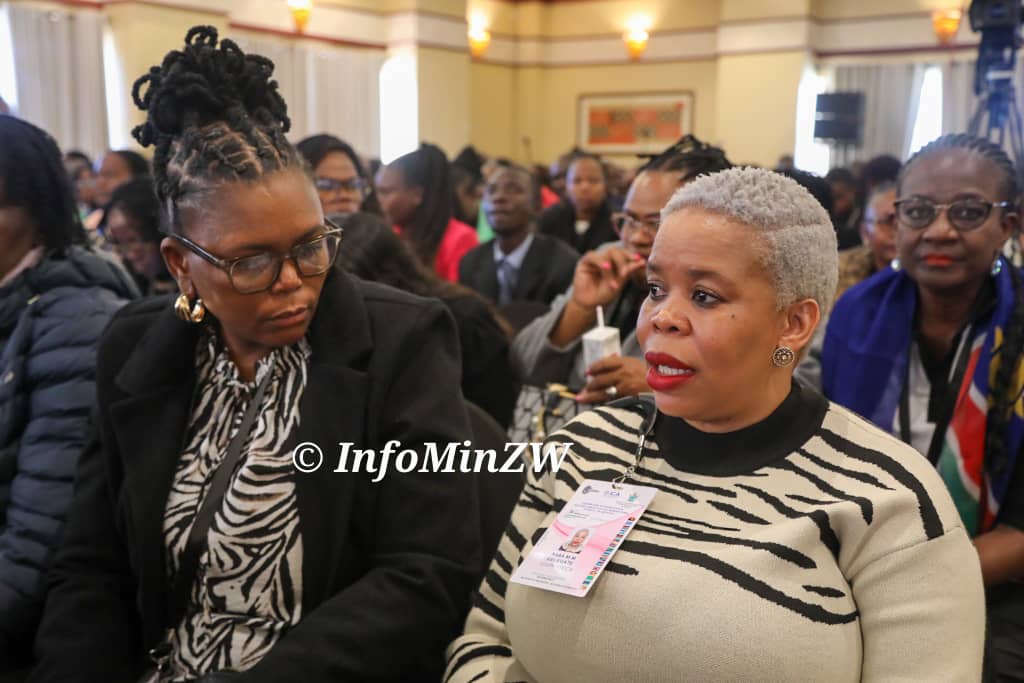
In her welcome address, Minister Ncube said the conference is important as it brings together archivists, records managers, and information professionals from across the region.
“I am honoured to address this gathering of archivists, records managers, and information professionals. For our sectors in East and Southern Africa, this conference is crucial as it provides a platform for knowledge sharing, networking, and collaboration among our people, academia, and policymakers within the records and archives management sector,” she said.
She encouraged delegates to engage in meaningful discussions, share expertise, and forge lasting connections for the development of the region.
Turning to the host city, Minister Ncube highlighted Victoria Falls as a premier destination, inviting attendees to explore its wonders.
“Victoria Falls is renowned for its natural beauty, rich cultural heritage, and warm hospitality. This is a well-favoured destination, attracting visitors from across the globe. I invite you to explore our various attractions, including one of the Seven Wonders of the World, the breathtaking Mosi-oa-Tunya (Victoria Falls), a UNESCO World Heritage Site,” she said.
The conference, running until 21 June, is expected to foster regional cooperation in archival and records management, promoting accessibility and inclusivity in preserving Africa’s documentary heritage.
Stolen archives, records haunting Africa’s future
The issue of migrated archives, including historical records forcibly taken from African nations during and after colonialism, has resurfaced as a critical challenge for the continent, with amplified calls for their repatriation to restore Africa’s fragmented history.
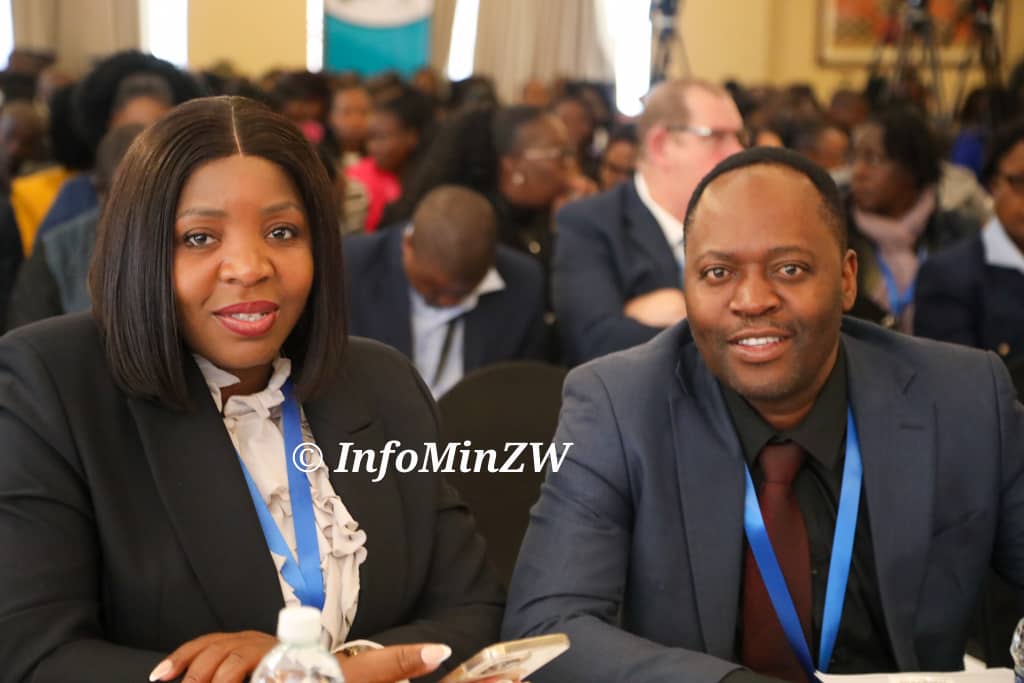
This emerged during the official opening of the 28th ESARBICA Conference in Victoria Falls on Wednesday.
Experts said the absence of these records continues to undermine historical justice, socio-economic development, and national identity across Africa.
In a keynote address, Mr Nathan Mnjama, a renowned archivist and academic from the University of Botswana, spoke on the cultural and historical significance of archives.
“Archives are the key to one generation, to another, and the extent of our care of them marks the extent of our civilisation. Archives are also recognised as an essential part of our nation’s heritage, useful for historical, cultural, and socio-economic development. They provide us with a sense of identity. Without archives, we are definitely lost,” he said.
However, Mr Mnjama lamented the inaccessibility of these records, particularly those held in foreign institutions.
“Archives should be made accessible while respecting privacy rights. But the reality is that many of our archives are not where they belong,” he said.
Mr Mnjama defined migrated archives as archives that were created in one geographical location and are now residing or held in another place.
He said these records fall into several categories, including records created in Western capitals—documents generated by colonial powers, missionaries, and explorers about Africa but kept in European archives.
“We also have records removed before independence, which are files deliberately taken by colonial governments to conceal sensitive information, including details of collaborators, informants, and human rights abuses.
“The other category is the regional association records, which are documents from defunct regional bodies (such as the Central African Federation) scattered across former member states,” he said.
He said other categories include missionary and church records, as well as privately held research—studies conducted by foreign scholars in Africa but never deposited in local institutions, despite agreements.
“Many of these records contain the stories of our own people, of our own nations,” said Mr Mnjama.
He shared a personal example from Kenya, where colonial-era records detailing the displacement of coastal communities during World War I were removed, leaving gaps in the national archives.
The removal of these records has had devastating effects, including historical gaps, stolen identity, and unresolved injustices.
“We have been robbed of our history. If we want to write a history of Africa, we have to go to Europe to look for records. That is wrong,” he said.
He further said the lack of archives perpetuates land injustices.
“In Kenya’s coast, 90 percent of people lack title deeds because the records are held in the Middle East. We need that data to reclaim what is rightfully ours,” he said.
Mr Mnjama revealed that efforts to reclaim migrated archives date back to 1969, when ESARBICA first raised the issue. Despite multiple resolutions, progress remains slow.
“In 1979, I was part of a Kenyan delegation sent to the UK to locate our stolen records. We found them, but retrieving them has been a struggle,” he said.
He urged African governments and archival bodies to intensify diplomatic efforts, digitise existing records, and pressure former colonial powers to return what was taken.
“These archives are not just papers, they are our memory, our truth, and our future. Until they are returned, Africa’s history remains incomplete,” he said.
Repatriate African artefacts, archives — President
PRESIDENT Mnangagwa has issued a powerful call to action, demanding the rectification of distorted historical narratives propagated from beyond Africa’s borders and the immediate return of unlawfully appropriated cultural artefacts to their rightful African custodians.
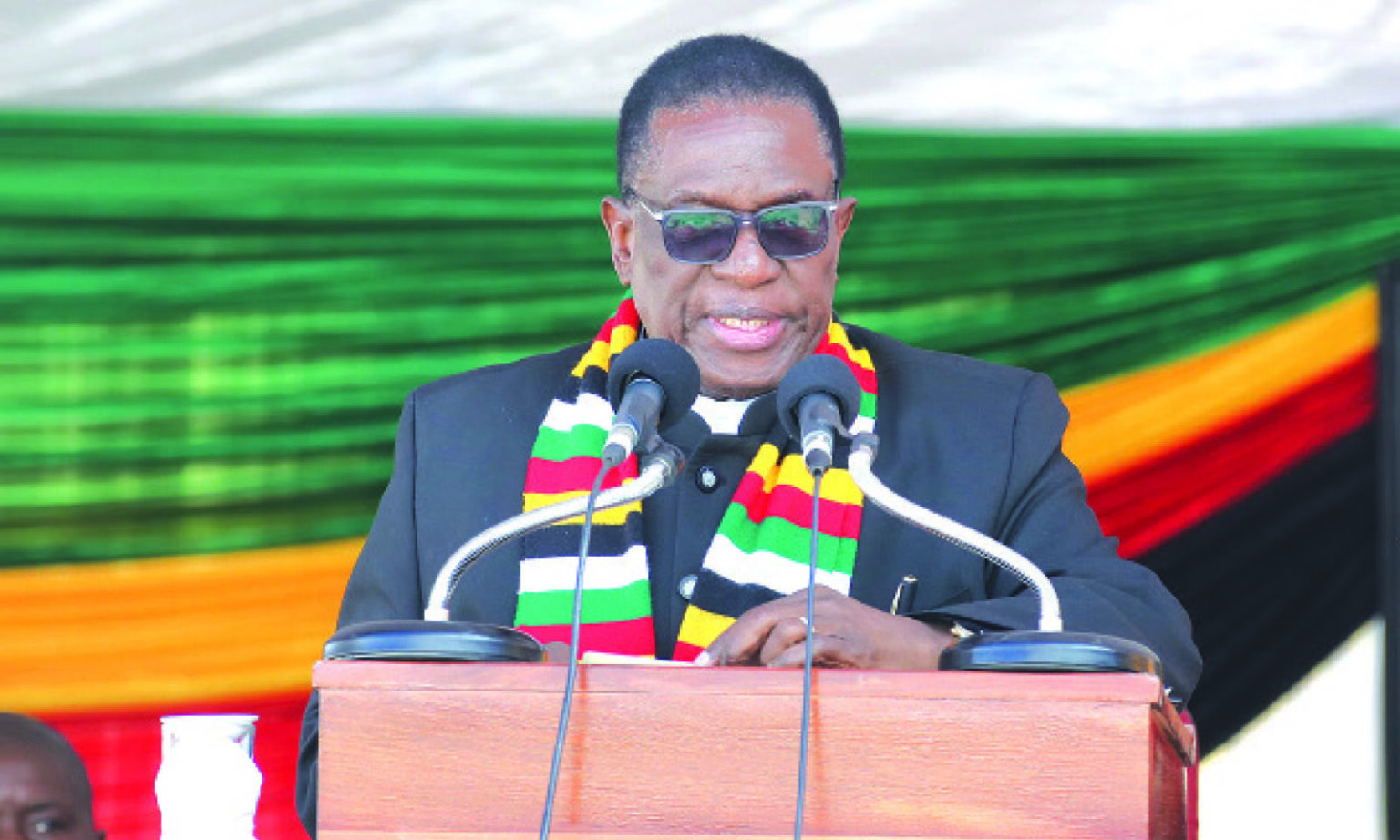
Speaking at the opening of the 28th Eastern and Southern Africa Regional Branch of the International Council on Archives (ESARBICA) General Conference in Victoria Falls, the President emphasised that archives are not merely records but are the backbone of national, regional and global heritage essential for preserving memory, identity, and culture.
Held under the theme “Archives are Accessible – Archives for Everyone,” the conference brought together archivists, heritage experts, and policymakers to discuss the preservation, accessibility, and digitisation of Africa’s historical records.
In his address, President Mnangagwa challenged African nations to reclaim their historical narratives and stolen heritage. He called for the repatriation of Africa’s cultural artefacts, many of which remain in Western museums and private collections.
“The claim that we are truly an independent and sovereign continent as well as masters of our own destiny will be truly actualised when we close the information gap within our historiography. Africa has a duty to tell its story, recount its history and preserve its own culture,” said President Mnangagwa.
He condemned the continued possession of African artefacts by foreign institutions, saying the narratives peddled from quarters external to the continent must be corrected, while all illegally transferred cultural artefacts must be returned to their rightful owners.
“It should never be lost to us that culture, in its broad sense, is a critically important pillar of national pride and identity.
“Properly leveraged, it provides the most reliable and sustainable building block for social and economic development,” he said.
“This conference must heighten our legitimate demand for the Western World to return the artefacts and archives to us, their legitimate owners.”
President Mnangagwa expressed satisfaction with the political will among African leaders to push for the repatriation of stolen artefacts, urging conference delegates to amplify the demand for Western nations to return Africa’s heritage.
He said that since its formation in 1969, it is pleasing that ESARBICA has made significant strides in establishing, maintaining, and strengthening co-operation among archivists.
“The role you all play in promoting the preservation of archival heritage; facilitating the use of archival materials; sponsoring professional training of archivists in the region, is commendable.
“Through your coordinated collection as well as preservation of both oral traditions and history, we are assured that future generations will continue to have factual and accurate archival records,” he said.
Turning to the conference’s theme, President Mnangagwa said it is apt and highlights the need to also ensure that archives are accessible and valuable to all and not just specialised researchers or historians.
He said this aligns with Zimbabwe’s development mantra of leaving no one and no place behind.
“The statement ‘Archives for Everyone’ must, therefore, compel you, as stakeholders in this critical sector, to adopt practices, policies, and outreach strategies that engage all people, especially those at the grassroots level.
We all have the shared responsibility to manage, preserve and protect our heritage,” he said.
President Mnangagwa further noted that Zimbabwe, along with other countries in the region, is reeling under the effects of climate change, which has brought about more frequent and adverse weather conditions such as cyclones, droughts, heat waves, and floods, all of which threaten archival repositories.
“Climate change, including adverse weather conditions and other natural disasters, is a reality and one of the greatest contemporary threats to archival repositories and the records in their custody.
“I challenge this conference, as you discuss the specific matters relating to your sector, to equally consider topical issue of climate change and sustainability measures to mitigate against any adverse conditions to our records,” he said.
The President said these factors pose risks to archives through damage to buildings and related infrastructure.
To mitigate these risks and address the digital divide and security concerns in a sustainable manner, President Mnangagwa urged member states to embrace new technologies to open up their collections.
“I challenge you to use this Conference to come up with additional innovative strategies to address the digital gap and security issues in a manner that is sustainable. In doing so, also be mindful that while technologies such as Artificial Intelligence (AI) offer numerous advantages, associated risks still abound.
“This requires a paradigm shift among records practitioners, including updating legislation and policy frameworks, in order to safeguard our archives for prosperity,” he said.
He urged archivists to walk the talk, embrace, and celebrate the incredible potential of archives to preserve and enhance cultural identity and heritage.
“Let us share our successes, learn from each other’s challenges and explore new innovative ways to open the doors of our institutions wider than ever before.
“Above all, let us invest in fostering an understanding of the role archives play in shaping contemporary narratives about the history of our peoples and countries, and what we can achieve, working together, in the future,” he said.
The conference attracted over 500 delegates drawn from 16 ESARBICA member states.
President hails Zimbabwe’s modernisation of records sector
ZIMBABWE has made significant strides in modernising its archives and records sector, leveraging technology and community participation to ensure accessibility and preservation, President Mnangagwa has said.
Speaking during the official opening of the 28th Eastern and Southern Africa Regional Branch of the International Council on Archives (ESARBICA) General Conference in Victoria Falls yesterday, the President highlighted the country’s commitment to digitisation, climate resilience, and inclusive archiving practices.
He reiterated the importance of grassroots involvement in archiving, stating that Zimbabwe’s Community Archives Project ensures records remain within their communities of origin.
“I urge you all to ensure that archived information is also made available in the respective languages spoken within our communities and nations.
On its part, our Government has made significant strides towards the implementation of an Electronic Document and Records Management System (EDRMS) for enhancing efficiency in the management of public sector records,” he said.
Going forward, the President said, capacity building and skills development to support the preservation and accessibility of archival records for national, regional, and international benefit would continue to be pursued.
This approach, he noted, ensures that archives reflect the diverse narratives of Zimbabwean communities, aligning with the national development philosophy of leaving no one and no place behind.
“The Community Archives Project being run by my Government recognises the need for archives to remain in the custody of their creators, rather than being transferred to a centralised archival institution.
“By so doing, our archives will adequately represent the diverse stories of our communities,” he said.
President Mnangagwa said Government will ensure that archives remain a cornerstone of national heritage and development.
“The importance of community participation in archiving and heritage management cannot be overemphasised. My Government, through the Ministry of Home Affairs and Cultural Heritage, has rolled out programmes to broaden community involvement and benefits in heritage-based activities,” he said.
President Mnangagwa also underscored the need for archivists to embrace digital technologies to enhance efficiency and accessibility.
“In our case as Zimbabwe, the national constitution recognises the importance of access to information as one of the key ingredients towards empowering communities. The availability of information is a catalyst to sustainable development and a basic right for each citizen.
“In this era of the fourth industrial revolution and the attendant deployment of ICT-enabled platforms, accessibility to information is now a necessity which must be facilitated by institutions such as yourselves. Our archival institutions and professionals must navigate the digital space, while guaranteeing that access and security of archival collections is enhanced,” he said.
President Mnangagwa challenged archivists to adopt innovative preservation techniques to ensure records are available to all, regardless of geographical barriers.
“This is now critically important, more so that modern technologies based on Artificial Intelligence (AI) are having positive impacts on process improvement as well as increased accuracy and efficiency in organisations.
“Arguably, although paper records will persist and be created for the foreseeable future, technological tools are required to help businesses efficiently manage their records. I, therefore, challenge this sector to leverage on ground-breaking capabilities and opportunities of ICTs to manage and administer different types of records within organisations,” he said.
In this regard, President Mnangagwa emphasised that innovative preservation techniques ensure that archives are accessible to all, irrespective of geographical location or physical limitations.