Bongani Ndlovu
Longer police training key to modern policing — Commissioner Nyathi
National police spokesperson Paul Nyathi has said the decision by the Zimbabwe Republic Police to extend recruit training from the previous six-month courses to one- and two-year programmes is meant to equip officers with skills suited to modern policing demands.
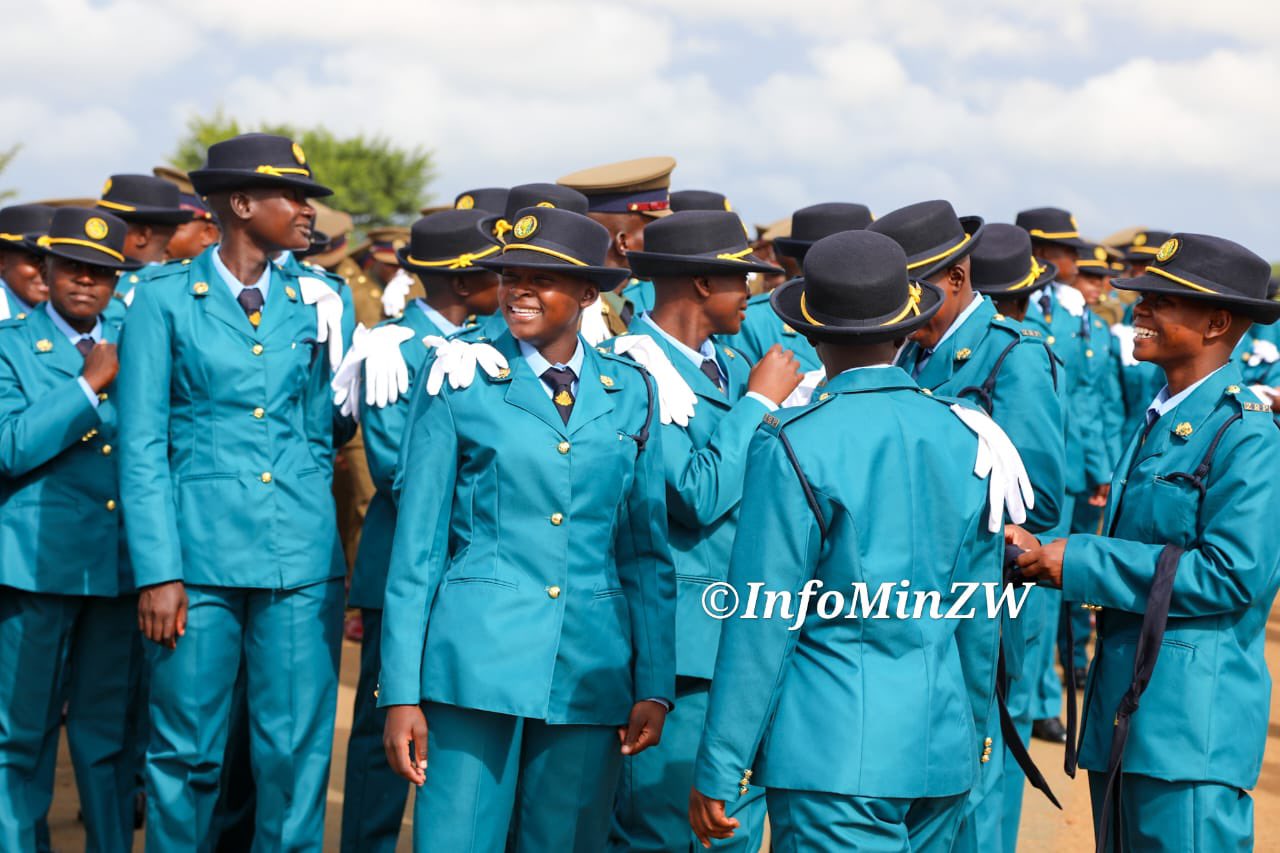
Speaking on the sidelines of a passout parade being held at Ntabazinduna Police Training Academy, Commissioner Nyathi said the security environment has changed significantly over the years, forcing the police service to reconfigure its training model so that recruits are better prepared to handle increasingly complex crimes.
He said while the six-month training system was adequate in the past, developments in technology and criminal networks now require a more comprehensive approach.
“Policing is evolving. We are no longer dealing with only traditional crimes such as theft and assault. Officers now face cyber-crime, financial fraud, organised syndicates and other sophisticated offences that require specialised training,” said Commissioner Nyathi.
He noted that the extended training period allows the police to incorporate modern investigative techniques, digital forensics, intelligence-led policing and community engagement strategies into the curriculum.
“The longer training period ensures that recruits leave the depot fully prepared, disciplined and professionally grounded. It also gives them time to undergo practical attachments, specialised instruction and character development in line with international policing standards,” he said.
Commissioner Nyathi added that the new system is also designed to improve professionalism, ethics and public confidence in the police service.
President Mnangagwa arrives in Bulawayo
…to preside over Ntabazinduna police pass-out parade
PRESIDENT Mnangagwa has arrived at the Joshua Mqabuko Nkomo International Airport ahead of the Zimbabwe Republic Police (ZRP) pass-out parade at Ntabazinduna Training Academy on the outskirts of Bulawayo.
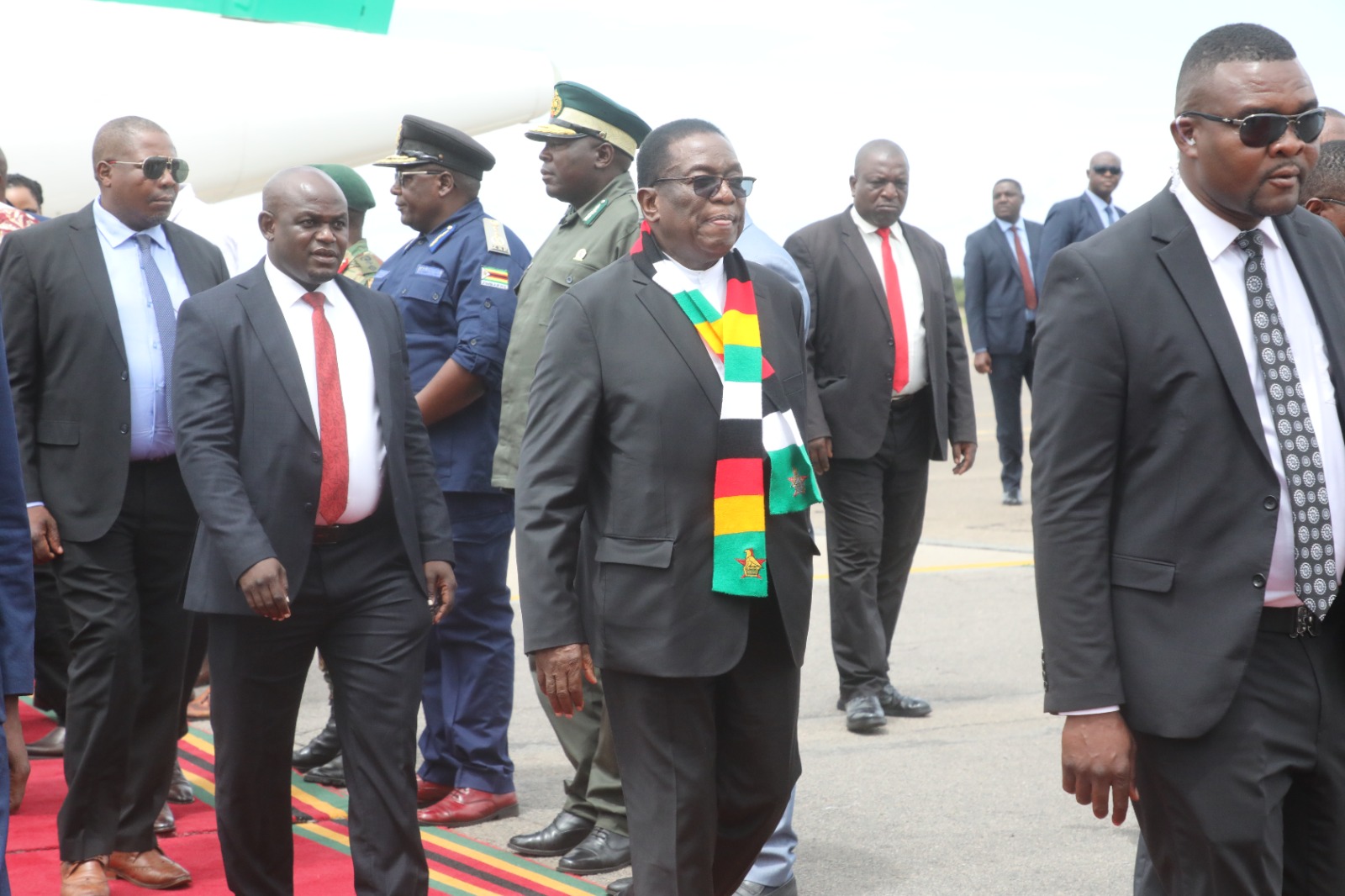
The President was received at the airport around 10:55am by Bulawayo Provincial Affairs and Devolution Permanent Secretary, Mr Paul Nyoni, Zanu-PF Bulawayo provincial chairman, Cde Jabulani Sibanda, Politburo members, Cde Elifas Mashaba, Cde Charles Chiponda, Deputy Minister of Local Government and Public Works responsible for Local
Authorities and Traditional Leadership, who is the Member of Parliament for Nketa Constituency Cde Albert Mavunga, Cde Albert Mavunga, Service Chiefs, and members of the provincial Zanu-PF leadership.
He is expected to preside over the ceremony where new police recruits will be commissioned into the force to bolster law and order across the country.
The parade, which is of intake 1 of 2024, is the first pass out parade to be presided over by a President since the establishment of the academy in 2004.
A total of 999 recruit police officers are set to graduate with certificates in police studies, with 302 being female and 697 male.
ZRP has two police training academies in the country, with the other being Mkushi in Harare.
President’s Ntabazinduna presence signals inclusive development
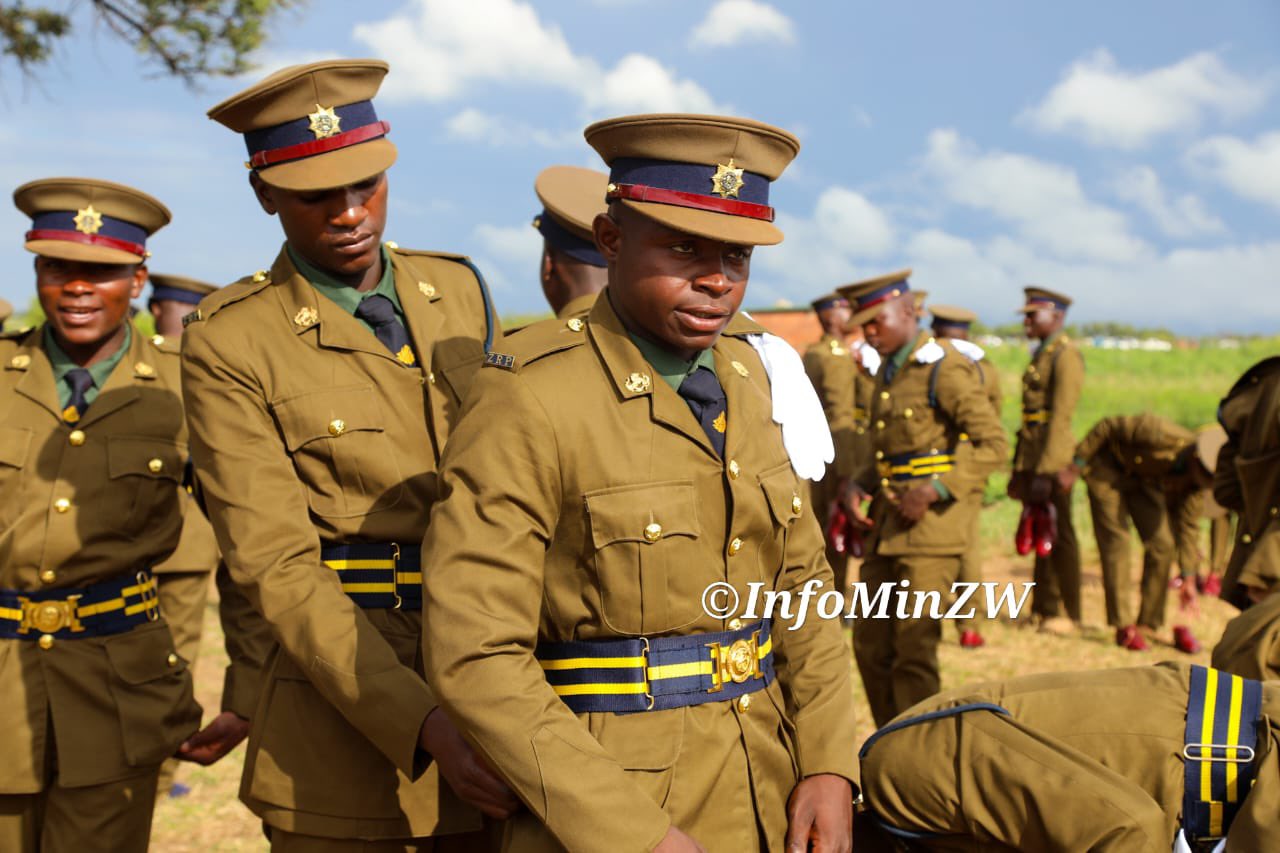
National police spokesperson Paul Nyathi has hailed the significance of President Mnangagwa presiding over the pass-out parade of Intake 1 of 2024 at the Ntabazinduna Training Academy, describing the event as a historic milestone for the institution.
The passout parade is the first one to be presided over by a sitting President since its establishment.
Commissioner Nyathi said the development resonates with President Mnangagwa’s development philosophy of ensuring inclusivity across all sectors and regions.
“The President’s attendance goes hand in hand with his mantra of leaving no one and no place behind. It reflects the Government’s commitment to ensuring that institutions outside the main urban centres are recognised, supported and developed,” he said.
Commissioner Nyathi said the pass-out parade also symbolised the continued growth of the academy, which has become a key training centre for police recruits in Zimbabwe.
President Mnangagwa arrives at Ntabazinduna Police Training Academy
President Mnangagwa has arrived at the Ntabazinduna Police Training Academy where he will preside over the graduation of intake 1 of 2024 recruit police officers.
Soon after arriving the President inspected a quarter guard before going for a briefing.
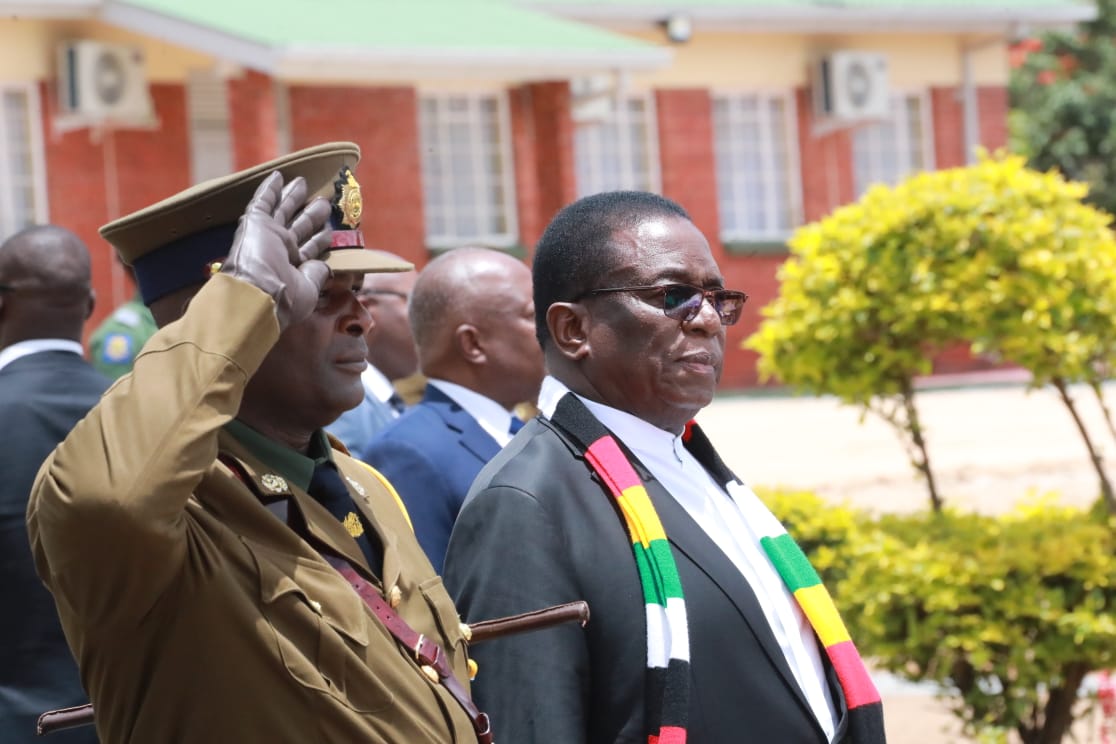
A total of 999 recruit police officer are set to graduate with certificates in Police studies after completing one year of training.
Government walking the Devolution talk- President Mnangagwa
President Mnangagwa has said the hosting of the national police pass-out parade in Matabeleland North demonstrates the Government’s commitment to inclusive development and decentralisation, in line with the Second Republic’s vision of equitable national progress.
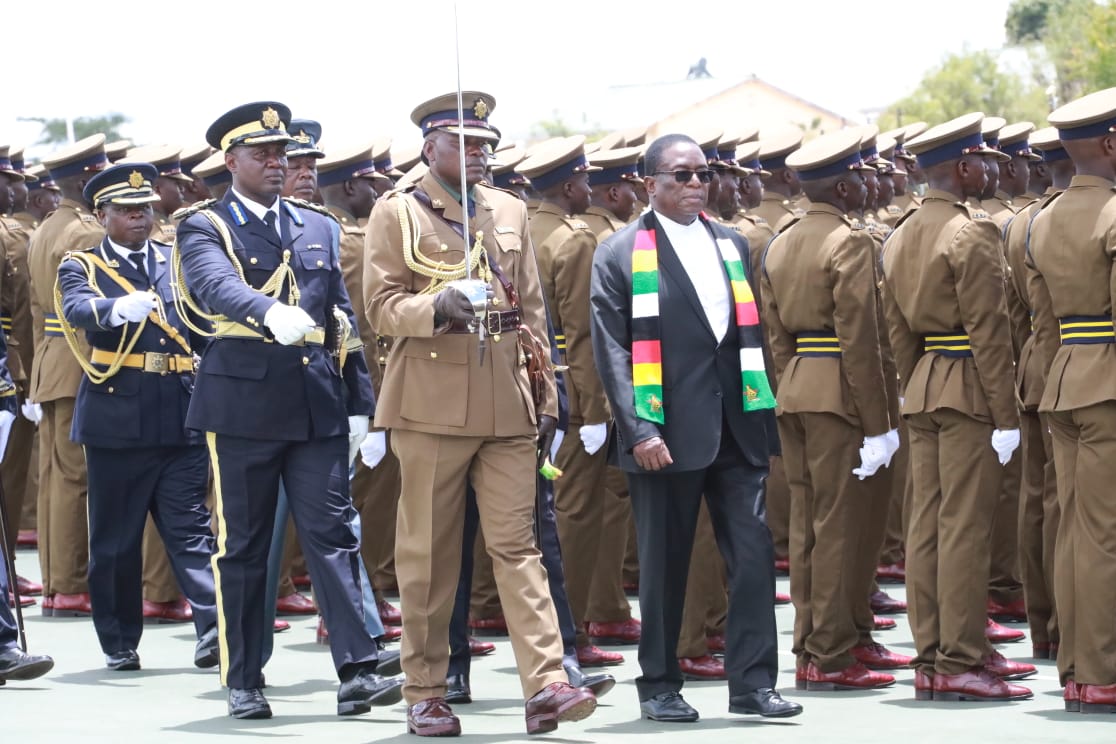
Addressing graduates, security officials and invited guests at the Ntabazinduna Training Academy, the President said the decision to hold the ceremony outside major metropolitan centres reflected the Government’s determination to spread opportunities across all regions of the country.
He said the move also underscores the role of the Zimbabwe Republic Police in supporting national development goals through community-focused policing and institutional growth.
“Holding this national event, here in Matabeleland North Province, is also testament to the ZRP’s adherence to our people-centred Devolution and Decentralisation Agenda.
Through programming such as this one, the Second Republic is walking the talk, and availing empowerment and development, opportunities throughout every village, ward, district and province of our motherland, Zimbabwe. No one and no place must be left behind,” said the President.
The Head of State and Government commended the police command for continuously improving training standards and producing disciplined officers capable of responding to emerging security challenges.
He urged the graduating officers to remain professional, patriotic and service-oriented, stressing that policing should always prioritise the safety and confidence of communities.



 Online Reporter