Online Reporter
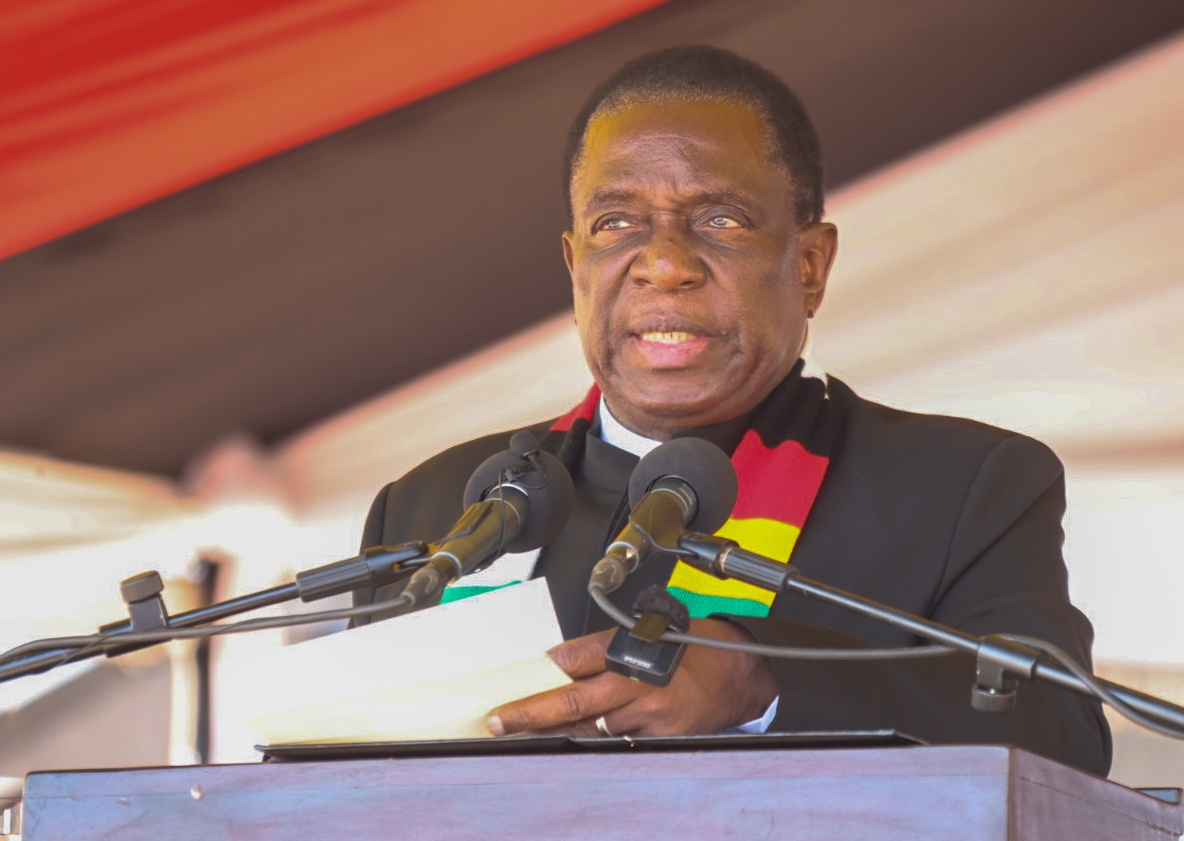
VICE President Dr Constantino Chiwenga today headlines the Mine Entra Exploration Symposium in Bulawayo, where Government, mining executives, investors, geologists and industry experts are expected to deliberate on strategies to unlock Zimbabwe’s vast mineral potential through increased exploration.
The symposium, one of the flagship events of the Mine Entra exhibition, comes as Government continues to prioritise mineral exploration as a key pillar in achieving the country’s vision of building a US$12 billion mining industry and driving economic growth under the National Development Strategy 1.
Delegates are expected to discuss investment opportunities, emerging exploration technologies, critical minerals, value addition and beneficiation, as well as policy reforms aimed at attracting local and foreign investment into Zimbabwe’s mining sector.
Zimpapers is on the ground and will bring you live updates, speeches, key announcements, interviews and pictures from the symposium as they happen. Stay tuned for comprehensive coverage throughout the day.
Mine Entra Symposium focuses on unlocking Zimbabwe’s mineral wealth

VICE-President General (Retired) Dr Constantino Chiwenga today headlines the inaugural Exploration Symposium at the 29th edition of Mine Entra in Bulawayo, underscoring Government’s determination to unlock Zimbabwe’s vast untapped mineral wealth through increased investment in mineral exploration.
The symposium, one of the flagship events of Mine Entra 2026, which began on Wednesday, comes as Zimbabwe steps up efforts to expand its mining industry by accelerating the discovery of new mineral deposits to sustain long-term production, attract fresh investment and advance the country’s ambition of building a US$12 billion mining economy.
Held under the broader Mine Entra theme, “Unearth, Transform, Prosper: Anchoring Economic Transformation through Mining Value Chains,” the symposium has drawn Government policymakers, global exploration experts, geologists, investors, mining executives and financial institutions to deliberate on strategies for strengthening mineral exploration, promoting junior mining companies and deploying modern technologies to improve mineral discovery.
Vice-President Chiwenga is expected to deliver the keynote address following presentations by Chamber of Mines of Zimbabwe officials and Mines and Mining Development Minister Dr Polite Kambamura, who will outline Government policy priorities and incentives designed to stimulate mineral exploration and support the growth of junior mining companies.
Exploration is widely regarded as the bedrock of a sustainable mining industry as it replenishes depleted mineral reserves, extends the lifespan of existing mines and unlocks new mining projects capable of generating employment, export earnings and downstream industrial development.
Zimbabwe is endowed with more than 60 known mineral occurrences, including gold, platinum group metals, lithium, chrome, diamonds, coal, copper and rare earth elements.
However, large sections of the country’s geological potential remain underexplored, presenting significant opportunities for new discoveries and investment.
Against this backdrop, delegates will examine practical measures to strengthen Zimbabwe’s exploration ecosystem, improve access to exploration capital, enhance geological data availability and position the country as a preferred destination for global mineral exploration investment.
The symposium is expected to produce practical recommendations to accelerate exploration activity, expand Zimbabwe’s mineral resource base and reinforce mining’s position as the country’s largest export-earning sector and a key driver of industrialisation, value addition and economic transformation.
VP Chiwenga tours Mine Entra stands ahead of Exploration Symposium
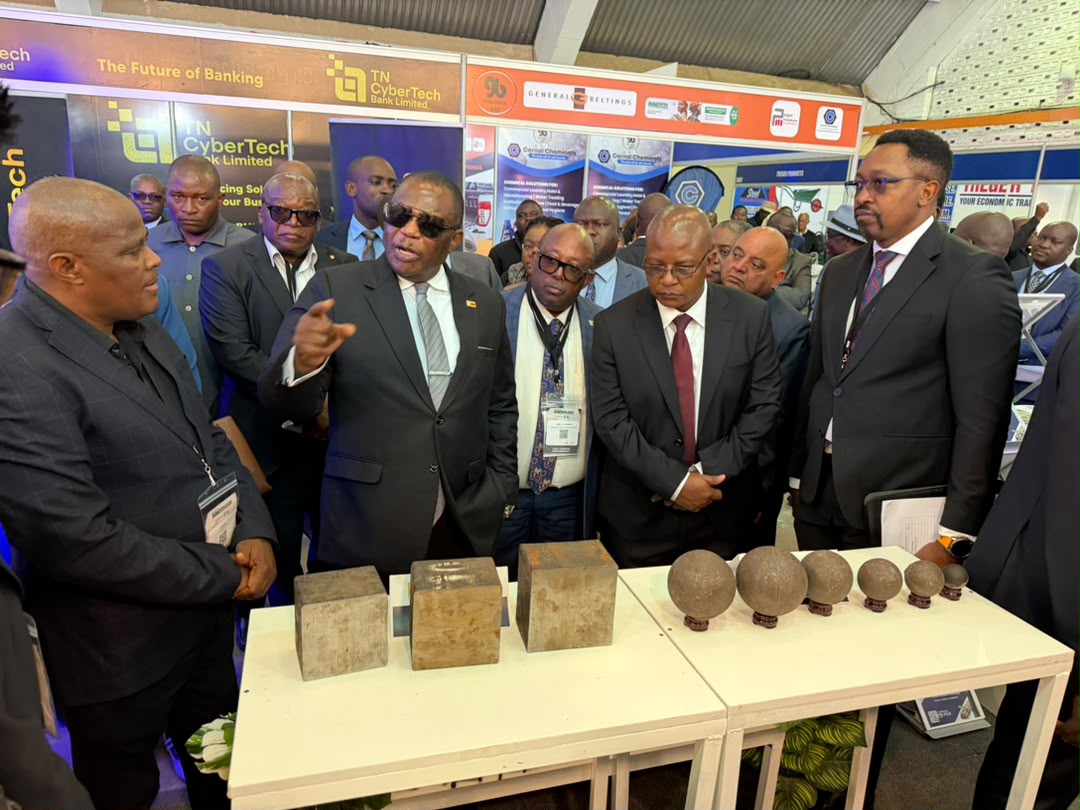
Vice President Dr Constantino Chiwenga on Thursday morning toured exhibition stands at the Zimbabwe International Exhibition and Conference (ZIEC) Smart City ahead of delivering the keynote address at the high-level Exploration Symposium being held as part of the 29th edition of Mine Entra.
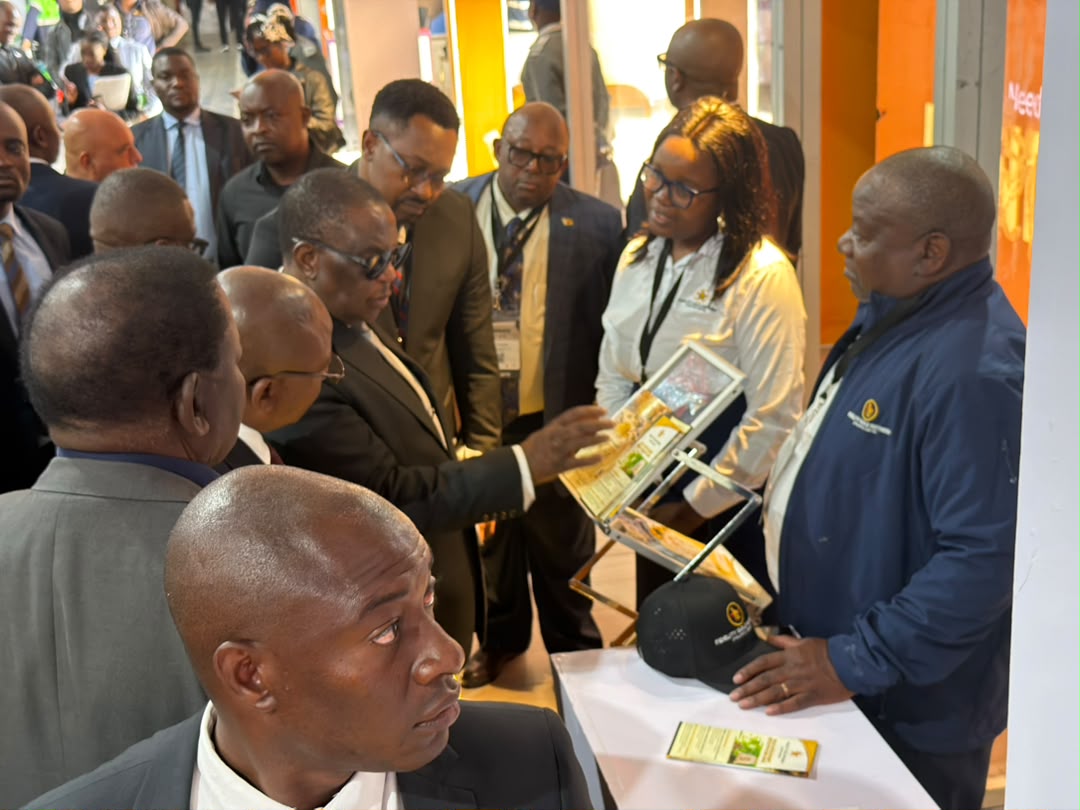
The Vice President was accompanied by Industry and Commerce Deputy Minister Raj Modi, Bulawayo Provincial Affairs and Devolution Permanent Secretary Mr Paul Nyoni, Mines and Mining Development Permanent Secretary Dr Thomas Utete Wushe, Chamber of Mines of Zimbabwe executives, Zimbabwe International Trade Fair board chairman Mr Busisa Moyo and chief executive officer Dr Nicholas Ndebele, among other senior Government and industry officials.
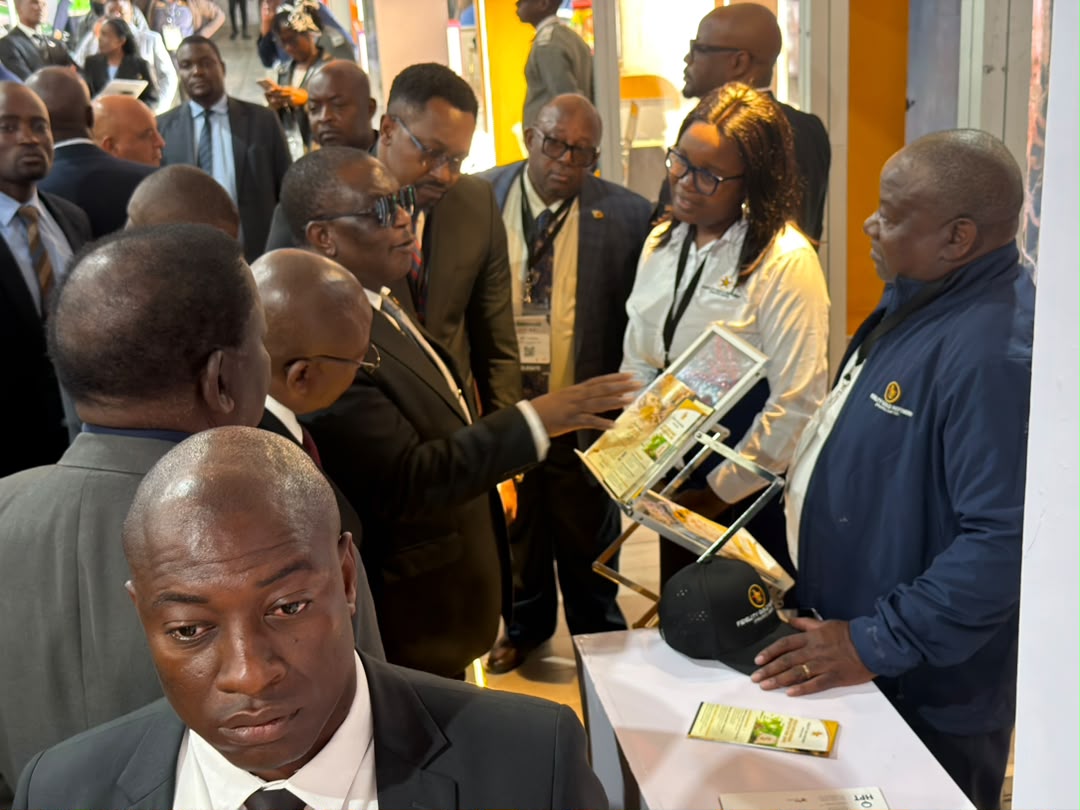
During the tour, Dr Chiwenga visited several exhibition stands showcasing mining technologies, mineral processing and related services. These included Dinson Iron and Steel Company (Disco), Mutapa Gold Resources, Fidelity Gold Refineries, Hwange Colliery Company and Heman Africa Machinery Equipment Company, where he interacted with exhibitors on their operations, investment plans and contribution to Zimbabwe’s mining value chain.
Zimbabwe urged to ramp up lithium mineral exploration
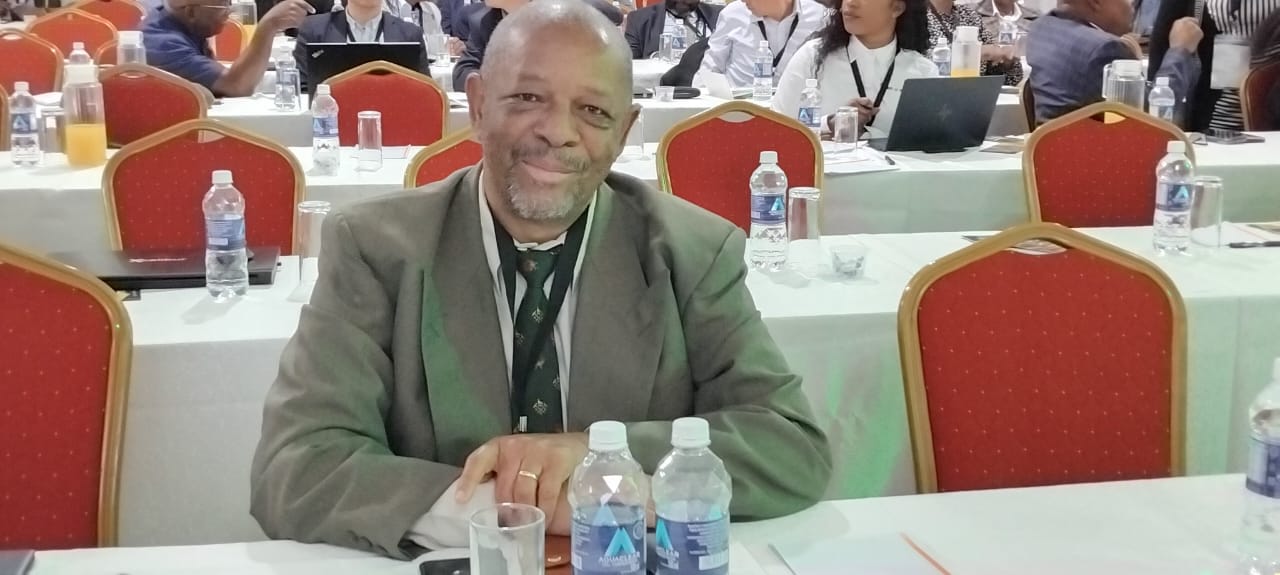
THE Government has been urged to accelerate initiatives aimed at promoting mineral exploration to unlock billions of dollars in international exploration funding and safeguard Zimbabwe’s position as a leading global producer of strategic minerals.
Mining experts say sustained exploration is critical for discovering new deposits, replacing depleted resources and ensuring the long-term growth of a sector that remains a key pillar of export earnings, foreign direct investment and economic development.
Particular emphasis has been placed on lithium, a strategic mineral driving the global energy transition, with Zimbabwe emerging as Africa’s largest producer and holding some of the world’s most significant hard-rock lithium deposits.
Presenting a paper on creating an enabling environment for junior mining in Zimbabwe at the ongoing Mine Entra in Bulawayo, geologist Mr Kennedy Mthethwa said the country needed to strengthen support mechanisms for exploration companies, particularly junior miners, to unlock its vast but underexplored mineral wealth.
Mr Mthethwa said exploration remained the foundation of any successful mining industry, warning that failure to continuously discover new deposits could threaten future production levels.
“We are very happy to say that we are now producing 7 to 8% of the global lithium production from our five mines.
“My question I leave with you is, so after these mines are depleted, where are the next lithium mines?
“Are we going to go from 8% global lithium production to 1% to 2% because there is no new lithium mine from exploration in pipeline now and this we can talk of gold as well and other minerals.”
“Exploration is very important because without exploration there is no mining. We need to create an environment where exploration companies can come in and invest billions of dollars into finding new deposits,” said Mr Mthethwa.
He said Zimbabwe’s extensive mineral endowment presented a major opportunity to attract global exploration capital, but highlighted the need for supportive policies and regulations that encourage investment into early-stage mineral discovery.
“Exploration companies are the ones that take the risk of looking for these deposits. We need to make sure that we create a conducive environment for them because without them we will not have future mines,” he said.
Zimbabwe has attracted significant investment into its lithium sector in recent years, with several projects now operational or under development, strengthening the country’s position in the global battery minerals market.
However, industry experts say maintaining this momentum will require accelerated exploration programmes to identify new resources and build a pipeline of future mines.
The push for increased exploration comes as Government places mining at the centre of economic transformation under the National Development Strategy 2 (NDS2), with the sector expected to continue driving export growth, employment creation and foreign direct investment.
Mining remains one of Zimbabwe’s largest foreign currency earners, contributing significantly to export receipts and attracting a substantial share of investment inflows.
Industry players say continued resource replacement through exploration will be essential if the country is to sustain production levels and maximise value from its mineral resources.
Zimbabwe’s untapped mineral wealth demands exploration drive – Chamber Of Mines
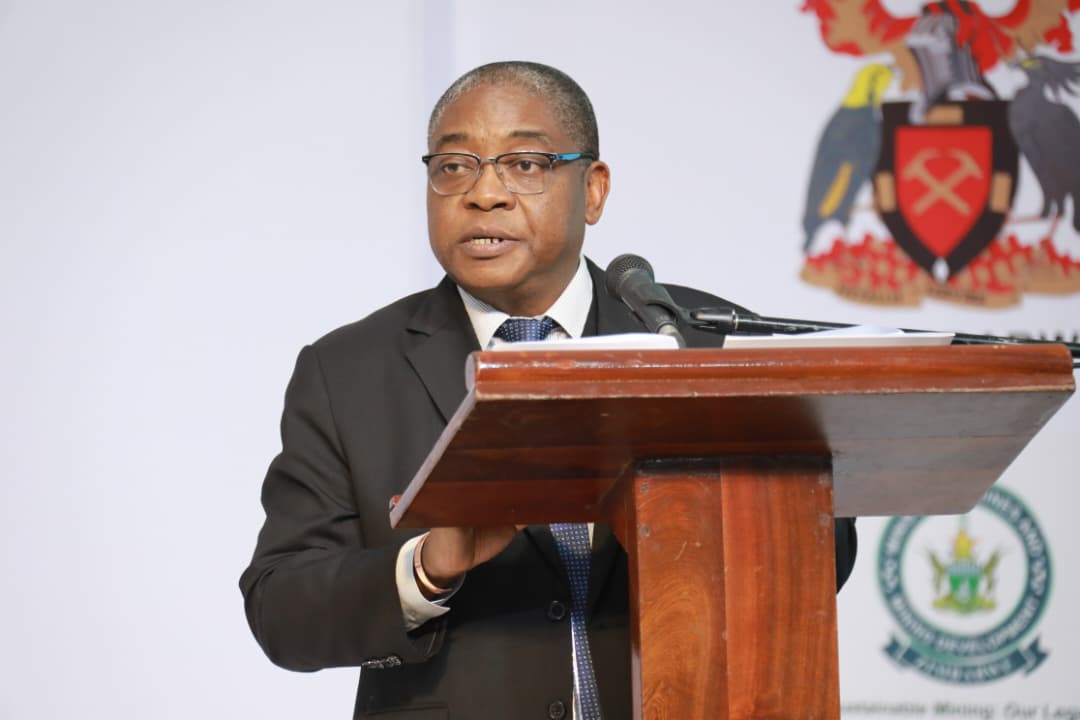
THE Chamber of Mines of Zimbabwe has called for increased investment in mineral exploration, saying sustained exploration is critical if the country is to unlock the full value of its vast mineral endowment, attract fresh investment and cement its position as a globally competitive mining destination.
Speaking during the inaugural Exploration Symposium held as part of the 29th edition of Mine Entra in Bulawayo on Thursday, Chamber of Mines of Zimbabwe president Mr Fungai Makoni said exploration was the foundation upon which a sustainable mining industry is built and urged Government and industry stakeholders to prioritise exploration initiatives.
The symposium, one of the flagship events of Mine Entra 2026, comes as Zimbabwe intensifies efforts to expand its mining industry through the discovery of new mineral deposits to sustain long-term production, attract investment and advance its ambition of building a US$12 billion mining economy.
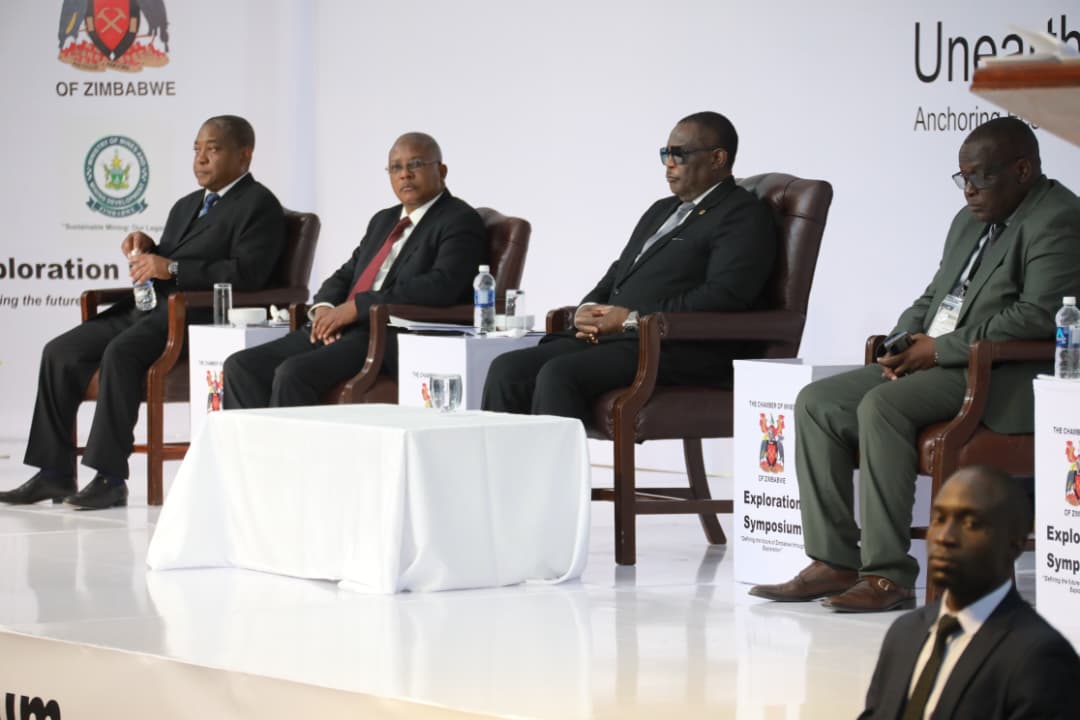
Held under the broader Mine Entra theme, “Unearth, Transform, Prosper: Anchoring Economic Transformation through Mining Value Chains,” the symposium attracted Government policymakers, global exploration experts, geologists, investors, mining executives and financial institutions to deliberate on strategies for strengthening mineral exploration, promoting junior mining companies and deploying modern technologies to improve mineral discovery.
Mr Makoni said the symposium was being held at a time when Zimbabwe’s mining sector was experiencing unprecedented growth.
“Today’s Exploration Symposium comes at a time when the mining industry has embarked on a vibrant growth path, which has seen the sector’s contribution to the national economy more than double over the past decade.
“The industry’s contribution to GDP has increased from approximately 8 percent in 2016 to nearly 18 percent in 2026, while mineral exports have grown from around US$3 billion to more than US$8 billion over the same period.
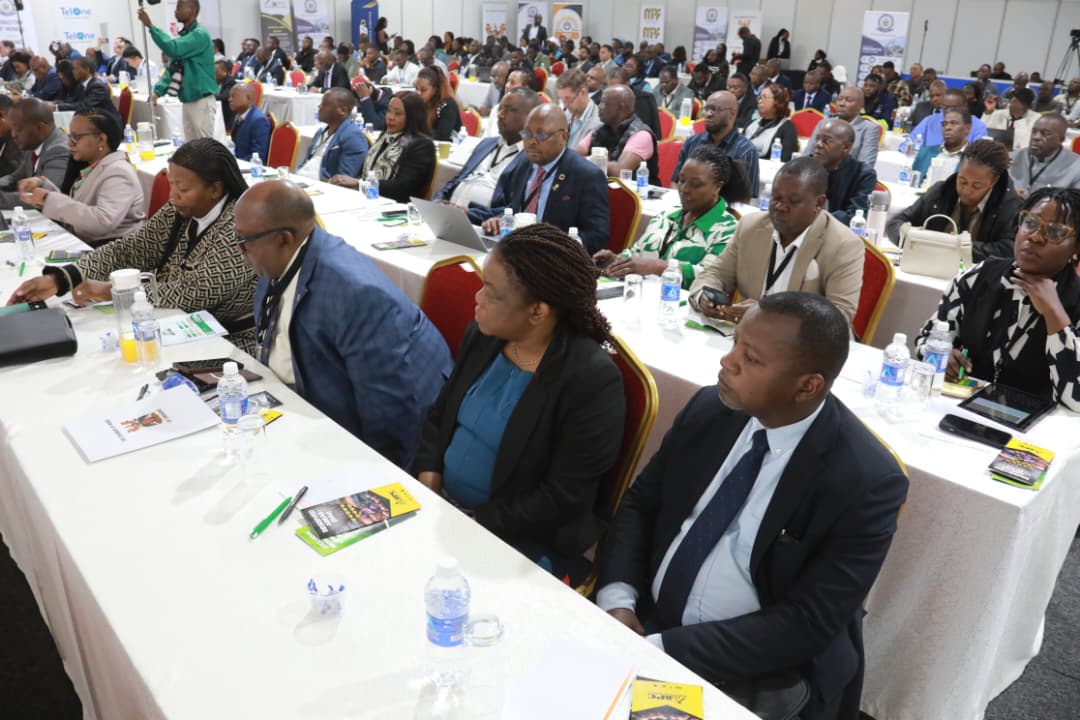
“This growth has emanated mainly from expansion and brownfields projects, with few greenfields projects having been discovered in the past 10 years,” he said.
Mr Makoni noted that while Zimbabwe possesses one of the richest and most diverse mineral endowments in Africa, exploration has not kept pace with the country’s enormous geological potential.
“Our country boasts over 60 economically exploitable minerals that are critical to the global energy transition.
“Despite this exceptional mineral wealth, it is widely acknowledged that Zimbabwe remains significantly unexplored.
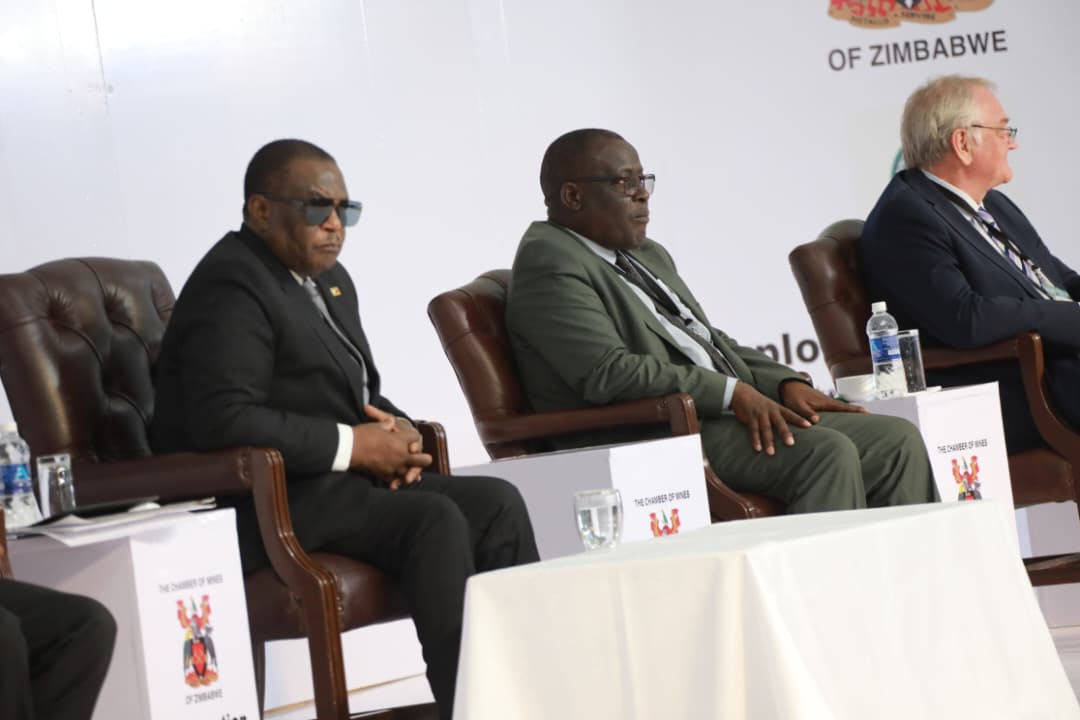
“Large portions of our greenstone belts, sedimentary basins and frontier geological terrains have not benefited from modern exploration.
“This presents an enormous opportunity for new discoveries that can transform our mining sector and contribute meaningfully to national economic development,” he said.
Zimbabwe is endowed with more than 60 known mineral occurrences, including gold, platinum group metals, lithium, chrome, diamonds, coal, copper and rare earth elements.
However, large sections of the country’s geological potential remain underexplored, presenting significant opportunities for new discoveries, increased investment and future mine development.
Mr Makoni identified outdated geological information as one of the major constraints limiting exploration activity.
He said Zimbabwe’s existing National Geological Map, which dates back to 1977, has served the country well but now requires modernisation to meet the needs of contemporary exploration investors.
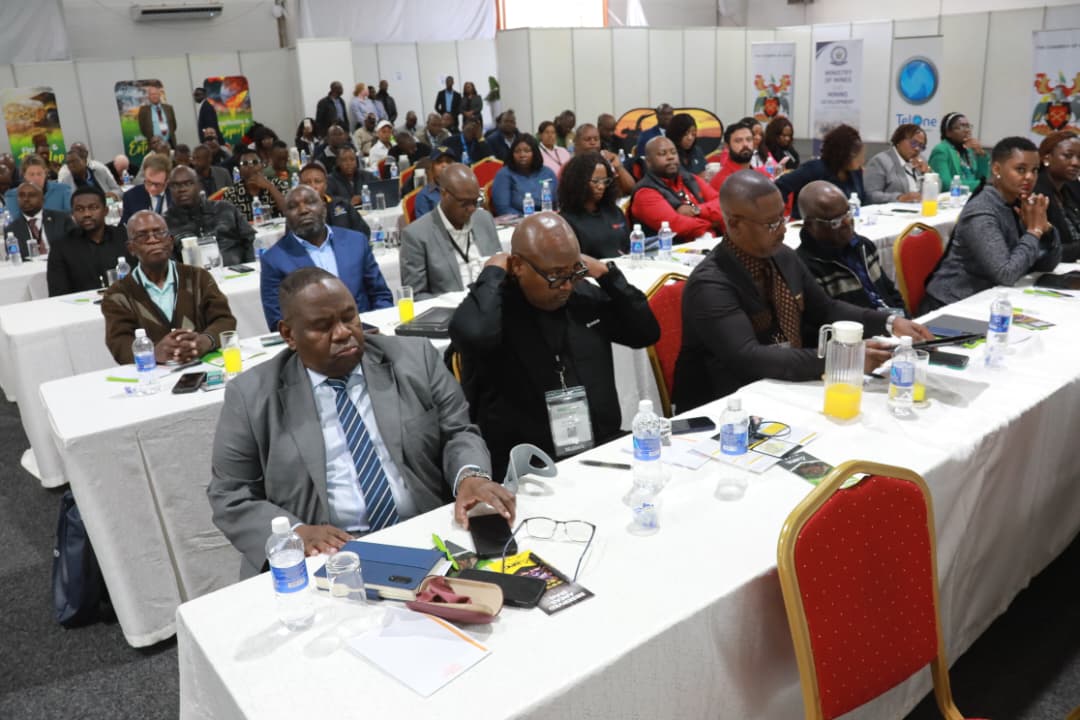
“A key challenge that has constrained exploration has been the availability of up-to-date geological information. Zimbabwe’s existing National Geological Map has served the country for decades, with this widely-used edition dating back to 1977.
“It has therefore remained the principal national reference for nearly five decades.
“While this map has underpinned many successful mineral discoveries, advances in geological science, geospatial technologies and exploration methods now necessitate a modern, digitally integrated geological database to improve its use in the global environment,” he said.
Mr Makoni welcomed ongoing efforts by the Zimbabwe Geological Survey to modernise the country’s geological information.
“Encouragingly, the Zimbabwe Geological Survey, working with international partners, has embarked on initiatives to update and digitise the country’s geological capabilities,” he said.
He stressed that sustained investment in exploration was indispensable to the future of Zimbabwe’s mining industry.
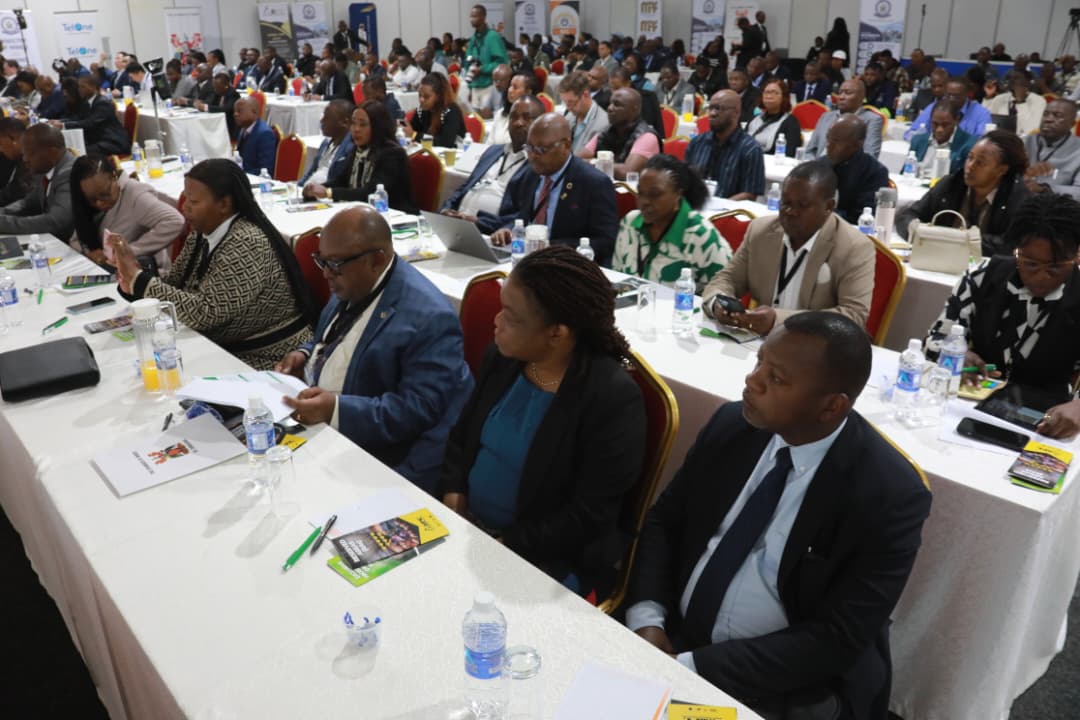
“Exploration is the lifeblood of mining. Without sustained investment in exploration, there can be no new mines, no expansion of mineral resources and no modern mining systems.
“There can be no new mines, no expansion of mineral resources, no long-term production growth and ultimately a sustainable mining industry.
“If Zimbabwe is to realise its ambition of becoming a globally competitive mining destination and maximise the value of its vast mineral resources, exploration must remain a national priority,” said Mr Makoni.
He said every successful mining operation begins with exploration and urged stakeholders to support initiatives that will expand the country’s mineral resource base.
“The Chamber of Mines firmly believes that successful exploration forms the foundation of the entire mining industry. Every mining operation today began with a geological idea, followed by exploration, discovery and investigation.
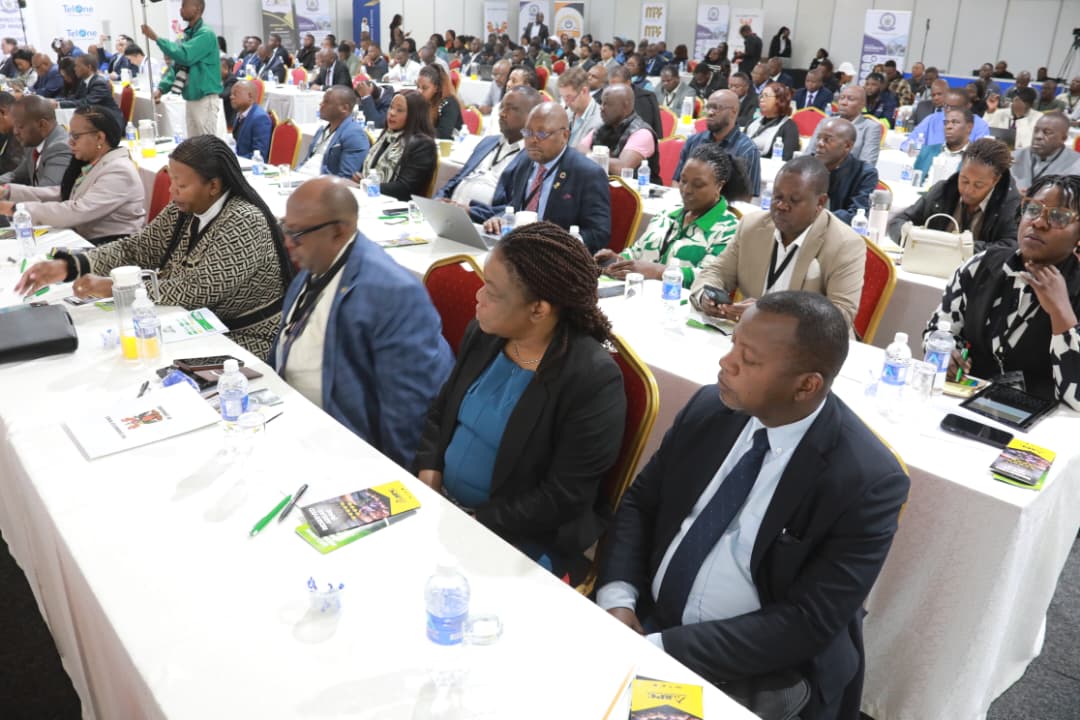
“The discoveries we make today will determine the mining industry that is inherited by generations to come,” he said.
The symposium is expected to produce practical recommendations to accelerate exploration activity, expand Zimbabwe’s mineral resource base and reinforce mining’s position as Zimbabwe’s largest export-earning sector and a key driver of industrialisation, value addition and economic transformation.
Exploration key to Zimbabwe’s mining future: GSZ

Zimbabwe’s mining sector faces a looming resource gap unless investment in mineral exploration is significantly increased, the Geological Society of Zimbabwe (GSZ) has warned, saying the country’s average mine life of between five and 10 years falls far short of the 15 to 20 years required to develop a new mine from discovery to production.
Addressing delegates at the Mine Entra Exploration Symposium in Bulawayo on Thursday, GSZ chairperson Mr Edgar Chiteka said exploration remains the foundation of a sustainable mining industry and should be prioritised if Zimbabwe is to secure its long-term mineral production, industrial growth and foreign currency earnings.
He said many of Zimbabwe’s major mining operations started as untouched bush, thick grass or Kalahari sands before exploration unlocked their economic value.
“Thanks to exploration we managed to transform those environments to what they are now, thriving mines, thriving cities and to a large extent thriving economies,” said Mr Chiteka.
“Often we forget about exploration. One speaker was talking about when finances shrink, the first thing to be thrown out of the room is exploration.”
He likened operating mines without sustained exploration to driving at night without headlights.
“Yes you can move, you can say you have a bit of money to sustain yourself for a couple of years but what happens after those couple of years?” he asked.
“Wherever a mine is mentioned the first question is, so what is the life of mine? In Zimbabwe I’m sure the number is somewhere between five and 10 years.
“Do you know how long it takes to establish a mine, say from discovery to the first turn of ore? You range from 15 to 20 years. And here we are, we are saying the average life of mine in Zimbabwe at present is somewhere between five and 10 years. Do you realise that we have a gap there?”
Mr Chiteka said the mismatch between the lifespan of existing mines and the lengthy period required to develop new ones should serve as a wake-up call for policymakers and investors to increase funding for exploration.
He said Zimbabwe possesses world-class geology comparable to that of Australia and has the potential to become a leading global mining destination if exploration is intensified.
“We are endowed with great geology. That one is not in doubt. To some extent we can even equate ourselves to the geology of Australia. Australia is a well-developed country. It has got similar geology with us. It has got a long history of exploration and mining and their mining industry is among the top in the world. Yet we share the same basement rocks. What lies beneath our feet is almost similar,” said Mr Chiteka.
He commended the Ministry of Mines and Mining Development for engaging industry stakeholders, saying Government had demonstrated its willingness to listen and implement practical measures to grow the sector.
Mr Chiteka said although Zimbabwe has more than 65 known mineral occurrences, those resources would remain untapped unless significant investment is channelled into exploration.
“We say Zimbabwe has got over 65 minerals in the ground. They are in the ground. If we don’t invest in exploration, they will remain in the ground. So it is with that energy that we need to invest into our exploration,” he said.
He urged Zimbabwe to position itself to attract a greater share of global exploration capital, estimated at between US$4 billion and US$42 billion, saying such investment would underpin the country’s future economic growth.
“Attract the vast amount of global exploration funds out there in the world. We have to dress ourselves and attract this. And this will be the genesis of our future growth, our future sustainable, mutually beneficial progress as a nation,” he said.
Mr Chiteka also commended the Chamber of Mines of Zimbabwe for introducing the inaugural Exploration Symposium, describing it as an important platform for geoscientists, investors and mining executives to exchange ideas and develop strategies for expanding Zimbabwe’s mineral resource base.
“Without exploration, we have no mining industry to talk about. Without a mining industry to talk about, we have a limited economy, and hence we have limited foreign currency. So, exploration is the lead,” he said.
Zimbabwe must compete for US$12.4bn global exploration spend: Roth
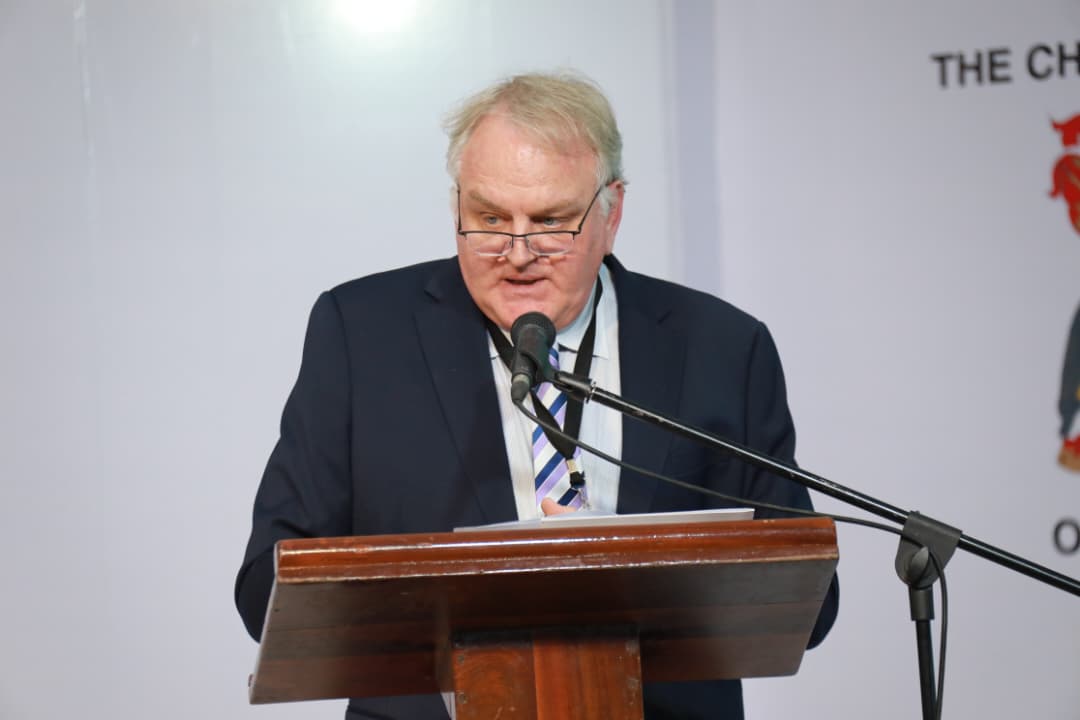
Zimbabwe should position itself to attract a greater share of the US$12.4 billion invested globally in non-ferrous mineral exploration in 2025 if it is to unlock its vast geological potential and build the next generation of mines, exploration expert and Capella Minerals chief executive officer Mr Eric Roth has said.
Addressing delegates at the Mine Entra Exploration Symposium on Thursday, Mr Roth, a geologist with more than 35 years of international experience spanning Australia, Argentina, Turkey and Africa, said sustained exploration was the only way to replace depleting mines and secure future supplies of critical minerals.
“If we don’t make these new discoveries, where are the new metals going to come from? Where are the deposits of gold, lithium and copper going to come from if we don’t do this exploration,” said Mr Roth.
He said the responsibility for discovering new mineral deposits had increasingly shifted from major mining companies to junior exploration firms, which are prepared to undertake the high-risk, high-reward work of greenfields exploration.
“Junior companies today play a very important role because a lot of the major companies simply do not do this early-stage exploration anymore. It is obviously very high risk, but it’s also high reward,” he said.
Quoting data from S&P Global, Mr Roth said global non-ferrous exploration expenditure reached US$12.4 billion last year, excluding iron ore, with gold, copper and lithium accounting for the largest share of investment.
He said approximately US$4.5 billion of that total was invested by junior exploration companies, while Canada, Australia, the United States, Chile and Peru remained the world’s leading destinations for exploration capital due to their favourable geology and stable investment environments.
“The question is, out of all of this, how much should Zimbabwe be getting of this?” he said.
“There’s a very large pie of funds that are being invested in exploration. Of course, every country wants to do its best to attract investment.”
To illustrate the value of greenfields exploration, Mr Roth cited several internationally successful discoveries that have since become profitable mines.
These include Tropicana Gold Mine in Australia, which progressed from discovery to production in just eight years and now produces between 300 000 and 400 000 ounces of gold annually; Cerro Moro in Argentina, which reached production within nine years; and Hot Maden in Turkey, discovered in 2015 and now under development.
He explained that such projects are typically financed through equity investment because of the high risks associated with mineral exploration, noting that Cerro Moro alone required approximately US$30 million in drilling expenditure to define its maiden mineral resource before attracting about US$450 million to develop the mine.
Beyond generating returns for investors, Mr Roth said exploration delivers broad socio-economic benefits, including employment creation, infrastructure development, community empowerment and increased government revenue.
He highlighted Côte d’Ivoire as an example of a country that has successfully aligned investor and national interests through a partnership model in which the State automatically receives a 10 percent free carried interest, with the option to increase its stake to 25 percent.
“This creates partnership rather than simply relying on royalties,” he said.
Mr Roth said successful mineral exploration depends on three critical ingredients: favourable geology, a technically competent exploration team and a stable, supportive regulatory and community environment.
He noted that Zimbabwe already possesses world-class geological potential but stressed that policy consistency and investor confidence would be essential in attracting international exploration funding.
“There’s no country that’s perfect. Everywhere has its issues,” he said.
“We need to be thinking about what the conditions are going to be in 20 or 30 years’ time because that’s the timeline that we have to follow.”
Mr Roth said with the right policy framework, competitive investment conditions and sustained commitment to exploration, Zimbabwe has the potential to attract significantly more international exploration capital, transform its geological wealth into productive mines and secure long-term economic growth.
Critical minerals key to Zimbabwe’s future in Fourth Industrial Revolution – VP Chiwenga
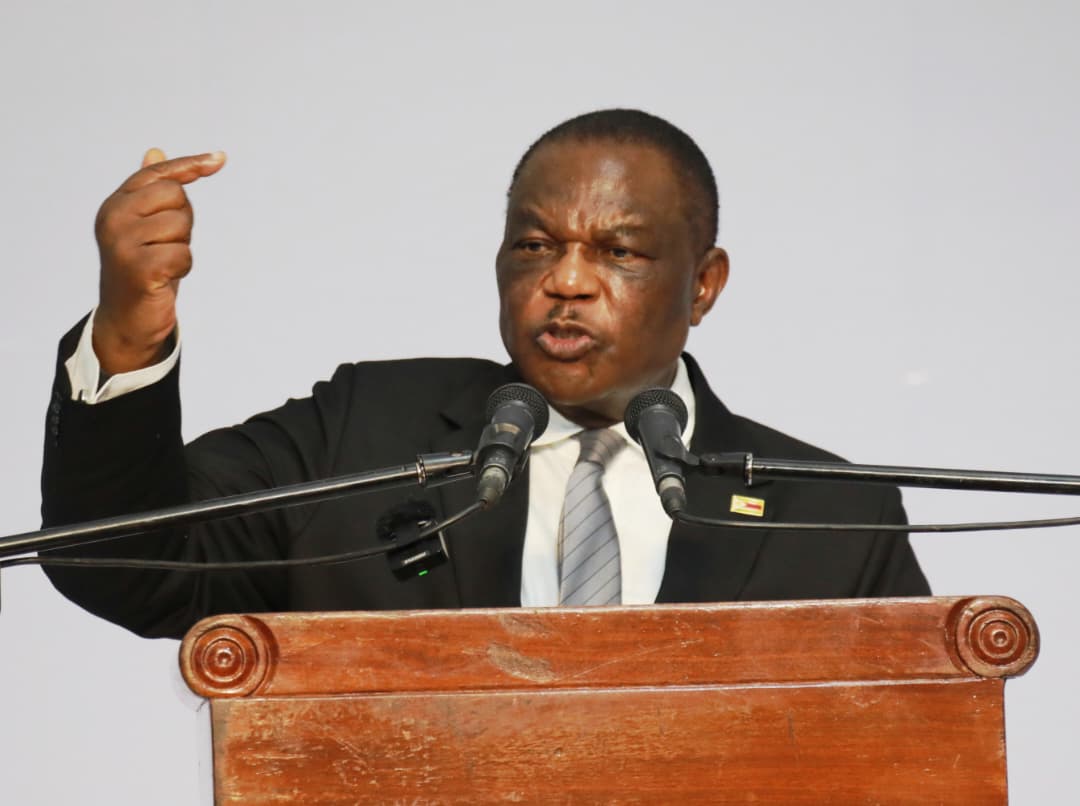
Vice-President General (Retired) Dr Constantino Chiwenga has said the surging global demand for critical minerals presents Zimbabwe with a historic opportunity to become a key player in the Fourth Industrial Revolution, but stressed that the country can only fully benefit by investing aggressively in mineral exploration to understand the full extent of its vast resource endowment.
Addressing delegates at the inaugural Exploration Symposium held during the 29th edition of Mine Entra in Bulawayo on Thursday, the Vice-President said the global race for critical minerals had intensified as countries accelerate technological advancement and the transition to cleaner energy systems.
He said the symposium represented far more than an industry gathering, describing it as a declaration of Zimbabwe’s commitment to unlocking its mineral wealth through increased exploration, technological advancement and responsible resource management.
“The theme is more than a conference but a declaration of Zimbabwe’s national intent as it recognises that decisions taken today regarding exploration, technology, investment, skills development and responsible resource management will shape the future of the mining industry for generations to come,” said VP Chiwenga.
He said the importance of mineral exploration had become even more pronounced as demand for strategic minerals continues to surge worldwide.
“Global demand for critical minerals is rising as nations accelerate the fourth industrial revolution.
“Critical minerals now underpin digital transformation, advanced manufacturing, artificial intelligence, electric mobility and clean energy.
“Those who secure these resources today will lead tomorrow’s global world.”
VP Chiwenga said Zimbabwe’s abundant deposits of critical minerals and rare earth elements place the country in a strong position to participate meaningfully in the emerging global industrial landscape.
He, however, stressed to delegates that the country’s mineral wealth can only translate into economic transformation if adequate investment is directed towards exploration and geological mapping.
He said Zimbabwe must first understand the true scale and quality of its mineral resources before it can maximise value from them.
“We cannot benefit from resources that remain undiscovered or are not very well defined.”
The Vice-President said the inaugural symposium provides a strategic platform for Government, investors, mining companies, financiers, researchers and other stakeholders to chart a common path towards expanding Zimbabwe’s geological knowledge and attracting responsible investment.
He said the inaugural exploration therefore provides a platform for Government, industry, investors, researchers, financiers and other stakeholders to deliberate on how Zimbabwe can strengthen, expand geological knowledge, attract responsible investment and unlock the full value of the country’s mineral resources.
The symposium, one of the flagship events of Mine Entra 2026, which began on Wednesday, comes as Zimbabwe intensifies efforts to expand its mining industry by accelerating the discovery of new mineral deposits to sustain long-term production, attract fresh investment and advance the country’s ambition of building a US$12 billion mining economy.
Held under the broader Mine Entra theme, “Unearth, Transform, Prosper: Anchoring Economic Transformation through Mining Value Chains,” the symposium has attracted Government policymakers, global exploration experts, geologists, investors, mining executives and financial institutions to deliberate on strategies for strengthening mineral exploration, promoting junior mining companies and deploying modern technologies to improve mineral discovery.
Exploration is widely regarded as the foundation of a sustainable mining industry as it replenishes depleted mineral reserves, extends the lifespan of existing mines and unlocks new mining projects capable of generating employment, export earnings and downstream industrial development.
Zimbabwe is endowed with more than 60 known mineral occurrences, including gold, platinum group metals, lithium, chrome, diamonds, coal, copper and rare earth elements. However, significant portions of the country’s geological potential remain underexplored, presenting substantial opportunities for new discoveries and increased investment.
The oversubscribed symposium is expected to generate practical recommendations to accelerate exploration activities, expand Zimbabwe’s mineral resource base and reinforce mining’s position as the country’s largest export-earning sector and a key driver of industrialisation, value addition and economic transformation.
Zimbabwe is a mine, says VP Chiwenga
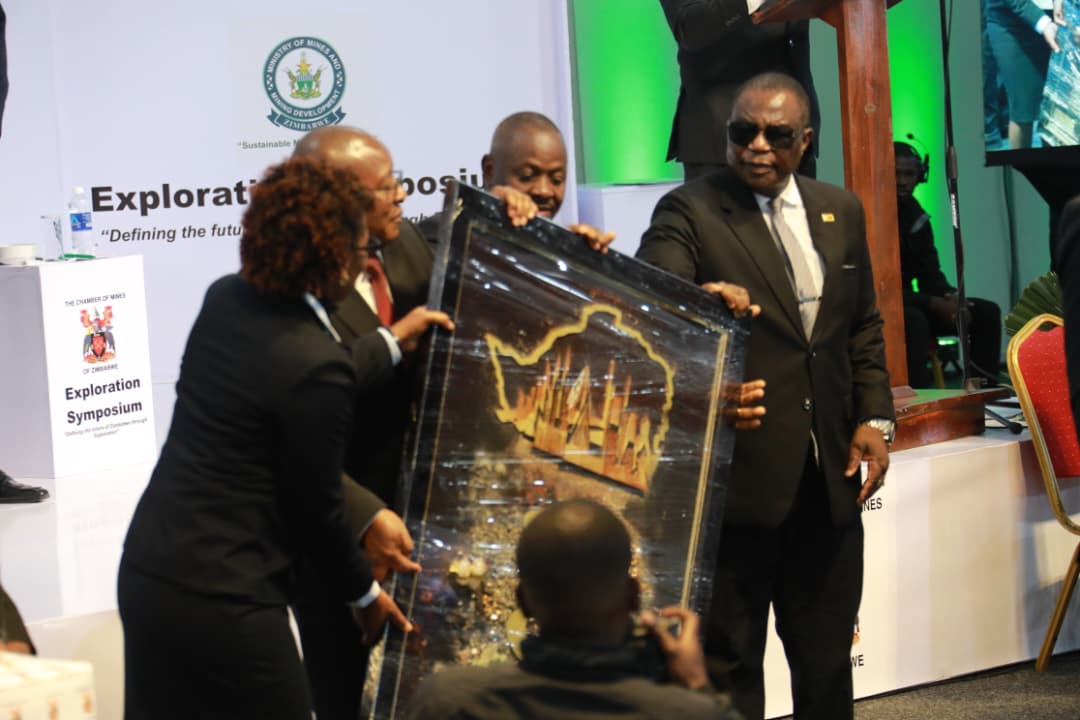
VICE-President (Retired) Dr Constantino Chiwenga has described Zimbabwe as “a mine”, highlighting the country’s vast mineral wealth and urging increased financing for exploration to unlock new discoveries and drive mining sector growth.
Speaking at the Mine Entra Exploration Symposium in Bulawayo on Thursday, Dr Chiwenga said Zimbabwe’s geological diversity presented enormous opportunities for investors, particularly as global demand for critical and strategic minerals continues to rise.
He said exploration remained the foundation of the mining value chain and required patient capital and long-term commitment before commercial production could begin.
“In the stages of the mining value chain, discoveries require sustained investment, long before commercial production begins.
“It is therefore encouraging that at this symposium, we have financial institutions, investment promotion agencies, the Zimbabwe Stock Exchange, and development partners to explore innovative approaches to financing exploration,” he said.
Dr Chiwenga acknowledged that mineral exploration was a high-risk undertaking but said the potential returns justified increased investment.
“While it is a risk, it is also highly profitable, so it balances itself,” he said.
The Vice-President said Zimbabwe’s mineral endowment provided investors with multiple opportunities, noting that exploration success could yield different commodities across the country.
“We say in this confidence, Zimbabwe is a mine. So if you do it well, a mine is the entire country.
“You might fail to get gold, but you might get diamonds. If you cannot get diamonds, you get copper or nickel and so the list is endless,” he said.
He said increased exploration would result in new mineral discoveries while sustaining growth in the mining industry, which remains one of Zimbabwe’s major economic pillars.
Dr Chiwenga called on exploration companies to uphold international standards in corporate governance, transparency, technical reporting and environmental responsibility.
“Exploration companies must continue to uphold the highest standards of corporate governance, transparency, technical reporting, and environmental responsibility,” he said.
He said adherence to best practices would enhance Zimbabwe’s reputation as a preferred mining investment destination while ensuring that mineral resources contribute to long-term economic development.
The symposium brought together Government officials, mining executives, geologists, financiers, investment promotion agencies, the Zimbabwe Stock Exchange and development partners to discuss ways of increasing exploration investment and unlocking the country’s untapped mineral potential.
The symposium is being held as part of the 29th edition of Mine Entra, Zimbabwe’s flagship mining, engineering and transport exhibition, which has placed mineral exploration at the centre of efforts to promote sustainable mining growth and future investment.
Govt rebuilds geological database to unlock mining investment
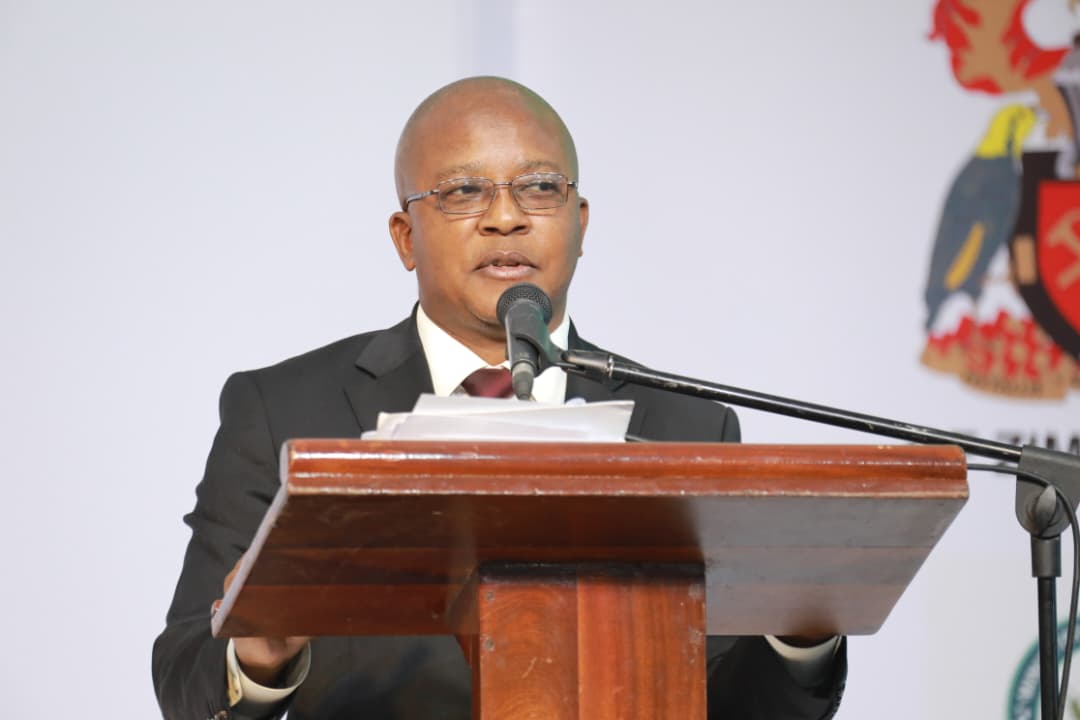
THE Government is rebuilding Zimbabwe’s geological database, modernising mining title administration and introducing targeted incentives to attract exploration finance as it seeks to unlock new mineral discoveries and drive industrial growth.
Mines and Mining Development Minister Dr Polite Kambamura said Zimbabwe has world-class geology and skilled human resources but requires increased exploration financing and reliable geological data to convert its mineral potential into new mines and industries.
Addressing the Exploration Symposium at Mine Entra 2026 in Bulawayo, Dr Kambamura said exploration finance remained critical in unlocking the country’s mineral wealth.
“We have the geology, we have the human capital, what we now need is exploration finance.
“Streaming finance, equity, shares, loans, need to flow to Zimbabwe. That’s why we are gathered here,” he said.
The Minister highlighted Zimbabwe’s vast mineral endowment, including the 550km Great Dyke, which hosts some of the world’s most significant platinum group metals and chromite deposits, gold-rich Archaean greenstone belts, as well as lithium, tantalum and tin-bearing pegmatites.
He said the country also has deposits of diamonds, nickel, copper, graphite, cobalt, iron ore, phosphate, rare earth elements and other industrial minerals.
However, Dr Kambamura said Zimbabwe’s geological knowledge base had suffered setbacks over the years, with some reports, maps, drill logs and institutional knowledge becoming fragmented or ending up in private archives.
“During the years immediately preceding and following our independence, geological reports, maps, drill logs, symbols, institutional memory may have been taken out of the country. Some knowledge became fragmented, some remain in private archives,” he said.
He said Government was now moving to rebuild the country’s geological memory using modern technology.
“Let us be transformed by the renewal of our minds. This is the time to rebuild Zimbabwe’s geological memory and to build it even better with the aid of new technologies,” said Dr Kambamura.
For the past three decades, he said, systematic national exploration had been below potential, prompting Government to adopt a technology-driven approach involving high-resolution airborne magnetic and radiometric surveys, gravity and electromagnetic surveys, satellite and hyperspectral imagery, drones, 3D modelling and artificial intelligence.
He said artificial intelligence would complement, rather than replace, geologists by helping them analyse large volumes of geological information.
“AI will not replace geologists. It will help the geologists integrate decades of maps, assays, structures, and remote sensing data at a speed no human team could actually achieve unaided,” he said.
Dr Kambamura outlined Government’s priorities, including expanding the pipeline of investable exploration opportunities, diversifying mining beyond existing districts, reducing the time taken to convert exploration rights into production and preserving exploration data as national knowledge.
He said Government also wanted to link mineral discoveries to beneficiation to create jobs, increase exports and promote broad-based economic growth.
On incentives, the Minister said prospecting expenditure, including surveys, was deductible, while qualifying costs could be carried forward against future mining income.
He added that capital equipment could access customs duty relief and VAT deferment, with the Zimbabwe Investment and Development Agency (ZIDA) facilitating investment entry.
However, Dr Kambamura acknowledged that tax incentives alone did not address the financing challenges faced by pre-revenue exploration companies.
“A tax reduction, which can only be used after profits arise, is not the same as cash in the hands of a pre-revenue junior today.
“That financing gap remains part of our ongoing policy framework,” he said.
Government is also modernising the mining cadastral system to ensure mining rights are clear, secure, searchable and transferable.
“Mining rights are development assets, not certificates for indefinite speculation. We seek security for the serious explorer and use it or lose it for speculative title,” said Dr Kambamura.
Further measures under consideration include co-funding of drilling and geophysical surveys, a dedicated junior exploration incentive and a project preparation facility.
The Minister said Zimbabwe’s investment policy would continue to reserve small-scale gold mining of up to 20 claims for citizens while welcoming domestic and international investment in large-scale mining.
“This is not a closure of Zimbabwe to mining investment. It is a clear allocation of space. Citizen enterprise at small scale, domestic and international capital is welcome at the large scale,” he said.
Dr Kambamura cited the lithium policy as an example of Government’s push for beneficiation, noting that restrictions on raw ore exports were intended to promote processing into concentrates and lithium salts targeted by January 2027.
“Mineral production must build industrial capability inside this country. This is in line with Vision 2030,” he said.
He said Zimbabwe was drawing lessons from regional best practices, including public geoscience and junior financing models from South Africa, policy stability from Botswana, capital recovery frameworks from Zambia and permitting systems from Côte d’Ivoire and Senegal.
“Let Mining Entra 2026 mark the point at which Zimbabwe moves from speaking mainly about the minerals we have mined before to systematically discovering our future minerals,” said Dr Kambamura.