Online Reporter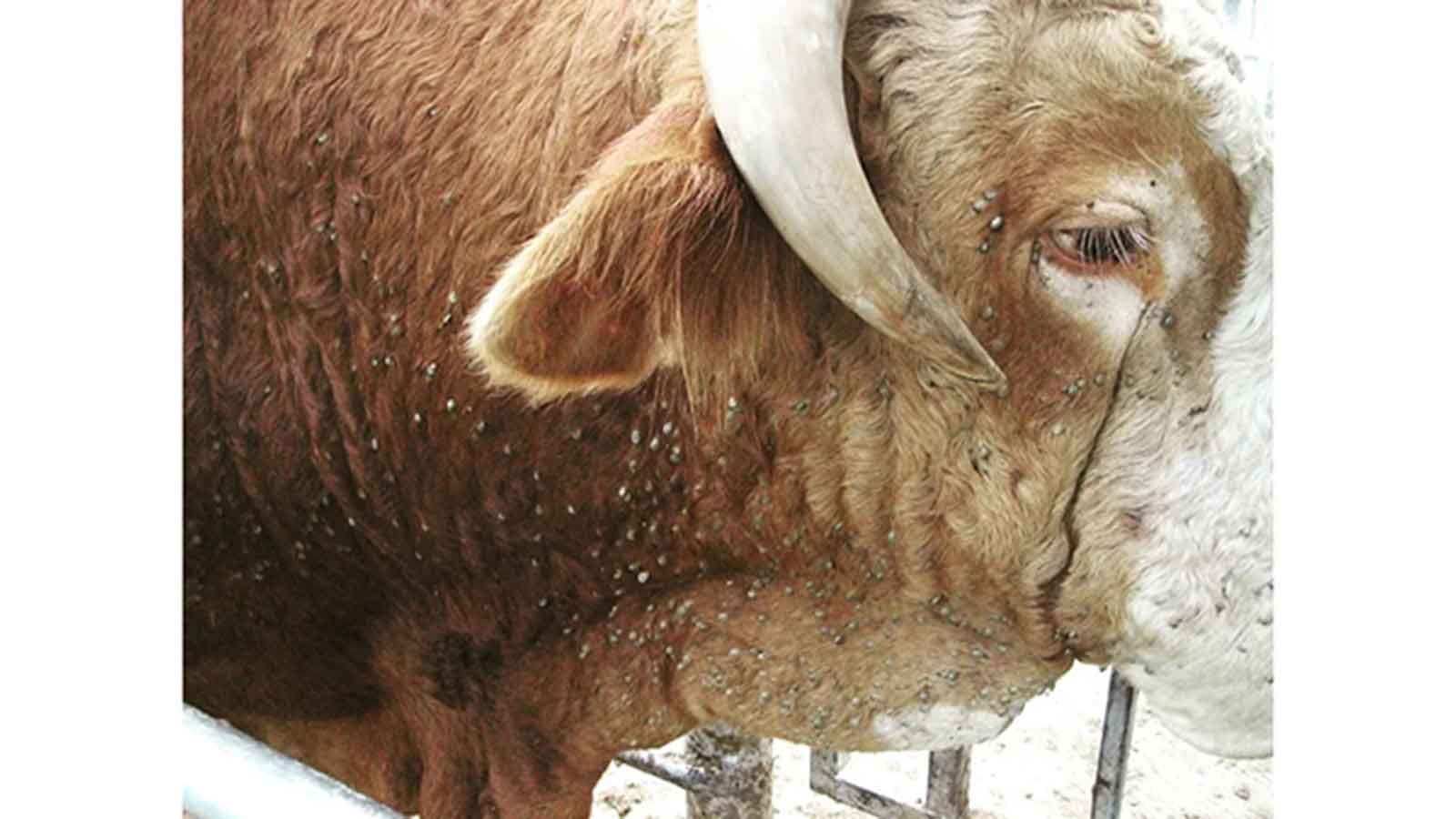
Lovemore Kadzura-Post Reporter
Livestock farmers in Manicaland Province have raised alarm over the sporadic outbreak of theileriosis, which has affected four districts in the past two months, expressing fears that the disease will wipe out their cattle, reversing the gains made in rebuilding the national herd.
January disease, also known as theileriosis, has been detected in Chimanimani, Mutasa and Nyanga districts. While the Department of Veterinary Services was busy containing the disease in the districts, the disease spread to Makoni district, where several dip tanks were affected and have since been placed under quarantine.
Although there is no official confirmation of the disease in Mutare district, communal farmers said there is suspicious illness and death of cattle. Mr Surprise Dhliwayo of Chipfatsura Village said that this year alone, he lost seven cattle to suspected January Disease, and other villagers are facing the same fate.
“I used to have a herd of 15 cattle, and seven died of suspected January Disease. This forced me to destock and sell seven others to avert further losses,” he said.
“We are experiencing a rise in cattle illness and death, which is robbing us of our prized possessions-cattle. We are not sure of the cause of this disease because we are regularly dipping our cattle. We are appealing to the government to investigate to find out why the disease keeps coming back.”
Provincial Veterinary Services Director, Dr Takunda Chikaka, said farmers must closely monitor their cattle this dry season and must open their livestock at night so that they have ample time to assess them and spot illness early.
He assured farmers that they are on top of the situation and the disease will be contained through ongoing vaccination, intensified dipping and quarantining.
“Once January disease has been detected, affected dip tanks or farms are immediately placed under a 28-day quarantine and weekly dipping reinstated in affected hotspots, while the majority of the dip tanks which are not affected remain on fortnightly dipping this dry season,” he said.
“Farmers’ awareness is done by field staff; clinically affected animals receive approved anti-theilerial drugs. I need to highlight that during this dry season, the practice by some communal farmers is that they tend not to herd their cattle during the day or kraal them at night.
“The practice increases the risk of animals becoming infected, as they receive minimal supervision and may fall ill or even die without the farmer’s knowledge.
“Farmers are always encouraged to kraal their cattle at night and conduct routine inspections each morning. Regular observations enable the early detection of sick animals, allowing prompt veterinary intervention and appropriate treatment, thereby reducing disease-related losses.”