

 admin
admin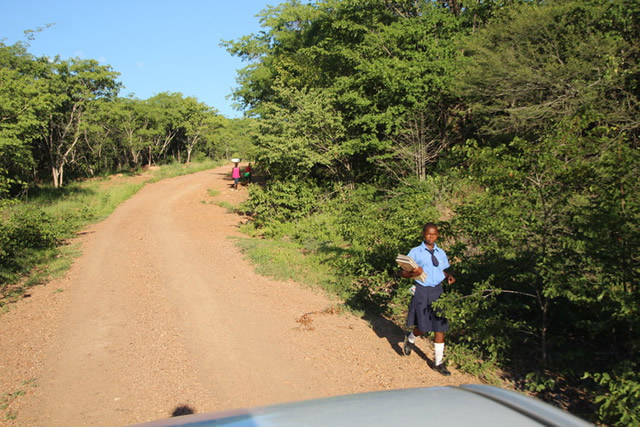

The death of Cecil the lion made headlines across the world as people as far away as New York and London shed tears for the carnivore that was allegedly the “symbol of Zimbabwe”. Many locals were asking “Cecil who?” because they had never heard of the lion. That did not mean that they did not care about the lion or the murder most foul that had been committed. But their perception of the relationship between animals and humans is different from those whose only knowledge of lions come from cute humanised cartoon characters from movies like Lion King and Madagascar.
For the locals, lions are not some cute cats to visit at the zoo to shudder deliciously while you watch them devour the meat that the keepers hand over.
Those who remember life in the eighties are more likely to be familiar with the name Maswerasei, the name of the rogue killer lion that killed a number of people before it was shot dead by authorities.
For many rural dwellers in areas like Kariba, lions and other dangerous wild animals are literally co-inhabitants of the earth and everyday is a struggle of maintaining territories over increasingly blurring lines.
Lions prey on domestic animals and even humans while humans encroach on the ever dwindling patches of wilderness thereby invading animal kingdoms.
Climate change is also making things difficult for all parties. The search for drinking water by humans and animals leads to clashing of paths. Reduced pastures mean that there are fewer animals at the bottom of the food chain forcing lions to look to the temptingly caged domestic animals.
Villagers in Siakobvu district of Kariba say that they sleep with one eye open to ward off marauding lions that usually come calling at night. They rely on noise to frighten the lions away. Usually the lions will melt back into the night to try their luck elsewhere.
Children are particularly vulnerable to wild animal attacks as some of them must travel long distances through lonely bushy areas to get to school.
Small pre-school children also go into the bush to herd goats. Villagers say that they hope that incidences of rogue lions will remain far and few and co-habitation between the species can continue for a while longer before locals also have to visit a zoo or watch a movie to see a lion.
Words by Monica Cheru-Mpambawashe, images : Photovet — Takawira Dapi



 Online Reporter