

 malvernmugadzikwa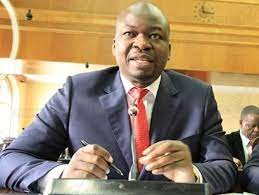
Business Writer
Permanent Secretary in the Ministry of Finance and Economic Development George Guvamatanga has castigated the business community for over-reliance on Government subsidies, a practice he said must come to an end and pave way for businesses that can sustain themselves in the economy on the basis of correct fundamentals.
Speaking at a press briefing early this week, amid escalated price and exchange rate instability, Mr Guvamatanga said the decision by the central bank to increase interest rates above inflation was meant to bring back sanity in the financial markets.
The Reserve Bank of Zimbabwe (RBZ), this week increased interest rate for loans to 200 percent per annum from 80 percent citing the need to align these with prevailing inflationary developments among other latest measures meant to tame exchange rate distortions and price volatility.
According to RBZ governor Dr John Mangudya, the Bank’s Monetary Policy Committee reviewed interest rates and statutory reserves with effect from July 1, 2022 as follows;
“Increasing the bank policy rate from 80 percent to 200 percent per annum, increasing the Medium Term Accommodation interest rate from 50 percent to 100 percent per annum, increasing the minimum deposit rate for local currency savings from the current 12,5 percent to 40 percent per annum and increasing the minimum rate for local currency time deposits from 25 percent to 80 percent per annum”.
Exemptions were however, extended to loans drawn under the Medium Term Bank Accommodation Facility, the Micro, Small to Medium Enterprises Facility (MSMEs) and individuals.
These “shall be extended at a rate not below the Medium Term Accommodation interest rate of 100 percent per annum”, according to the central bank in a letter to banks signed by Philip Madamombe, Director Bank Supervision.
Asked whether the move to increase interest rates to not less than 200 percent, will not hurt the productive sector, Mr Guvamatanga said there is need for a “complete rethink and overhaul of the business model we are currently using in Zimbabwe.”
According to Mr Guvamatanga corporates are being subsidised by orphans, pensioners and widows through paying sub-economic interest rates which have in turn hurt the creation of capital and pensioners at the expense of creating savings in the economy.
He said the country cannot have corporates that continue to have business models that are based on monopoly pricing, unreasonable market power, access to cheap credit, access to cheap foreign currency, and access to cheap power.
“This argument that the productive sector will not be able to borrow does not hold water. You should be able to sustain your business on correct borrowing and correct interest rates.
“Actually, the lack of confidence that we all write about on a daily basis is actually a reflection of the inability for us to create savings.
“So, we also now need to restore the value of savings because that is the only way we can create long-term capital,” Mr Guvamatanga said.



 Online Reporter